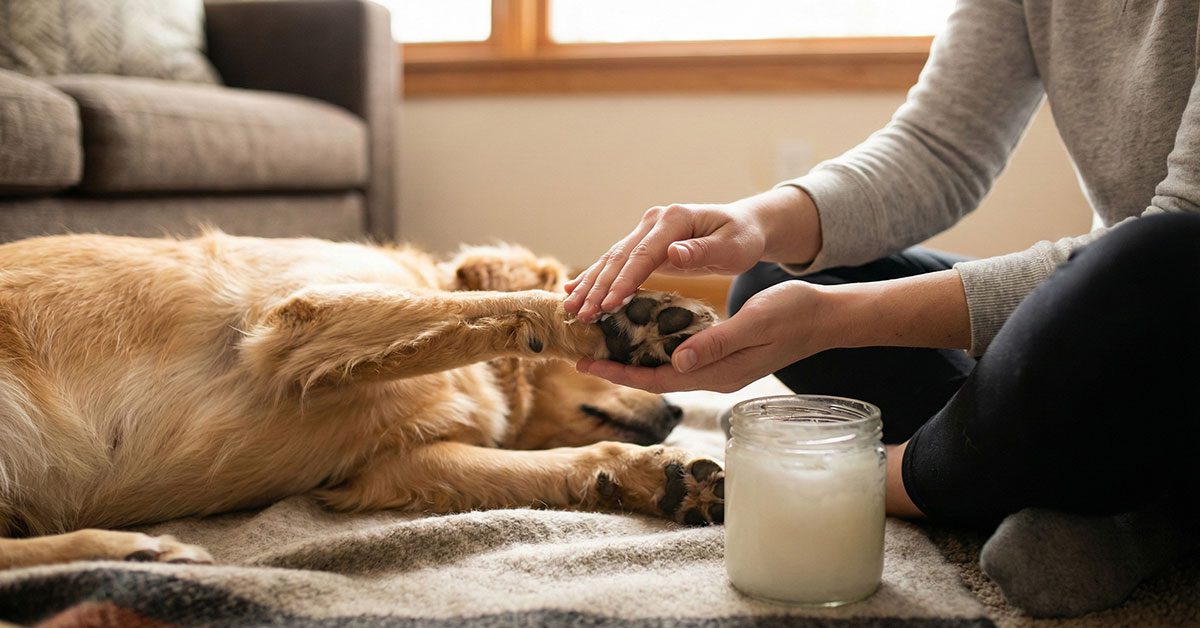
Apply a thin layer of coconut oil to clean, dry paw pads and allow it to absorb before activity.
Across the United States, dogs encounter hot pavement, icy sidewalks, rough trails, and dry indoor air that can leave paw pads rough or cracked. Many owners use coconut oil as a simple home remedy to help moisturize and protect paw pads when used correctly.
Understanding how to apply coconut oil to dog paws is important because using too much, applying it to dirty paws, or allowing excessive licking can reduce its effectiveness. A careful application routine helps maximize moisture while keeping your dog comfortable.
Source: empocorp.com
Why Dog Owners Use Coconut Oil on Paw Pads
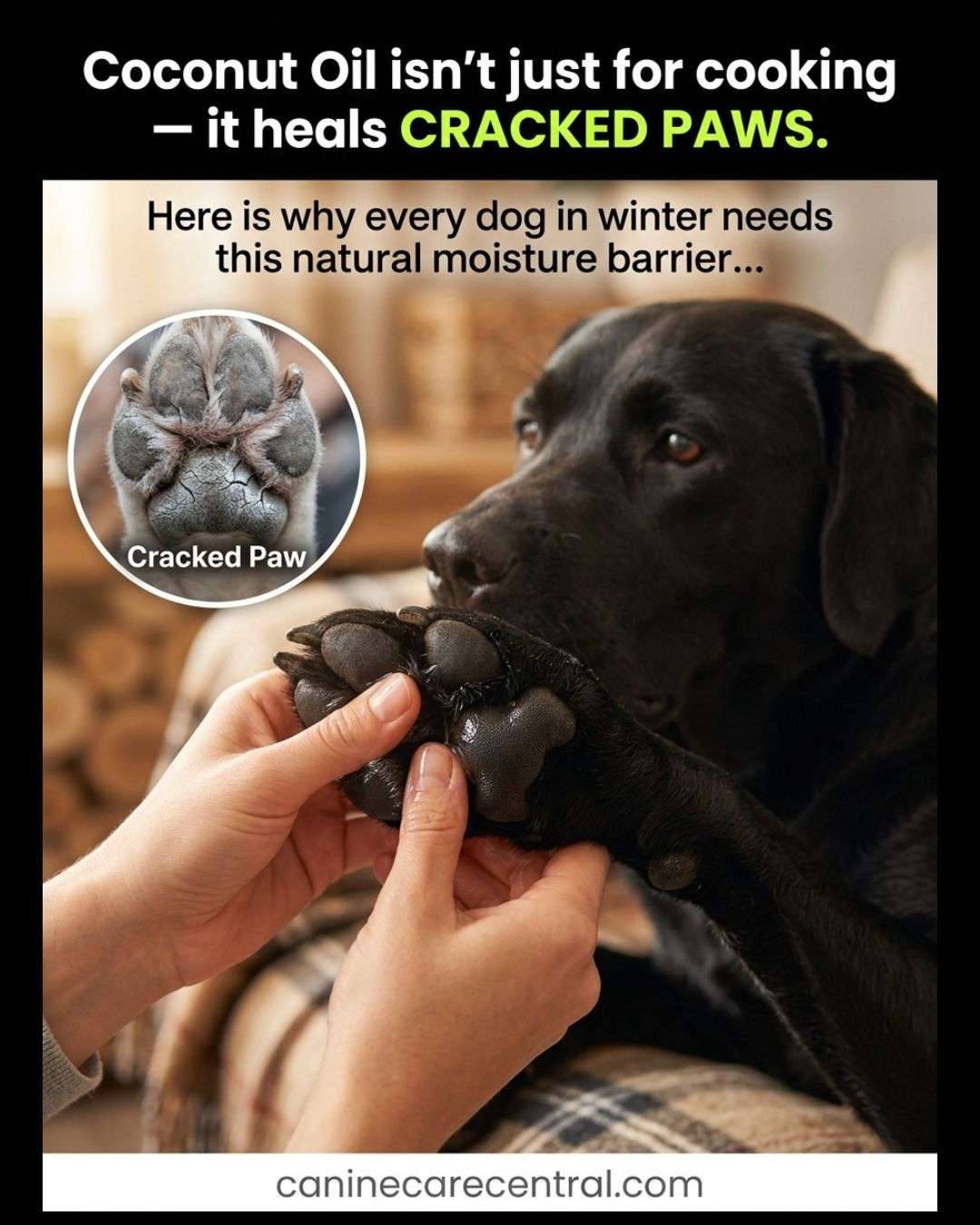
Coconut oil contains natural fats that can help soften dry paw pads and improve moisture retention. Many owners use it to support paw comfort during periods of dryness or environmental stress.
While coconut oil can help moisturize the surface of the paw pad, it is not a cure for infections, severe injuries, allergies, or underlying medical conditions.
Source: pawmaw.com
Dry Paw Relief
Helps soften rough and dry paw pads.
Protective Moisture
Supports the skin barrier by reducing moisture loss.
When Coconut Oil May Help
It is most useful for mild dryness, rough texture, and seasonal paw discomfort caused by environmental conditions.
Best Use
Routine paw moisturizing and maintenance.
How to Apply Coconut Oil to Dog Paws Step by Step
The most effective approach is to apply coconut oil after cleaning the paws. Dirt, road salt, and debris can interfere with absorption.
Use only enough oil to lightly coat the paw pads. A thin layer is generally easier to absorb and less likely to attract dirt.
Source: actonanimalhospital.com
Step 1
Wash or wipe the paws to remove debris.
Step 2
Dry the paws thoroughly with a clean towel.
Step 3
Massage a small amount of coconut oil into each paw pad.
Step 4
Keep your dog calm for several minutes while the oil absorbs.
Signs of Successful Application
The paw pads should feel moisturized but not greasy. Improvement in dryness may become noticeable after several applications.
Desired Result
Softer paw pads with reduced roughness.
When Is the Best Time to Apply Coconut Oil
Applying coconut oil after a walk allows you to clean the paws first and gives the oil time to absorb indoors.
Many owners prefer bedtime applications because dogs are often less active and less likely to immediately walk on outdoor surfaces.
Source: storage.googleapis.com
After Walks
Removes debris before moisturizing.
Before Bed
Provides more absorption time.
Situations That Increase Paw Dryness
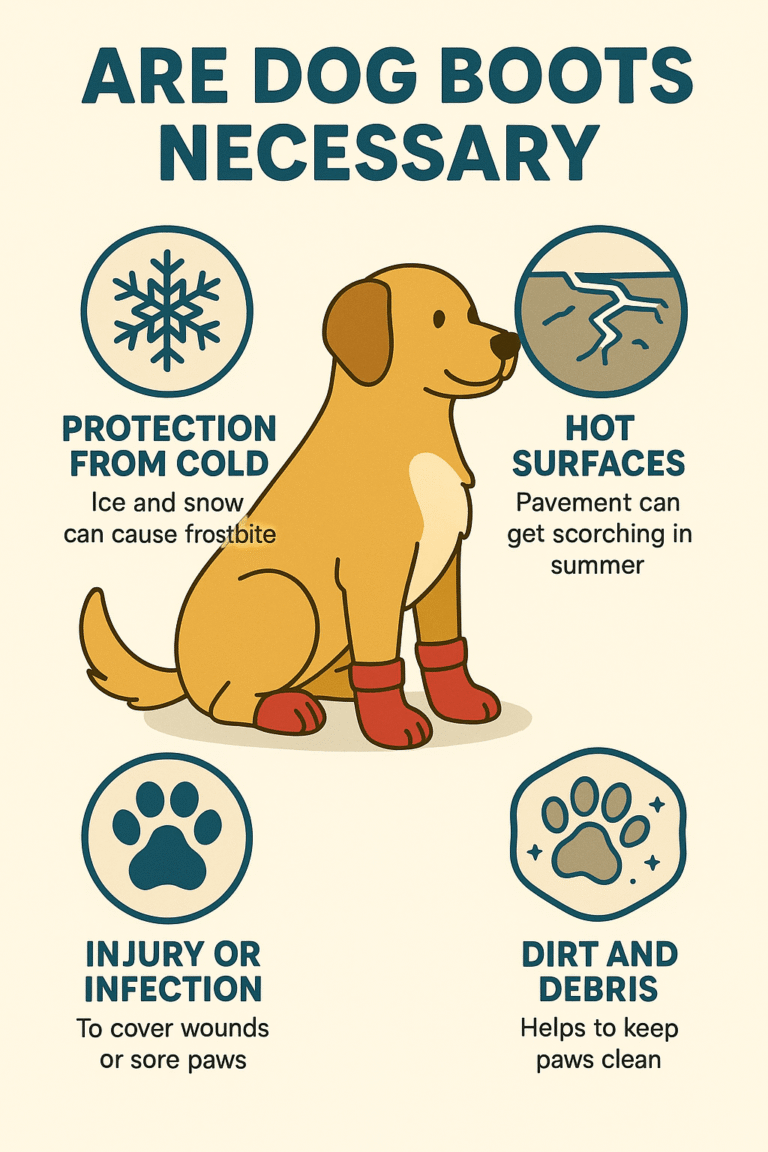
Winter salt, summer heat, dry climates, and frequent outdoor activity can contribute to rough paw pads.
Environmental Stress
Extreme weather often increases paw care needs.
Common Mistakes to Avoid
Using excessive amounts of coconut oil can leave paws slippery and attract dirt. More oil does not necessarily produce better results.
Applying coconut oil to open wounds, bleeding cracks, or infected skin may delay appropriate treatment and should not replace veterinary care.
Source: caninecarecentral.com
Too Much Product
Creates a greasy layer that collects debris.
Ignoring Symptoms
Persistent pain, swelling, or bleeding requires professional evaluation.
What if Your Dog Licks the Oil
Small amounts are commonly tolerated, but repeated licking may prevent the oil from remaining on the paw pads long enough to be useful.
Reduce Licking
Distract your dog briefly after application.
When Coconut Oil Is Not Enough
Some paw problems have underlying causes such as allergies, infections, burns, injuries, or autoimmune conditions. These situations require veterinary diagnosis and treatment.
If dryness persists despite regular moisturizing, or if the paw pads become painful, swollen, or discolored, consult a veterinarian.
Source: animalia-life.club
Seek Veterinary Care
For bleeding, infection, severe cracking, or ongoing pain.
Monitor Changes
Watch for worsening symptoms despite treatment.
Warning Signs
Limping, redness, discharge, swelling, and deep cracks should not be treated solely with home remedies.
Urgent Attention
Severe symptoms warrant prompt professional care.
Frequently Asked Questions
Q
Can I put coconut oil on my dog’s paws every day?
Yes, many dogs can tolerate daily application when their paws are dry. Use a thin layer and monitor for irritation or excessive licking.
Q
How long should coconut oil stay on dog paws?
Allow the oil to absorb naturally. Keeping your dog calm for several minutes after application can improve results.
Q
Should I wash coconut oil off my dog’s paws?
In most cases, no. A light application can remain on the paw pads and absorb over time.
Q
Can coconut oil heal cracked dog paws?
It may help moisturize mild dryness and surface cracks, but severe cracking, bleeding, or infection requires veterinary attention.
Q
What type of coconut oil is best for dogs?
Many owners prefer plain, unflavored coconut oil without added ingredients, fragrances, or sweeteners.
✦ Wrapping Up
Conclusion
Learning how to apply coconut oil to dog paws correctly can help keep paw pads softer and more comfortable. The key is to clean the paws first, use a small amount, and allow time for absorption.
Coconut oil works best as part of a broader paw care routine that includes regular inspections, cleaning, and protection from harsh environmental conditions.
💡 Key Takeaway
Clean and dry your dog’s paws, apply a thin layer of coconut oil, and monitor the paw pads regularly for improvement or signs that veterinary care is needed.
Learn how to moisturize dog paws safely with paw balms, natural moisturizers, and daily care tips. Discover how to prevent dry, cracked paw pads and keep your dog’s feet healthy.
Learn how to groom a Chinese Crested dog with step-by-step instructions, skin care tips, bathing schedules, coat maintenance advice, and grooming mistakes to avoid.
Learn how to use paw balm for dogs correctly. Discover when to apply it, how much to use, common mistakes, safety tips, and ways to keep your dog’s paw pads healthy year-round.