Protect dog paws by avoiding peak heat, testing pavement temperatures, and using protective gear when needed.
Across the United States, summer temperatures can cause asphalt, concrete, and other outdoor surfaces to become much hotter than the surrounding air. A sidewalk that feels warm to a person may become uncomfortable or even dangerous for a dog’s paw pads.
Understanding how to protect dog paws from hot pavement helps reduce the risk of burns, pain, and long-term paw damage. The safest approach combines smart walk timing, surface awareness, paw protection products, and regular paw inspections.
Source: storage.googleapis.com
Why Hot Pavement Can Harm Dog Paws
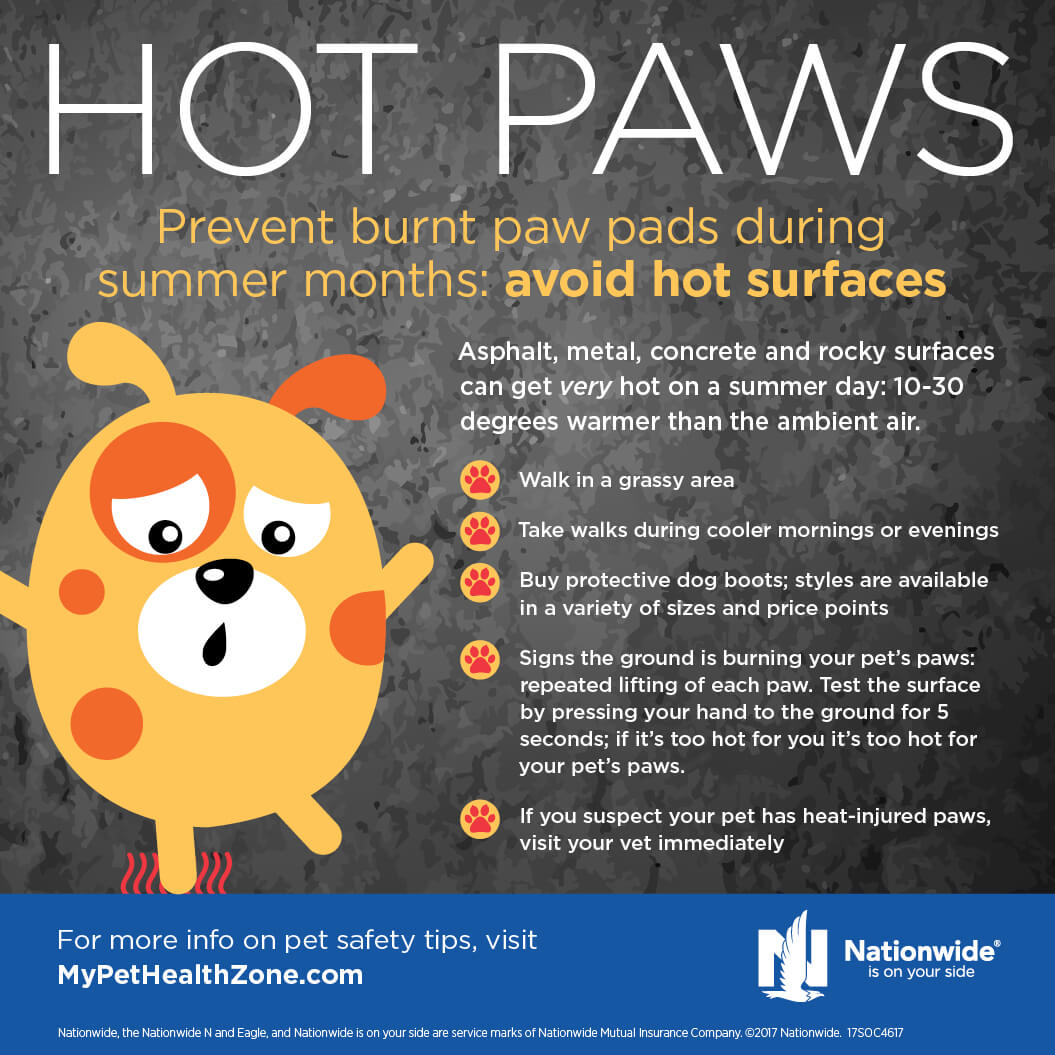
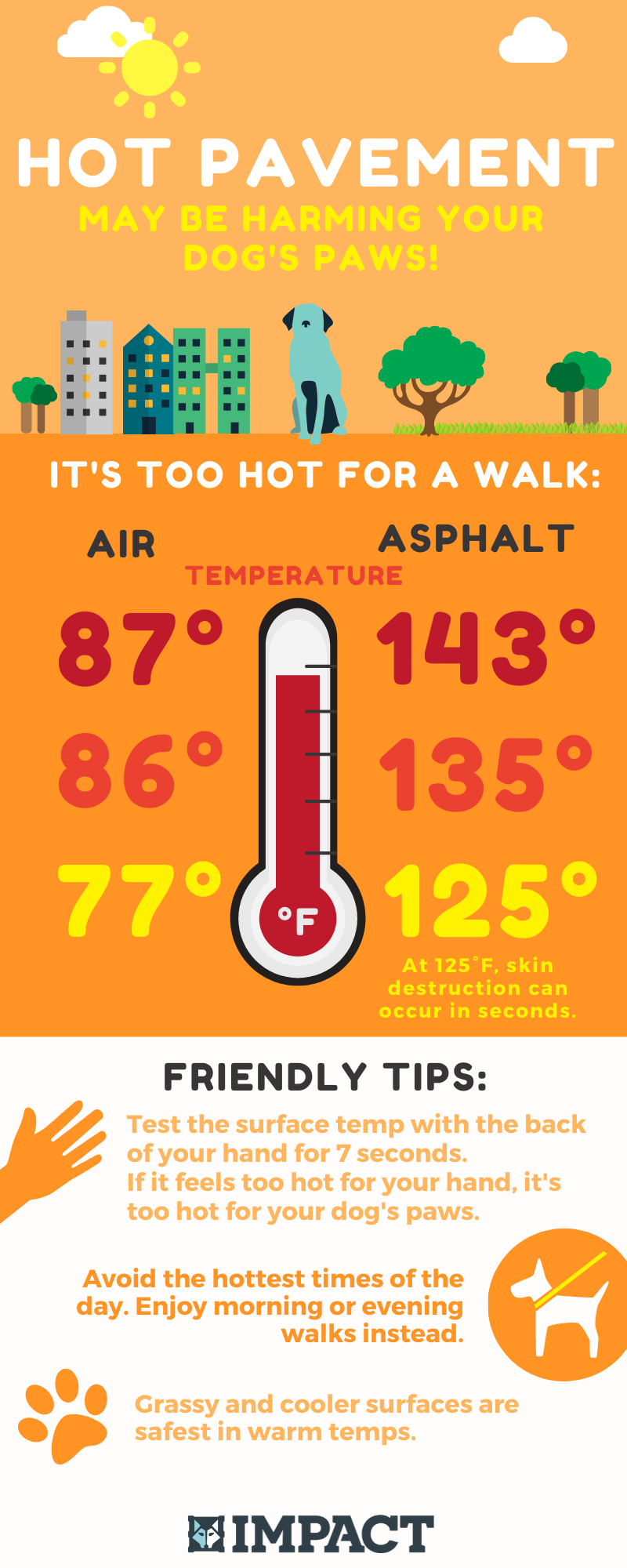
Dog paw pads are durable, but they are not immune to extreme heat. Asphalt and concrete absorb sunlight throughout the day and can reach temperatures significantly higher than the air temperature.
When a dog walks on overheated pavement, the paw pads may experience discomfort, blistering, or burns. Repeated exposure can also dry out the pads and increase the risk of cracking.
Source: storage.googleapis.com
Burn Risk
Hot pavement can damage paw tissue and cause painful burns.
Cracking
Heat exposure may dry paw pads and contribute to cracking.
Painful Walking
Overheated surfaces can make walking uncomfortable and stressful.
Signs That Pavement Is Too Hot
Dogs may hesitate, lift their feet repeatedly, seek shade, limp, or refuse to continue walking when surfaces become too hot.
Lifting Paws
Frequently raising feet can indicate discomfort.
Seeking Grass
Dogs often move toward cooler surfaces when pavement is painful.
How to Check Pavement Temperature Before a Walk
One of the simplest ways to prevent paw injuries is checking the surface before your dog steps on it. Pavement temperatures can vary dramatically depending on sunlight, shade, and surface material.
Testing the ground takes only a few seconds and can help prevent a painful experience for your dog.
Source: animalia-life.club
Seven-Second Test
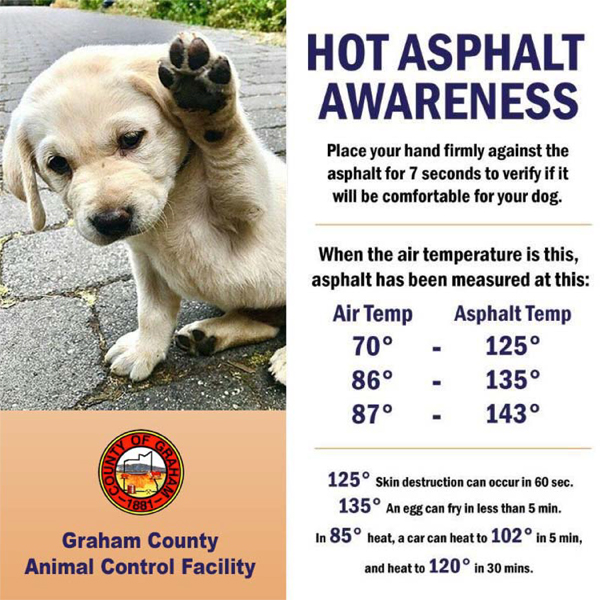
Place the back of your hand on the pavement for seven seconds. If it feels too hot to hold comfortably, it is likely too hot for your dog.
Check Multiple Areas
Test both sunny and shaded sections because temperatures may differ.
Surfaces That Heat Up Fastest
Dark asphalt typically absorbs more heat than grass, dirt, or shaded concrete. Parking lots and roadways are often among the hottest walking surfaces during summer.
Asphalt
Usually the hottest common walking surface.
Grass
Generally remains cooler and safer.
Best Ways to Protect Dog Paws From Hot Pavement
The most effective strategy combines avoidance, protective equipment, and routine paw care. No single method works in every situation.
Selecting the right protection depends on your dog’s activity level, local climate, and walking environment.
Source: alibaba.com
Walk Early or Late
Schedule walks during cooler parts of the day.
Use Shaded Routes
Trees and buildings can reduce surface temperatures.
Stay on Cooler Surfaces
Choose grass or dirt whenever possible.
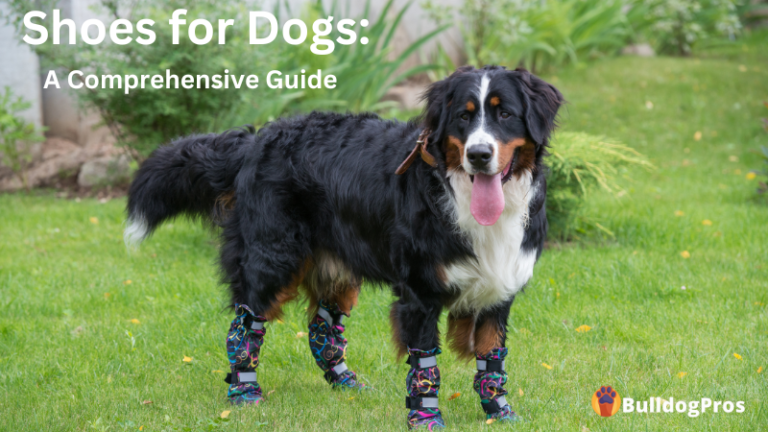
Using Dog Boots
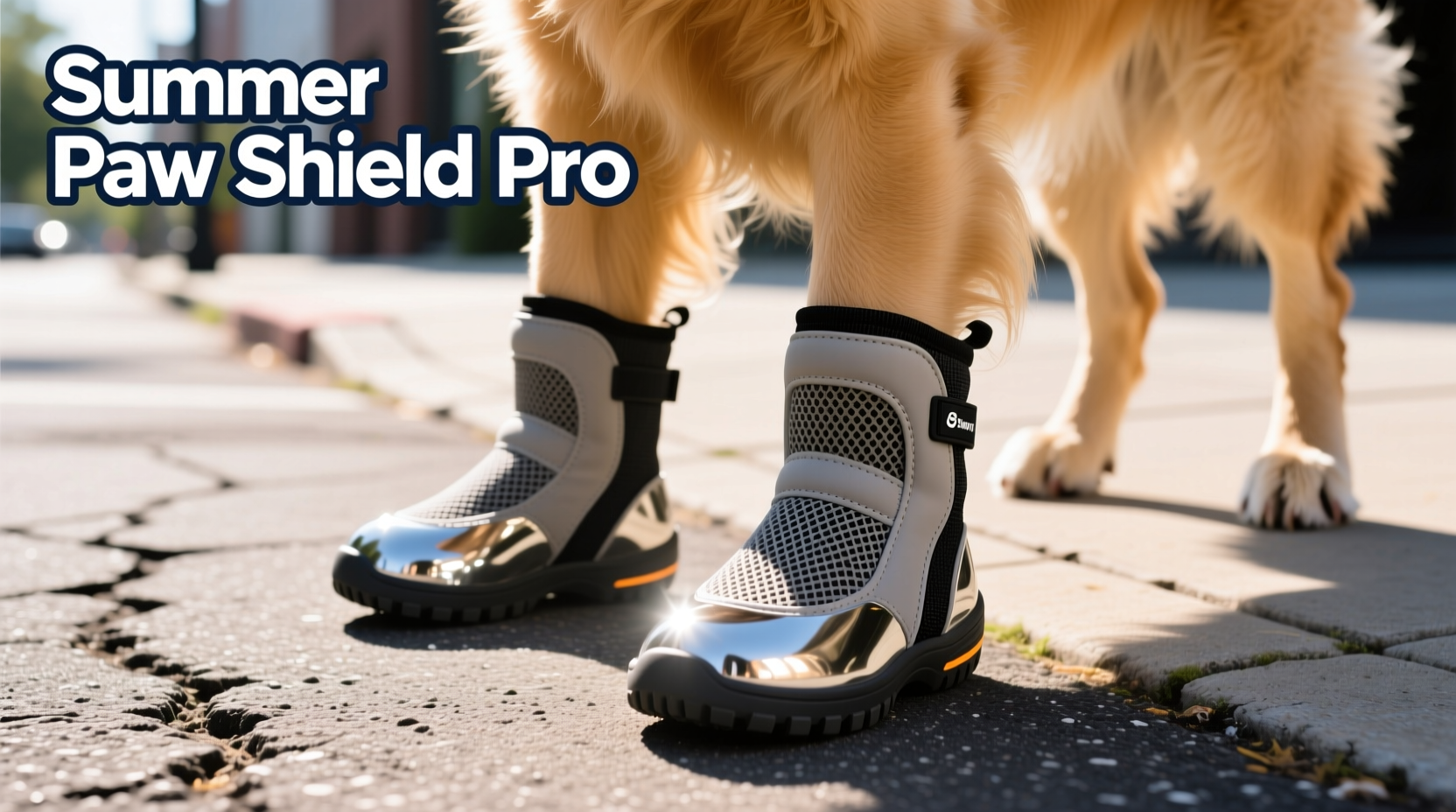
Dog boots create a protective barrier between paw pads and hot surfaces. Properly fitted boots can be especially helpful for long walks or outdoor events during hot weather.
Proper Fit
Boots should stay secure without restricting circulation.
Breathable Design
Choose boots designed for warm-weather use.
Can Paw Balm Help Prevent Heat Damage
Paw balms can moisturize and condition paw pads, helping maintain healthy skin. They may reduce dryness and minor cracking associated with environmental exposure.
However, paw balm should not be considered a replacement for avoiding dangerously hot surfaces. It works best as part of a broader paw-care routine.
Source: es.pinterest.com
Moisturizes Pads
Helps maintain healthy skin and flexibility.
Supports Recovery
May help soothe minor dryness after walks.
When to Apply Paw Balm
Many owners apply paw balm before bedtime or after walks so the product can absorb while the dog rests.
Clean Paws First
Remove dirt and debris before application.
What to Do If Your Dog Burns Its Paws
If you suspect a paw burn, move your dog to a cool surface immediately. Avoid forcing further walking on injured paws.
Minor irritation may improve with rest, but significant burns require veterinary attention. Open wounds, blisters, severe redness, or persistent limping should be evaluated by a veterinarian.
Source: animalia-life.club
Move to Shade
Remove the dog from the hot surface immediately.
Cool the Paws
Use cool water, not ice, to reduce heat exposure.
Contact a Veterinarian
Seek professional care for serious injuries.
Signs of Paw Burns
Burned paw pads may appear red, swollen, blistered, or unusually sensitive to touch.
Blisters
Often indicate more significant tissue damage.
Limping
A common sign that the paws are painful.
Summer Paw Protection Checklist
Creating a simple routine can greatly reduce the risk of hot pavement injuries. Consistency is often more effective than relying on a single product or technique.
Review this checklist before outdoor activities during warm weather.
Source: lifetimepetfood.ca
Check Pavement
Perform a temperature test before walking.
Carry Water
Keep your dog hydrated during outings.
Inspect Paws
Look for redness, cracks, or injuries after walks.
Choose Shade
Whenever possible, stay on cooler shaded routes.
Signs of Successful Paw Protection
Healthy paws remain free from redness, burns, cracks, and excessive sensitivity after outdoor activities.
Comfortable Walking
Your dog walks normally without hesitation.
Frequently Asked Questions
Q
How hot is too hot for dogs to walk on pavement?
If the pavement feels too hot to comfortably hold the back of your hand on for seven seconds, it is generally too hot for your dog’s paws.
Q
Do dog boots really protect paws from hot pavement?
Yes. Properly fitted dog boots can create a protective barrier that helps reduce contact with hot surfaces.
Q
Can dogs get second-degree burns from pavement?
Severe exposure to extremely hot pavement can cause significant paw injuries, including blistering and deeper tissue damage that requires veterinary care.
Q
Is grass always safer than pavement?
Grass is often cooler than asphalt or concrete, but it can still become warm in direct sunlight. Checking surface temperatures remains important.
Q
Should I use paw balm before every walk?
Paw balm can help maintain healthy paw pads, but it should complement, not replace, proper heat avoidance and surface management.
✦ Wrapping Up
Conclusion
Learning how to protect dog paws from hot pavement is an important part of responsible summer dog care. Simple habits such as checking pavement temperatures, walking during cooler hours, and choosing safer surfaces can significantly reduce the risk of injury.
Protective boots, paw care products, and regular inspections provide additional support when temperatures rise. Combining these strategies helps keep your dog comfortable and active throughout the warmer months.
💡 Key Takeaway
Before every summer walk, test the pavement, choose the coolest available route, and inspect your dog’s paws afterward for signs of heat-related damage.
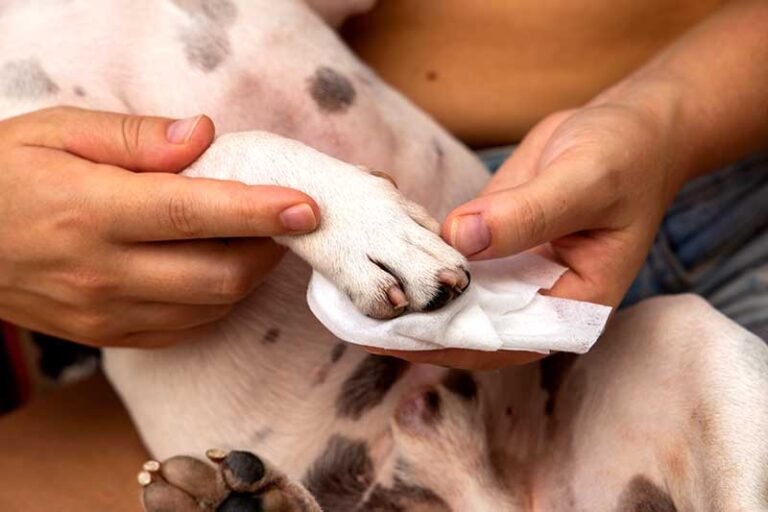
Learn how to clean white dog paws safely and effectively. Remove dirt, grass stains, mud, and discoloration while keeping your dog’s paws healthy and bright.
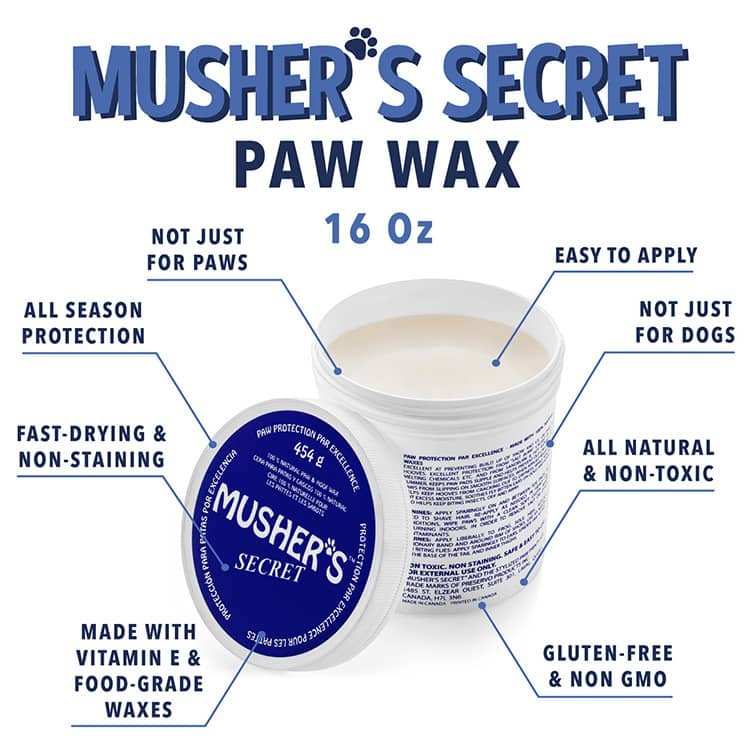
Learn how to apply Mushers Secret to dogs paws correctly. Follow step-by-step instructions, safety tips, troubleshooting advice, and best practices for year-round paw protection.
Learn how to clean stained dog paws safely using simple at-home methods. Remove dirt, saliva, grass, and environmental stains while protecting your dog’s paw health.
Learn how to apply coconut oil to dog paws with step-by-step instructions, safety tips, benefits, common mistakes, and signs that your dog’s paw pads need extra care.