A mild hot spot on a dog’s paw should be kept clean and dry, protected from licking and chewing, and monitored closely. Because paw lesions can also be caused by foreign bodies, burns, allergies, parasites, or deeper infections, a veterinarian should examine painful, spreading, recurrent, or nonhealing sores.
For dog owners in the United States, a hot spot on a paw is generally a localized area of acute moist dermatitis, also called pyotraumatic dermatitis. It can develop quickly after repeated licking, chewing, or scratching damages already irritated skin. The resulting lesion may become red, moist, painful, swollen, and sometimes infected.
Paw hot spots deserve extra caution because the feet are exposed to moisture, outdoor surfaces, allergens, chemicals, and small foreign objects. Veterinary sources also note that feet can be prone to bacterial overgrowth when the skin remains warm or moist. Treating the visible sore without addressing the reason the dog is licking or chewing can allow the problem to return.
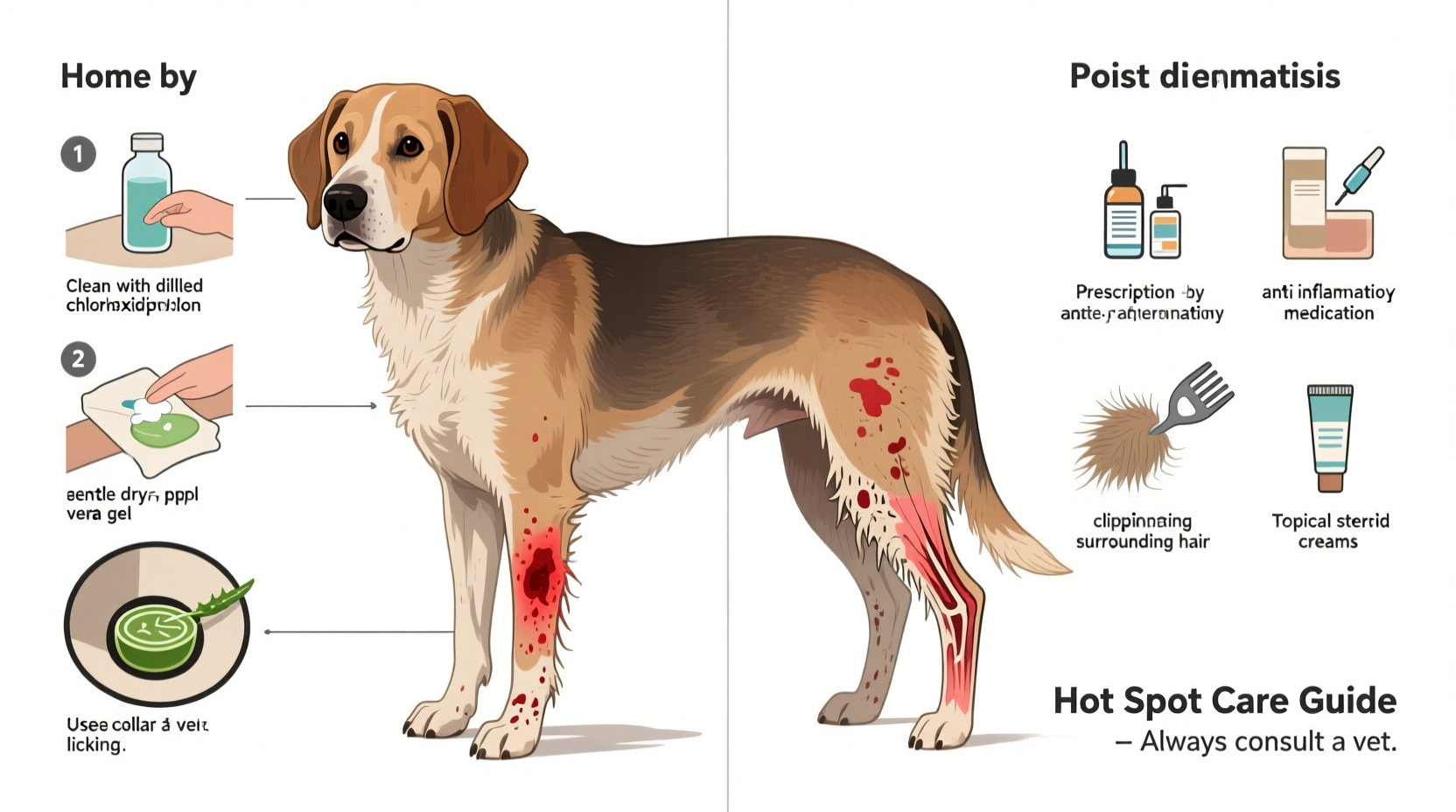
Source: pawspace.in
What Is a Hot Spot on a Dog’s Paw?
A hot spot is a rapidly developing area of inflamed, damaged, and often moist skin. In veterinary medicine, the condition is commonly called acute moist dermatitis or pyotraumatic dermatitis. Dogs often create the lesion themselves by repeatedly licking, chewing, scratching, or rubbing an already itchy or irritated area.
Hot spots can appear anywhere on a dog, including the legs and feet. A paw lesion may be particularly difficult to manage because the dog can continue licking it throughout the day and the area can repeatedly become wet. Secondary bacterial infection can also occur.
The term hot spot describes a pattern of skin inflammation rather than a single underlying disease. Allergies, flea exposure, insect bites, parasites, moisture, trauma, and other sources of irritation may start the itch that leads to self-trauma.
Source: alibaba.com
Typical appearance
The affected skin may look bright red, raw, moist, swollen, crusted, or irritated. Hair around the lesion may become wet or matted.
Typical behavior
A dog may repeatedly lick, chew, nibble, or scratch the affected paw and may be reluctant to have the foot handled.
Why it can worsen quickly
Licking and chewing damage the skin further, increasing inflammation and creating a cycle of irritation and self-trauma.
A Paw Hot Spot Is Not the Same as Every Red Paw Sore
Redness between the toes or around the paw pads can have several causes. A grass awn or other foreign material, contact irritation, an interdigital infection, an allergy, a burn, a torn nail, or another form of pododermatitis can resemble a hot spot. If the lesion is centered between the toes, forms a lump, causes significant limping, or repeatedly returns, a veterinary examination is especially useful.
Look for a trigger
Consider recent outdoor activity, wet conditions, grooming, a new product, insect exposure, or an event that preceded the licking.
Check the whole paw
Inspect the pads, between the toes, nails, and surrounding skin rather than focusing only on the visible red area.
How to Treat a Hot Spot on a Dog’s Paw at Home
Home care is most appropriate for a small, superficial lesion when the dog otherwise seems well and there are no signs of a deeper paw problem. The goal is to interrupt the licking cycle, gently clean the affected skin, reduce moisture and contamination, and watch for improvement.
Do not assume that every paw lesion is safe to manage at home. If you cannot tell whether the skin is merely irritated or whether there is a foreign body, burn, abscess, deep infection, or significant wound, veterinary assessment is safer.
Source: blog.wagglemail.com
1. Prevent licking and chewing
Use a properly fitted Elizabethan collar or another veterinarian-approved barrier so the dog cannot continually traumatize the lesion. Stopping self-trauma is one of the most important parts of treatment.
2. Gently clean the area
For a superficial lesion, gently rinse or cleanse the affected skin with a veterinary-appropriate cleansing solution recommended for dogs. Avoid vigorous scrubbing because irritated skin can be easily damaged.
3. Dry the paw carefully
Pat the area dry with a clean towel or gauze. Avoid leaving the lesion damp, because persistent moisture can encourage microbial overgrowth and delay recovery.
4. Keep the dog away from irritants
Temporarily reduce exposure to muddy, wet, or irritating surfaces while the skin heals. After outdoor walks, check and dry the paws.
5. Monitor the lesion
Check the area regularly for changes in redness, swelling, discharge, odor, pain, size, and your dog’s willingness to bear weight.
Should You Use Chlorhexidine on a Dog’s Paw Hot Spot?
Veterinary dermatology commonly uses topical antimicrobial therapy for appropriate superficial bacterial or microbial skin problems, and chlorhexidine is one ingredient used in veterinary products. However, the appropriate formulation and frequency depend on the diagnosis, location, and condition of the skin. Use a product labeled for dogs and follow veterinary or product directions rather than improvising a concentration.
If the skin is severely ulcerated, painful, or the lesion extends deeply between the toes, professional evaluation is preferable to repeated home application of topical products.
Use veterinary products appropriately
Choose products intended for dogs and follow their label or veterinary instructions.
Watch for irritation
Stop and contact a veterinarian if a topical product appears to increase redness, discomfort, swelling, or other irritation.
What Not to Put on a Dog’s Paw Hot Spot
Avoid experimenting with household chemicals or human skin medicines. Products that are irritating when applied to damaged skin can worsen inflammation, and some human medications can be unsafe if a dog licks them.
Avoid hydrogen peroxide
Repeated use on damaged tissue can irritate skin and interfere with normal healing.
Avoid rubbing alcohol
Alcohol can be painful on inflamed or open skin and may increase irritation.
Avoid human creams without veterinary advice
A topical medication may be inappropriate for the actual cause of the lesion or unsafe if swallowed during licking.
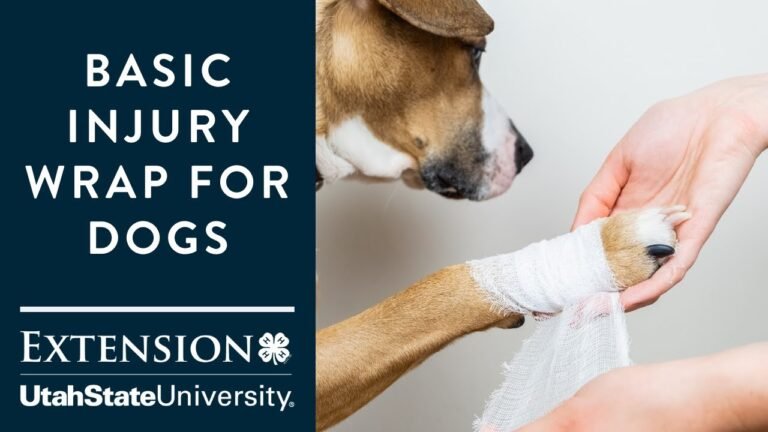
Do not tightly bandage an unexplained paw lesion
A poorly applied or wet bandage can trap moisture, restrict circulation, or conceal worsening infection.
When a Veterinarian Should Treat the Hot Spot
Veterinary care is warranted when a paw hot spot is painful, spreading, recurrent, deep, or associated with limping or other signs of illness. A veterinarian can determine whether the lesion is actually a hot spot and investigate the trigger behind the inflammation.
Veterinary dermatology guidance emphasizes that many skin diseases look similar. Depending on the examination, a veterinarian may use skin cytology, skin scrapings, cultures, or other diagnostic tests to distinguish bacterial infection, yeast, parasites, allergies, and other conditions.
Source: ar.inspiredpencil.com
The lesion is rapidly enlarging
Rapid progression can indicate ongoing self-trauma or a significant inflammatory or infectious process.
There is substantial discharge or odor
Pus, persistent wet discharge, or a strong unpleasant odor can indicate infection or a more complicated lesion.
Your dog is limping
Lameness raises concern for pain involving deeper tissues, the pads, nails, joints, or a foreign object.
The paw is markedly swollen
Significant swelling can occur with infection, trauma, foreign bodies, or other conditions that need examination.
The sore keeps returning
Recurring lesions require investigation for allergies, parasites, chronic licking, anatomical problems, or other underlying triggers.
There is no clear improvement
Failure to improve despite preventing licking and providing appropriate basic care is a reason to have the diagnosis reassessed.
What a Veterinarian May Do
Treatment depends on the cause and severity. A veterinarian may clip surrounding hair when appropriate, cleanse the lesion, provide topical antimicrobial treatment, control itching or inflammation, treat parasites or allergies, and prescribe systemic medication when indicated. Antibiotics are not automatically appropriate for every red or irritated paw; the need for antimicrobial treatment depends on the type and extent of infection.
If a foreign body, burn, deep infection, interdigital lesion, or another paw disorder is suspected, the treatment plan will focus on that specific problem rather than treating the area as a simple hot spot.
Diagnosis comes before long-term treatment
Repeated hot spots can be a sign of an unresolved underlying skin or allergy problem.
Medication should match the cause
Antimicrobials, antipruritic medications, antiparasitic treatment, and other therapies have different indications and should not be substituted for one another.
Common Causes of Hot Spots on a Dog’s Paw
A hot spot usually develops because something makes the dog itch, hurt, or feel irritated enough to lick or chew. Identifying that initiating problem is essential because cleaning the lesion alone does not prevent recurrence.
Allergies and parasites are important possibilities, but local trauma and environmental irritation can also start the cycle. Dogs with flea allergy dermatitis, for example, can develop self-trauma and secondary skin infection after flea exposure.
Source: www.pinterest.com
Allergies
Environmental or food-related allergies can cause persistent itching and paw licking. A veterinarian may need to investigate the pattern and history rather than assuming a particular allergy.
Fleas and other parasites
Flea bites and some mites can trigger intense itching and self-trauma. Effective parasite control is part of treatment when parasites are involved.
Moisture
Wet fur and skin can promote microbial overgrowth and make irritated areas harder to keep healthy.
Foreign material
Grass awns, splinters, burrs, or other foreign objects can cause localized irritation and persistent licking.
Trauma or irritation
A minor abrasion, rough surface, chemical irritant, or other injury can initiate the licking cycle.
Secondary infection
Bacterial or yeast overgrowth can develop alongside an underlying inflammatory skin problem and may require targeted veterinary treatment.
Why Paw Hot Spots Can Keep Coming Back
Recurrence usually means the initiating problem has not been adequately controlled. A dog may appear better after the surface lesion heals while an allergy, parasite exposure, chronic licking habit, or another trigger remains. Veterinary evaluation is particularly useful when lesions repeatedly return in the same season or affect multiple paws.
Track patterns
Record when the licking begins, which paws are affected, outdoor exposures, flea prevention, bathing or grooming changes, and whether the problem is seasonal.
Treat the cause
Long-term control is more reliable when the underlying trigger and the secondary skin problem are addressed together.
How to Prevent Future Hot Spots on the Paws
Prevention starts with controlling whatever causes the dog to lick or chew. Keeping paws reasonably clean and dry after outdoor activity can also reduce prolonged exposure to moisture and irritants.
Dogs with recurrent skin disease may need a veterinary prevention plan that addresses allergies, parasites, microbial overgrowth, grooming, or other contributing factors. Routine care should be tailored to the dog’s skin condition rather than using multiple products unnecessarily.
Source: homemade.ftempo.com
Maintain effective parasite prevention
Use a veterinarian-recommended flea and parasite control program when appropriate for your dog’s risk and medical history.
Dry wet paws
After swimming, bathing, rain, or wet outdoor activity, gently dry the paws and the spaces between the toes.
Inspect after walks
Check the pads, nails, and spaces between the toes for burrs, grass material, cuts, swelling, or unusual debris.
Address persistent licking
Do not treat chronic paw licking as a harmless habit. Persistent licking can signal allergy, pain, infection, parasites, or another medical problem.
Follow the veterinary plan
If a dog has diagnosed allergies or recurrent skin infections, consistent preventive treatment can reduce the chance of repeated flares.
Hot Spot vs. Other Dog Paw Problems
The appearance of a red or irritated paw does not establish the diagnosis. Comparing the pattern of symptoms can help a dog owner decide whether basic monitoring is reasonable or whether veterinary evaluation should be prioritized.
Source: www.youtube.com > Native Pet
Hot spot
Often develops rapidly after licking, chewing, or scratching and may be moist, red, painful, and irritated.
Foreign body
May cause sudden, localized licking, pain, swelling, or lameness, particularly when the problem is concentrated between the toes.
Burn or pad injury
May follow contact with hot, rough, or irritating surfaces and can involve the paw pads rather than only the surrounding skin.
Allergic paw inflammation
Often causes recurrent licking or chewing and may affect more than one paw.
Bacterial or yeast infection
May cause redness, odor, discharge, swelling, itching, or recurring inflammation and may require targeted veterinary treatment.
A Simple Decision Guide for Dog Owners
If the lesion is small and superficial, your dog is otherwise acting normally, and there is no significant swelling, discharge, severe pain, or lameness, gentle cleaning, drying, prevention of licking, and close monitoring may be reasonable while arranging veterinary advice if it does not improve.
If the paw is very painful, swollen, bleeding substantially, producing pus, foul-smelling, deeply damaged, or causing the dog to avoid bearing weight, do not rely on home treatment alone. A veterinarian should examine the paw.
Mild and localized
Protect from licking, gently clean, keep dry, and monitor closely.
Uncertain diagnosis
Arrange a veterinary examination rather than repeatedly applying different home remedies.
Severe or worsening
Seek prompt veterinary care, especially when pain, swelling, discharge, or lameness is present.
Common Mistakes When Treating a Dog Paw Hot Spot
The most common treatment mistakes involve focusing on the visible sore while allowing the underlying trigger or licking cycle to continue. Another frequent problem is applying irritating or inappropriate products to already damaged skin.
More treatment is not necessarily better. Veterinary dermatology guidance emphasizes appropriate topical therapy, careful administration, and monitoring for irritation. Products should be used according to their intended veterinary use rather than combined indiscriminately.
Source: pawspace.in
Letting the dog keep licking
Continued self-trauma can prevent the skin from healing even when the lesion is being cleaned.
Keeping the paw constantly damp
Moisture can make the local skin environment more favorable to microbial overgrowth.
Using several remedies at once
Multiple products can irritate the skin and make it difficult to determine what is helping or causing a reaction.
Assuming every lesion is a hot spot
A foreign body, burn, interdigital infection, allergy, or deeper condition can require a different treatment approach.
Using human medication without veterinary advice
Human medicines and topical products are not automatically safe for dogs, particularly when the dog can lick the treated area.
Frequently Asked Questions
Q
Can I treat a small hot spot on my dog’s paw at home?
A small, superficial lesion may sometimes be managed initially with gentle cleansing, careful drying, and strict prevention of licking. However, paw lesions can have causes other than hot spots. If the diagnosis is uncertain, the lesion worsens, or the dog develops pain, swelling, discharge, odor, or lameness, veterinary care is appropriate.
Q
How can I stop my dog from licking a hot spot on the paw?
An appropriately fitted Elizabethan collar is commonly used to prevent licking and chewing. A physical barrier can be more reliable than trying to repeatedly interrupt the behavior because even short periods of chewing can continue the self-trauma cycle.
Q
Can a hot spot on a dog’s paw be caused by allergies?
Yes. Allergic skin disease can cause itching and paw licking, which may lead to self-trauma and secondary infection. Flea allergy is another important possibility. Recurrent paw problems should be evaluated for underlying causes rather than treated only as isolated sores.
Q
Should I put hydrogen peroxide on my dog’s hot spot?
Hydrogen peroxide is not a good routine choice for cleaning damaged skin because it can irritate tissue and interfere with healing. Use a veterinary-appropriate cleansing product instead, following its directions or your veterinarian’s advice.
Q
How do I know if my dog’s paw hot spot needs a veterinarian?
Arrange veterinary care if the lesion is rapidly spreading, deeply damaged, very painful, significantly swollen, foul-smelling, producing substantial discharge, associated with limping, repeatedly returning, or failing to improve. Prompt examination is also appropriate when you suspect a foreign body, burn, or another injury rather than a simple hot spot.
✦ Wrapping Up
Conclusion
Treating a hot spot on a dog’s paw starts with stopping the licking and chewing that keeps the skin traumatized. For a mild superficial lesion, gentle cleansing, careful drying, protection from further self-trauma, and close monitoring can provide appropriate initial care.
The bigger priority is identifying why the dog developed the lesion. Allergies, fleas, parasites, moisture, trauma, foreign bodies, and bacterial or yeast overgrowth can all contribute to paw irritation. Because several paw disorders can look similar, worsening, painful, recurrent, or unexplained lesions should be assessed by a veterinarian.
💡 Key Takeaway
If your dog’s paw has a small, superficial hot spot, prevent licking, gently clean and dry the area, and monitor it closely. If there is significant pain, swelling, discharge, odor, lameness, rapid worsening, recurrence, or uncertainty about the cause, contact a veterinarian rather than relying on home remedies.
Learn how to treat a sprained dog paw with safe home care, activity restriction, cold therapy, warning signs, and guidance on when your dog needs a veterinarian.
Learn how to moisturize dog paws safely with paw balms, natural moisturizers, and daily care tips. Discover how to prevent dry, cracked paw pads and keep your dog’s feet healthy.
Learn how to treat sore dog paws between toes with safe home care, cleaning steps, paw protection tips, and guidance on when veterinary treatment is needed.
Learn how to clean dog paws with vinegar safely. Discover the right vinegar mixture, step-by-step cleaning instructions, benefits, risks, and paw care tips for dogs.