Clean the paw, reduce moisture, prevent licking, and monitor closely while seeking veterinary care for severe infections.
Across the United States, dogs commonly develop paw infections from allergies, cuts, foreign objects, bacteria, yeast, or excessive licking. Early treatment at home can help reduce discomfort and prevent minor problems from becoming more serious.
When learning how to treat dog paw infection at home, focus on gentle cleaning, keeping the paw dry, limiting irritation, and watching for signs that require veterinary attention. Home care is appropriate for mild cases, but deep wounds, severe swelling, pus, fever, or worsening symptoms need professional evaluation.
Source: storage.googleapis.com
What Does a Dog Paw Infection Look Like?
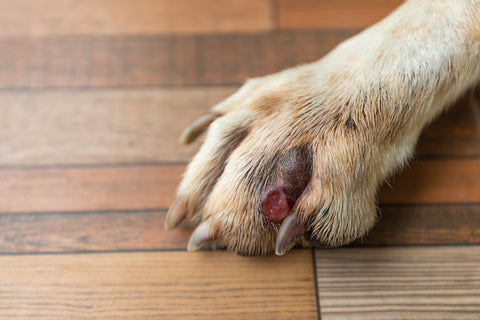
A paw infection can affect the paw pads, skin between the toes, nail beds, or surrounding tissue. Symptoms vary depending on the cause, but inflammation is usually present.
Recognizing the signs early improves the chances of successful home management and may help prevent complications.
Source: zumanutrition.com
Redness
The skin may appear pink, red, or irritated.
Swelling
One or more toes may look enlarged or puffy.
Odor
A strong smell can indicate bacterial or yeast overgrowth.
Licking
Persistent licking often signals pain, itching, or infection.
Common Causes
Common causes include allergies, cuts, punctures, grass seeds, burns from hot surfaces, fungal infections, bacterial infections, and chronic moisture trapped between the toes.
Environmental allergies
Can trigger itching and repeated licking.
Foreign objects
Small objects lodged in the paw can lead to infection.
How to Treat Dog Paw Infection at Home Step by Step
For mild infections without severe swelling, heavy discharge, or deep wounds, home care should focus on cleaning and protecting the affected area.
Always handle the paw gently and stop if your dog becomes distressed or painful.
Source: medikurin.com
Inspect the paw
Look for cuts, thorns, splinters, or trapped debris.
Wash gently
Use lukewarm water or a veterinarian-approved antiseptic rinse.
Dry completely
Moisture encourages bacterial and yeast growth.
Prevent licking
Use an e-collar if necessary.
Signs the Treatment Is Working
Redness gradually decreases, swelling improves, licking becomes less frequent, and your dog walks more comfortably over several days.
Less inflammation
The paw looks calmer and less irritated.
When Home Treatment Is Not Enough
Some paw infections require prescription medication, diagnostic testing, or wound management. Delaying treatment may allow the infection to spread deeper into the tissues.
Recurring infections often have an underlying cause such as allergies, immune conditions, or chronic skin disease.
Source: seniortailwaggers.com
Pus or discharge
May indicate a more serious bacterial infection.
Severe limping
Could signal significant pain or deeper injury.
Fever
Systemic illness requires veterinary attention.
Emergency Warning Signs
Seek prompt veterinary care if the paw is bleeding heavily, rapidly swelling, developing extensive tissue damage, or causing severe pain.
Rapid worsening
Symptoms become noticeably worse within a day.
Common Mistakes That Can Make a Paw Infection Worse
Many well-intentioned treatments can delay healing. Avoid applying products that are not intended for dogs unless specifically recommended by a veterinarian.
Keeping the paw constantly covered without proper airflow may trap moisture and encourage microbial growth.
Source: www.pinterest.com
Ignoring licking
Continued licking damages healing tissue.
Using harsh chemicals
Can irritate already inflamed skin.
Skipping cleaning
Dirt and debris may prolong infection.
Bandaging Considerations
Bandages should remain clean, dry, and not overly tight. Wet bandages should be changed promptly.
Check daily
Monitor for odor, moisture, or swelling.
How to Prevent Future Paw Infections
Prevention focuses on routine paw inspections, prompt cleaning, and managing conditions that cause excessive licking or skin irritation.
Dogs that frequently walk on rough, wet, or contaminated surfaces may benefit from more regular paw care.
Source: www.pinterest.com
Inspect paws regularly
Check between the toes after walks.
Keep nails trimmed
Proper nail care helps reduce injury risk.
Manage allergies
Controlling allergies may reduce recurring infections.
Dry paws after exposure
Remove moisture after rain, snow, or bathing.
Dogs at Higher Risk
Dogs with allergies, skin folds, immune disorders, or a history of chronic paw licking may require more frequent monitoring.
Allergy-prone dogs
Often experience repeated paw irritation.
Frequently Asked Questions
Q
Can a dog paw infection heal on its own?
Very mild irritation may improve if the underlying cause is removed. However, true infections often require cleaning, monitoring, and sometimes veterinary treatment.
Q
How long does a paw infection take to heal?
Minor infections may improve within several days, while more significant infections can take weeks. Healing time depends on the cause and whether licking is controlled.
Q
Can I soak my dog’s infected paw?
A veterinarian-approved soak may help remove debris and reduce contamination. Always dry the paw thoroughly afterward.
Q
Why does my dog’s paw smell bad?
A foul odor can result from bacterial growth, yeast overgrowth, trapped moisture, or infected wounds. Persistent odor should be evaluated if it does not improve.
Q
Should I cover an infected dog paw?
Temporary protection may help outdoors, but constant covering can trap moisture. The paw should remain clean, dry, and monitored closely.
✦ Wrapping Up
Conclusion
Understanding how to treat dog paw infection at home begins with identifying symptoms early, cleaning the affected area carefully, and preventing further irritation. Many mild cases improve when moisture, debris, and excessive licking are controlled.
Home care has limits. Severe swelling, pus, persistent pain, recurring infections, or signs of illness require veterinary evaluation to identify the underlying cause and provide appropriate treatment.
💡 Key Takeaway
Inspect the affected paw today, clean it gently, keep it dry, prevent licking, and contact a veterinarian if symptoms worsen or fail to improve.
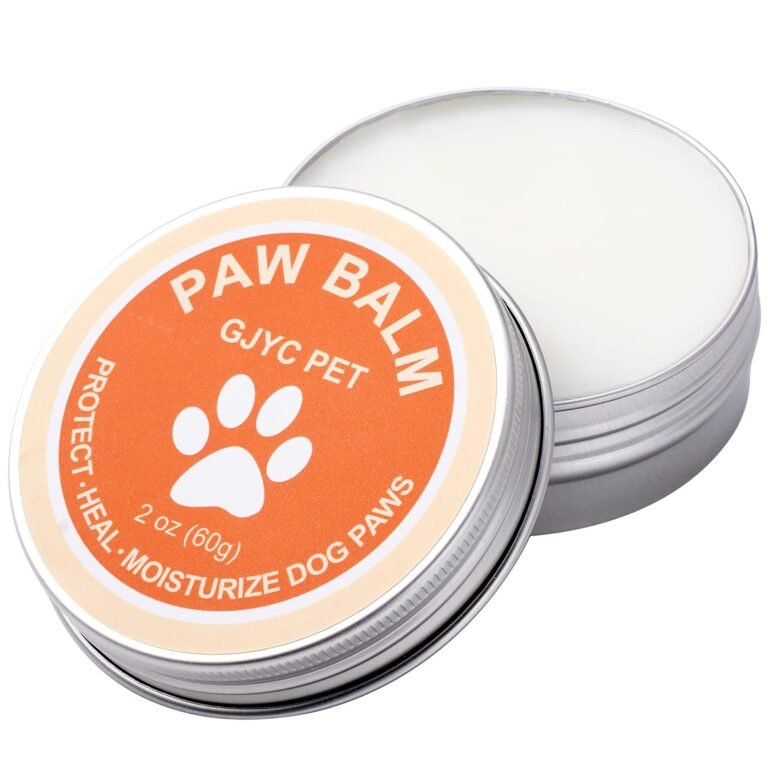
Learn how to moisturize dog paws naturally using safe ingredients, step-by-step care methods, prevention tips, and signs that your dog may need veterinary attention.
Learn how to stop my dog from chewing his paws with practical steps, common causes, home care tips, and guidance on when veterinary treatment is needed.
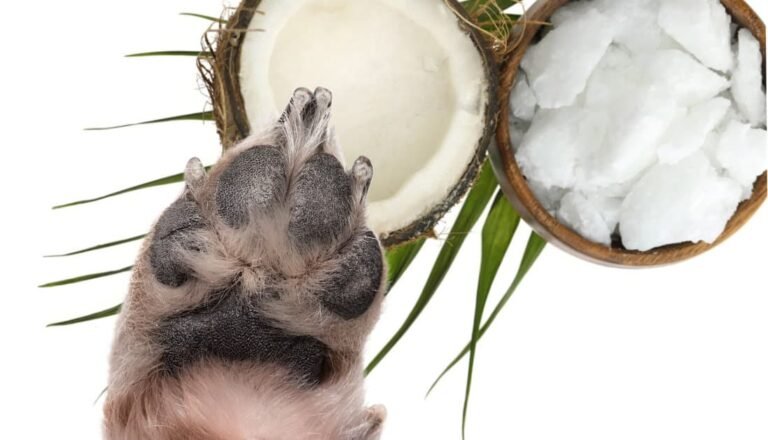
Learn how to apply coconut oil to dog paws with step-by-step instructions, safety tips, benefits, common mistakes, and signs that your dog’s paw pads need extra care.
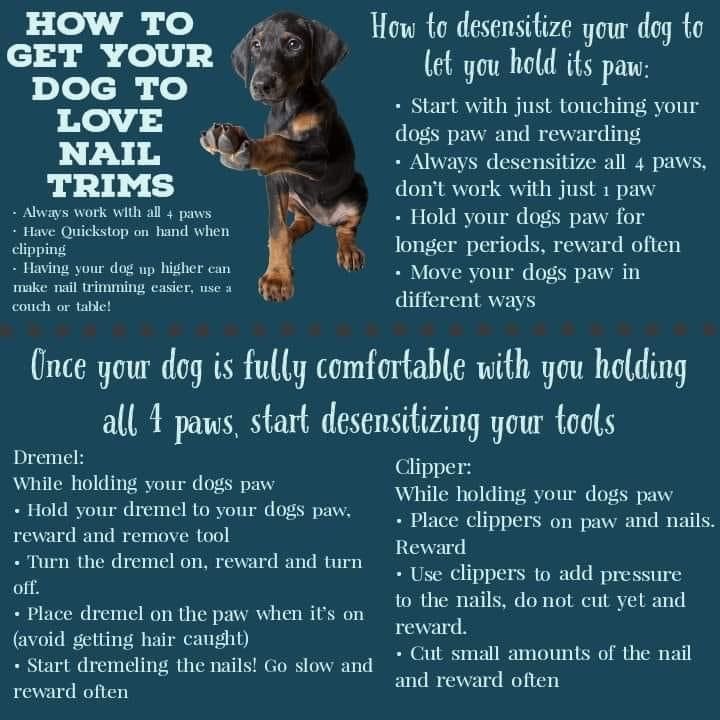
Learn how to desensitize dog paws using positive reinforcement, gradual handling, and proven training techniques. Make nail trims, grooming, and paw care easier and less stressful.
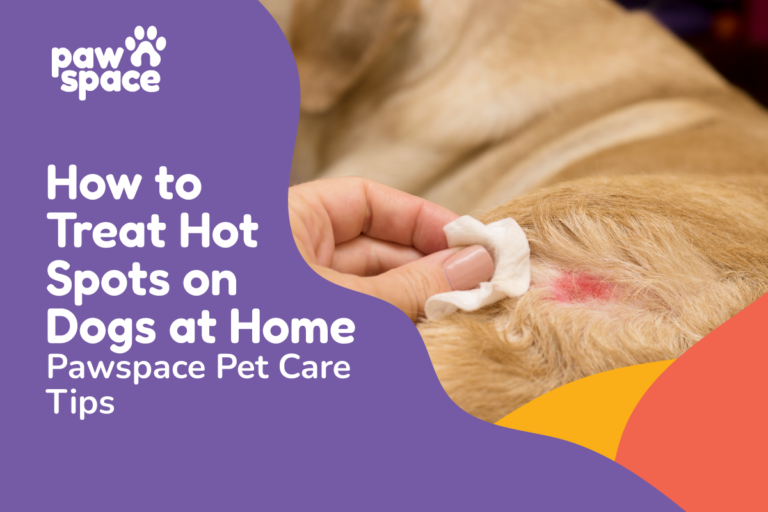
Learn how to treat a hot spot on a dog’s paw, including safe cleaning, preventing licking, possible causes, warning signs, and when veterinary care is needed.