How Often Should You Groom Your Cat: Complete Guide and Tips
Many people assume cats handle all grooming themselves. That is true only up to a point: a healthy cat can clean much of its own coat, but self-grooming does not remove every loose hair, prevent every mat, or replace nail, dental, and health checks.
If you are wondering how often should you groom your cat, the best answer depends mainly on coat length, texture, age, health, and tolerance for handling. A short-haired cat may need only brief weekly sessions, while a long-haired cat often needs daily attention.
I’ll explain practical grooming schedules for different cats, what each grooming task involves, how to recognize problems early, and when home care should give way to veterinary or professional grooming help.
How often should you groom your cat?
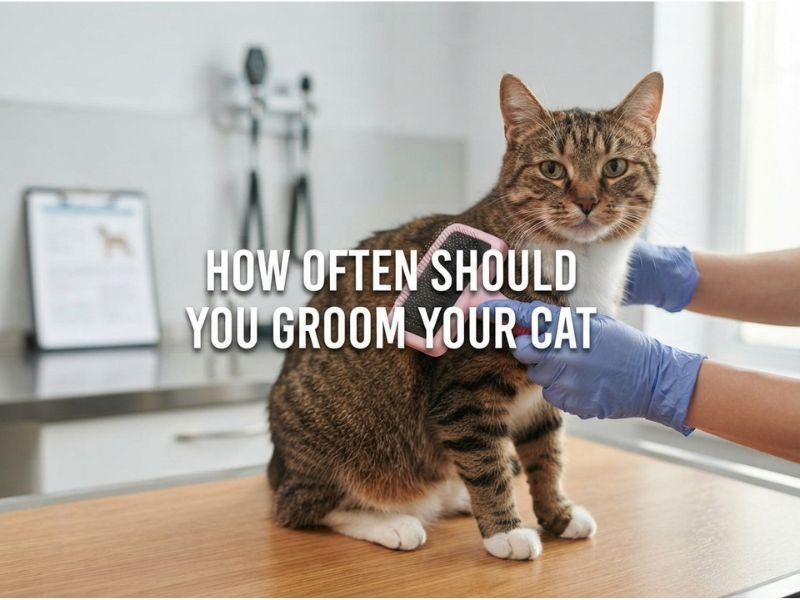
Most cats benefit from a grooming routine several times a week, but the exact frequency varies by coat and condition. Use the following schedule as a starting point rather than a rigid rule:
| Cat or coat type | Brushing schedule | Typical additional care |
|---|---|---|
| Short-haired cat | About once a week; more often during heavy shedding | Nail trims every 2–4 weeks, dental care routinely |
| Medium-haired cat | Several times a week | Regular checks for tangles, especially around the armpits and hindquarters |
| Long-haired cat | Daily, or nearly daily | Daily mat checks, frequent sanitary-area inspection, regular nail trims |
| Curly, dense, or easily matted coat | Follow a consistent schedule recommended for that coat | Professional help may be needed if tangles develop |
| Hairless cat | No brushing, but skin care about weekly or as directed | Bathing, ear cleaning, nail care, and sun protection may matter more |
A grooming session does not need to be long Five calm minutes can be more useful than a 30-minute struggle I recommend starting with the areas your cat.
Why cats need grooming help
Grooming removes loose fur, dirt, dander, and small debris from the coat. It also spreads natural oils along the hair shafts, which helps keep the coat in good condition. Brushing can reduce the amount of hair a cat swallows while self-grooming, although it cannot guarantee that hairballs will disappear.
Regular handling gives me an opportunity to notice changes that may otherwise remain hidden beneath fur. A new lump, scab, bald patch, parasite, wound, swollen paw, or painful area may be easier to spot during a routine brush.
Grooming also helps prevent mats A mat is a compacted mass of tangled hair that can pull on the skin and restrict movement Mats commonly develop behind the.
Some cats need more help as they age. Arthritis, obesity, dental disease, reduced flexibility, or general weakness can make self-grooming difficult. A senior cat with a suddenly greasy, clumped, or unkempt coat may need a veterinary evaluation rather than simply more brushing.
Grooming schedules by coat type
Short-haired cats
Short-haired cats generally need the least brushing. A weekly session can remove loose fur and provide a useful skin check. During seasonal shedding, increase brushing to two or three times a week if your cat is leaving more hair on furniture or developing small clumps.
A rubber grooming mitt, soft bristle brush, or fine-toothed comb may work well. Move in the direction of hair growth and use light pressure. Some short-haired cats enjoy a slightly longer session because the brush feels like petting, while others prefer a few strokes at a time.
Do not assume every short-haired cat needs identical care. A dense-coated breed, overweight cat, or cat that spends time outdoors may need more frequent attention than a sleek, active indoor cat.
Medium-haired cats
Medium-haired cats usually need brushing several times a week. Their coats can look tidy on top while tangles form underneath, especially around the collar area, belly, and legs.
Use a brush that reaches through the coat without scraping the skin, followed by a comb if needed. Divide the coat into small sections so you can see whether the comb reaches the roots. If it glides only over the surface, hidden tangles may remain.
Check the hindquarters more often if your cat has loose stool, limited mobility, or trouble keeping that area clean. Carefully remove small pieces of debris with a damp cloth, but contact a veterinarian if fecal matter is frequent, the skin is irritated, or cleaning causes pain.
Long-haired cats
Long-haired cats commonly need daily brushing. Waiting several days between sessions can allow loose hair to twist into mats, particularly in warm, humid conditions or during shedding seasons.
I suggest beginning with a wide-toothed comb or appropriate long-coat brush and working in short sections. Pay special attention to the chest, behind the ears, armpits, belly, inner legs, and tail base. A gentle final pass with a comb helps reveal tangles that a brush may miss.
Daily grooming is not an invitation to pull through every knot If a comb catches stop and separate the hair with your fingers only if the tangle is.
Curly, dense, and unusual coats
Curly or unusually dense coats may require a customized routine. A curl pattern can make tangles less obvious, while a thick undercoat may shed heavily without looking untidy at first.
Ask a veterinarian or experienced cat groomer to demonstrate the safest brush and comb combination for your cat’s coat. Breed advice can be useful, but the individual coat still determines the schedule. If the hair mats despite consistent home care, shorter professional trims may be safer than repeatedly forcing a brush through it.
Hairless cats
Hairless cats do not need brushing, but they still need grooming. Skin can accumulate oil, dirt, and debris because there is less hair to absorb it. A gentle wipe or bath may be appropriate on a schedule recommended for the individual cat, often around weekly but not automatically for every cat.
Use only cat-safe products and dry the skin thoroughly. Monitor for redness, scaling, odor, acne-like bumps, or excessive oil. Hairless cats may also need protection from cold and excessive sun exposure. A veterinarian can advise on safe environmental protection; human sunscreen and skin products may be harmful if licked.
What a complete cat grooming routine includes
Brushing and combing
Brushing is the core grooming task, but the right tool matters. A soft brush may suit a short coat, while a comb or specialized long-coat tool may be necessary for longer hair. Avoid tools that scratch, cut, or remove large amounts of undercoat unless you understand how to use them safely.
Choose a quiet location and let your cat sniff the tool. Start with one or two strokes, offer praise or a small treat, and stop before your cat becomes agitated. Gradually increase the duration. The goal is to make grooming predictable and low-pressure.
Brush gently over the back, sides, chest, legs, and tail. Use extra care around the belly and rear legs, where skin is thin and many cats are sensitive. Inspect the coat as you go rather than brushing mechanically.
Nail trimming
Most cats need their nails checked regularly, with trimming often needed every two to four weeks. The interval depends on age, activity, scratching habits, and whether the cat naturally wears down its claws.
Press the toe pad gently to extend the claw. Trim only the sharp, translucent tip and stay well away from the pink inner area called the quick, which contains blood vessels and nerves. Dark claws are harder to read, so remove only a very small amount at a time.
Do not rush through all four paws if your cat is uncomfortable. One or two nails per session is acceptable. Keep styptic powder or another veterinarian-approved way to control minor bleeding nearby, but seek veterinary advice if bleeding does not stop promptly or the nail is badly injured.
Overgrown nails can curve into the paw pad, interfere with walking, or catch on fabric. Older cats may need more frequent nail checks because they often scratch less and may have reduced mobility.
Dental care
Dental care is an important part of grooming, even though it is not coat care. Plaque and tartar can contribute to gum disease, pain, bad breath, and difficulty eating. Ideally, cats receive regular tooth brushing with a cat-specific toothbrush and veterinary toothpaste.
Never use human toothpaste, especially formulas containing ingredients that are unsafe for cats. Introduce dental care slowly: first touch the lips, then the teeth, and eventually use a small amount of cat toothpaste. Your veterinarian can recommend dental diets, treats, or other products when brushing is not tolerated.
Bad breath, drooling, bleeding gums, dropping food, chewing on one side, or reduced appetite warrants a veterinary examination. Home brushing cannot remove established dental disease below the gumline.
Ear checks
Look at the ears during routine handling, but do not clean healthy ears automatically. A normal ear usually has little odor and only a small amount of wax. Redness, swelling, discharge, dark debris, strong odor, head shaking, or repeated scratching can indicate mites, infection, allergies, or another problem.
Use ear cleaner only if a veterinarian recommends it, and never insert cotton swabs deep into the ear canal. They can push debris farther inside or injure delicate structures. A cat that reacts painfully when the ear is touched should be examined rather than restrained for home cleaning.
Bathing
Most healthy cats do not need routine baths because self-grooming and brushing keep the coat reasonably clean. A bath may be necessary after exposure to a harmful substance, severe fecal soiling, oily debris, certain skin conditions, or veterinary-directed treatment.
Use lukewarm water and a cat-formulated shampoo. Human shampoo can dry or irritate feline skin, and some essential oils or flea products can be toxic. Keep the bath brief, rinse thoroughly, and dry the cat in a warm, draft-free area.
If a cat has a chemical, oil, paint, or unknown substance on its coat, prevent licking and call a veterinarian or pet poison service for specific instructions. Do not assume bathing alone makes a toxic exposure safe.
How to groom a cat without causing stress
Successful grooming depends as much on handling as on equipment. I recommend choosing a time when your cat is relaxed, not immediately after a frightening event or during energetic play. A familiar mat or towel can provide traction and make the surface feel secure.
- Let your cat inspect the brush, comb, or clippers.
- Touch a comfortable area, such as the shoulder or back, before beginning.
- Use a few gentle strokes and reward calm behavior.
- Move slowly toward sensitive areas only after your cat accepts the easier ones.
- Stop at early signs of stress rather than waiting for swatting or biting.
Early stress signals may include tail flicking, skin twitching, flattened ears, tense muscles, repeated attempts to leave, growling, or sudden grooming of another body area. A break is more productive than forcing the session. Short, frequent practice usually works better than occasional prolonged restraint.
Never punish a cat for resisting grooming. Punishment can make the brush, bathroom, or handling routine more frightening. If your cat becomes aggressive because of pain, fear, or severe matting, ask a veterinarian about safe handling and possible medication before attempting another session.
When to use a professional groomer or veterinarian
A professional cat groomer may help with heavy shedding, difficult coats, sanitary trims, severe tangles, or cats that cannot be safely managed at home. Look for someone experienced with cats rather than relying only on general dog-grooming experience. Ask what restraint methods, drying methods, and emergency procedures are used.
A veterinarian is the better choice when grooming reveals a medical concern or the cat cannot be handled safely. Seek veterinary advice for:
- Large, tight, painful, or widespread mats
- Red, moist, bleeding, scabby, or foul-smelling skin
- Sudden hair loss or a major change in grooming behavior
- Persistent dandruff, excessive oil, or a greasy coat
- Fleas, ticks, lice, or suspected mites
- Repeated ear scratching, head shaking, or ear discharge
- Overgrown nails, limping, or paw swelling
- A cat that stops grooming or becomes unusually difficult to touch
Do not shave a matted cat at home unless a veterinary professional has specifically taught you how to do it Clippers can become hot catch loose skin or cause cuts Scissors are especially dangerous near mats Severe mat removal may require.
Common grooming mistakes to avoid
Brushing only the visible top layer
Surface brushing can make a coat look neat while leaving mats at the roots. Part the hair and use a comb gently through small sections, particularly on long-haired cats.
Waiting until the cat is badly tangled
Grooming becomes harder and more painful once mats form. A consistent schedule is usually easier for both cat and owner than a crisis session every few weeks.
Using human products
Human shampoo, essential oils, scented sprays, and some flea products can irritate or poison cats. Choose products labeled for cats and follow the directions. If a product is not clearly safe for feline use, I would not apply it without veterinary guidance.
Removing mats with scissors
This is one of the most dangerous home grooming shortcuts. Cat skin can hide inside a mat, and a frightened cat may move suddenly. Use a professional groomer or veterinarian instead.
Forcing a complete session
Trying to finish brushing, nail trimming, ear cleaning, and tooth care in one sitting can create unnecessary resistance. Separate the tasks and finish while the cat is still relatively calm.
Ignoring changes in grooming behavior
Overgrooming may signal fleas, allergies, pain, stress, or another medical issue. Under-grooming may indicate arthritis, obesity, illness, or reduced flexibility. A change from your cat’s normal pattern deserves attention.
Adjusting grooming for age, lifestyle, and health
Kittens benefit from gentle handling practice rather than aggressive grooming. Touch the paws, ears, mouth area, and coat briefly, rewarding calm behavior. This early training can make future nail trims and veterinary examinations easier.
Adult indoor cats often maintain a predictable routine, but they still need coat checks and nail care. Outdoor cats may collect burrs, dirt, and parasites, so inspect the coat after outdoor access. Cats living with other pets may need extra monitoring if rough play creates debris or tangles.
Senior cats deserve closer observation. A stiff cat may no longer reach the back, hips, or rear end effectively. Brush gently, support the body, and avoid forcing joints into uncomfortable positions. If grooming suddenly becomes difficult, pain should be considered before behavior is labeled stubborn.
Overweight cats can have trouble reaching the lower back and hindquarters. More frequent brushing may help temporarily, but weight management and a veterinary assessment address the underlying limitation. Cats with allergies or skin disease may need a grooming routine that follows a treatment plan rather than a generic schedule.
After surgery or a medical procedure, follow the veterinarian’s instructions about bathing, brushing, incision protection, and handling. Avoid grooming over a healing incision unless permission is given.
Signs that your grooming schedule is working
Your routine is probably adequate when the coat remains free of tight tangles, the skin looks comfortable, nails do not overgrow, and your cat tolerates handling without escalating stress. A small amount of loose fur is normal, particularly during shedding periods.
More frequent grooming may be needed if you find repeated mats, excessive loose hair, debris near the tail, or a coat that feels greasy or clumped. However, coat condition is only part of the picture. If brushing does not improve a change in texture or appearance, look for a medical cause.
Keep a simple schedule on your phone or calendar. Record brushing, nail trims, dental care, and any unusual findings. This makes it easier to notice trends and explain changes to a veterinarian.
FAQ
How often should I brush a short-haired cat?
Brush a short-haired cat about once a week, increasing to several times a week during heavy shedding. Some cats with dense coats, obesity, limited mobility, or skin problems may need more frequent brushing.
How often should I brush a long-haired cat?
Most long-haired cats should be brushed daily or nearly daily. Daily care helps prevent mats in high-friction areas such as behind the ears, under the legs, around the neck, and near the tail.
How often should a cat get a bath?
Most healthy cats do not need scheduled baths. Bathe a cat only when the coat is heavily soiled, contaminated, affected by a veterinarian-directed skin treatment, or difficult to clean safely with brushing alone.
How often should I trim my cat’s nails?
Check the nails every two to four weeks. Trim when the tips become sharp or overgrown, adjusting the interval for scratching habits, age, activity, and mobility.
Can grooming reduce hairballs?
Regular brushing removes some loose hair before a cat swallows it, so it may reduce the amount of hair ingested. It cannot prevent every hairball. Frequent vomiting, repeated unproductive retching, constipation, lethargy, or appetite changes require veterinary advice.
Should I groom my cat if it has mats?
Small, loose tangles may sometimes be gently separated with your fingers and a suitable comb. Do not pull, cut, or shave tight mats at home. Painful or widespread mats should be handled by a professional groomer or veterinarian.
What if my cat hates being groomed?
Use very short sessions, begin with a comfortable body area, reward calm behavior, and stop before your cat becomes distressed. If resistance is sudden, severe, or associated with pain, arrange a veterinary examination before changing the grooming technique.
Do indoor cats need grooming?
Yes. Indoor cats still shed, develop mats, need nail care, and can develop dental or skin problems. Their grooming needs may be lower than those of some outdoor cats, but indoor living does not eliminate routine care.
Conclusion
The best answer to how often should you groom your cat is based on the individual cat not a single universal calendar Brush short coats weekly give long.