Are Clothes Safe for Cats? A Complete Expert Guide to Feline Clothing Safety
Many cat owners ask, are clothes safe for cats? The answer depends on the cat, the clothing, and the reason for using it. Cats are naturally covered by fur and usually do not need clothing for warmth or fashion. However, some cats can safely wear specific garments for short periods.
In my experience working with pet owners and researching feline care, the safest approach is to put your cat’s comfort first. Clothing should never limit movement, breathing, grooming, or bathroom habits. When chosen carefully, some garments can provide practical benefits, especially during recovery or cold weather.

Are Clothes Safe for Cats? Understanding the Basic Answer
When people ask, are clothes safe for cats, the most accurate answer is that it depends. A healthy cat usually does not need clothing. Their fur already helps regulate body temperature and protects their skin.
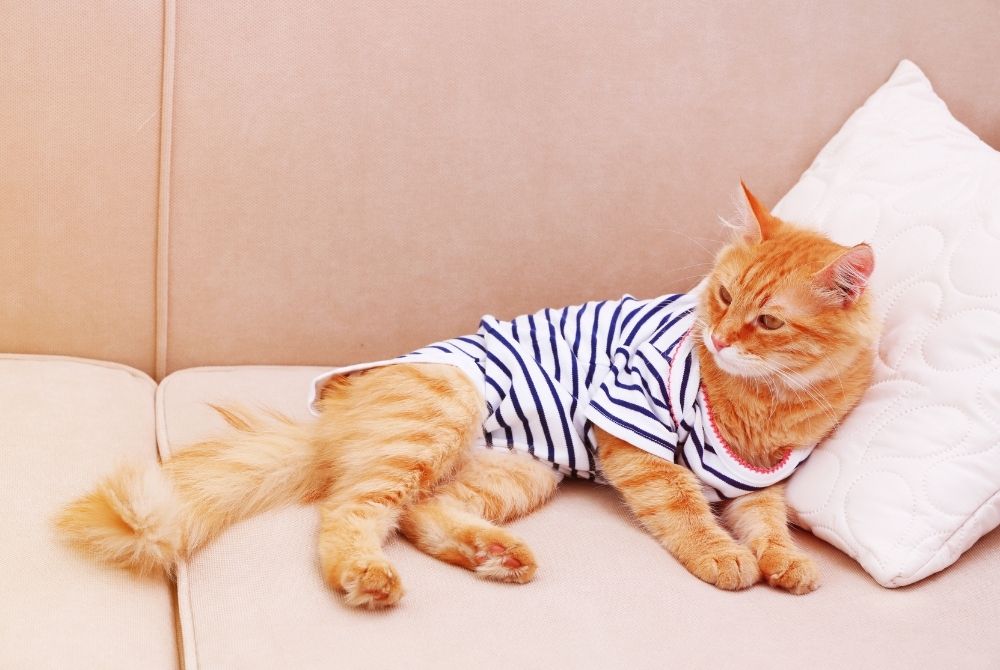
Clothing becomes safer when it is lightweight, breathable, properly fitted, and worn for a specific purpose. Poorly fitted outfits can create stress, restrict movement, or become a safety hazard.
- ✦ Generally Safe
Soft, breathable clothing that fits correctly and allows normal movement.
- ✦ Potentially Unsafe
Tight, heavy, decorative, or poorly fitted clothing that restricts natural behavior.
Why Cats React Differently to Clothing
Every cat has a unique personality. Some tolerate clothing well, while others freeze, hide, or try to remove it immediately. Comfort level plays a major role in determining whether clothing is safe for an individual cat.
- ✦ Temperament Matters
Confident and calm cats often adjust more easily than anxious cats.
Situations Where Cat Clothing Can Be Beneficial
Although many cats do not need clothing, there are cases where it serves a useful purpose. Hairless breeds, senior cats, and cats recovering from surgery may benefit from specific garments.
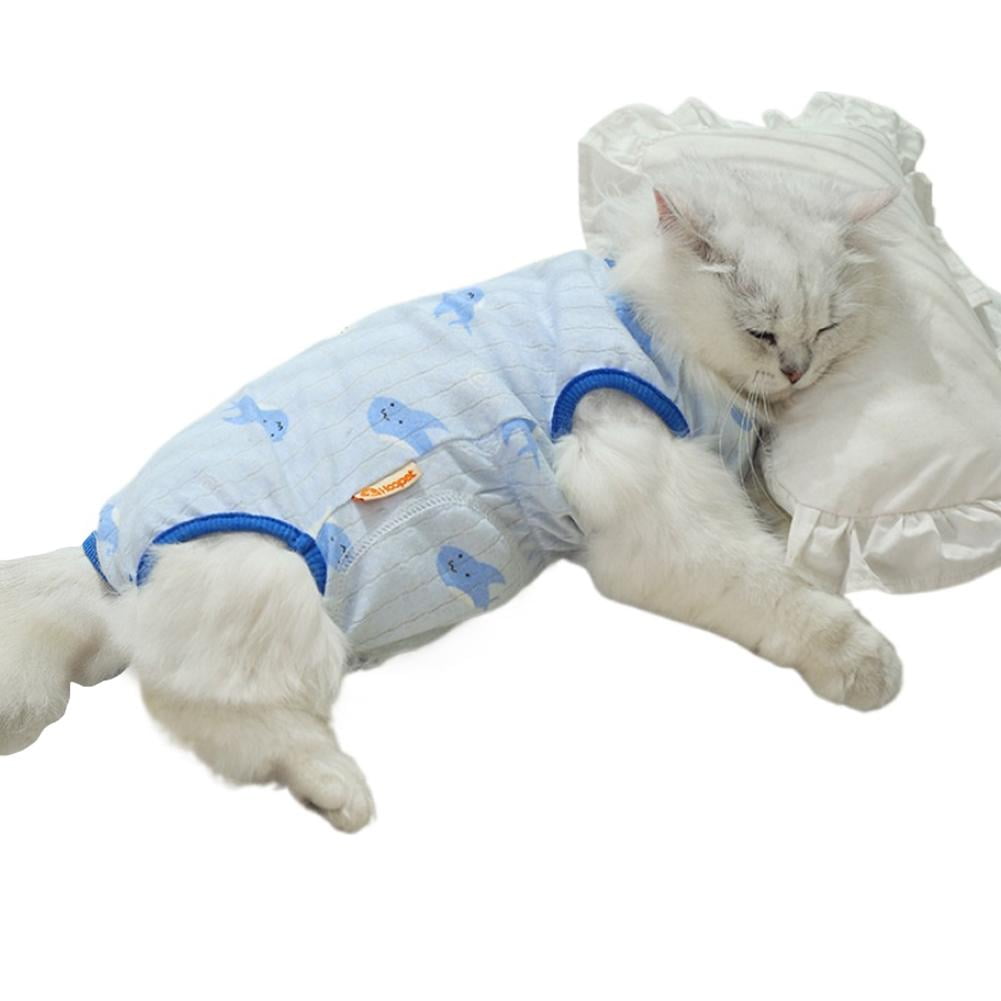
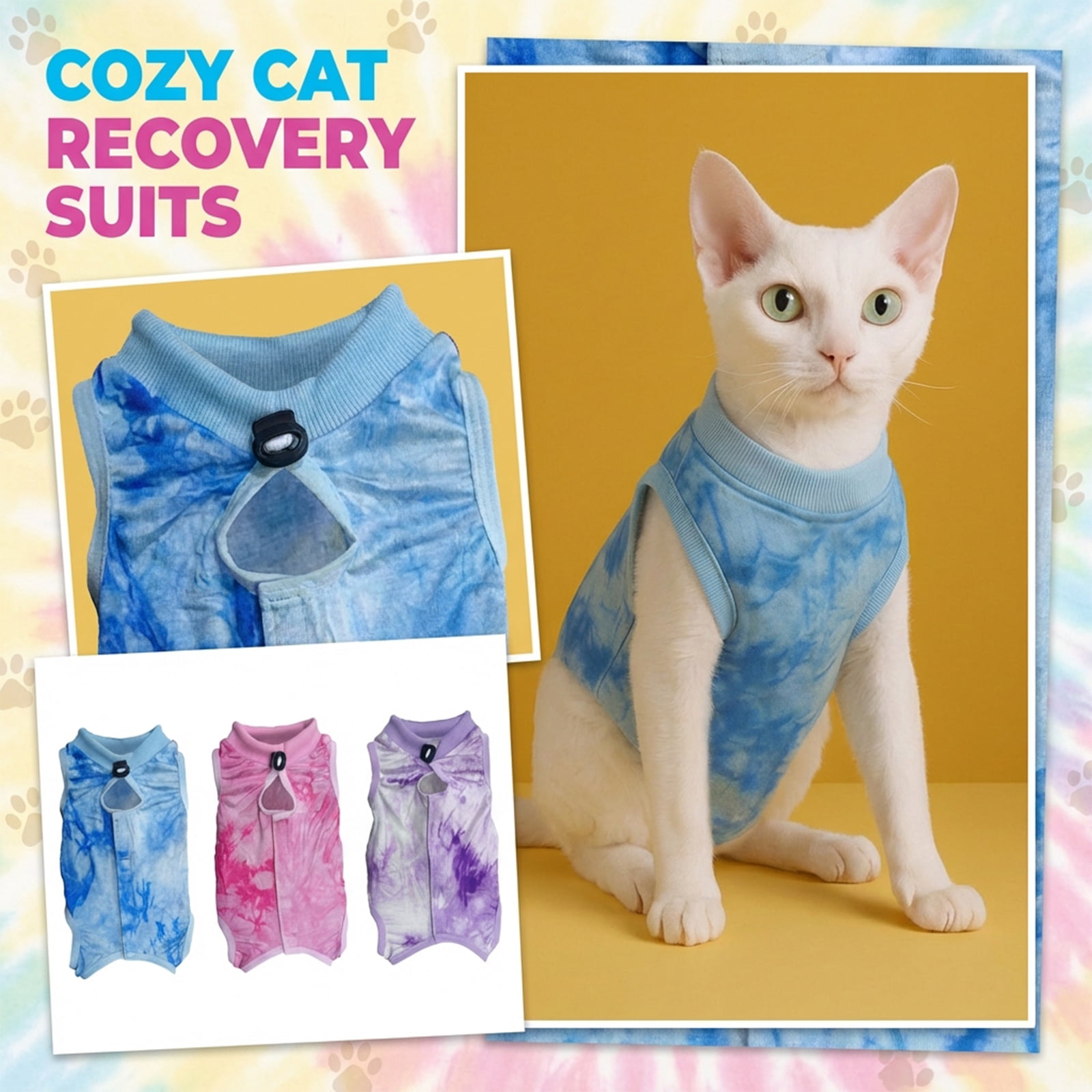
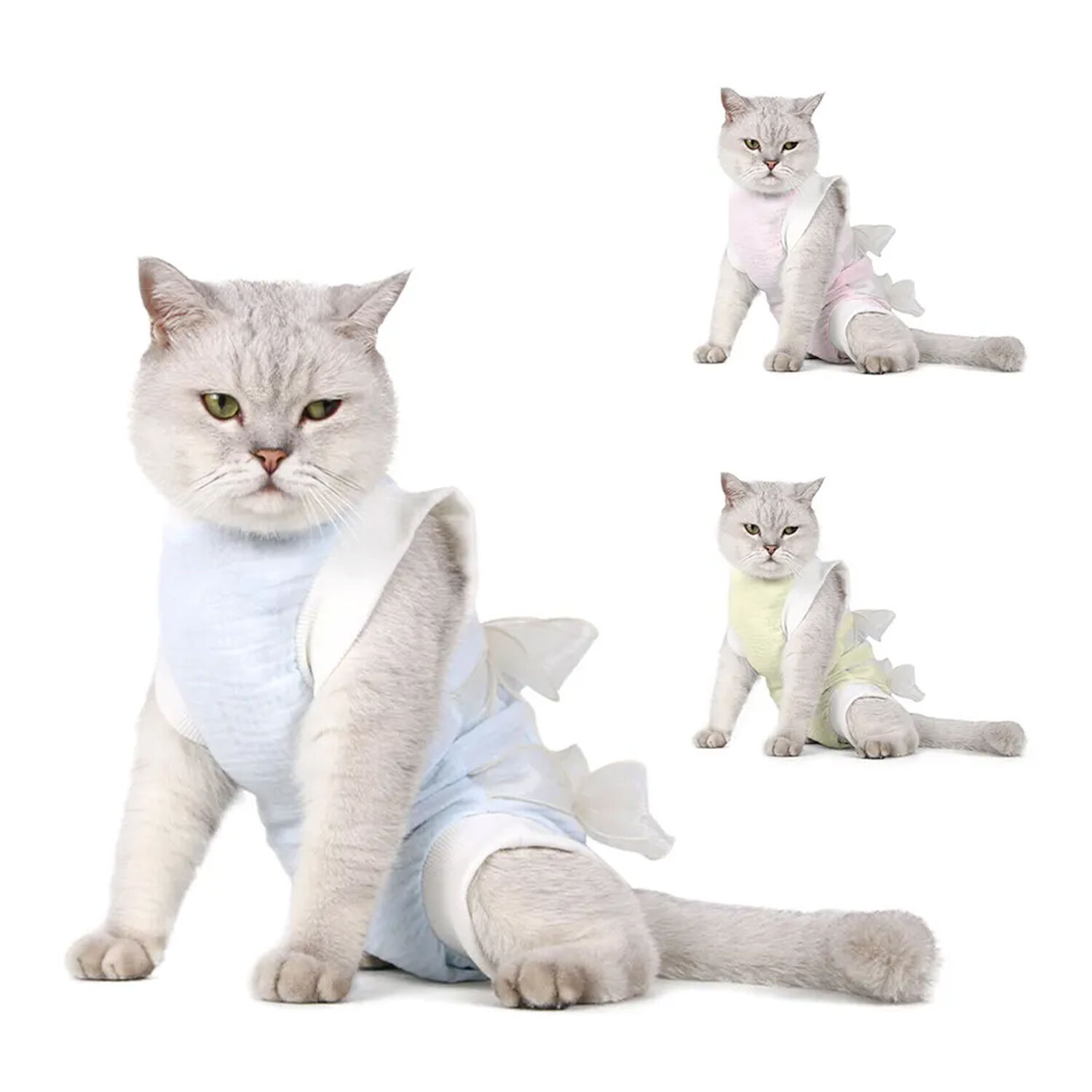
Veterinarians sometimes recommend recovery suits to prevent licking or scratching wounds. In these situations, the focus is health and protection rather than appearance.
- ✦ Post-Surgery Recovery
Recovery suits can help protect healing areas.
- ✦ Hairless Breeds
Cats with little or no fur may need extra warmth in cool environments.
- ✦ Skin Conditions
Protective clothing may reduce irritation in some cases.
When to Ask a Veterinarian
If clothing is being used for a medical reason, veterinary guidance is important. A professional can recommend the safest garment and wearing schedule.
- ✦ Professional Guidance
Medical garments should match your cat’s specific condition.
Potential Risks of Putting Clothes on Cats
Understanding the risks is essential when evaluating whether clothes are safe for cats. Clothing can interfere with a cat’s natural movement, balance, grooming habits, and body language.
Overheating is another concern, especially in warm homes or during summer months. Cats rely on their bodies and fur to regulate temperature, and extra layers may cause discomfort.

- ✦ Restricted Movement
Tight clothing can affect walking, jumping, and climbing.
- ✦ Overheating
Extra layers can trap heat and reduce comfort.
- ✦ Entanglement
Loose straps, buttons, or decorations may create hazards.
Behavioral Stress Signals
A stressed cat may crouch, stop moving, hide, flatten its ears, or repeatedly try to remove the clothing. These signs indicate the garment should be removed.
- ✦ Watch Closely
Monitor behavior during every clothing session.
How to Choose Safe Clothes for Cats
If you decide to dress your cat, selecting the right garment is critical. Safe cat clothing should be soft, lightweight, breathable, and appropriately sized.
Avoid garments with small decorations, dangling strings, zippers, or anything that could be chewed or swallowed. Comfort should always be the top priority.

- ✦ Breathable Fabric
Choose cotton or other soft materials that allow airflow.
- ✦ Correct Size
The garment should fit snugly without being tight.
- ✦ Simple Design
Fewer accessories mean fewer risks.
Fit Check Basics
You should be able to place a couple of fingers between the garment and your cat’s body. The cat should walk, stretch, and sit naturally.
- ✦ Freedom of Movement
Clothing should never limit normal behavior.
How Long Can a Cat Safely Wear Clothes?
Even when clothes are safe for cats, they should not be worn continuously without a good reason. Most cats tolerate short, supervised periods better than all-day wear.
Check the garment often for signs of rubbing, overheating, or discomfort. Regular breaks allow the cat to groom and move naturally.
- ✦ Start Slowly
Introduce clothing for a few minutes at a time.
- ✦ Supervise
Never leave a cat alone while wearing unfamiliar clothing.
Special Medical Cases
Recovery suits may need longer use, but owners should follow veterinary instructions and inspect the cat regularly.
- ✦ Follow Instructions
Medical garments require proper monitoring and care.
Signs Your Cat Should Not Wear Clothes
Some cats simply dislike clothing. If your cat appears unhappy or stressed, forcing the issue can damage trust and create anxiety.
The safest decision is often to respect your cat’s preferences. A comfortable cat is healthier and happier than a fashionable one.

- ✦ Freezing in Place
The cat stops moving normally after the garment is applied.
- ✦ Excessive Grooming
The cat obsessively tries to remove the clothing.
- ✦ Hiding Behavior
The cat retreats and avoids interaction.
Trust Your Cat’s Feedback
Behavior is one of the clearest indicators of comfort. When a cat consistently objects to clothing, owners should not force continued use unless medically necessary.
- ✦ Observe Carefully
Your cat’s actions often provide the best answer.
Expert Verdict: Are Clothes Safe for Cats?
So, are clothes safe for cats? In many cases, yes, but only when the clothing is appropriate, comfortable, and used responsibly. Safety depends more on fit, supervision, and the cat’s response than on the clothing itself.
For most healthy cats, clothing is optional rather than necessary. If used, it should improve comfort or serve a clear purpose rather than create stress.
- ✦ Safety First
Comfort and well-being matter more than appearance.
- ✦ Purpose Matters
Medical and protective uses often provide the greatest benefit.
Balanced Recommendation
Owners should evaluate each cat individually. What works well for one cat may not work for another.
- ✦ Individual Approach
Always adapt decisions to your cat’s needs.