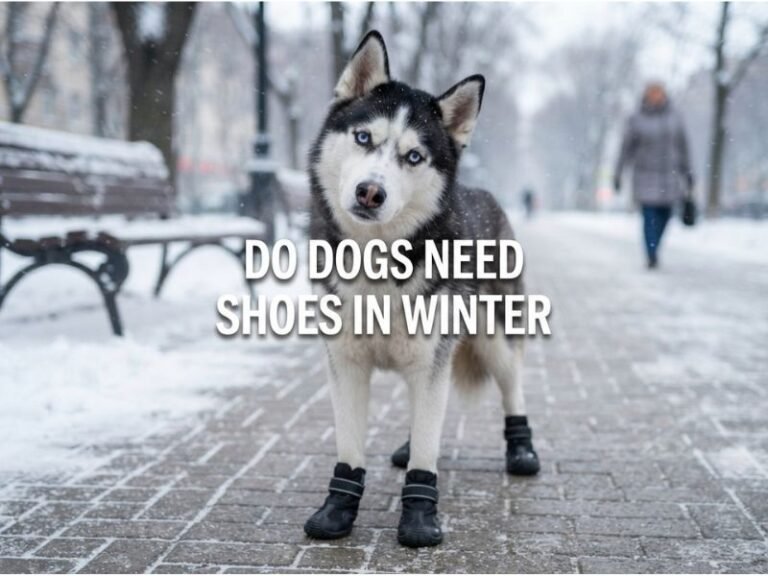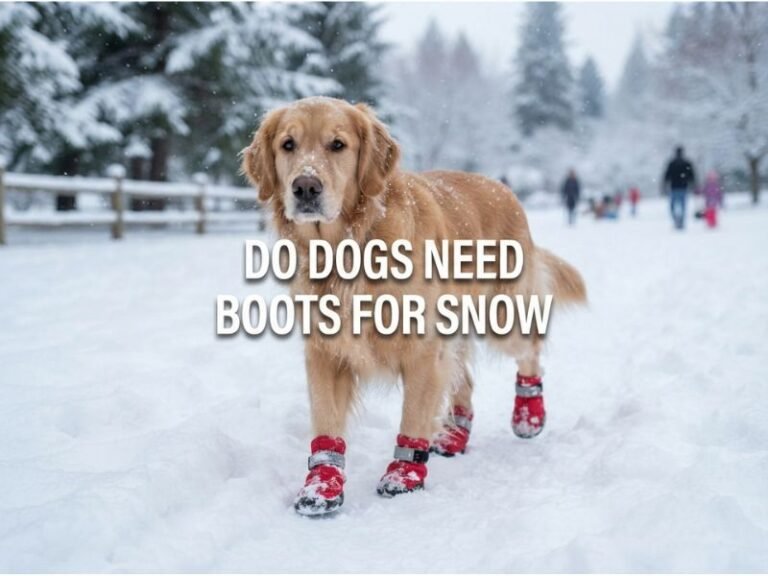
Do Dogs Need Boots in Winter: What to Know and Why It Matters
A sidewalk can look harmless until a dog lifts one paw after stepping on road salt, packed snow, or a sharp crust of ice. Winter pavement also holds chemical deicers, while frozen ground can dry and crack paw pads. A few minutes outside may be comfortable for one dog and painful for another.
So, do dogs need boots in winter? The honest answer is that some dogs benefit greatly from them, while others can safely manage short outings without them. I look at the weather, walking surface, dog’s health, coat, age, and behavior before deciding.
This guide explains which dogs are most likely to need boots, how to choose and introduce them, what signs indicate a problem, and which alternatives can protect paws when boots are not practical.
Do dogs need boots in winter?
Dogs do not automatically need boots just because temperatures drop. Healthy dogs with tough, intact paw pads may handle brief walks on clean snow, especially if they are active, acclimated, and showing no discomfort. However, winter boots can provide valuable protection from ice, salt, deicing chemicals, frozen pavement, and extreme cold.
Boots are most useful when a dog s paws face a specific hazard rather than simply because the calendar says winter A small dog walking across treated sidewalks.
I use four practical questions to make the decision:
- Is the walking surface icy, abrasive, salty, chemically treated, or unusually cold?
- Does the dog have exposed, cracked, injured, or sensitive paw skin?
- Will the outing be long enough for cold or moisture to become a problem?
- Can the dog walk normally and comfortably without repeatedly lifting a paw?
If the answer to any of the first three questions is yes, boots are worth considering. If a dog walks normally, stays warm, and uses clean, safe surfaces for a short period, boots may be optional.
Why winter can be hard on dog paws
A dog’s paw pads are durable, but they are not indestructible. Winter creates several different threats, and each one calls for slightly different protection.
Ice and frozen snow
Sharp ice can cut the skin between the toes or along the paw pad Snow can also pack into the hair between a dog s toes forming hard.
Road salt and deicing chemicals
Rock salt and other deicers can sting or dry paw pads. Some dogs lick their feet after a walk, which can lead to stomach upset if they ingest a significant amount. Deicing products may also irritate the skin between the toes.
Boots create a barrier between the paw and the treated surface. They are particularly helpful for dogs walking near roads, apartment buildings, parking lots, and city sidewalks where the type and amount of deicer may be unknown.
Cold surfaces
Dogs can develop cold injury to their paws after prolonged contact with frozen ground ice or very cold pavement Risk rises when a dog is wet standing still or unable to move away.
Dryness, cracking, and irritation
Cold air, indoor heating, repeated wetting, and salt can dry the paw pads. Cracks may bleed or make ordinary walking painful. Boots can reduce exposure, but they should not cover infected, open, or seriously damaged skin without veterinary guidance.
Which dogs benefit most from winter boots?
Boots are not only for small dogs or dogs with short coats. The strongest reason to use them is a clear paw-related risk. The following dogs often benefit from winter footwear.
Dogs walking on treated sidewalks
Urban and suburban sidewalks may contain salt, calcium chloride, magnesium chloride, or other ice-melting products. A dog that walks on these surfaces every day has repeated exposure. Boots can reduce both direct irritation and the amount of residue later licked from the paws.
Dogs with sensitive or damaged paws
Dogs with allergies, recurring pododermatitis, cracked pads, healed injuries, or skin inflammation may need extra protection. Their paws may react to winter conditions sooner than healthy paws. A veterinarian should evaluate persistent redness, swelling, discharge, odor, or limping rather than relying on boots alone.
Small, senior, and short-coated dogs
A dog’s size, age, body condition, and coat affect comfort in winter. Small dogs are closer to the cold ground, and senior dogs may have arthritis or reduced circulation. Short-coated dogs may lose body heat quickly, even if their paw pads seem sturdy.
Dogs with paw hair that collects snow
Long hair between the toes can trap moisture and ice. Boots may prevent packing, although trimming excess hair carefully can also help. I would avoid cutting too close to the skin, because the hair provides some protection and accidental nicks can make winter irritation worse.
Working, hiking, and sporting dogs
Dogs that spend extended time outdoors, hike over frozen trails, or travel across rough ice may benefit from durable boots. Working dogs may also encounter salt, frozen debris, or sharp surfaces for much longer than a pet taking a short neighborhood walk.
Dogs with reduced sensation or mobility
Diabetes, neurological disease, arthritis, and other conditions can affect how a dog notices or responds to paw injuries. A dog that does not react normally to pain may need protection and closer monitoring. Boots do not replace medical care, but they can reduce exposure to hazards when a veterinarian approves outdoor activity.
When boots may not be necessary
A healthy adult dog may not need boots for every winter outing. Short walks on clean, dry, and reasonably mild surfaces are often manageable without them. Some dogs also become stressed by footwear, and forcing boots can turn a normal walk into an unpleasant experience.
Dogs bred for cold environments, such as Siberian Huskies, Alaskan Malamutes, and some other northern breeds, often have coats and body types suited to cold weather. That does not make them immune to salt, sharp ice, or paw injuries. Breed alone should never determine the decision.
Boots may be unnecessary when all of these conditions apply:
- The walk is brief and the dog remains comfortable.
- The route is free of salt, chemicals, sharp ice, and abrasive debris.
- The dog has healthy, intact paw pads.
- The dog is walking normally and not repeatedly licking or lifting the paws.
- The temperature and wind conditions are appropriate for that individual dog.
Even then, I would inspect the paws after the walk. A dog may continue walking despite discomfort, especially when excited or focused on movement.
How to tell if a dog needs winter boots
Behavior often provides the first clue. A dog may stop, lift one paw, limp, walk stiffly, or refuse to continue. Repeated paw licking, chewing between the toes, or rubbing the feet against the floor can also signal irritation.
Check for redness, bleeding, cracks, swelling, blisters, cuts, ice balls, salt residue, or a strong unusual odor. Look between the toes as well as at the main pads. Some injuries hide in the spaces between the digits.
| Sign | Possible concern | Useful response |
|---|---|---|
| Lifting a paw repeatedly | Cold, salt irritation, ice, or injury | End the walk and inspect the paw |
| Persistent licking after returning home | Irritation, chemical residue, or a small wound | Rinse, dry, inspect, and monitor closely |
| Cracked or bleeding pads | Dryness, abrasion, or injury | Limit exposure and contact a veterinarian if significant |
| Shivering or weakness | Cold stress or possible hypothermia | Move indoors and seek veterinary advice promptly |
| White, gray, blue, hard, or very painful skin | Possible frostbite | Seek urgent veterinary care |
A brief pause on a cold walk does not always mean a dog needs boots. However, repeated symptoms or any visible injury deserves attention. I would not continue a walk simply to test how much discomfort a dog can tolerate.
How to choose the right dog boots
The best boots are not necessarily the thickest or most expensive. They should fit securely, allow natural movement, and suit the surface and activity. A boot that rubs, twists, or traps moisture can create a new problem.
Measure every paw
Follow the manufacturer s instructions because sizing systems vary Place the paw on paper while the dog stands normally mark the front and back of the paw and.
Consider the dog’s nails and any paw hair when checking fit. The boot should not compress the toes, pinch the ankle, or slide off. It should also leave enough room for normal paw expansion during movement.
Look for secure closures
Adjustable straps should hold the boot in place without being tight enough to restrict circulation A closure that sits above the paw joint is often more stable than.
Match the boot to the activity
- Lightweight winter boots: Useful for short walks, salt protection, and ordinary snow.
- Water-resistant boots: Better for wet snow, slush, and repeated exposure to moisture.
- Rugged hiking boots: Appropriate for rough ice, frozen trails, and longer outdoor activity.
- Medical or protective booties: Designed for specific injuries or recovery and best selected with veterinary advice.
Look for a flexible sole with enough traction to reduce slipping. Reflective details can improve visibility during dark winter walks, but visibility features should not outweigh comfort and correct fit.
Inspect the materials
Soft lining can help prevent rubbing, while a waterproof exterior keeps slush away from the paw. Avoid boots with rough interior seams or stiff edges that press against the ankle. Washable materials are practical because winter boots quickly collect salt, mud, and grit.
How to teach a dog to wear boots
Most dogs need gradual training. Putting all four boots on immediately and heading outside often leads to the stiff, high-stepping walk commonly called “boot dancing.” That reaction does not necessarily mean the boots are wrong, but it does show that the dog needs time to understand the sensation.
- Let the dog sniff the boots indoors while they remain on the floor.
- Reward calm behavior near the boots with a small treat or praise.
- Touch one paw with a boot, then remove it before the dog becomes upset.
- Put one boot on for a few seconds and reward relaxed behavior.
- Gradually increase the time, practicing with one or two boots before all four.
- Once the dog can stand comfortably, take a few indoor steps.
- Move outside for a short, familiar walk and check the fit frequently.
I would keep the first sessions short and positive. Never punish a dog for freezing, lifting a paw, or trying to remove a boot. If the dog shows strong fear, pain, or persistent resistance, remove the boots and reassess the size, design, and training pace.
After the first outdoor session, remove each boot and inspect the skin. Look for rubbed areas, dampness, swelling, or red marks that remain after the boot is off. A properly fitting boot should protect the paw without leaving pressure injuries.
How long can dogs wear winter boots?
There is no single safe duration for every dog or boot. Weather, activity, fit, material, and the dog’s health all matter. A dog may wear properly fitted boots for a walk, but boots should not be left on continuously without inspection.
During an outing, check the boots if they become wet, packed with snow, loose, twisted, or visibly uncomfortable. At home, remove them so the paws can dry and the skin can breathe. Never assume a dog will alert a person when a boot has shifted or begun rubbing.
Moisture trapped inside a boot can soften the skin and encourage irritation. Dry the paws and boots after use. If a dog has a medical condition or a healing wound, follow the veterinarian’s specific instructions about wear time.
Alternatives to dog boots
Boots are useful, but they are not the only way to protect paws. Alternatives may work for dogs that refuse footwear or for milder winter conditions.
Paw balm or wax
A veterinarian-approved paw balm can help reduce dryness and create a temporary barrier against moisture and salt. It is not a substitute for boots on dangerously cold, icy, or heavily treated surfaces. Choose a product intended for dogs and prevent excessive licking when possible.
Rinsing and drying
After a winter walk, rinse the paws with lukewarm water if salt or deicer may be present. Dry carefully between the toes. This simple routine removes residue and makes it easier to notice cuts or irritation.
Trimming excess paw hair
Keeping excessive hair from extending beyond the paw can reduce snow packing. Trimming should be conservative and careful. Hair that is matted, painful, or entangled may require professional grooming.
Choosing safer routes
Untreated paths, fresh snow, grass, and clean walking areas may be gentler than salted pavement. A shorter route can also reduce exposure. I would avoid letting a dog walk through visible piles of deicing material whenever another path is available.
Using indoor exercise
On dangerously cold or icy days, indoor play, training exercises, food puzzles, and veterinarian-approved movement can replace a long outdoor walk. This is especially useful for dogs with health problems or a history of cold-related paw irritation.
Winter safety beyond the paws
Boots protect the feet, not the entire dog. A dog can become dangerously cold even while wearing excellent footwear. Limit outdoor time when conditions are severe, and consider a coat for dogs that cannot maintain body warmth comfortably.
Wind, wet fur, age, body size, illness, and inactivity can make cold exposure more dangerous. A dog standing still at a bus stop or watching outdoor activity may become colder than a dog walking continuously. Puppies, seniors, underweight dogs, and dogs with medical conditions require especially close observation.
Never leave a dog unattended outdoors in extreme winter weather. Keep antifreeze, ice-melt products, and other chemicals out of reach. Antifreeze is particularly dangerous and requires immediate veterinary attention after suspected ingestion.
After returning indoors, warm a cold dog gradually. Do not use very hot water, heating pads directly against the skin, or intense heat on numb paws. Contact a veterinarian promptly for persistent shivering, weakness, confusion, breathing changes, severe pain, or suspected frostbite.
Common mistakes with winter dog boots
Buying by breed or weight alone
Two dogs with the same weight can have very different paw shapes. Measure the paws and follow the brand’s fit instructions instead of relying only on breed averages.
Choosing a loose boot
A boot that slips can rotate, collect snow, cause tripping, or rub the ankle. Loose footwear may be more dangerous than no footwear if a dog is walking over ice.
Choosing a boot that is too tight
Tight straps can restrict circulation and cause pressure sores. Check the skin and toes after every early use, especially if the dog has thick fur that hides rubbing.
Skipping indoor practice
A dog may tolerate boots indoors but panic outside, or seem fine for a minute and then begin chewing at them. Gradual practice makes the transition easier and reveals fit problems before a long walk.
Ignoring wetness inside the boot
Water and melted snow can remain against the paw. Remove and dry the boots during longer outings and after returning home.
Using boots to extend an unsafe walk
Boots do not prevent hypothermia, protect the ears and tail from cold, or make extreme weather safe. They are one layer of protection, not permission to stay outside indefinitely.
FAQ about dogs and winter boots
Do dogs need boots in snow?
Not always. A healthy dog may handle a short walk on clean, soft snow without boots. Boots become more useful when snow is icy, deep, chemically treated, sharply crusted, or packed between the toes. Watch for paw lifting, limping, licking, or visible irritation.
Do dogs need boots in freezing temperatures?
Some do, especially for prolonged outdoor exposure or contact with frozen pavement. Temperature alone does not determine the answer; wind, moisture, activity, paw health, body size, age, and coat also matter. End the outing if the dog appears cold or uncomfortable, even if the boots fit well.
Can dogs get frostbite on their paws?
Yes. Paws, ear tips, tail tips, and other exposed tissues can suffer cold injury. Pale, gray, blue, hard, swollen, blistered, or very painful skin requires prompt veterinary attention. Do not rub or rapidly heat a suspected frostbitten area.
Are dog boots safe for daily winter walks?
They can be safe when correctly fitted, introduced gradually, and removed for regular inspection. Check for rubbing, dampness, swelling, and changes in gait. Clean and dry the boots after use, and stop using them if they cause pain or skin damage.
Why does my dog walk strangely in boots?
Many dogs initially dislike the unfamiliar sensation or altered traction. Short indoor practice sessions usually help. Persistent abnormal walking may indicate a poor fit, stiff sole, uncomfortable seam, or pain, so remove the boots and inspect the paws.
Can paw balm replace winter boots?
Paw balm may help with dryness and light exposure to salt, but it cannot provide the same barrier as a boot on sharp ice, deep snow, or heavily treated pavement. Use balm as an additional measure when appropriate, not as complete protection in severe conditions.
Should a dog wear boots on salted sidewalks?
Boots are often a good choice because salt and deicers can irritate paw pads and may be licked after the walk. If boots are not tolerated, rinse and dry the paws after every outing and choose untreated routes whenever possible.
When should a veterinarian examine a winter-damaged paw?
Seek veterinary care for deep cuts, persistent bleeding, significant swelling, discharge, severe pain, repeated limping, blackened or pale tissue, suspected chemical exposure, or symptoms that do not improve after rinsing and rest. A dog that seems lethargic, weak, confused, or unusually cold also needs prompt attention.
Conclusion
There is no universal yes-or-no answer to do dogs need boots in winter Boots are usually worthwhile for salt-treated sidewalks sharp ice long outdoor activities sensitive paws and.