Do Dogs Need Winter Boots? Cold-Weather Paw Protection
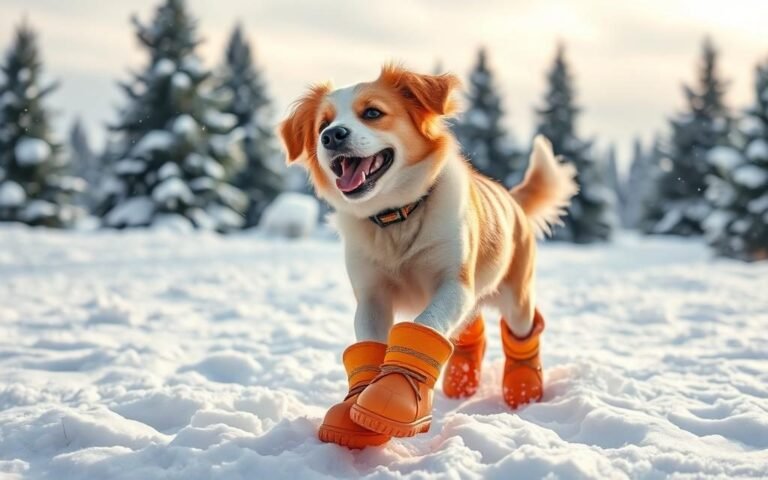
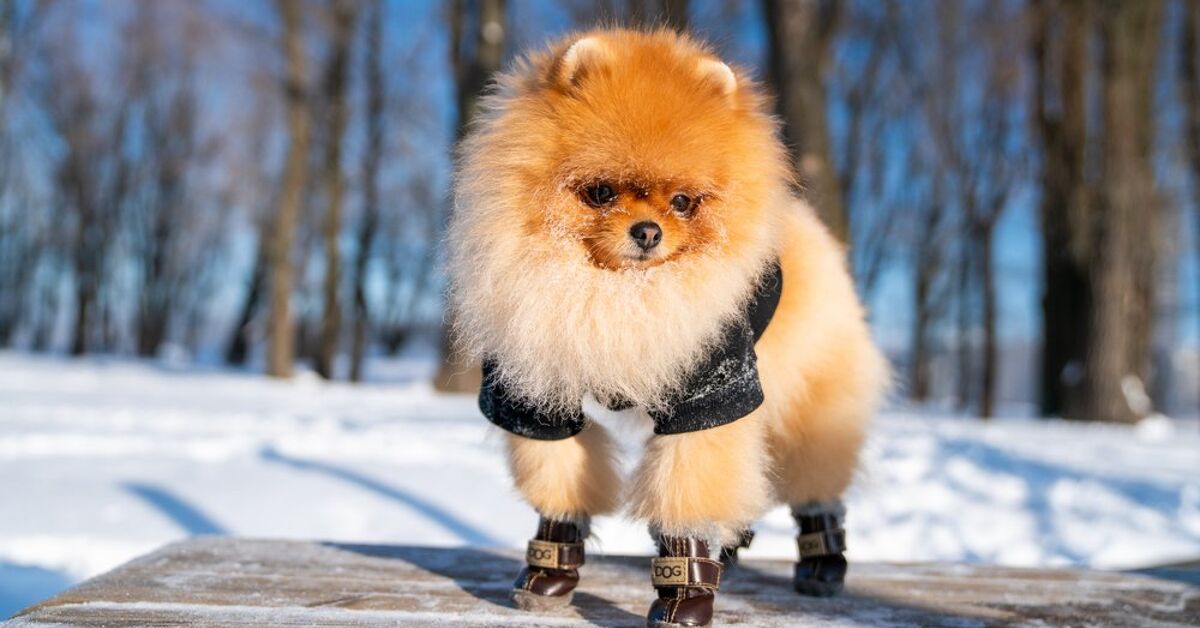
Do dogs need winter boots? The answer depends on the dog, the weather, and the walking surface. A healthy dog with tough paw pads may handle a short walk on clean snow with no boots. The same dog may need paw protection after walking on salted sidewalks or rough ice.
Winter boots are not just about keeping paws warm. They can also create a barrier between paw pads and road salt, ice melt products, wet snow, and sharp ice. For many US dog owners, this matters most during city walks, long hikes, and trips through areas treated with deicing products.
The best approach is to look at your dog’s paws and the conditions outside. If your dog shows pain, lifts a paw, licks the feet often, or tries to stop walking, go inside and check the paws. Boots can help in the right setting, but they should never replace good judgment about cold weather.
Do Dogs Need Winter Boots in Snow and Cold Weather?
Do dogs need winter boots every time it snows? No. Many dogs can walk on snow without boots for short periods. Their paw pads provide some natural protection, and dogs vary a lot in their cold tolerance.
Still, snow is not always harmless. Packed snow can form hard lumps between the toes. Ice can cut or scrape paw pads. Wet snow can also make paws cold and sore, especially during long walks.
Boots become more useful as the weather gets harsher or the walk gets longer. They are also useful when snow and ice are mixed with salt or chemical deicers.

- ✦ Short walks
A healthy dog may do well without boots during a short walk on clean, loose snow.
- ✦ Long walks
Boots can add protection during long winter walks, hikes, or outdoor play.
- ✦ Harsh surfaces
Ice, frozen ground, and rough snow can make boots a useful layer of paw protection.
- ✦ Treated sidewalks
Boots can help reduce direct contact with salt and some deicing products used on roads and sidewalks.
Why Some Dogs Handle Snow Better Than Others
Dogs differ in coat type, body size, age, health, and past exposure to cold. A dog bred for cold climates may be more comfortable in winter than a small dog with a thin coat. Even cold-tolerant dogs can still get paw irritation from ice or salt.
Paw condition matters too. A dog with cracked, dry, or injured pads may need more protection than a dog with healthy pads. Watch the individual dog rather than relying only on breed.
- ✦ Body size
Small dogs can lose body heat faster and may need shorter outdoor sessions in very cold weather.
- ✦ Coat type
A thick coat may help with cold air, but it does not stop ice, salt, or sharp snow from reaching the paws.
- ✦ Paw condition
Dry, cracked, sore, or injured paws may need extra protection.
When Winter Boots Can Help Your Dog
Winter boots can be helpful when the ground is cold, icy, wet, rough, or covered with substances that can irritate the paws. They create a physical barrier that can reduce contact with the surface.
This does not mean every dog needs boots. Think of them as protective gear for certain conditions. The goal is to match the protection to the risk.

- ✦ Road salt
Salt can irritate paw pads. Dogs may also lick residue from their feet after a walk.
- ✦ Ice melt
Some deicing products can irritate paws or cause problems if a dog eats enough of the residue.
- ✦ Sharp ice
Hard ice can scrape or cut paw pads, especially during active walks.
- ✦ Ice balls
Snow and ice can collect between toes and cause pain while a dog walks.
- ✦ Very cold ground
Boots add a layer between the paw pads and very cold surfaces.
- ✦ Wet winter trails
Water-resistant boots can help keep paws drier during wet snow and slushy walks.
Dogs That May Benefit More From Boots
Some dogs have a greater need for paw protection. This includes dogs with sensitive feet, paw injuries, or a history of irritation after winter walks. Dogs that spend a lot of time outdoors may also benefit from boots when conditions are harsh.
Older dogs may need special care as well. If an older dog has trouble walking, joint pain, or reduced strength, cold and slippery surfaces can make outdoor trips harder. Ask a veterinarian about winter exercise if your dog has a medical condition or a recent paw injury.
- ✦ Sensitive paws
Boots can reduce contact with surfaces that cause repeated irritation.
- ✦ Paw injuries
A veterinarian may recommend protection while a paw heals, depending on the injury.
- ✦ Frequent outdoor activity
Dogs that hike, run, or work outdoors in winter may gain more value from paw protection.
- ✦ Urban dogs
Dogs that walk on salted sidewalks may face more paw irritation than dogs walking on clean snow.
Can Dogs Get Cold or Hurt Paws in Winter?
Yes. Winter weather can cause problems for dogs, even when they seem happy outside. Cold, ice, snow, salt, and wet surfaces can all affect the paws.
A dog may keep walking even when a paw hurts. That is why behavior matters. Slowing down, lifting a paw, limping, licking the feet, or suddenly refusing to walk can be signs that the conditions are too harsh.

Signs Your Dog’s Paws May Be Too Cold or Irritated
Check your dog’s feet after winter walks. Look between the toes and around the paw pads. Small pieces of ice, salt, or debris can hide in these areas.
If you see bleeding, a deep cut, marked swelling, severe pain, or a paw that does not improve after warming and cleaning, contact your veterinarian. Do not assume that a serious paw problem will heal on its own.
- ✦ Lifting a paw
Repeatedly holding up one or more paws can mean the ground is painful or too cold.
- ✦ Licking paws
Frequent licking after a walk may signal irritation, salt residue, or another paw problem.
- ✦ Limping
A limp can indicate a cut, crack, ice injury, or another problem that needs attention.
- ✦ Refusing to walk
Stopping or trying to turn home can be a clear sign that your dog is uncomfortable.
- ✦ Red or cracked pads
Redness, dryness, or cracks can develop when paws face repeated exposure to harsh winter surfaces.
Cold Weather Is More Than a Paw Problem
Winter safety involves the whole dog, not just the feet. Very cold weather can affect a dog’s body temperature, and wet fur can make cold exposure harder to manage.
Keep outdoor sessions appropriate for the weather and your dog’s condition. In severe cold, a short bathroom break may be safer than a long walk.
- ✦ Keep walks flexible
Shorten walks when weather conditions become unsafe or your dog shows discomfort.
- ✦ Keep your dog dry
Dry wet fur and paws after outdoor time, especially after walks through slush or wet snow.
- ✦ Watch behavior
Shivering, weakness, confusion, or unusual lethargy can be signs of dangerous cold exposure and require prompt attention.
Do Dogs Need Boots for Salt and Ice Melt?
For many city dogs, salt and ice melt may be a bigger paw concern than cold snow itself. Winter road crews and property owners often use products to reduce ice on sidewalks, steps, parking lots, and roads. These products can stick to a dog’s paws and may cause irritation.
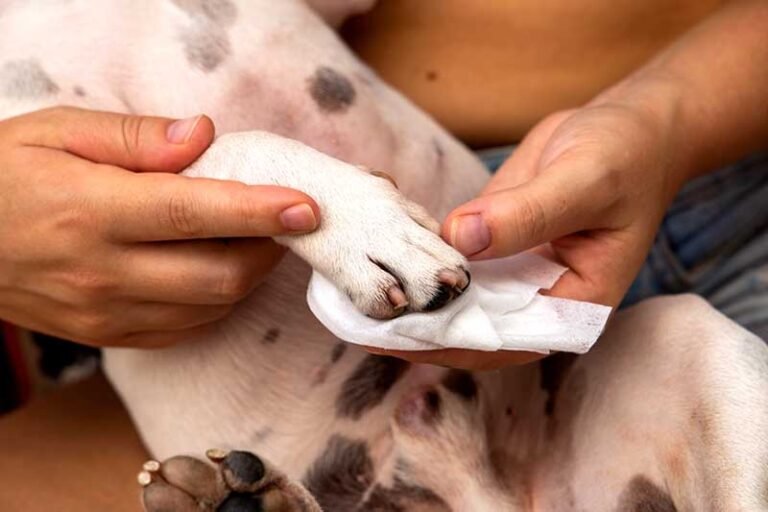
Boots can reduce direct contact with treated surfaces. Still, they are not a reason to ignore paw care. Wipe or rinse your dog’s feet after walks when needed, and prevent your dog from licking large amounts of residue from the paws.
If your dog eats a deicing product or a large amount of residue, contact a veterinarian or animal poison service for advice. Product ingredients differ, so the package label can be useful when seeking help.

- ✦ Check sidewalks
Choose routes with less salt and fewer visible piles of ice melt when possible.
- ✦ Clean paws
Rinse or wipe paws after walks to remove salt, grit, and other winter residue.
- ✦ Inspect between toes
Look between the toes because salt, snow, and small pieces of ice can collect there.
- ✦ Stop paw licking
Cleaning the paws can help reduce the amount of winter residue your dog may swallow while grooming.
How to Choose Winter Boots for a Dog
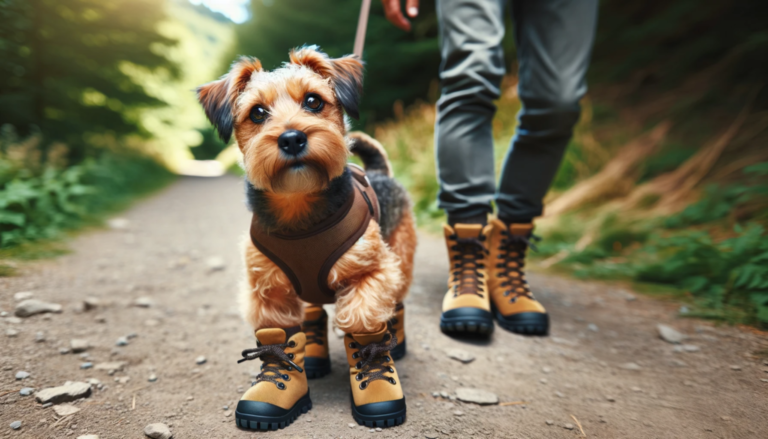
A winter boot only helps if your dog can wear it safely and comfortably. The boot should stay on during normal movement without squeezing the paw or rubbing the skin.
Look for a boot made for dogs and suited to the conditions you expect to face. A boot for dry trails may not offer the same water resistance or traction as one made for snow and ice.

- ✦ Correct size
Measure the paw according to the boot maker’s instructions. Do not choose a size based only on your dog’s weight or breed.
- ✦ Secure fit
The boot should stay in place but should not be so tight that it restricts movement or causes pressure.
- ✦ Good traction
A sole with useful grip can help on packed snow and slippery winter surfaces.
- ✦ Water resistance
A water-resistant design can help keep paws drier in slush and wet snow.
- ✦ Flexible design
The boot should allow natural paw movement rather than making the foot stiff or awkward.
- ✦ Easy cleaning
Winter boots should be simple to clean because salt, mud, and grit can build up on them.
How Should Dog Boots Fit?
Start by measuring the paw while your dog stands. Follow the boot brand’s measurement guide because sizing methods differ. Some brands use paw width, while others focus on paw length.
After putting the boots on, check the dog’s movement. Watch for slipping, twisting, rubbing, or repeated attempts to remove a boot. Check the skin after the first few short sessions for signs of pressure or rubbing.
- ✦ Test indoors
Let your dog wear the boots for a short time indoors before taking them outside.
- ✦ Watch the gait
Your dog should be able to walk without persistent stumbling or an unusual stride.
- ✦ Check the skin
Remove the boots and inspect the toes, paw, and lower leg for rubbing or redness.
How to Get a Dog Used to Winter Boots
Many dogs dislike boots at first. The strange feeling can make a dog walk with stiff legs, lift the feet high, or try to remove the boots. This does not always mean the boots are the wrong choice.
Introduce them slowly. Start with one or two boots indoors, use praise and rewards, and keep the first sessions short. Once your dog walks normally inside, try a short outdoor trip.
A Simple Boot Training Plan
Keep the first session calm and brief. Let your dog sniff the boots before putting them on. Reward calm behavior and remove the boots before your dog becomes stressed.
Increase the time in small steps. Do not rush from no boots to a long winter hike. Your goal is for the boots to feel normal before your dog needs them in difficult weather.
- ✦ Step 1
Let your dog sniff and inspect the boots.
- ✦ Step 2
Touch the boots to the paws without putting them on.
- ✦ Step 3
Put on one boot for a short indoor session and reward calm behavior.
- ✦ Step 4
Gradually add more boots and increase walking time.
- ✦ Step 5
Try short outdoor walks before using the boots for longer trips.
Alternatives to Winter Boots for Dogs
Boots are not the only way to protect dog paws in winter. For some dogs and conditions, simple paw care may be enough. The right choice depends on how cold the weather is and what your dog encounters outside.
If boots cause stress or your dog cannot tolerate them, you can often reduce exposure instead. Shorter walks, cleaner routes, and careful paw cleaning can lower some winter risks.
.webp "Do Dogs Need Boots in Winter? Paw Protection FAQs")
- ✦ Paw cleaning
Wipe or rinse paws after walks to remove salt, grit, and other residue.
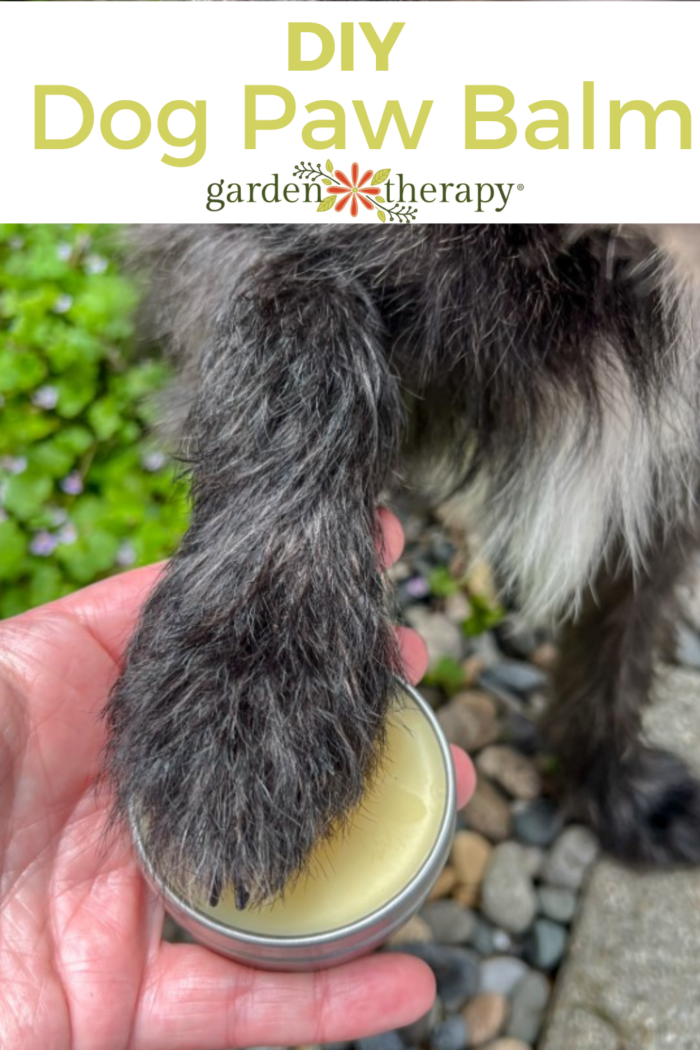
- ✦ Paw balm
A dog-safe paw balm may help protect dry pads, but it does not replace boots when strong surface protection is needed.
- ✦ Shorter walks
Reducing outdoor time can lower exposure during severe weather.
- ✦ Clean walking routes
Choose paths with less salt, fewer sharp ice patches, and safer footing when possible.
- ✦ Indoor exercise
Play and training indoors can provide activity when outdoor conditions are too harsh.
Are Paw Balms Better Than Dog Boots?
Paw balm and boots serve different purposes. A balm may help support the skin on dry paw pads, while boots provide a physical barrier against the ground.
For a dog walking on heavily salted sidewalks or sharp ice, balm alone may not provide the same surface barrier as a properly fitted boot. For a short walk on a clean, dry winter path, balm may be all some dogs need.
- ✦ Use balm for skin care
A dog-safe product can help with dry or rough paw skin when used as directed.
- ✦ Use boots for surface protection
Boots can reduce direct contact with ice, salt, snow, and other ground hazards.
Common Mistakes When Using Dog Winter Boots
Even a good boot can cause problems if it does not fit or if a dog wears it for too long without a check. Most problems are easy to avoid when owners take a few minutes to inspect the feet and watch the dog’s movement.
Do not assume that a boot is safe simply because it stays on. Comfort, fit, skin condition, and normal movement all matter.

- ✦ Choosing by breed alone
Dogs of the same breed can have different paw shapes. Use actual paw measurements instead.
- ✦ Making the boot too tight
A tight boot can cause pressure and rubbing. Secure does not mean tight.
- ✦ Skipping the training period
A dog may struggle with boots if the first experience happens during a long outdoor trip.
- ✦ Ignoring wet boots
Wet or dirty boots should be cleaned and dried between uses.
- ✦ Never checking the paws
Remove boots after use and inspect the skin, toes, and paw pads.
- ✦ Using boots as a cure-all
Boots help with paw protection but do not make extreme cold safe for unlimited outdoor time.
When to Stop Using a Pair of Boots
Stop and check the boots if your dog develops repeated rubbing, sores, swelling, or unusual discomfort. A boot that worked during one walk may not work after the fit changes or the dog’s paw becomes irritated.
If you cannot get a safe and comfortable fit, ask your veterinarian or a qualified pet professional for help. A different boot style may fit better, but a dog should not be forced to wear painful gear.
- ✦ Persistent rubbing
Repeated rubbing or raw skin means the fit or design needs attention.
- ✦ Pain
Remove the boots if your dog appears painful or cannot walk normally.
- ✦ Repeated slipping
A boot that constantly falls off may be the wrong size or shape for the paw.