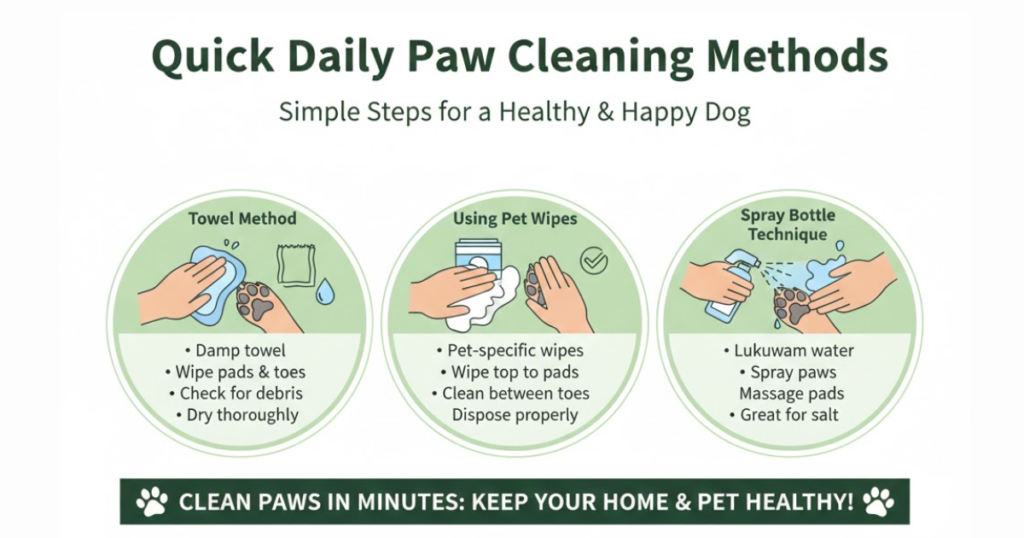
Clean between your dog’s paw pads with lukewarm water, a soft cloth, and careful inspection after walks.
Across the United States, dogs encounter dirt, mud, road salt, grass seeds, allergens, and other debris during daily walks. These materials often become trapped between the paw pads, where they can cause irritation, odor, discomfort, or infection if left untreated.
Understanding how to clean in between dogs paws properly helps protect paw health and allows owners to spot early signs of injury. A simple routine of inspection, gentle cleaning, thorough drying, and regular maintenance can keep paws comfortable and reduce the risk of common paw problems.
Source: gogostik.com
Why Cleaning Between Dog Paw Pads Matters
The spaces between a dog’s paw pads collect dirt, mud, pollen, sand, grass seeds, and small stones. Moisture can also become trapped in these areas, creating conditions that may encourage irritation or infection.
Regular cleaning helps remove contaminants before they cause discomfort. It also gives owners an opportunity to inspect for cuts, splinters, cracked skin, swelling, or foreign objects.
Source: i5.walmartimages.com
Removes Debris
Helps clear dirt, grass, and small particles lodged between pads.
Reduces Irritation
Limits contact with allergens and environmental irritants.
Supports Paw Health
Makes it easier to identify injuries early.
Dogs Most Likely to Need Frequent Paw Cleaning
Long-haired dogs, active outdoor dogs, hiking companions, and dogs living in wet climates often accumulate more debris between their paws and may benefit from more frequent inspections.
Long Fur
Hair between toes can trap dirt and moisture.
What You Need Before Cleaning
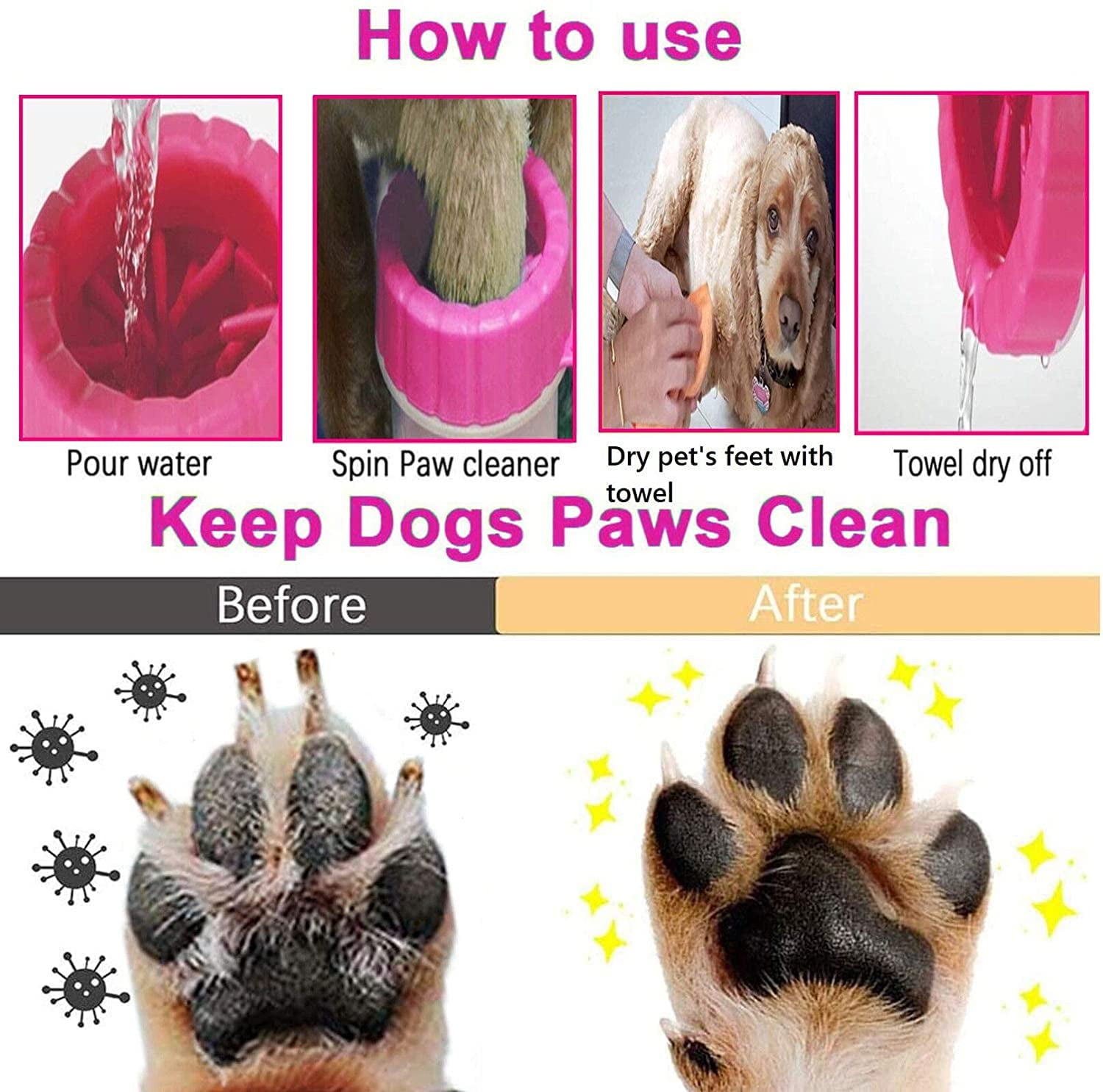
Gathering supplies beforehand makes the process easier and less stressful for your dog. Most dogs only require simple household items for routine paw cleaning.
Avoid harsh soaps, alcohol-based products, or cleaning chemicals that may irritate sensitive paw skin.
Source: m.media-amazon.com
Soft Cloth
Useful for wiping dirt and moisture.
Lukewarm Water
Helps loosen debris safely.
Pet-Safe Wipes
Can be used when water is unavailable.
Optional Grooming Tools
Small grooming scissors or clippers may help manage excess fur around the paw area when recommended by a groomer or veterinarian.
Trim Carefully
Only remove excess fur that traps dirt.
Step-by-Step Guide: How to Clean In Between Dogs Paws
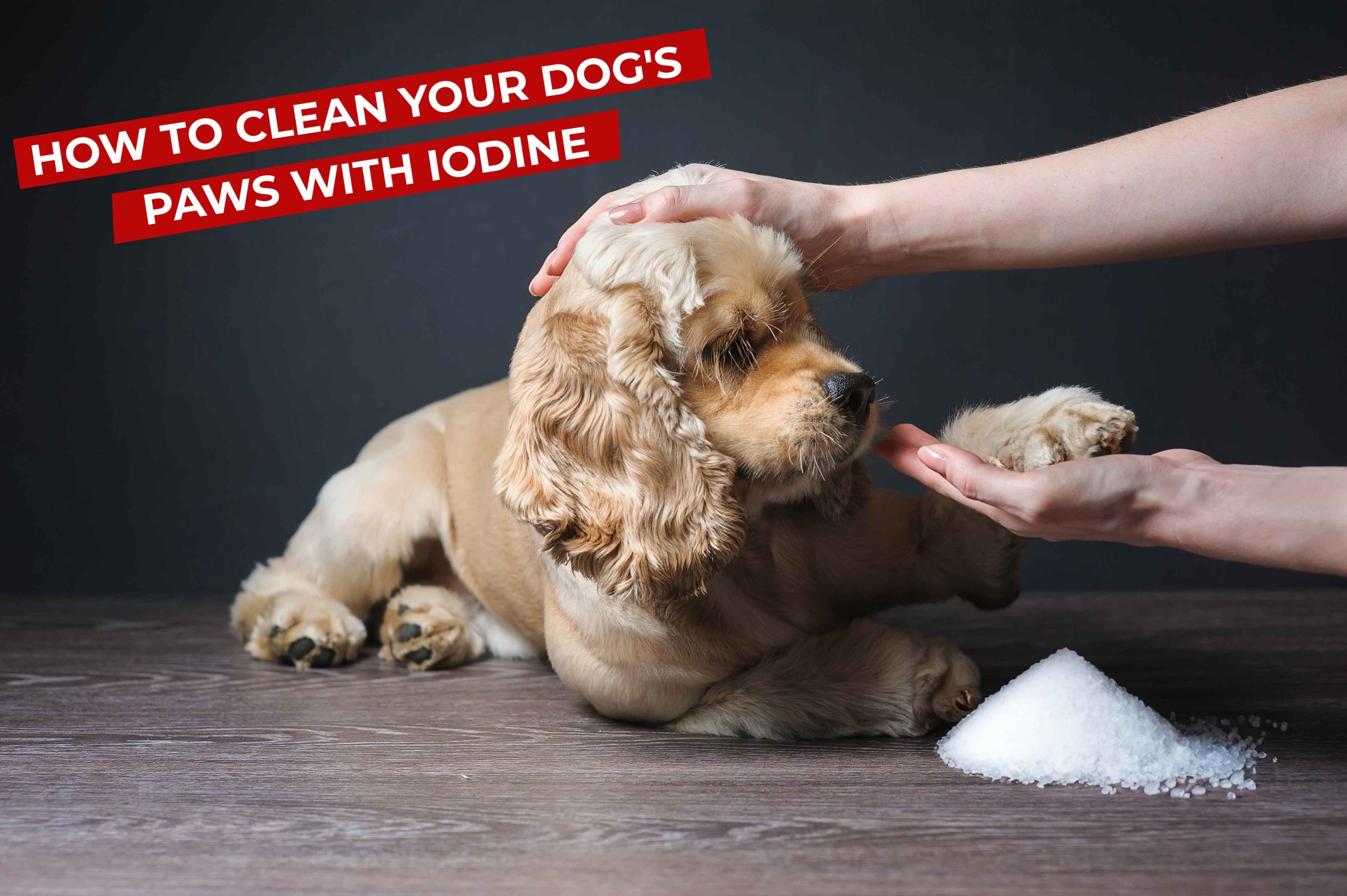
Following a consistent process helps remove dirt safely while minimizing stress for your dog. Work calmly and reward cooperative behavior.
Most cleaning sessions take only a few minutes and can become part of your regular post-walk routine.
Source: i.ytimg.com
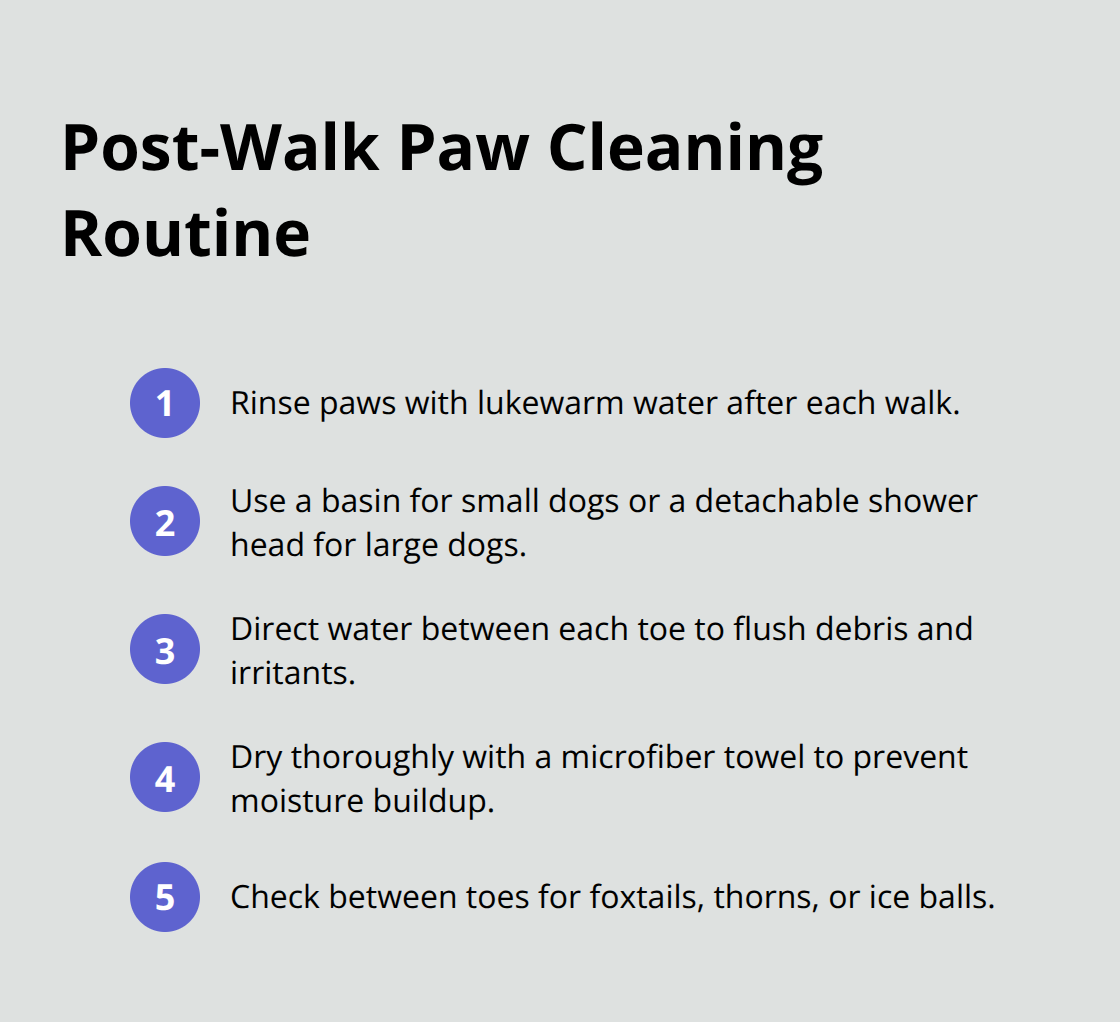
Step 1
Place your dog in a comfortable, secure location.
Step 2
Lift one paw and inspect between all toes and pads.
Step 3
Rinse with lukewarm water or wipe with a damp cloth.
Step 4
Remove loose debris gently using your fingers.
Step 5
Pat the paw dry, especially between the toes.
Signs the Cleaning Was Successful
The skin should appear clean, free of visible debris, and dry. Your dog should not show signs of discomfort when walking afterward.
Clean Skin
No visible mud, dirt, or trapped material remains.
Common Problems Found Between Dog Toes
Routine cleaning often reveals issues that might otherwise go unnoticed. Early detection can help prevent minor problems from becoming more serious.
Some conditions require veterinary evaluation, particularly when pain or infection is present.
Source: thepawdynasty.com
Grass Awns
Sharp plant material that may penetrate the skin.
Small Cuts
Can occur from rough surfaces or sharp objects.
Redness
May indicate irritation, allergies, or infection.
When to Contact a Veterinarian
Seek professional care if you notice bleeding, swelling, pus, limping, persistent licking, or a foreign object embedded in the paw.
Persistent Symptoms
Ongoing irritation should not be ignored.
Cleaning Frequency and Seasonal Considerations
How often you clean your dog’s paws depends on activity level, environment, and weather conditions. Dogs that spend significant time outdoors may need daily inspections.
Winter road salt, spring pollen, summer dust, and fall mud can all create different paw care challenges.
Source: dogingtonpost.com
Daily Walks
Perform a quick paw check after each outing.
Hiking Trips
Conduct a more thorough inspection after outdoor adventures.
Wet Conditions
Dry paws carefully to reduce moisture buildup.
Winter Paw Care
Road salt and de-icing products can irritate paw skin. Rinse paws after winter walks and dry thoroughly.
Remove Salt
Wash away residue as soon as possible.
Common Mistakes to Avoid
Many paw problems result from overly aggressive cleaning or failure to dry the area completely. Gentle care is usually the safest approach.
Avoid using products not specifically designed for pets unless directed by a veterinarian.
Source: healtharticlesmagazine.com
Using Harsh Chemicals
Can damage sensitive paw skin.
Skipping Drying
Trapped moisture may increase irritation risk.
Forcing Debris Removal
May worsen injuries or cause pain.
If Cleaning Does Not Solve the Problem
Persistent licking, odor, redness, or limping may indicate allergies, infection, injury, or another underlying issue that requires professional evaluation.
Monitor Symptoms
Track changes and seek veterinary guidance when needed.
Frequently Asked Questions
Q
Can I use baby wipes to clean between my dog’s paws?
Many baby wipes contain ingredients that may irritate dogs. Pet-safe wipes are generally the better choice for routine paw cleaning.
Q
How often should I clean between my dog’s toes?
A quick inspection after walks is helpful. Full cleaning is usually needed when dirt, mud, allergens, or debris are present.
Q
Why does my dog lick between its paws after walks?
Licking may occur because of irritation, trapped debris, allergies, moisture, or minor injuries. Inspect the paws carefully and contact a veterinarian if symptoms persist.
Q
Is it safe to soak my dog’s paws?
Brief soaking in clean lukewarm water can help loosen dirt. Dry the paws thoroughly afterward to prevent moisture buildup.
Q
What should I do if I find a thorn or splinter?
If it is superficial and easy to remove safely, do so gently. If it is deeply embedded, causing pain, or difficult to remove, seek veterinary assistance.
✦ Wrapping Up
Conclusion
Learning how to clean in between dogs paws is an important part of routine canine care. Regular inspection and gentle cleaning help remove debris, reduce irritation, and support healthy paw function.
A simple post-walk paw check can prevent many common problems and allows owners to identify injuries before they become more serious.
💡 Key Takeaway
Inspect, clean, and thoroughly dry your dog’s paws after outdoor activities to help maintain healthy, comfortable feet year-round.
Learn how to measure a dog’s girth correctly with our expert step-by-step guide. Ensure a perfect fit for dog harnesses, coats, and collars every time.
Discover why do cats fall over when wearing clothes, the science behind the behavior, whether it is normal, and how to help your cat adjust safely to clothing.
Learn how to protect dog paws from hot sand with practical beach safety tips, paw protection methods, warning signs of burns, and summer paw care strategies.
Learn how to groom a Chinese Crested dog with step-by-step instructions, skin care tips, bathing schedules, coat maintenance advice, and grooming mistakes to avoid.