Protect dog paws from hot sand by avoiding peak heat, using protective gear, and testing surface temperatures before walks.
Across the United States, beach trips and summer vacations often expose dogs to hot sand that can quickly overheat or burn sensitive paw pads. Coastal destinations in states such as Florida, California, Texas, and South Carolina can reach temperatures that are uncomfortable or dangerous for dogs during the hottest part of the day.
Understanding how to protect dog paws from hot sand helps prevent injuries, discomfort, and emergency veterinary visits. With proper planning, paw protection, and awareness of heat-related risks, most dogs can safely enjoy outdoor adventures near beaches, lakes, and sandy trails.
Source: i.pinimg.com
Why Hot Sand Is Dangerous for Dog Paws
Dog paw pads are tough but not immune to heat. Sand absorbs and retains solar energy, often becoming significantly hotter than the surrounding air temperature.
When a dog stands or walks on overheated sand, the paw pads can experience discomfort, redness, blistering, or burns. Puppies, senior dogs, and dogs with sensitive paws may be affected more quickly.
Source: s-media-cache-ak0.pinimg.com
Heat retention
Sand stores heat and can remain hot even when the air feels comfortable.
Direct contact
Dogs walk barefoot, placing their paw pads in constant contact with the hot surface.
Extended exposure
Long beach walks increase the likelihood of overheating and injury.
Signs of Paw Pad Burns
Watch for limping, reluctance to walk, excessive licking of the feet, redness, darkened skin, or visible blisters. Some dogs may stop suddenly or seek shade when their paws become uncomfortable.
Mild injury
Redness and temporary discomfort.
Moderate injury
Peeling skin, swelling, or persistent limping.
Severe injury
Blisters, open wounds, or inability to walk normally.
How to Test Sand Temperature Before Your Dog Walks
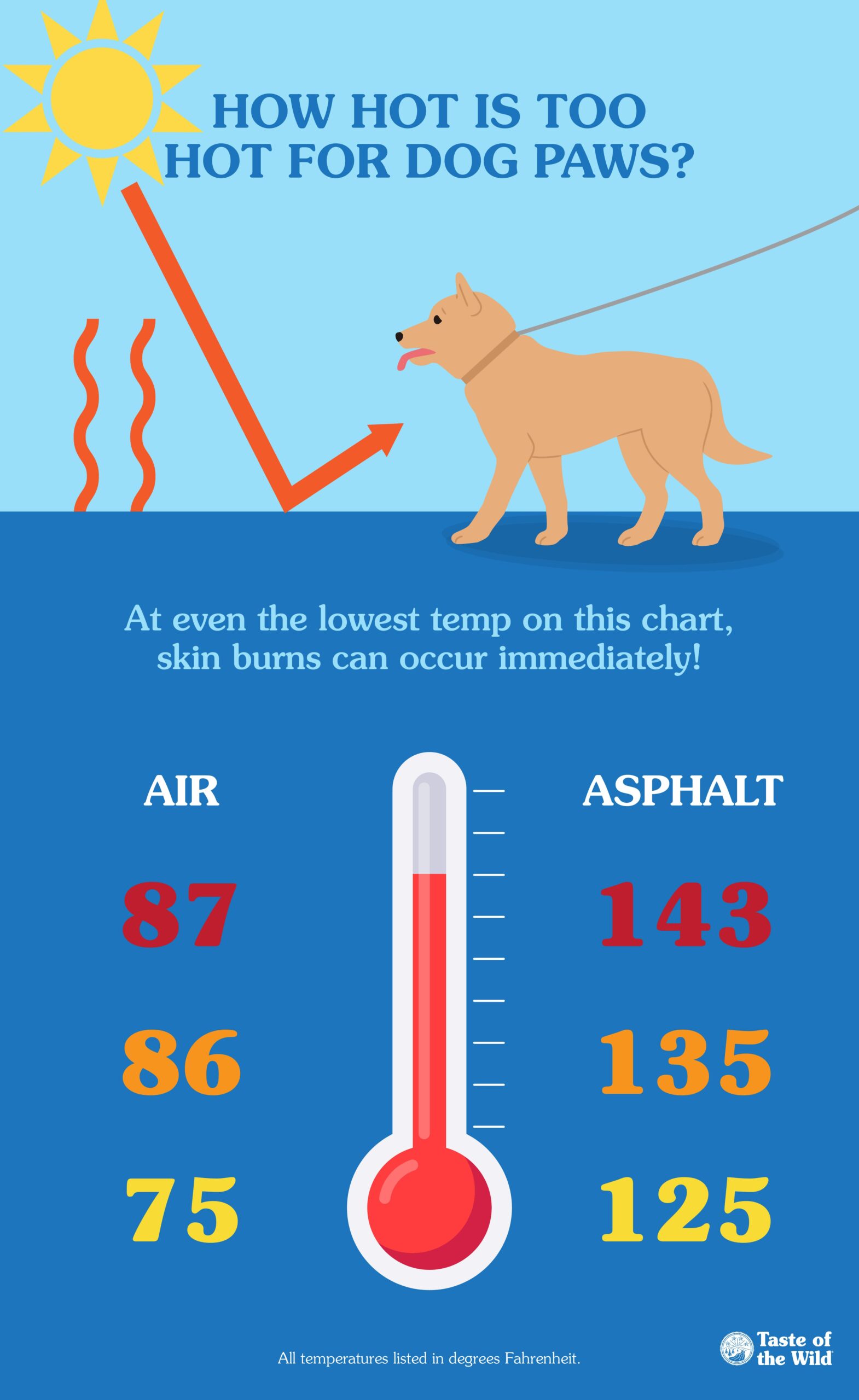
A simple temperature check can prevent painful injuries. Before allowing your dog onto the beach, test the sand with your bare hand or the back of your hand.
If you cannot comfortably keep your hand on the sand for several seconds, it is likely too hot for your dog’s paws.
Source: tasteofthewildpetfood.com
Hand test
Place your hand on the sand for 5 to 7 seconds.
Shoe comparison
If the surface feels excessively hot through thin footwear, it may be unsafe.
Check shaded areas
Temperatures may vary between sunny and shaded sections.
Best Times to Visit the Beach
Early mornings and evenings are generally cooler and safer. Midday hours often create the highest sand temperatures and increase the risk of burns.
Morning
Typically offers the coolest walking conditions.
Evening
Sand begins cooling after sunset approaches.
Best Ways to Protect Dog Paws From Hot Sand
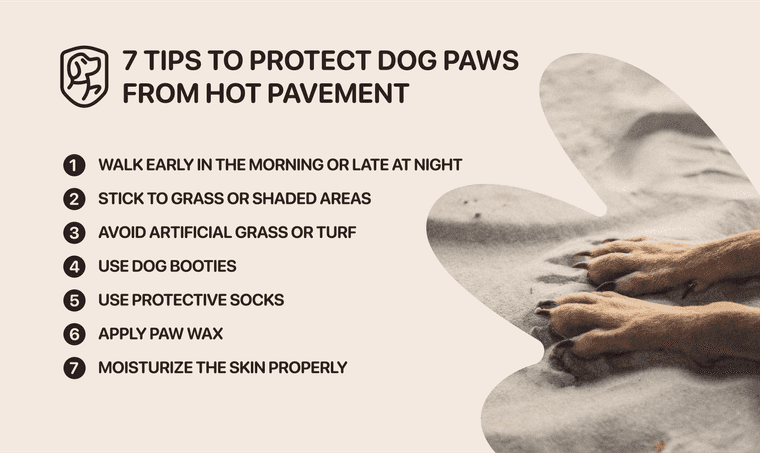
The most effective approach combines timing, protective equipment, and route selection. Matching the solution to your dog’s activity level and comfort is important.
Dogs that frequently visit beaches may benefit from multiple layers of protection, especially during summer travel.
Source: i.pinimg.com
Dog boots
Provide a physical barrier between paws and hot sand.
Paw wax
Creates a temporary protective coating on paw pads.
Frequent breaks
Reduce prolonged exposure to heated surfaces.
Using Dog Boots
Well-fitted dog boots can help protect paws from hot surfaces. Introduce boots gradually so your dog becomes comfortable wearing them before a beach outing.
Correct fit
Boots should stay secure without restricting movement.
Ventilation
Choose breathable designs for warm weather.
Applying Paw Balm or Paw Wax
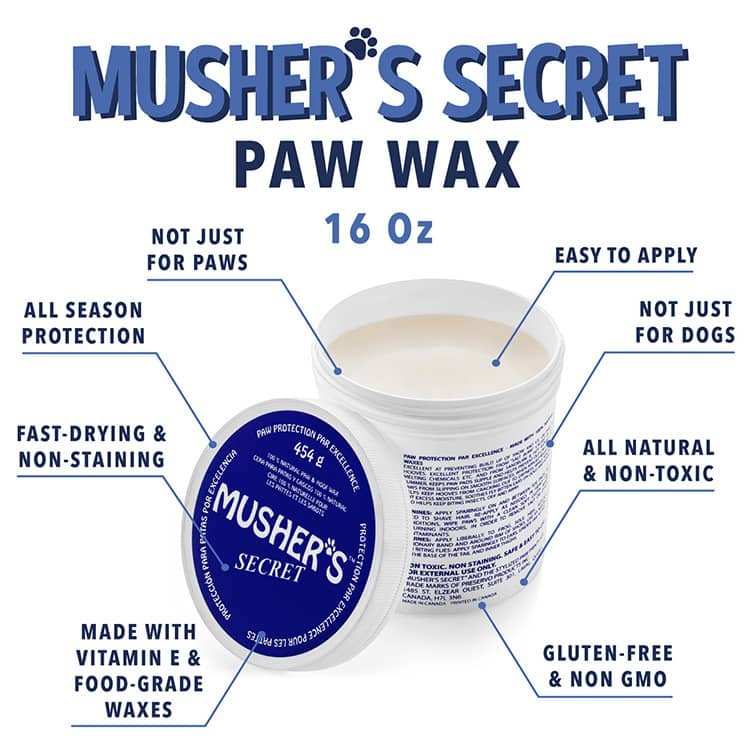
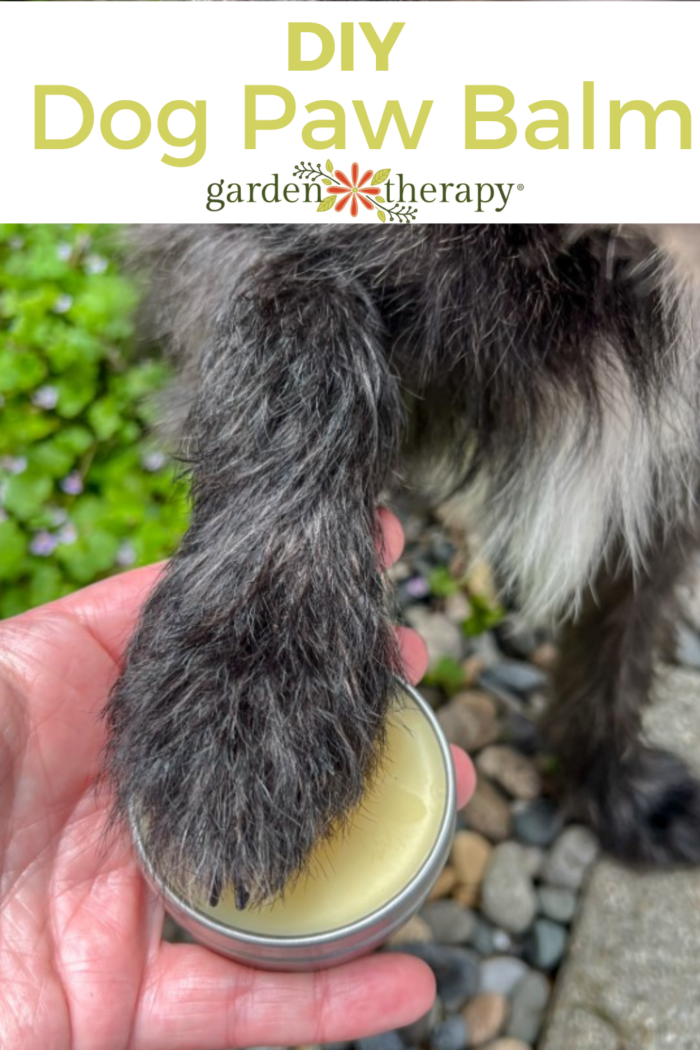
Paw balms and waxes can help moisturize and shield paw pads from minor heat exposure. They are not a substitute for avoiding dangerously hot surfaces.
Apply before activity
Use according to manufacturer instructions.
Inspect afterward
Check paws after returning home.
Beach Safety Checklist for Dogs
A simple preparation routine reduces the likelihood of paw injuries and heat stress. Planning ahead is especially important during summer vacations.
Carry supplies that help keep your dog cool, hydrated, and comfortable throughout the outing.
Source: i.pinimg.com
Fresh water
Prevent dehydration and encourage regular drinking.
Portable shade
Provide a cool resting area.
Towel or mat
Create a cooler surface for resting.
When to Leave the Beach
If your dog starts lifting paws, limping, panting excessively, or seeking shade continuously, it is time to move to a cooler environment.
Behavior changes
Reduced enthusiasm may indicate discomfort.
Physical signs
Inspect paws immediately if limping develops.
What to Do If Your Dog Burns Its Paws
Move your dog off the hot sand immediately if you suspect a burn. Relocate to a cool, shaded area and inspect the paw pads carefully.
Minor irritation may improve with rest and cooling, but significant burns require veterinary evaluation.
Source: i.pinimg.com
Cool the paws
Use cool water, not ice-cold water.
Prevent licking
Avoid further irritation of injured tissue.
Seek veterinary care
Contact a veterinarian for severe injuries.
Signs Veterinary Care Is Needed
Blisters, open wounds, bleeding, severe swelling, or persistent limping should be evaluated by a veterinarian as soon as possible.
Open wounds
Require professional assessment and treatment.
Ongoing pain
May indicate deeper tissue injury.
Common Mistakes Dog Owners Make on Hot Beaches
Many paw injuries occur because conditions seem comfortable to people while the sand is much hotter at ground level. Small planning errors can create unnecessary risks.
Avoiding common mistakes can make beach visits safer and more enjoyable for both dogs and owners.
Source: i.pinimg.com
Walking at midday
The hottest hours create the greatest risk.
Skipping temperature checks
Conditions can change quickly throughout the day.
Ignoring warning signs
Early discomfort often appears before visible injury.
Creating a Safe Routine
Check conditions before every outing, carry protective supplies, and monitor your dog’s behavior throughout the trip.
Plan ahead
Choose cooler times and shaded locations.
Hot Sand Safety Decision Guide
Use environmental conditions and your dog’s behavior to decide whether it is safe to continue walking. When in doubt, choose caution and move to a cooler area.
Preventing injury is easier than treating damaged paw pads after exposure.
Source: woofz.com
Cool sand
Suitable for normal activity with monitoring.
Warm sand
Limit exposure and use protection if needed.
Hot sand
Avoid direct contact and relocate immediately.
Signs of Success
Your dog walks comfortably, shows no limping, maintains normal activity levels, and has healthy paw pads after the outing.
Healthy paws
No redness, cracks, or sensitivity.
Frequently Asked Questions
Q
Can dogs burn their paws on hot sand?
Yes. Hot sand can become hot enough to burn paw pads, especially during sunny summer afternoons. The risk increases with prolonged exposure.
Q
Are dog boots necessary at the beach?
Not always, but they can provide valuable protection when sand temperatures are high or when dogs have sensitive paws.
Q
What is the safest time to walk a dog on the beach?
Early morning and evening are usually the safest times because sand temperatures are generally lower than during midday.
Q
Does paw wax completely prevent burns?
No. Paw wax may provide some protection and conditioning, but it cannot make extremely hot sand safe for prolonged exposure.
Q
How long does it take for burned paw pads to heal?
Recovery depends on the severity of the injury. Mild irritation may improve within days, while more serious burns can require veterinary treatment and a longer healing period.
✦ Wrapping Up
Conclusion
Learning how to protect dog paws from hot sand is an essential part of responsible summer pet care. Simple precautions such as checking surface temperatures, avoiding peak heat, and using protective equipment can dramatically reduce injury risk.
Whether you visit beaches occasionally or frequently, monitoring conditions and your dog’s comfort level will help keep every outing safer and more enjoyable.
💡 Key Takeaway
Before every beach trip, test the sand temperature, bring water and shade, and use paw protection whenever conditions become hot.
Learn how to apply Mushers Secret to dogs paws correctly. Follow step-by-step instructions, safety tips, troubleshooting advice, and best practices for year-round paw protection.
Learn how to protect dog paws from salt during winter walks. Discover effective prevention methods, paw care tips, boot options, and safe post-walk cleaning routines.
Learn how to moisturize dog paws naturally using safe ingredients, step-by-step care methods, prevention tips, and signs that your dog may need veterinary attention.
Learn how to clean stained dog paws safely using simple at-home methods. Remove dirt, saliva, grass, and environmental stains while protecting your dog’s paw health.