Do Vets Recommend Boots for Dogs? What Veterinarians Say
If you ask, “do vets recommend boots for dogs?” the most accurate answer is that it depends on the dog and the setting. Veterinary guidance often treats boots as a useful protective tool, not as gear that every dog needs for every walk. The main goal is simple: prevent paw damage while keeping the dog comfortable and able to walk in a natural way.
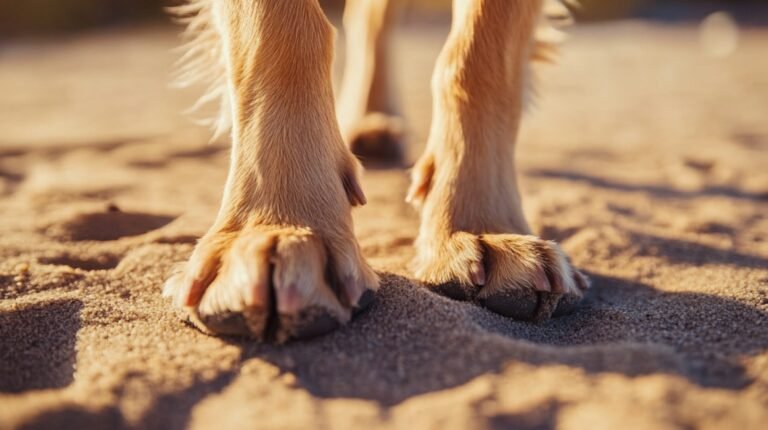
Dog paw pads are tough, but they are not damage-proof. Hot pavement can burn them. Ice and snow can cause painful problems, while salt and deicers may irritate the skin. Boots can add a barrier between the paws and these hazards, but they must fit well and be used for the right reason.
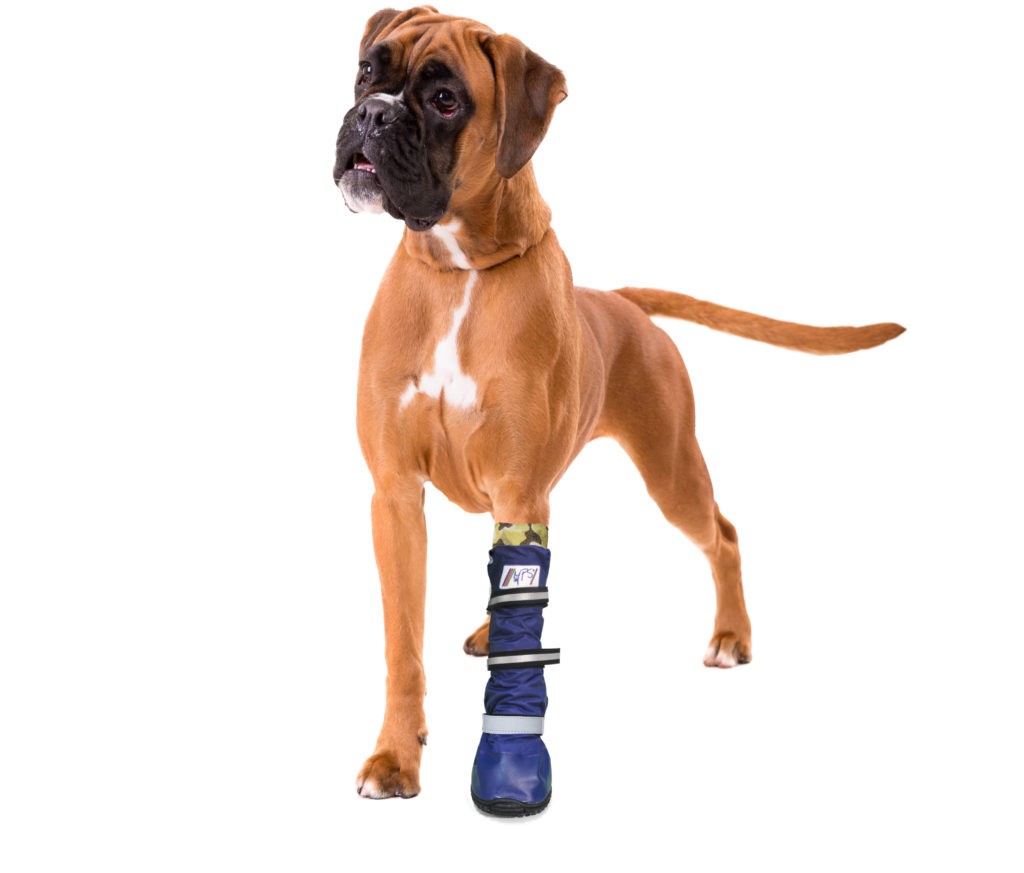
Do vets recommend boots for dogs in general?
There is no single rule that says every dog should wear boots. When people ask, “do vets recommend boots for dogs?” the answer usually depends on weather, terrain, health, and the dog’s comfort. A dog that walks on soft grass in mild weather may have little need for footwear.
Boots become more useful when the paws face a clear risk. Veterinary sources commonly discuss booties as one option for protecting paws from cold, ice, salt, deicers, hot surfaces, and rough ground. In some cases, a vet may also suggest protective footwear as part of care for a paw problem.
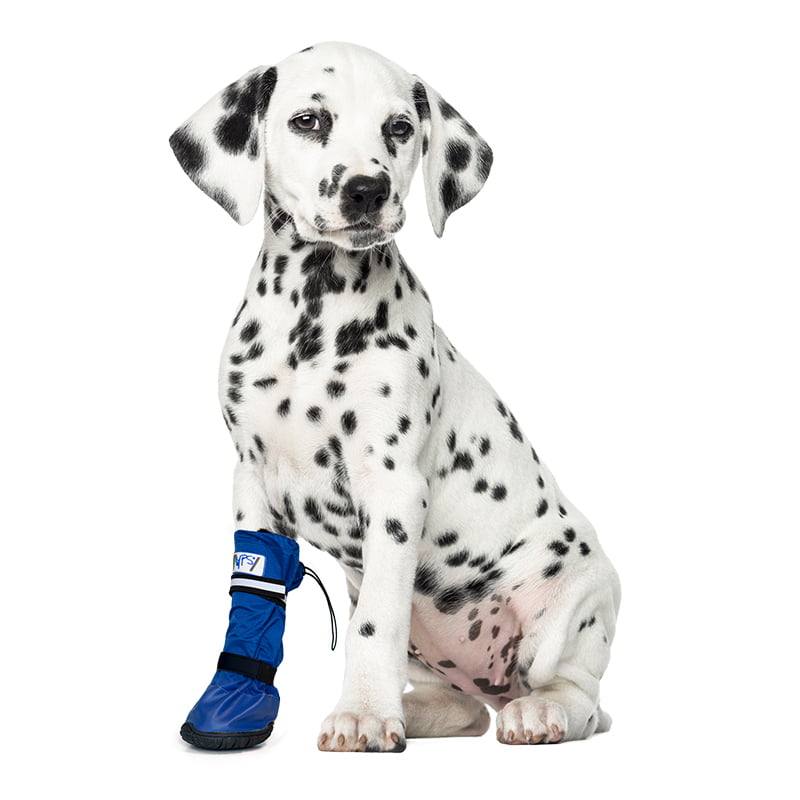
- ✦ Not every dog needs them
For many dogs, normal walks on safe ground do not require boots.
- ✦ Some dogs benefit from them
Boots can help when weather or terrain creates a real risk of paw injury.
- ✦ Medical cases are different
If a dog has a wound, burn, cracked pad, or other paw problem, ask a veterinarian before choosing or using a boot.
Why vets may suggest boots
A veterinarian may suggest boots when avoiding the hazard is not practical. For example, a dog may need to cross salted sidewalks during a winter walk or walk on hot pavement during a necessary trip outside. Boots can act as a physical barrier when other changes alone are not enough.
- ✦ Weather
Boots can help shield paws from extreme heat, cold, snow, and ice.
- ✦ Chemicals
Boots can reduce direct contact with salt and some deicing products.
- ✦ Rough ground
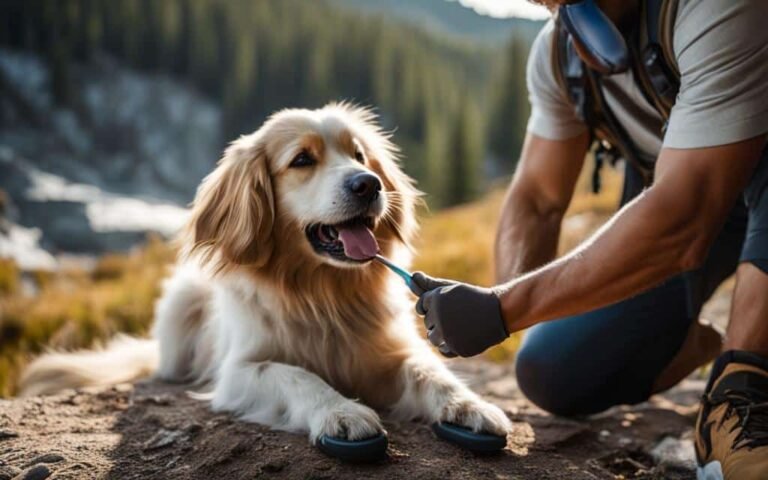
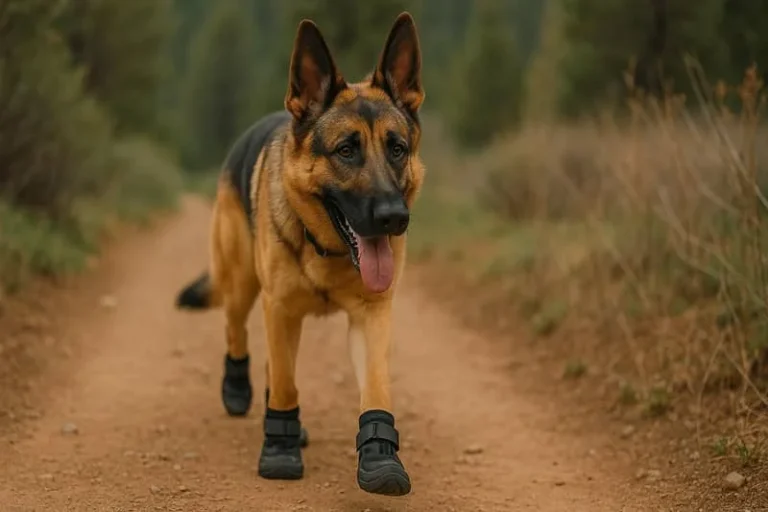
A sturdy sole can help protect paws from sharp rocks, rough trails, and other abrasive surfaces.
When do vets recommend boots for dogs?
The strongest reason to use boots is a known paw hazard. If the surface can burn, freeze, cut, scrape, or irritate the paw, protective footwear may make sense. Still, boots are only one part of a safe walking plan.
A vet may also consider the dog’s size, coat, age, health, activity, and past paw problems. A small dog, a dog with sensitive paws, or a dog that spends a lot of time on rough trails may have different needs from a healthy adult dog on short neighborhood walks.
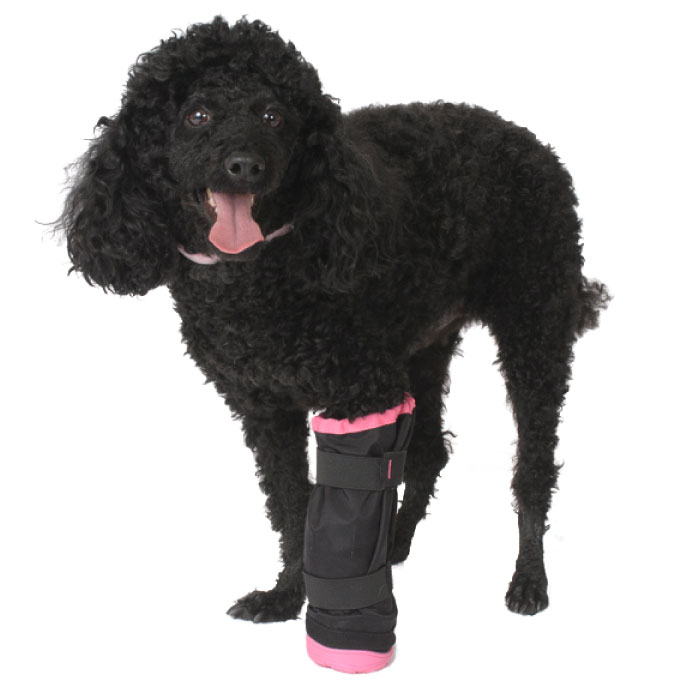
- ✦ Hot pavement
Hot asphalt and concrete can burn paw pads. Boots may help when walking on hot surfaces cannot be avoided.
- ✦ Ice and snow
Boots can reduce contact with freezing surfaces and help stop ice from building between the toes.
- ✦ Salt and deicers
Boots can create a barrier between paw pads and sidewalk salt or ice-melting products.
- ✦ Rough trails
Protective soles can help reduce scrapes and cuts during hikes over rocky or rough ground.
- ✦ Existing paw problems
A veterinarian may recommend a protective boot in some recovery plans, but the type and timing should match the injury.
Hot weather and burned paws
Hot pavement is a real paw hazard. Asphalt and concrete can become much hotter than the surrounding air, and a dog may develop burns after only a short walk. Moving walks to cooler times and choosing grass or shade are often better first steps, but boots can add protection when exposure is unavoidable.
- ✦ Check the route
Choose grass, shade, or cooler surfaces when possible.
- ✦ Watch the paws
Limping, licking, redness, or pain after a walk can signal paw damage.
Winter walks
Winter creates several paw risks at once. Ice can hurt the pads, snow can form painful balls between the toes, and deicing products can irritate the skin. Boots can reduce these exposures, especially when a dog will spend time outdoors in snow or on treated sidewalks.
- ✦ Salt protection
Boots can limit direct contact with salt and other sidewalk deicers.
- ✦ Ice protection
Boots can help keep snow and ice away from sensitive skin between the toes.
- ✦ Keep walks sensible
Boots do not make extreme cold safe for unlimited outdoor time.
What benefits can dog boots provide?
The main benefit of boots is physical protection. They place a layer between the paw and the surface, which can reduce contact with heat, cold, ice, salt, sharp objects, and rough ground. This can be useful for active dogs that spend a lot of time outdoors.
Boots can also help keep snow and ice from packing around the toes. For some dogs, this makes winter walks more comfortable. The key is that the boot should protect the paw without creating pressure, rubbing, or excess moisture.
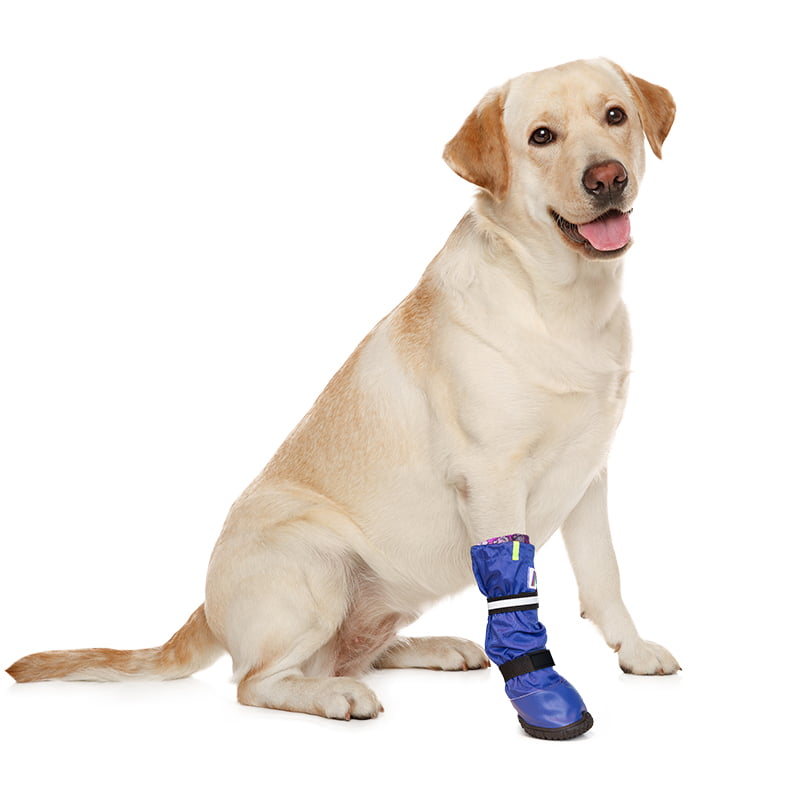
- ✦ Paw protection
A well-made boot can shield the pad from abrasive, hot, cold, or sharp surfaces.
- ✦ Less exposure to deicers
A boot can reduce direct contact with salt and some ice-melting products.
- ✦ Less snow buildup
Boots can help stop snow and ice from collecting between the toes.
- ✦ Better trail protection
Durable soles may help dogs handle rocky or rough trails with less paw wear.
- ✦ Extra protection during recovery
In selected cases, a veterinarian may use protective footwear as part of a paw-care plan.
Boots are not a replacement for good paw care
Even when a dog wears boots, check the paws after walks. Look between the toes and around the pads for redness, cuts, swelling, wetness, or foreign material. Regular checks can catch a small problem before it becomes a larger one.
- ✦ Inspect
Look at all four paws after walks in difficult conditions.
- ✦ Clean
Remove salt, dirt, snow, and other debris when needed.
- ✦ Dry
Dry the paws and the inside of boots after wet walks.
Can dog boots cause problems?
Yes. Boots are not automatically safe just because they are made for dogs. A poor fit, rough seam, loose strap, trapped moisture, or long period of use can cause rubbing and discomfort.
Some dogs also change the way they walk when they first wear boots. That is why gradual training matters. If a dog shows pain, persistent limping, swelling, or strong distress, remove the boots and check the paws.

- ✦ Poor fit
A boot that is too tight can create pressure, while a loose boot can rub or slip.
- ✦ Moisture
Wet boots can create an uncomfortable environment around the paws, so feet and footwear should be kept dry when possible.
- ✦ Rubbing
Seams or stiff materials can irritate the skin during longer walks.
- ✦ Stress
Some dogs dislike footwear and may become anxious or resist walking.
- ✦ False confidence
Boots do not make dangerous weather safe. Dogs still need limits on exposure to extreme heat or cold.
Signs the boots are not working
Pay close attention during and after the first few uses. A dog may need a different size or design if the boot slips, twists, causes rubbing, or makes normal movement difficult.
- ✦ Repeated licking
Frequent licking after boot use can point to irritation or discomfort.
- ✦ Limping
A new limp means you should stop and inspect the paw and boot fit.
- ✦ Red marks
Redness or pressure marks can mean the boot is rubbing or too tight.
How should dog boots fit?
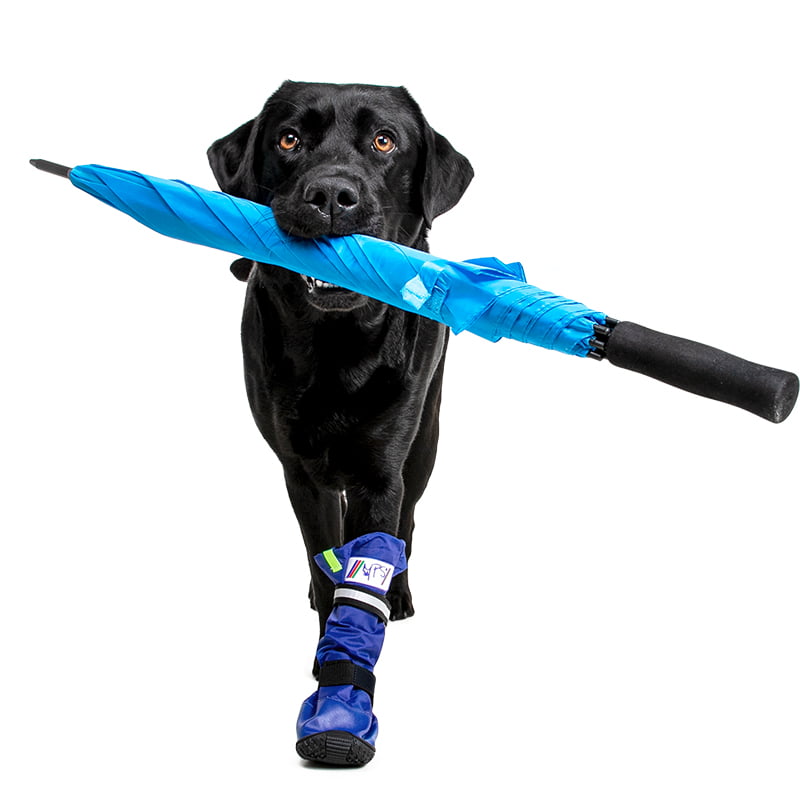
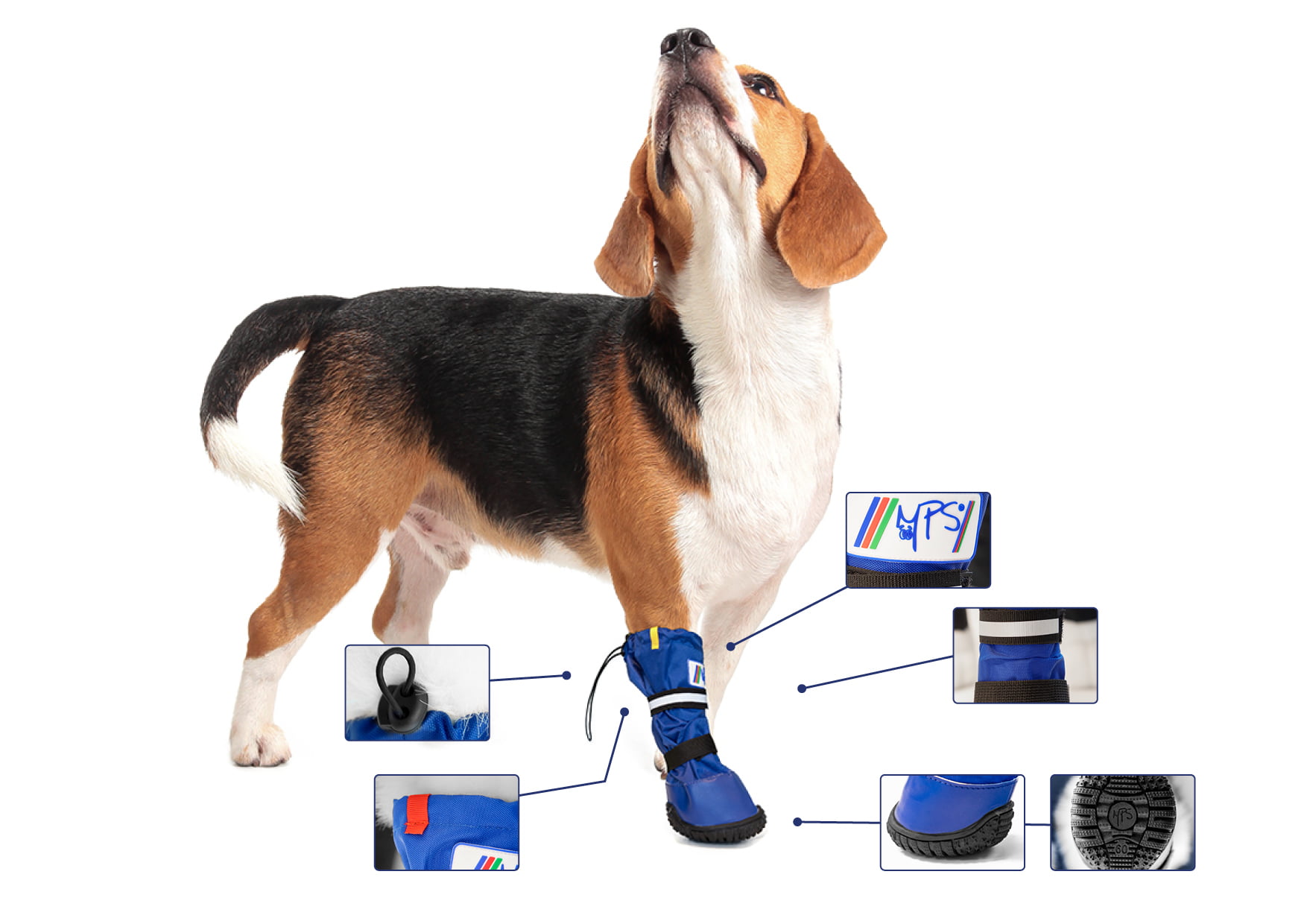
Fit is one of the most important parts of safe boot use. The boot should stay on during normal movement without squeezing the paw or rubbing the skin. Follow the manufacturer’s sizing method because brands can measure paws in different ways.
Check the boot after a short indoor trial. Look for secure movement, normal walking, and no signs of pressure. A boot that looks secure while standing may still shift when the dog runs, turns, or climbs.
- ✦ Measure carefully
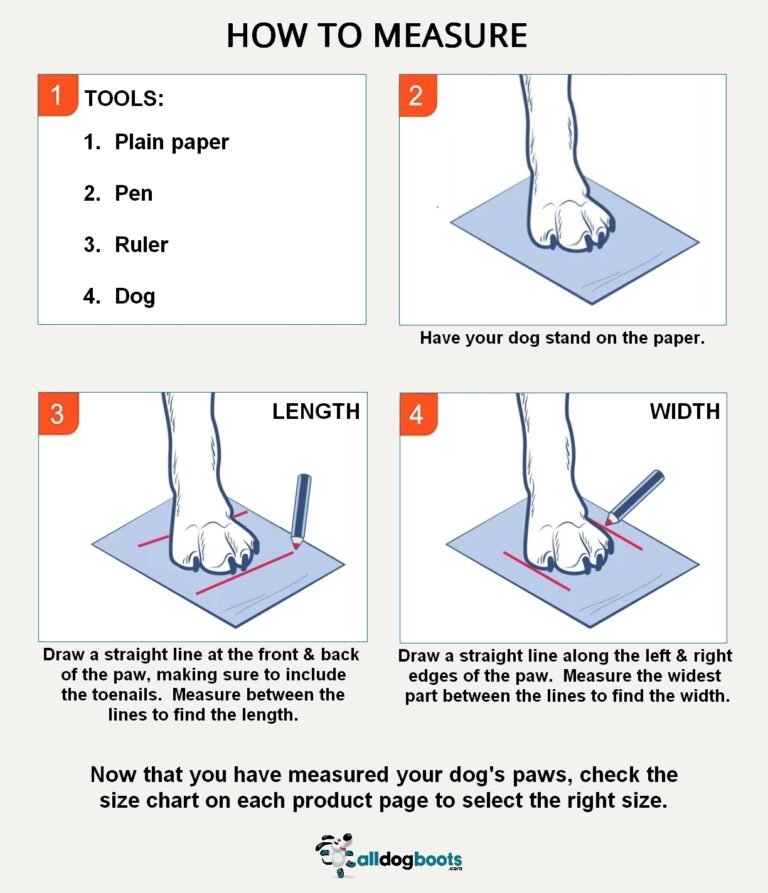
Measure the paw according to the brand’s instructions before choosing a size.
- ✦ Check the closure
The fastening should hold the boot in place without being painfully tight.
- ✦ Watch movement
The dog should be able to walk without obvious changes caused by the footwear.
- ✦ Inspect after use
Check the skin and pads for rubbing, redness, swelling, or dampness.
How to measure a dog’s paw for boots
Have your dog stand on a firm surface. Place the paw on paper and measure according to the boot maker’s directions, including the widest part of the paw if required. Repeat the process for each paw if the manufacturer advises it, since front and rear paws may differ.
- ✦ Measure while standing
A standing paw bears weight and can spread more than a lifted paw.
- ✦ Use the brand chart
Do not assume one company’s small, medium, or large size matches another company’s size.
How do vets recommend introducing dogs to boots?
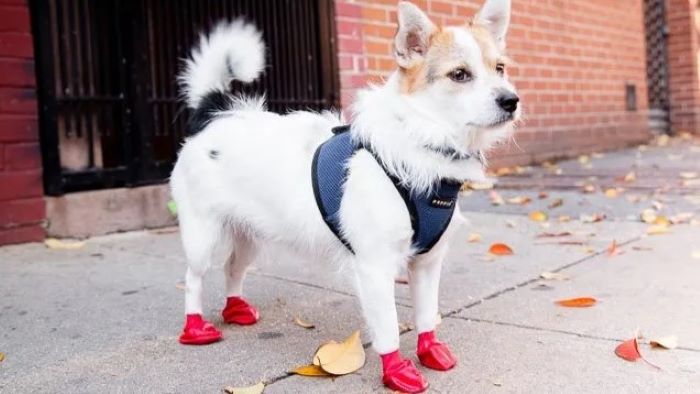
Most dogs need time to learn that boots are normal. A dog may walk stiffly, lift its feet, or try to remove the boots at first. This does not always mean the boots are unsafe; it often means the dog needs a slow introduction.
Start indoors when the dog is calm. Let the dog see and smell the boots, then put them on for a short period and reward calm behavior. Increase the time in small steps before using the boots outdoors.
- ✦ Start with one or two paws
A short indoor session can help the dog adjust without becoming overwhelmed.
- ✦ Use rewards
Treats and praise can create a positive link with putting on the boots.
- ✦ Keep early sessions short
Remove the boots before the dog becomes highly stressed or frustrated.
- ✦ Practice walking
Let the dog take a few normal steps indoors before moving outside.
- ✦ Build up slowly
Increase walking time only when the dog moves comfortably and shows no signs of irritation.
What if a dog refuses to wear boots?
Do not force a dog to wear boots for long periods. First check the fit and design. If the dog still cannot tolerate them, ask a veterinarian about other ways to protect the paws, such as changing the walking route, shortening walks, using paw protection products when suitable, or cleaning the paws after exposure.
- ✦ Change the environment
Avoid hot, icy, sharp, or heavily salted surfaces when possible.
- ✦ Try another design
Different boot shapes and fastening systems may feel very different to a dog.
- ✦ Ask your vet
A veterinarian can help if your dog has sensitive paws or a medical reason for needing protection.
Do vets recommend boots for dogs with paw injuries?
Sometimes, but this is a situation where veterinary guidance matters most. A cut, burn, puncture, infection, or surgical wound can need specific care, and covering it with the wrong boot may trap moisture, add pressure, or interfere with healing.
If a dog is limping, licking a paw repeatedly, bleeding, or showing exposed tissue, do not rely on a boot as treatment. A veterinarian can decide whether a protective boot is suitable and how it should be used.
- ✦ Cuts and punctures
These may need cleaning, protection, and an examination based on their depth and location.
- ✦ Burns
Severe burns can need veterinary treatment and should not be hidden under an ordinary boot.
- ✦ Swelling or infection
Swelling, discharge, odor, or worsening pain should prompt veterinary attention.
- ✦ Recovery after treatment
Use any protective footwear exactly as your veterinarian directs.
When to call the veterinarian
A mild problem may improve after removing the hazard and cleaning the paws, but persistent or severe signs need professional care. Prompt attention is especially important when the paw is badly burned, deeply cut, swollen, bleeding, or painful.
- ✦ Persistent limping
A limp that does not quickly settle after stopping the walk should be checked.
- ✦ Open or deep wound
An open, deep, or heavily bleeding wound needs veterinary assessment.
- ✦ Severe burn
Blistering, exposed tissue, major discoloration, or severe pain warrants veterinary care.
What should you do if your dog does not need boots?
Boots are only one option for paw protection. If your dog’s normal route is safe and the weather is mild, simple paw checks may be enough. There is no need to add footwear just because other dogs wear it.
When conditions change, adjust the walk rather than relying only on boots. In winter, wipe or rinse salt from the paws after walks. In hot weather, choose cooler times and surfaces. These simple steps can reduce paw exposure without making the dog wear footwear.
- ✦ Choose safer routes
Use grass, shade, cleared paths, and other surfaces that are less likely to injure paws.
- ✦ Change the time
Walk early or later in the day when pavement is cooler during hot weather.
- ✦ Clean the paws
Wipe or rinse paws after contact with salt, deicers, dirt, or other irritants.
- ✦ Use paw balm when suitable
A dog-safe balm may help protect dry or cracked pads, but it does not replace veterinary treatment for serious injury.
- ✦ Shorten difficult walks
Reducing exposure is often safer than trying to make an extreme environment safe with equipment alone.
Boots versus paw balm
Boots provide a physical barrier, while paw balm creates a protective layer on the pad. Balm can be useful when a dog will not tolerate boots, but it does not provide the same level of physical protection from sharp rocks or very hot surfaces. The right option depends on the hazard and the individual dog.
- ✦ Boots
Best suited to situations where a physical barrier is needed and the dog can wear them comfortably.
- ✦ Paw balm
Useful for conditioning and adding a barrier in some mild conditions.
- ✦ Route changes
Often the simplest option when the main hazard can be avoided.