Protect dogs paws when running by choosing safe surfaces, building distance gradually, checking paws often, and avoiding extreme temperatures.
Across the United States, many dog owners run with their dogs on sidewalks, trails, parks, and neighborhood streets. Understanding how to protect dogs paws when running helps reduce the risk of cuts, burns, abrasions, and long-term discomfort.
Healthy paw pads are durable, but they are not indestructible. Surface type, weather conditions, running distance, speed, and individual paw sensitivity all affect how well a dog’s paws tolerate exercise. A thoughtful training and paw-care routine can help most dogs run more comfortably and safely.
Why Paw Protection Matters During Running
A dog’s paw pads act as natural shock absorbers and provide traction during movement. Repeated impact from running places more stress on the paws than normal walking.
Without proper protection, dogs can develop abrasions, cracked pads, blisters, cuts, and heat-related injuries. Prevention is usually easier and safer than treating an injured paw.
Impact Stress
Running increases pressure on paw pads compared to walking.
Environmental Hazards
Glass, rocks, thorns, hot pavement, and road salt can damage paws.
Signs a Dog’s Paws Need Protection
Watch for limping, excessive licking, bleeding, cracked pads, sensitivity when walking, or reluctance to continue running. These signs may indicate irritation or injury.
Early Warning
Frequent paw licking often appears before more serious injury develops.
Choose the Right Running Surface
The surface your dog runs on plays a major role in paw health. Softer surfaces generally create less friction and impact than hard or abrasive surfaces.
Grass trails, packed dirt paths, and well-maintained natural trails are often easier on paws than rough concrete or asphalt.
Best Options
Grass, dirt trails, and soft natural terrain usually reduce paw wear.
Use Caution
Rough asphalt, gravel, and rocky terrain can increase abrasion risk.
Avoid Hazardous Running Areas
Inspect routes for broken glass, metal fragments, sharp stones, construction debris, and other hazards before making them part of your regular running routine.
Route Inspection
Regularly check favorite running routes for changing conditions.
Build Paw Strength Gradually
Dogs benefit from gradual conditioning just like human runners. Sudden increases in mileage can damage paws even when the dog appears physically fit.
Start with shorter runs and slowly increase duration and distance over several weeks. This allows paw pads to adapt to the demands of regular running.
Progress Slowly
Increase distance gradually rather than making large jumps in mileage.
Recovery Time
Rest days help paws recover from repeated impact.
Signs Conditioning Is Working
Conditioned paws generally show fewer abrasions, less sensitivity, and better tolerance for routine running distances.
Healthy Adaptation
Paw pads become more resilient through consistent and reasonable exercise.
Protect Paws From Heat and Cold
Weather conditions can dramatically affect paw safety. Hot pavement may cause burns, while winter conditions can expose paws to ice, snow, and deicing chemicals.
Test pavement temperature with your hand before running. If the surface feels too hot to hold comfortably, it may be unsafe for your dog.
Summer Safety
Run during cooler morning or evening hours.
Winter Safety
Remove snow, ice, and road salt from paws after exercise.
Temperature Awareness
Environmental conditions often change throughout the day. A safe route in the morning may become dangerous during peak afternoon heat.
Monitor Conditions
Adjust schedules based on daily weather patterns.
Use Paw Care Products When Needed
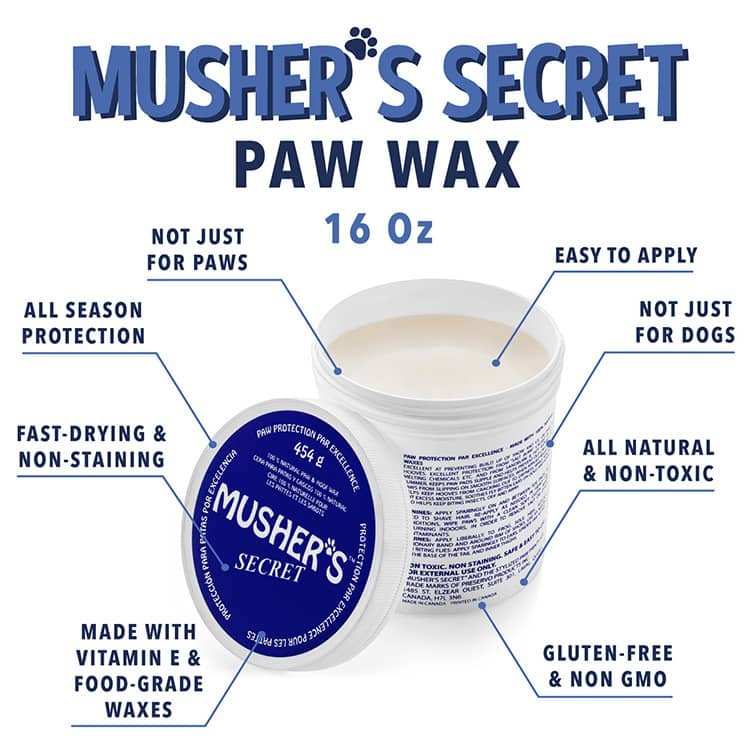
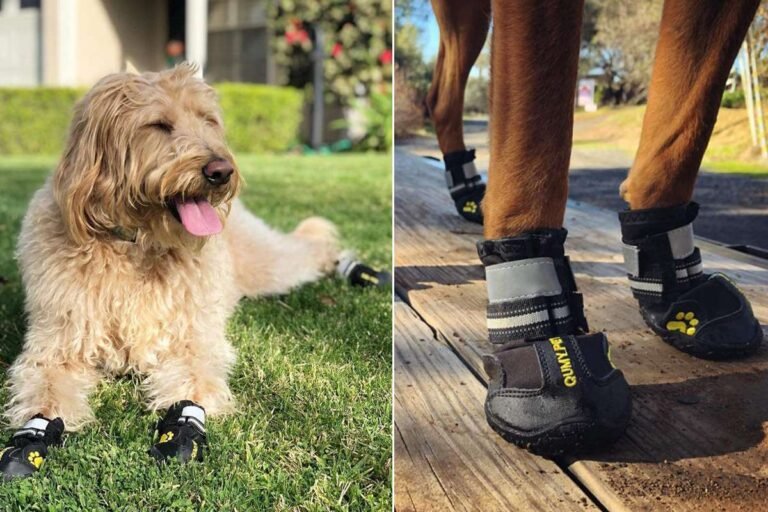
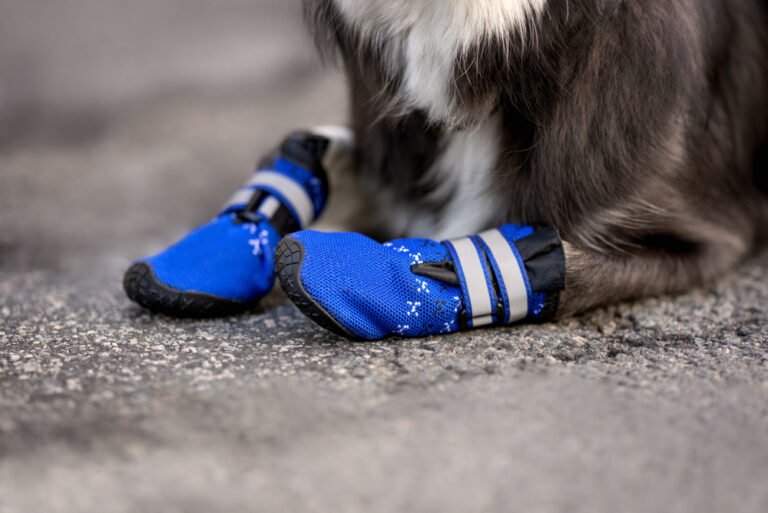
Some dogs benefit from additional paw protection during challenging conditions. Paw balms can help maintain moisture and reduce cracking, while protective footwear may be useful on harsh terrain.
Products should support natural movement and be introduced gradually so the dog can adapt comfortably.
Paw Balm
May help maintain healthy pad condition and reduce dryness.
Protective Footwear
Can provide an extra barrier on rough or extreme surfaces.
When Extra Protection Is Helpful
Long-distance runs, rocky trails, extreme temperatures, and dogs with sensitive paws may benefit from additional protection.
Higher-Risk Situations
Use extra precautions when environmental conditions increase injury risk.
Inspect and Maintain Paws Regularly
Routine paw inspections help identify problems before they become serious. Examine paw pads, nails, and spaces between the toes before and after runs.
Early detection of cracks, cuts, embedded debris, or swelling can prevent minor issues from becoming more significant injuries.
Check Nails
Overgrown nails can affect gait and increase paw stress.
Remove Debris
Check between toes for stones, burrs, and other foreign objects.
When to Contact a Veterinarian
Seek veterinary care if a paw injury causes persistent limping, significant bleeding, swelling, signs of infection, or worsening pain.
Professional Evaluation
Persistent symptoms require medical assessment.
Frequently Asked Questions
Q
How often should I check my dog’s paws after running?
Check paws after every run. Regular inspections help identify cuts, cracks, abrasions, or debris before they become more serious problems.
Q
Can dogs run on pavement every day?
Many healthy dogs can run on pavement regularly if distances are appropriate and temperatures are safe. Monitor paw condition and vary surfaces when possible.
Q
Do all running dogs need paw protection products?
No. Many dogs do well without additional products. Paw balms or protective footwear are most useful when conditions increase the risk of injury.
Q
What should I do if my dog’s paw pad becomes cracked?
Reduce activity, keep the paw clean, and monitor healing. If cracks are deep, painful, bleeding, or persistent, contact a veterinarian.
Q
What is the safest surface for running with a dog?
Grass and well-maintained dirt trails are often among the gentlest surfaces for paws. The safest option depends on terrain quality, weather, and the dog’s condition.
✦ Wrapping Up
Conclusion
Learning how to protect dogs paws when running involves a combination of smart route selection, gradual conditioning, weather awareness, and regular paw inspections.
Most paw injuries can be reduced through prevention and early attention. Consistent care helps active dogs enjoy running while staying comfortable and healthy.
💡 Key Takeaway
Inspect your dog’s paws before and after each run, choose safe surfaces, and adjust distance and conditions gradually to minimize injury risk.
Learn how to apply Mushers Secret to dogs paws correctly. Follow step-by-step instructions, safety tips, troubleshooting advice, and best practices for year-round paw protection.