Protect dogs paws when hiking by conditioning paw pads, choosing safe trails, using protective gear, and checking paws throughout the hike.
Across the United States, dogs hike on rocky mountain trails, desert paths, forest routes, and coastal terrain. Each environment creates different risks for paw pads, including cuts, burns, abrasions, and irritation from rough surfaces.
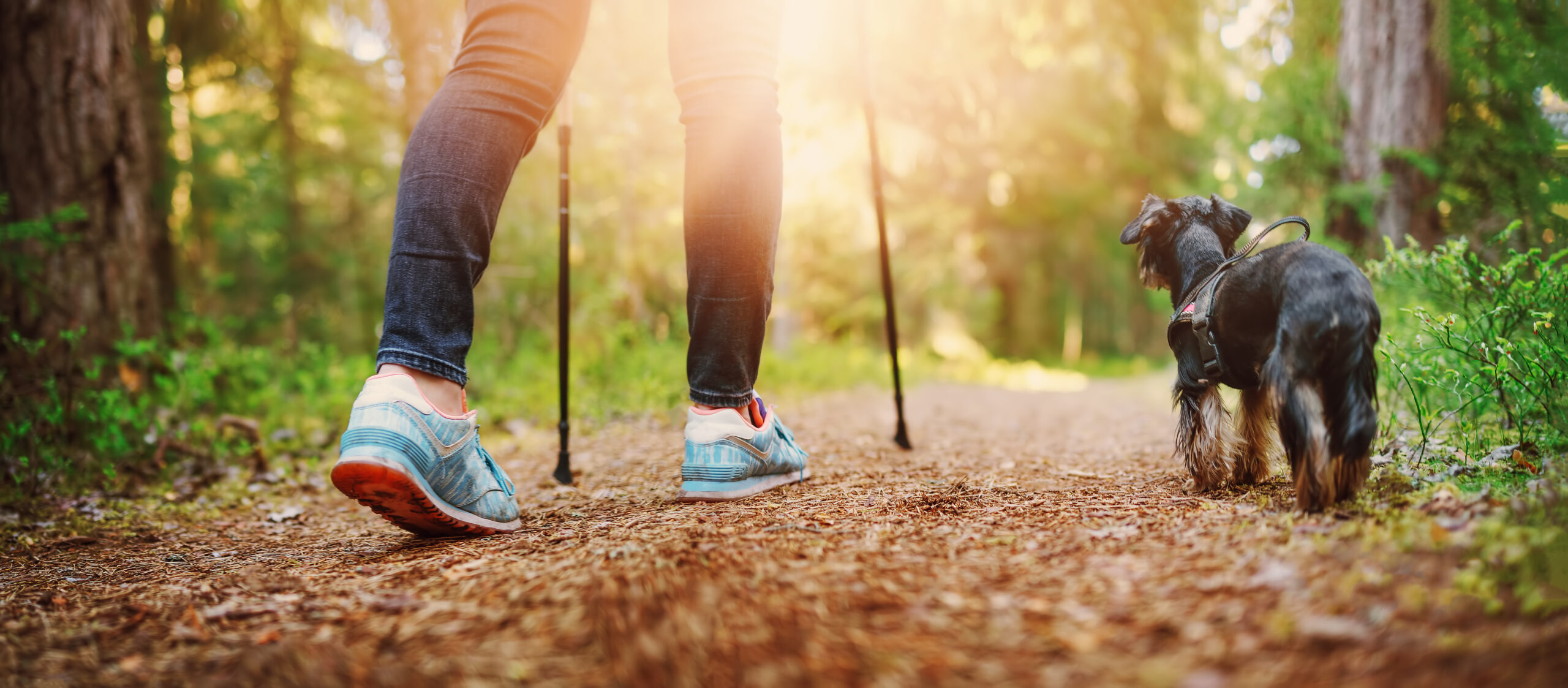
Understanding how to protect dogs paws when hiking starts before you reach the trailhead. Proper conditioning, regular paw inspections, weather awareness, and the right equipment can reduce injuries and help your dog stay comfortable during outdoor adventures.
Source: floridaanimalfriend.org
Why Dogs Need Paw Protection on Hiking Trails
Dog paw pads are tough but not indestructible. Hiking exposes them to rocks, gravel, roots, thorns, hot surfaces, snow, ice, and uneven terrain that can cause injuries.
Even athletic dogs can develop abrasions, cracked pads, cuts, blisters, or soreness during long hikes. Preventive care is easier and safer than treating a paw injury deep on a trail.
Source: www.pinterest.com
Sharp Objects
Rocks, broken branches, and thorny vegetation can cut paw pads.
Extreme Temperatures
Hot ground and frozen surfaces may damage paw tissue.
Long Distances
Extended mileage increases friction and wear on paw pads.
Common Paw Injuries During Hikes
The most common hiking-related paw problems include abrasions, torn nails, cracked pads, puncture wounds, and irritation from rough terrain. Early detection helps prevent more serious injuries.
Warning Sign
Limping, licking paws, or slowing down may indicate discomfort.
Prepare Your Dog Before the Hike
Preparation is one of the most effective ways to protect paws. Dogs that spend most of their time indoors may not have conditioned paw pads ready for rugged trails.
Start with short walks on varied surfaces and gradually increase distance over several weeks. This helps toughen the paw pads naturally while building endurance.
Source: houndandcompany.com
Trim Nails
Proper nail length improves traction and reduces injury risk.
Check Paw Pads
Look for cracks, cuts, redness, or existing soreness before hiking.
Increase Distance Gradually
Avoid sudden jumps from short walks to all-day hikes.
Pack Essential Paw Supplies
Carry paw balm, gauze, antiseptic wipes, tweezers, booties, and drinking water. These items can help address minor issues before they become serious problems.
First Aid Priority
Treat cuts and abrasions immediately to prevent contamination.
Choose the Right Paw Protection Gear
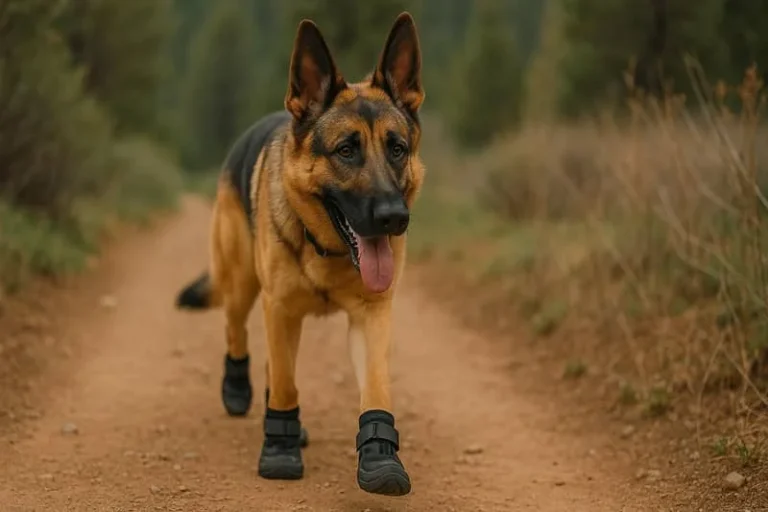
Dog boots provide the highest level of protection on rough, rocky, snowy, or extremely hot trails. They create a barrier between the paw pad and the ground.
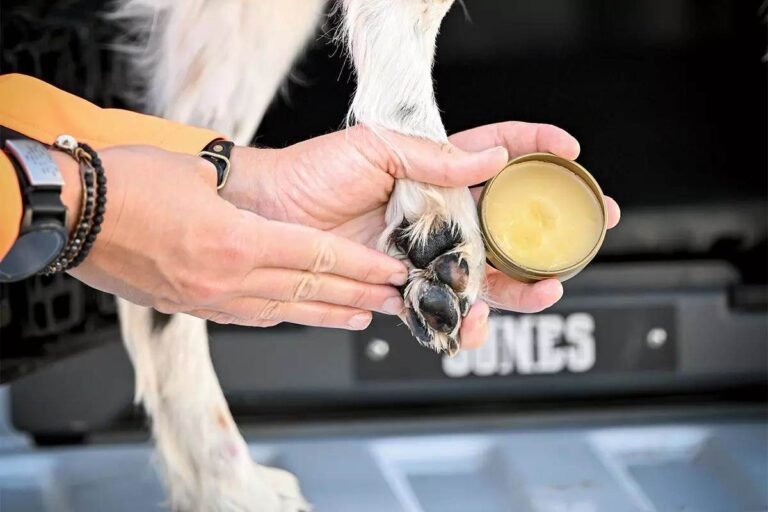
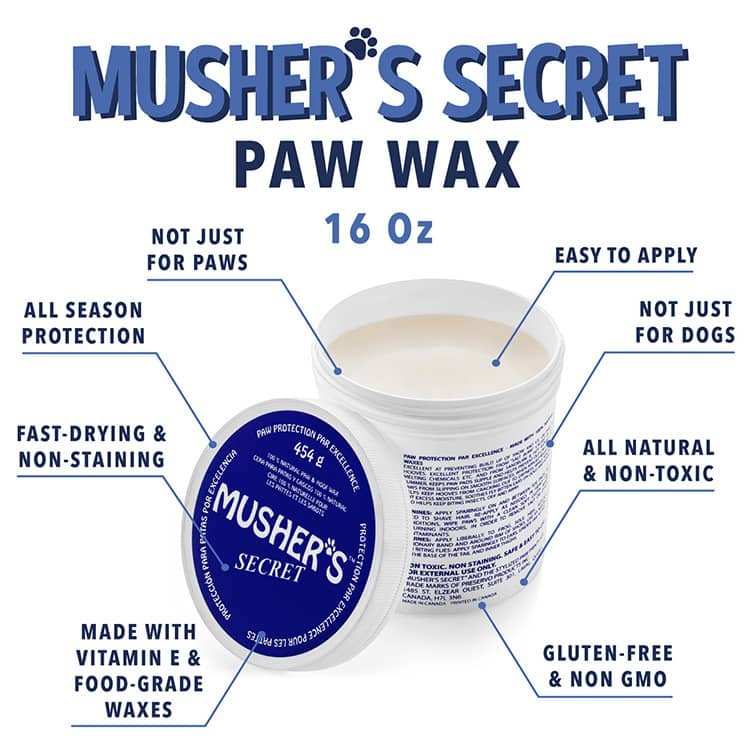
Paw wax or paw balm can provide additional protection against dryness and minor abrasions. Many hikers use both products depending on trail conditions.
Source: animalia-life.club
Dog Boots
Best for sharp rocks, snow, ice, and extended hiking trips.
Paw Wax
Adds moisture and a protective layer for moderate conditions.
Protective Socks
Useful for some dogs but less durable than boots.
How Boots Should Fit
Boots should fit snugly without restricting circulation. Loose boots may rub, twist, or fall off during a hike.
Fit Check
Your dog should walk naturally without slipping or stumbling.
Protect Paws During the Hike
Monitor trail conditions continuously. Surfaces can change rapidly from soft dirt to sharp rock fields or hot exposed areas.
Schedule breaks every few miles to inspect paws, remove debris, and ensure your dog remains comfortable. Regular checks often catch problems before they become serious injuries.
Source: artofit.org
Stay Hydrated
Proper hydration supports overall health during physical activity.
Take Rest Stops
Rest reduces repetitive stress on paw pads.
Watch Terrain
Avoid areas with excessive sharp rocks or debris when possible.
Signs the Trail Is Too Harsh
Frequent stopping, limping, excessive paw licking, or reluctance to continue may indicate the terrain is causing discomfort.
Immediate Action
Stop and inspect paws if your dog’s gait changes suddenly.
What to Do if Paw Problems Occur on the Trail
Minor abrasions can often be cleaned, protected, and monitored until you return home. More serious injuries may require ending the hike immediately.
Deep cuts, excessive bleeding, severe limping, or foreign objects embedded in the paw should be evaluated by a veterinarian as soon as possible.
Source: fr.pinterest.com
Clean the Area
Remove dirt and debris before applying bandaging materials.
Protect the Paw
Use gauze, wrap, or a boot to reduce further damage.
Monitor Movement
Assess whether your dog can safely continue walking.
When to Seek Veterinary Help
Persistent bleeding, deep punctures, torn nails, or signs of infection require professional evaluation and treatment.
Emergency Sign
Refusal to bear weight on a paw warrants immediate attention.
Post-Hike Paw Care Checklist
Inspect paws thoroughly after every hike. Small injuries are easier to manage when discovered early.
Wash away dirt, mud, salt, and plant material. Apply a moisturizing paw balm if pads appear dry or rough.
Source: pawpurity.com
Check Between Toes
Grass seeds, pebbles, and debris often collect there.
Look for Cracks
Small cracks can worsen if left untreated.
Allow Recovery
Give paws time to heal between demanding hikes.
Signs of Healthy Paw Pads
Healthy pads are firm, free of bleeding, and show no excessive swelling, redness, or sensitivity.
Dog boots can be very helpful on rocky, snowy, icy, or extremely hot trails. They provide a protective barrier and can reduce the risk of cuts and abrasions.
Q
How far can a dog hike before paw damage becomes a concern?
The answer depends on fitness level, terrain, weather, and paw conditioning. Gradually increasing distance helps reduce injury risk.
Q
Can paw balm replace dog boots?
Paw balm can help protect and moisturize paw pads, but it generally does not provide the same level of protection as boots on harsh terrain.
Q
How often should I check my dog’s paws during a hike?
Check paws at rest breaks and whenever your dog shows signs of discomfort. Frequent inspections help catch problems early.
Q
What surfaces are hardest on dog paws?
Sharp gravel, jagged rocks, hot exposed stone, icy terrain, and rough volcanic surfaces are among the most challenging environments for paw pads.
✦ Wrapping Up
Conclusion
Learning how to protect dogs paws when hiking is essential for safe and enjoyable outdoor adventures. Preparation, proper gear, routine inspections, and post-hike care all play important roles in preventing injuries.
Most paw problems can be avoided through gradual conditioning, smart trail selection, and early intervention when issues appear. Consistent care helps your dog stay comfortable and confident on the trail.
💡 Key Takeaway
Before your next hike, inspect your dog’s paws, pack a simple paw first aid kit, and choose protection that matches the terrain and weather conditions.
Learn how to apply coconut oil to dog paws with step-by-step instructions, safety tips, benefits, common mistakes, and signs that your dog’s paw pads need extra care.
Learn how to protect dog paws without boots using paw balm, route planning, surface management, and seasonal care. Discover practical ways to keep your dog’s paws healthy year-round.
Learn how to apply Mushers Secret to dogs paws correctly. Follow step-by-step instructions, safety tips, troubleshooting advice, and best practices for year-round paw protection.