Protect dogs’ paws at the beach by avoiding hot sand, rinsing after exposure, checking for injuries, and using paw protection when needed.
Across the United States, dogs visit beaches year-round, from California and Florida to the Great Lakes shoreline. While beach trips provide exercise and enrichment, sand, saltwater, shells, and heat can damage paw pads if owners do not take simple precautions.
Understanding how to protect dogs paws at beach starts with identifying the main risks. Hot sand can cause burns, salt and debris can irritate skin, and sharp objects may lead to cuts. With proper preparation and regular paw checks, most dogs can enjoy the beach safely.
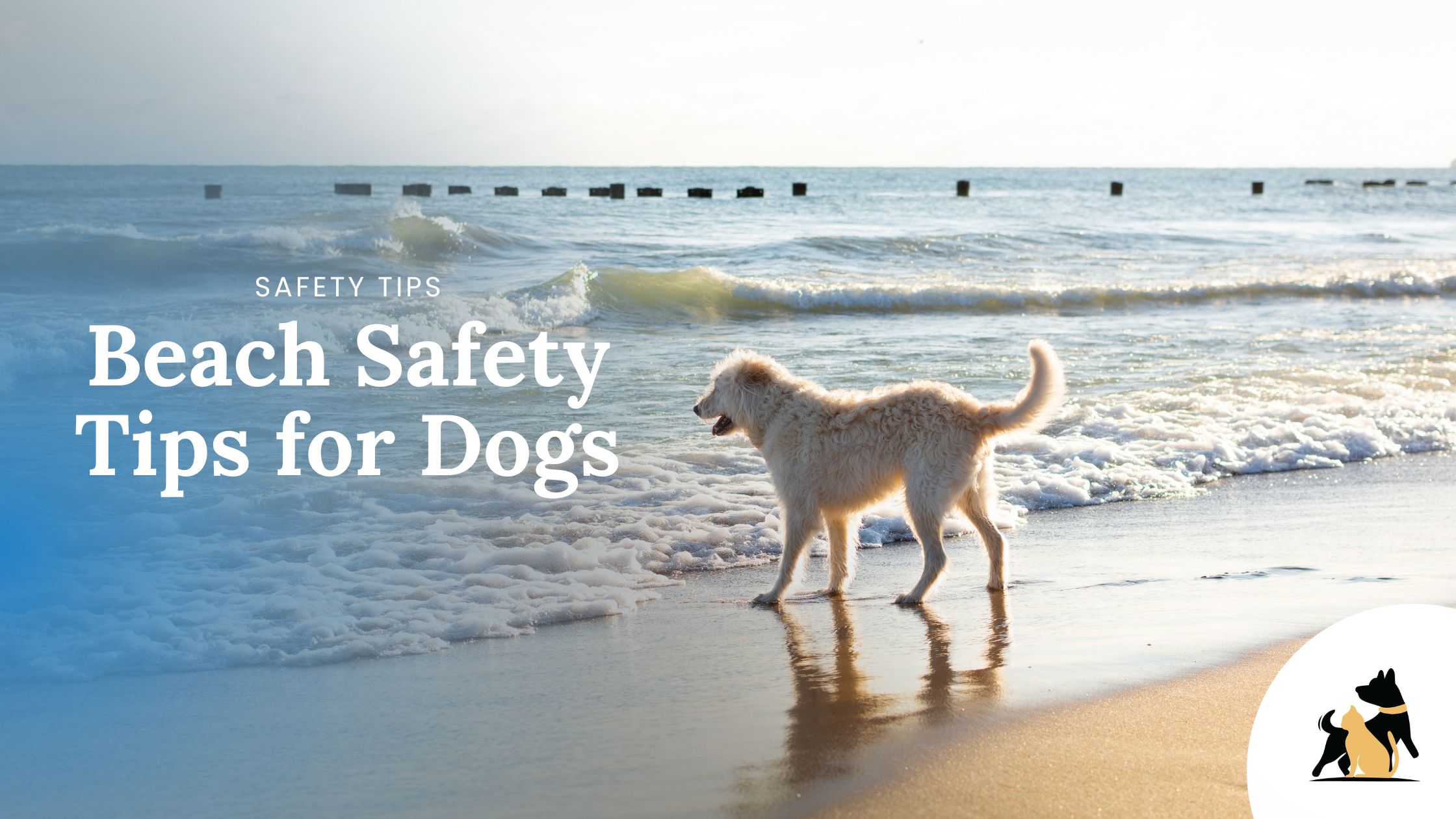
Source: petsplaining.com
Why Beach Conditions Can Harm Dog Paws
Dog paw pads are durable but not indestructible. Beaches expose paws to conditions that differ significantly from grass, dirt trails, or sidewalks.
Hot sand can quickly raise paw temperature and cause discomfort or burns. Saltwater and abrasive sand may dry out the pads, while shells, rocks, and fishing debris can create cuts or punctures.
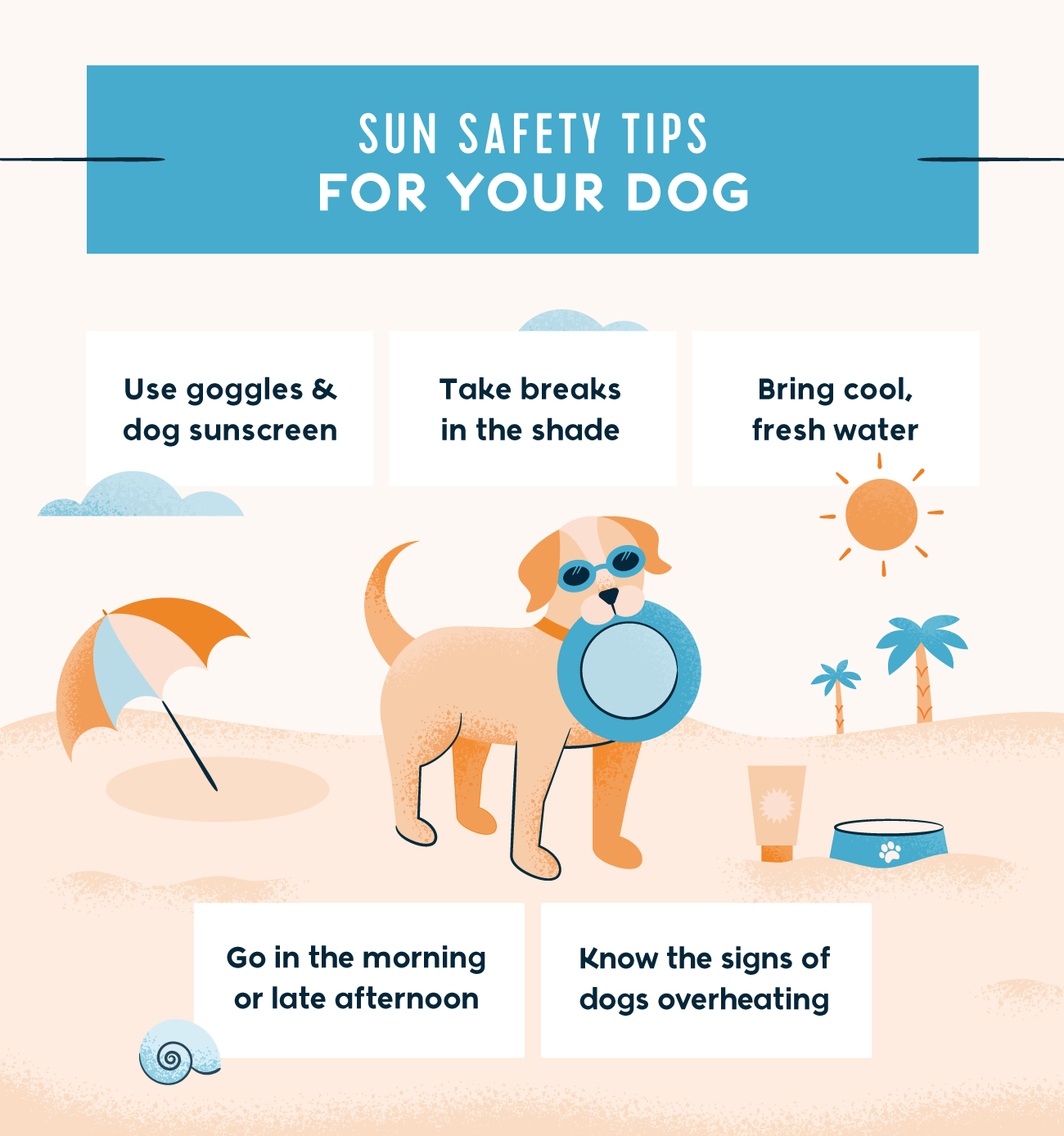
Source: hometownvetpartners.com
Hot Sand
Can cause painful burns and blistering.
Salt Exposure
May dry and irritate paw pads.
Sharp Debris
Shells, rocks, and litter can cut paws.
Signs Your Dog’s Paws Are Uncomfortable
Watch for limping, frequent paw lifting, excessive licking, redness, or reluctance to walk. These signs may indicate irritation, heat exposure, or injury.
Limping
May indicate pain or a foreign object in the paw.
Check Sand Temperature Before Walking
One of the most important parts of learning how to protect dogs paws at beach is understanding heat risk. Sand can become much hotter than the surrounding air temperature.
Before allowing your dog to walk on open sand, place the back of your hand or bare foot on the surface for several seconds. If it feels too hot for you, it is likely too hot for your dog.
Source: floridapanhandle.com
Visit Early
Morning and evening beaches are generally cooler.
Use Wet Sand
Moist sand near the shoreline is usually cooler.
When to Avoid the Beach
Midday summer conditions can create dangerous surface temperatures. Consider postponing outdoor activities until temperatures decrease.
Peak Heat Hours
Typically the highest risk period for paw burns.
Use Protective Products When Necessary
Protective products can reduce friction, dryness, and heat exposure. Paw balms help maintain moisture and create a temporary barrier against abrasive surfaces.
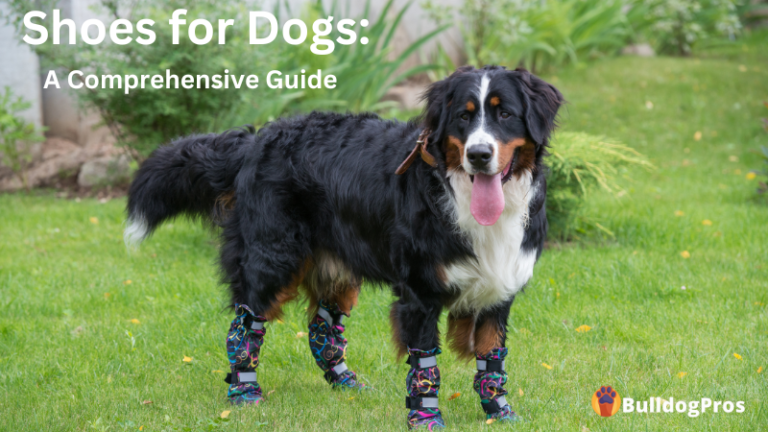
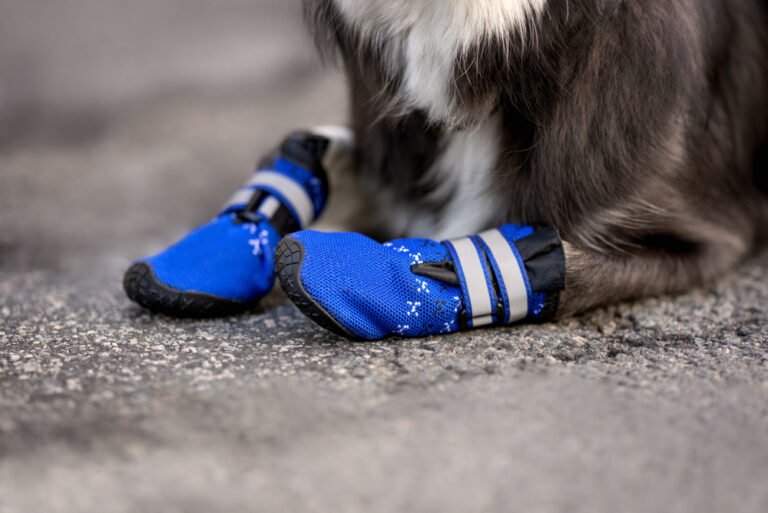
Some dogs also benefit from properly fitted dog boots, especially on beaches with extremely hot sand, rocky areas, or sharp shell fragments.
Source: static.mywebsites360.com
Paw Balm
Helps moisturize and protect paw pads.
Dog Boots
Provide physical protection from heat and debris.
Choosing the Right Protection
Not every dog needs footwear. Evaluate beach conditions, your dog’s activity level, and paw sensitivity before deciding.
Comfort Test
Allow your dog to adapt to any protective gear before a beach trip.
Rinse and Inspect Paws After Every Beach Visit
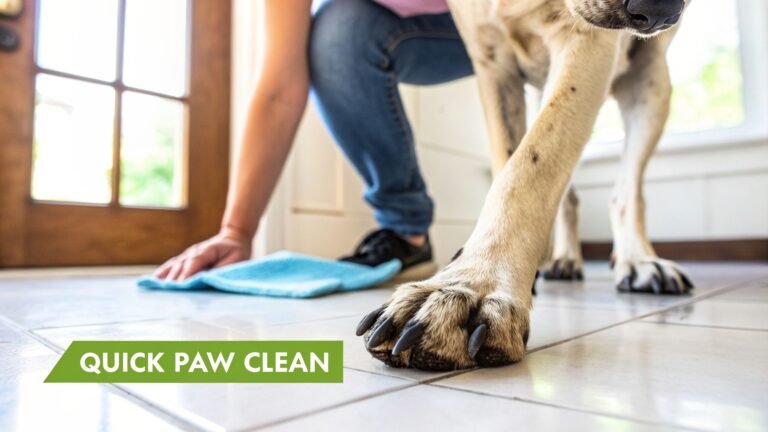
Post-beach care is essential. Salt, sand, and small particles can remain trapped between toes and around paw pads.
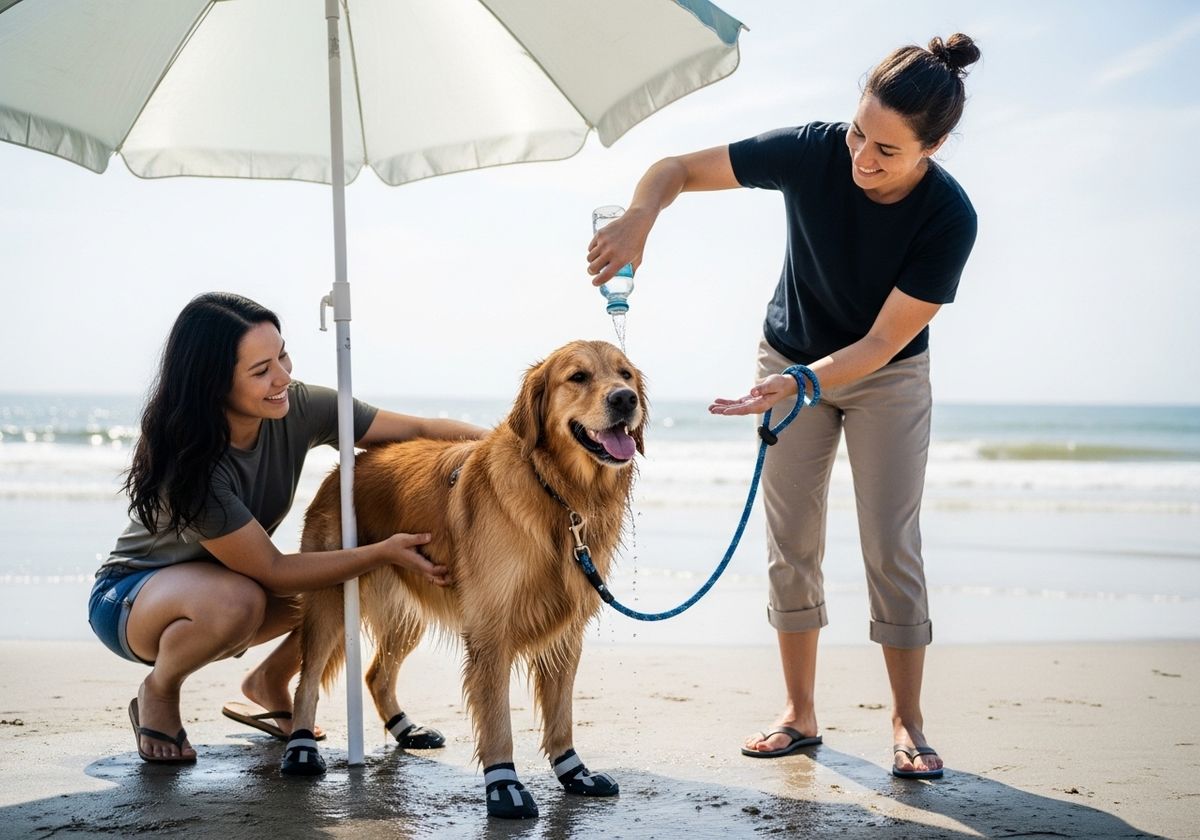
Use fresh water to thoroughly rinse all paws after leaving the beach. Then inspect each paw for cuts, swelling, redness, or lodged debris.
Source: i.pinimg.com
Fresh Water Rinse
Removes salt and sand buildup.
Dry Thoroughly
Helps reduce irritation and discomfort.
What to Do if You Find a Cut
Clean minor wounds carefully and monitor healing. Seek veterinary care for deep cuts, persistent bleeding, or signs of infection.
Veterinary Evaluation
Recommended for serious or worsening injuries.
Create a Safe Beach Routine for Long-Term Paw Health
The best approach combines prevention, observation, and consistent care. Dogs that frequently visit beaches benefit from routine paw inspections and conditioning.
Maintaining healthy paw pads year-round helps dogs better tolerate beach environments and reduces the likelihood of injuries.
Source: i.pinimg.com
Routine Checks
Inspect paws before and after outdoor adventures.
Hydration
Provide fresh drinking water throughout the outing.
Signs of Successful Paw Protection
Healthy paws remain free from cracks, burns, swelling, and excessive licking after beach activities.
Normal Movement
Your dog walks comfortably without hesitation.
Frequently Asked Questions
Q
Can hot beach sand burn a dog’s paws?
Yes. Sand can become extremely hot during sunny weather and may burn paw pads. Always test the surface temperature before allowing your dog to walk on it.
Q
Should dogs wear boots at the beach?
Some dogs benefit from boots on hot, rocky, or debris-filled beaches. Many dogs can safely enjoy the beach without boots when conditions are mild and owners monitor paw health.
Q
How do I know if my dog’s paws are burned?
Common signs include limping, redness, blistering, excessive licking, and reluctance to walk. Veterinary care may be necessary for severe burns.
Q
Is saltwater bad for dog paws?
Saltwater itself is not usually dangerous during brief exposure, but repeated contact can contribute to dryness and irritation. Rinsing paws afterward helps prevent problems.
Q
What should I bring to protect my dog’s paws at the beach?
Useful items include fresh water, a towel, paw balm, a basic first-aid kit, and protective boots if conditions require them.
✦ Wrapping Up
Conclusion
Knowing how to protect dogs paws at beach helps prevent burns, cuts, irritation, and other common injuries. Most problems can be avoided through preparation, temperature awareness, and routine paw care.
A safe beach visit includes checking sand conditions, providing hydration, rinsing paws afterward, and watching for signs of discomfort. These simple habits help keep dogs comfortable and active throughout beach season.
💡 Key Takeaway
Before your next beach trip, test the sand temperature, bring fresh water, inspect paws regularly, and rinse paws thoroughly after the visit.
Learn how to apply coconut oil to dog paws with step-by-step instructions, safety tips, benefits, common mistakes, and signs that your dog’s paw pads need extra care.
Learn how to use paw balm for dogs correctly. Discover when to apply it, how much to use, common mistakes, safety tips, and ways to keep your dog’s paw pads healthy year-round.
Learn how to clean dog paws after walk safely and effectively. Follow simple steps to remove dirt, mud, salt, allergens, and debris while protecting your dog’s paw health.