Wipe or rinse your dog’s paws after every walk, then dry them thoroughly and check for debris or injuries.
In the United States, dogs often walk on sidewalks, trails, parks, roads, and neighborhood streets that can expose their paws to dirt, road salt, pesticides, allergens, and bacteria. Cleaning paws after each outing helps keep your home cleaner and reduces potential skin irritation.
Understanding how to clean dog paws after walk is a simple but important part of routine pet care. The right cleaning method depends on whether the paws are dusty, muddy, wet, exposed to winter salt, or contaminated by substances that may irritate your dog’s skin.
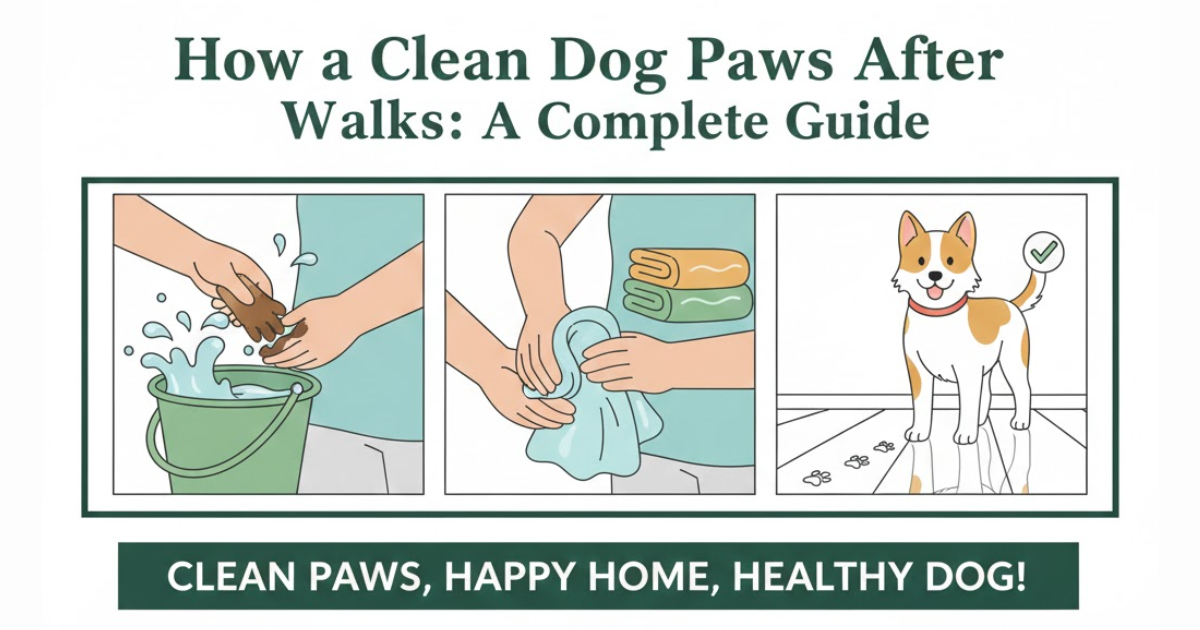
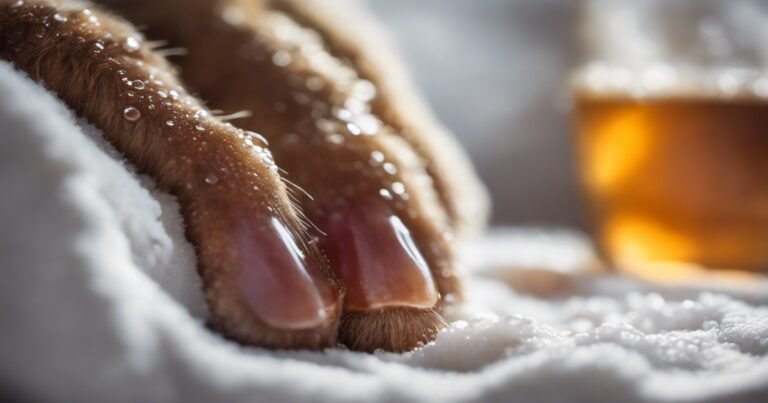
Source: gogostik.com
Why You Should Clean Dog Paws After Every Walk
Dog paws collect more than visible dirt. They can pick up lawn chemicals, road salt, mud, bacteria, pollen, and small stones during daily walks.
Regular paw cleaning helps prevent your dog from licking harmful substances off their feet. It also reduces the amount of dirt and allergens tracked into your home.
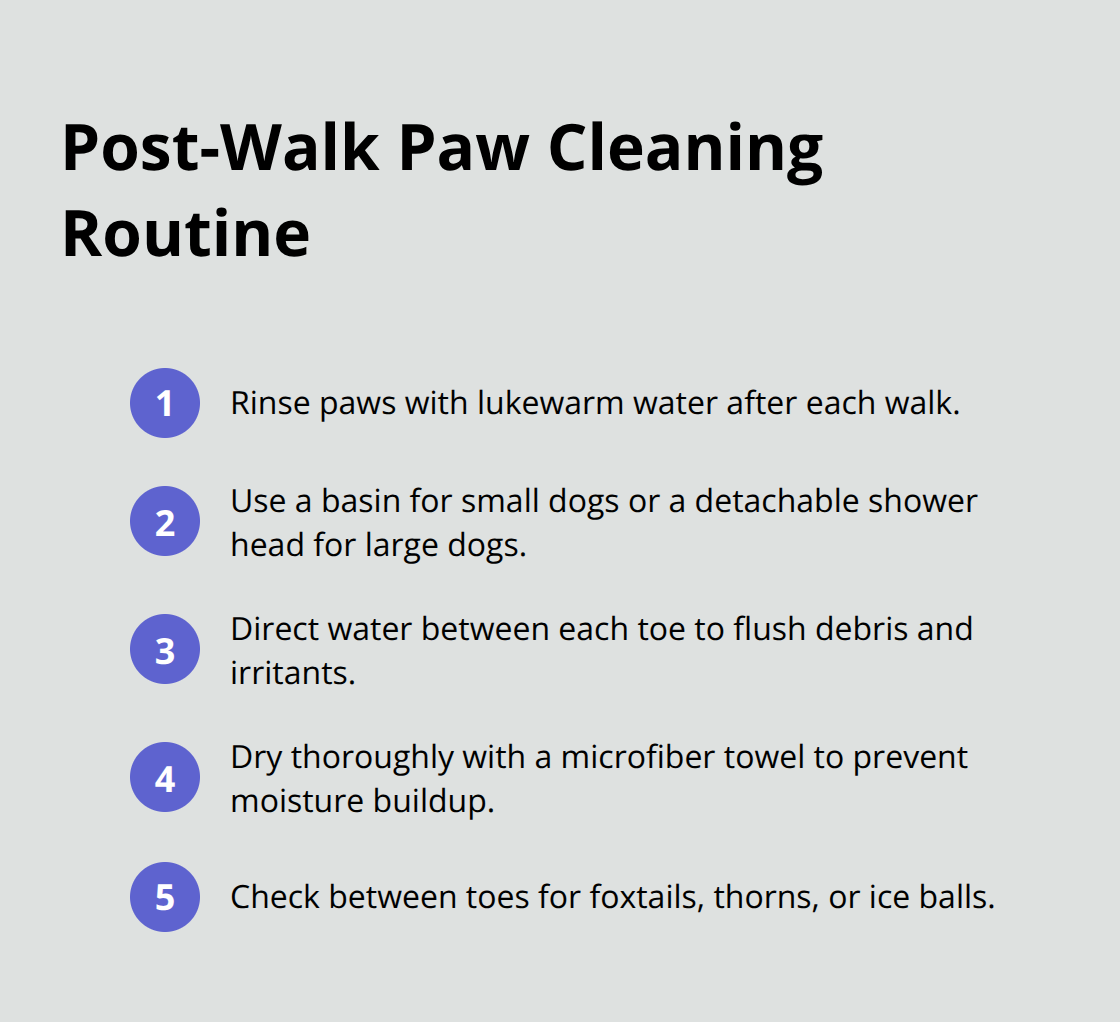
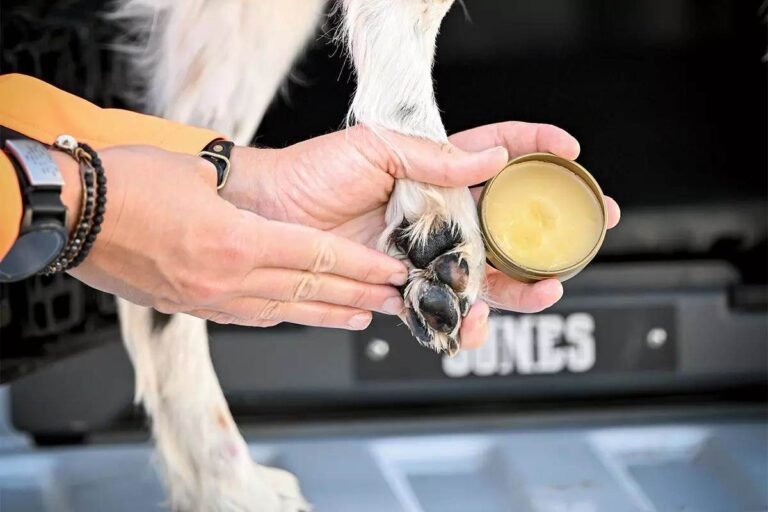
Source: dogingtonpost.com
Protect Paw Health
Removes irritants that can cause redness, dryness, or discomfort.
Reduce Indoor Mess
Keeps floors, carpets, and furniture cleaner.
Early Problem Detection
Allows you to spot cuts, cracks, swelling, or foreign objects.
What Can Get Stuck in Dog Paws
Common debris includes gravel, burrs, grass seeds, mud, ice balls, and road salt. Long-haired dogs may trap more debris between their toes than short-haired breeds.
Grass Seeds
Can become lodged between toes and cause irritation.
Road Salt
May dry out paw pads and cause discomfort.
Supplies You Need Before Cleaning
Most owners can clean paws effectively using basic household items. You do not need specialized equipment for routine cleaning.
Keeping supplies near your entryway makes post-walk cleanup faster and easier.
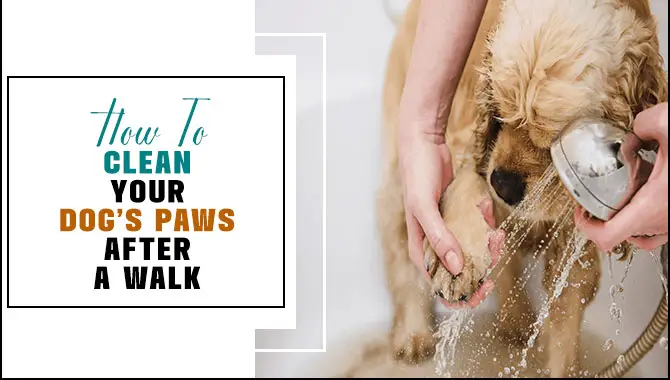
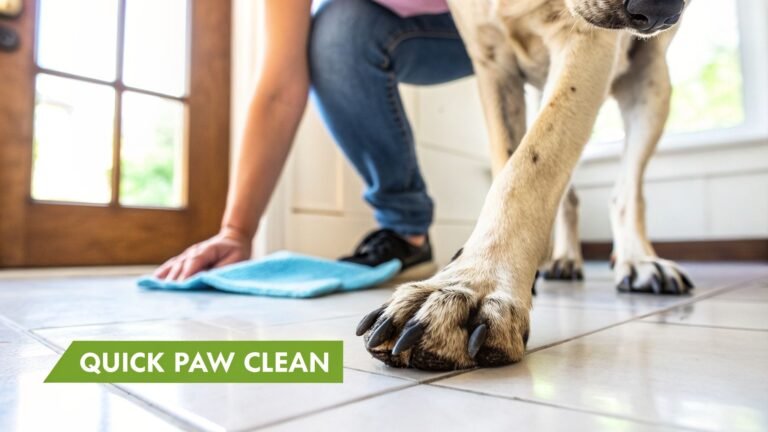
Source: storage.googleapis.com
Soft Towels
Useful for wiping and drying paws.
Lukewarm Water
Helps loosen dirt and mud safely.
Pet-Safe Wipes
Convenient for quick cleanups when water is unavailable.
When to Use Paw Washers
Paw cleaning cups or washers can help remove stubborn dirt from between the toes. They are most useful after muddy walks or trail adventures.
Deep Cleaning
Reaches areas that towels may miss.
Step-by-Step: How to Clean Dog Paws After Walk
The best method depends on how dirty your dog’s paws are. For everyday walks, a quick wipe may be enough. For muddy conditions, a full rinse is often necessary.
Follow a consistent routine so your dog becomes comfortable with paw handling.
Source: pawsomefindsmc.com
Step 1
Inspect each paw for dirt, debris, cuts, or swelling.
Step 2
Wipe or rinse paws using lukewarm water.
Step 3
Clean between the toes and around paw pads.
Step 4
Dry thoroughly with a clean towel.
Signs of Successful Cleaning
Paws should feel clean, free of visible debris, and completely dry. Your dog should walk normally without excessive licking or discomfort.
Clean Pads
No visible dirt or mud remains.
Dry Fur
Moisture is removed from between the toes.
How to Handle Mud, Salt, and Allergens
Some walking conditions require extra attention. Mud can hide debris, while winter salt and allergens may irritate sensitive paws.
Prompt cleaning reduces exposure and helps prevent excessive paw licking.
Source: i.pinimg.com
Mud
Rinse thoroughly before drying.
Winter Salt
Wash paws with water to remove residue.
Pollen
Wipe paws after walks during allergy seasons.
When a Simple Wipe Is Not Enough
If your dog walks through chemicals, standing water, or heavy mud, a complete rinse is safer than a quick wipe.
Chemical Exposure
Wash paws immediately and monitor for irritation.
Common Mistakes to Avoid
Many paw problems occur because owners overlook small details during cleaning. Avoiding common mistakes can improve comfort and reduce the risk of irritation.
Gentle handling and proper drying are often more important than aggressive scrubbing.
Source: travellingwithadog.com
Using Hot Water
Can cause discomfort and irritation.
Skipping Drying
Leaves moisture trapped between toes.
Using Harsh Products
May damage sensitive paw skin.
When to Contact a Veterinarian
Seek professional advice if you notice persistent limping, bleeding, swelling, deep cuts, or signs of infection.
Persistent Pain
Requires veterinary evaluation.
Creating a Daily Paw Care Routine
Consistency makes paw cleaning easier for both dogs and owners. Most dogs quickly learn to cooperate when the routine is calm and predictable.
A daily paw check also helps identify seasonal issues before they become serious.
Source: thinkersvine.com
Check Paws Daily
Look for debris, cracks, or injuries.
Trim Excess Hair
Helps reduce dirt buildup between toes.
Monitor Paw Pads
Watch for dryness or wear.
Best Times to Inspect Paws
Inspect paws after walks, hikes, park visits, and outdoor play sessions. These activities create the greatest chance of exposure to debris and irritants.
After Outdoor Activities
Provides the best opportunity to spot issues early.
Frequently Asked Questions
Q
How often should I clean my dog’s paws?
A quick inspection and wipe after every walk is ideal. More thorough cleaning may be needed after muddy, snowy, or dusty outings.
Q
Can I use baby wipes on my dog’s paws?
Pet-safe wipes are generally the safer choice. Some baby wipes contain ingredients that may irritate sensitive skin.
Q
Should I wash my dog’s paws every day?
Daily wiping is usually beneficial. Full washing is only necessary when paws are visibly dirty or exposed to irritating substances.
Q
What should I do if my dog keeps licking its paws after cleaning?
Inspect the paws for irritation, cuts, debris, or signs of allergies. Persistent licking may require veterinary evaluation.
Q
Is road salt dangerous for dog paws?
Road salt can irritate paw pads and may be harmful if ingested through licking. Rinse paws thoroughly after winter walks.
✦ Wrapping Up
Conclusion
Learning how to clean dog paws after walk helps protect your dog’s health while keeping your home cleaner. A simple routine of inspecting, cleaning, and drying paws can prevent many common paw-related issues.
The best approach is to clean paws immediately after outdoor activities and pay extra attention after exposure to mud, road salt, allergens, or rough terrain.
💡 Key Takeaway
Keep a towel and paw-cleaning supplies near your home’s entrance so you can inspect and clean your dog’s paws after every walk.
Learn how to clean dog paws with vinegar safely. Discover the right vinegar mixture, step-by-step cleaning instructions, benefits, risks, and paw care tips for dogs.
Learn how to protect dog paws without boots using paw balm, route planning, surface management, and seasonal care. Discover practical ways to keep your dog’s paws healthy year-round.
Learn how to clean muddy dog paws safely and effectively. Follow simple steps, prevent muddy messes, protect paw health, and keep your home cleaner after walks.
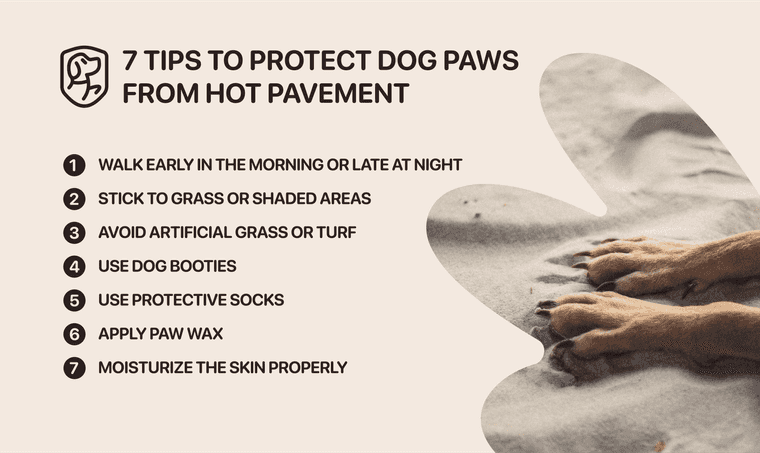
Learn how to protect dog paws from hot pavement with practical safety tips, temperature checks, dog boots, walking schedules, and paw care advice for summer walks.
Learn how to moisturize dog paws safely with paw balms, natural moisturizers, and daily care tips. Discover how to prevent dry, cracked paw pads and keep your dog’s feet healthy.
Learn how to protect dog paws from hot sand with practical beach safety tips, paw protection methods, warning signs of burns, and summer paw care strategies.