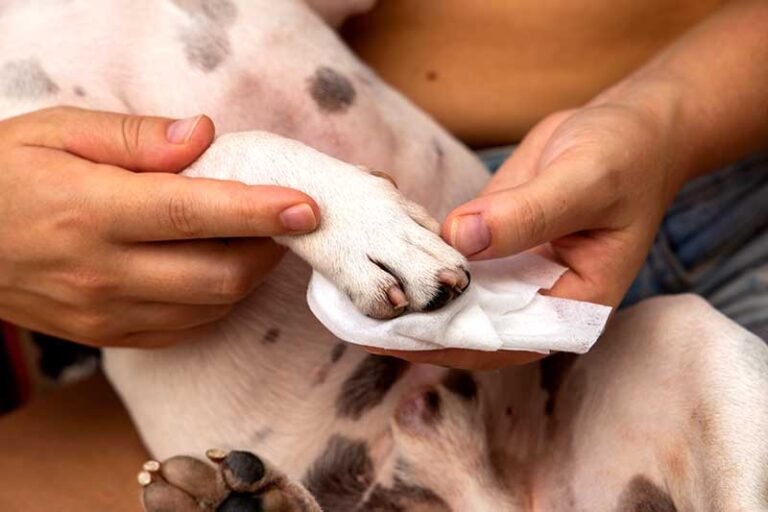
Clean dog paws naturally by rinsing with lukewarm water, removing debris, drying thoroughly, and moisturizing when needed.
Across the United States, dogs walk on sidewalks, parks, trails, gravel paths, and city streets that can leave dirt, pollen, mud, road salt, and other debris on their paws. Regular natural paw cleaning helps keep floors cleaner and supports healthy skin and paw pads.
Understanding how to clean dog paws naturally allows pet owners to avoid unnecessary chemicals while maintaining good hygiene. Most dogs only need clean water, a soft cloth, gentle brushing, and careful drying to keep their paws healthy after daily activities.
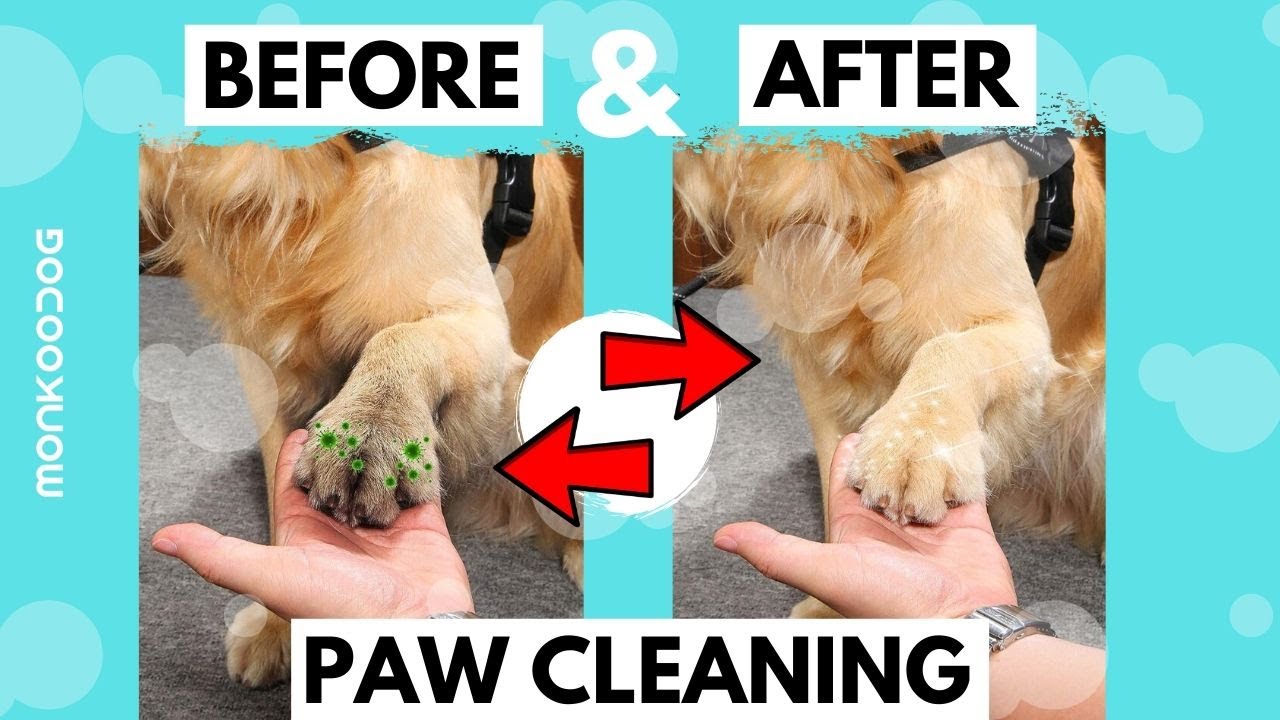
Source: i.ytimg.com
Why Natural Paw Cleaning Matters
Dog paws come into contact with many outdoor surfaces throughout the day. Dirt, mud, pollen, grass particles, and environmental contaminants can collect between the toes and around the paw pads.
Natural cleaning methods focus on removing debris without exposing the skin to harsh ingredients. This approach is especially helpful for dogs with sensitive skin or frequent outdoor activity.
Source: images.petpress.net
Improved Hygiene
Removes dirt and debris before it enters the home.
Health Monitoring
Makes it easier to spot cuts, cracks, or irritation early.
Comfort
Prevents buildup that may cause discomfort while walking.
What Gets Trapped in Dog Paws
Common materials include mud, grass seeds, dust, pollen, sand, road residue, and small stones. Long-haired dogs may collect even more debris between their toes.
Organic Debris
Grass, leaves, and seeds can become lodged between toes.
Environmental Dirt
Dust and mud accumulate during daily walks.
What You Need Before Cleaning Dog Paws Naturally
Most natural paw-cleaning routines require only a few household items. Simple tools are usually sufficient for routine maintenance.
Preparing supplies before your dog returns from a walk makes the process faster and easier.
Source: i.pinimg.com
Lukewarm Water
Helps loosen dirt and mud safely.
Soft Towel
Dries paws thoroughly after cleaning.
Soft Brush
Removes dried dirt from fur around the paws.
Optional Natural Supplies
A mild pet-safe oatmeal shampoo may be useful when paws are exceptionally dirty, but plain water is often enough for routine cleaning.
Oatmeal-Based Cleanser
May help soothe sensitive skin when needed.
Step-by-Step Guide on How to Clean Dog Paws Naturally
Following a consistent routine helps remove dirt effectively while keeping your dog comfortable.
Move slowly and reward calm behavior to create a positive experience.
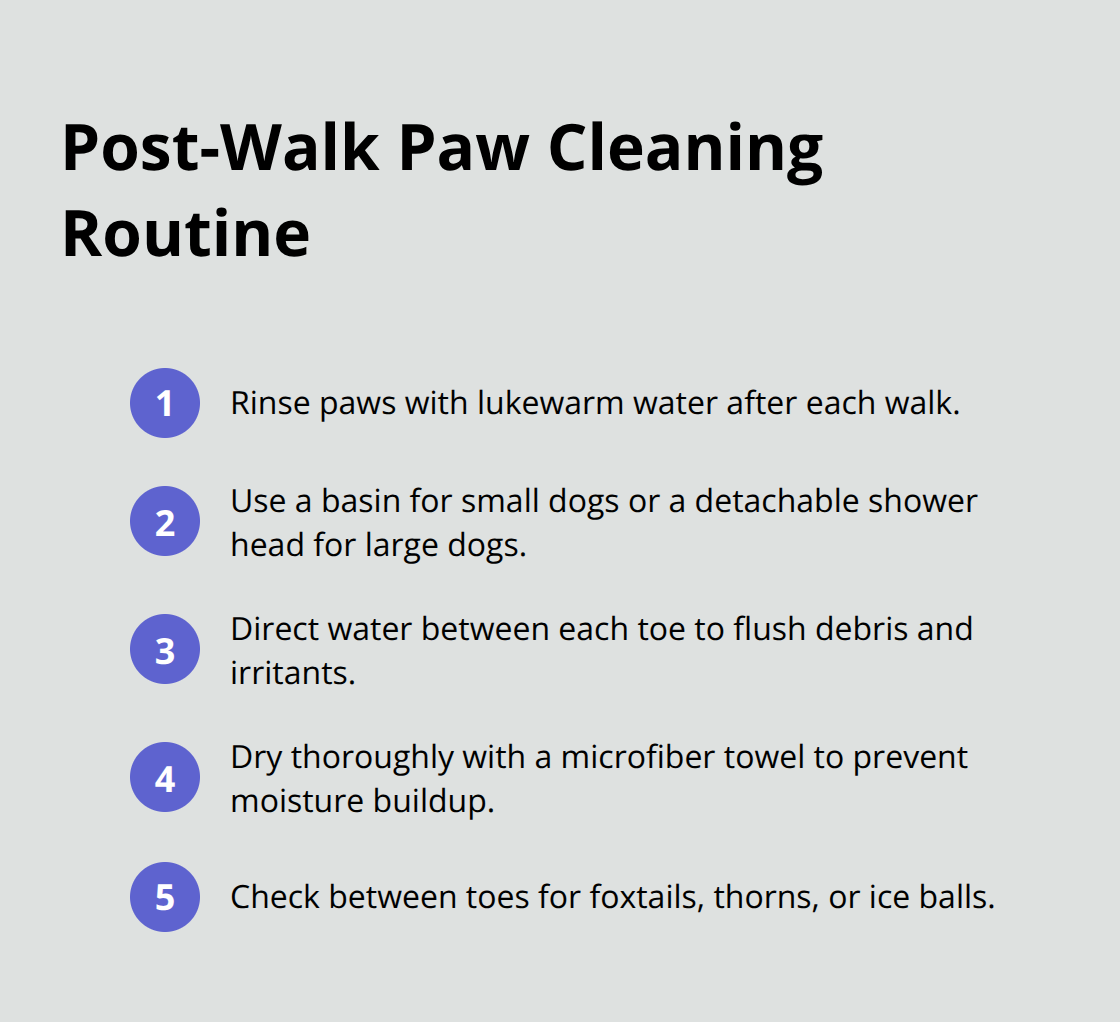
Source: pupford.com
Step 1
Inspect each paw for visible debris, cuts, or irritation.
Step 2
Rinse paws with lukewarm water or wipe them with a damp cloth.
Step 3
Gently separate the toes and remove trapped dirt.
Step 4
Dry the paws thoroughly with a clean towel.
Signs the Cleaning Was Successful
The paws should be free of visible dirt, feel dry to the touch, and show no remaining debris between the toes.
Clean Appearance
No mud, sand, or debris remains.
Dry Skin
Excess moisture has been removed.
Natural Solutions for Different Paw Cleaning Situations
Different conditions require slightly different approaches. Matching the cleaning method to the type of mess helps achieve better results.
Always begin with the gentlest option before considering stronger cleaning products.
Source: dogingtonpost.com
Dusty Paws
Use a damp cloth followed by drying.
Muddy Paws
Rinse thoroughly with water before drying.
Pollen Exposure
Wash paws to reduce allergens carried indoors.
After Winter Walks
Road salt and de-icing products should be rinsed away promptly because they can irritate paw pads and may be ingested during grooming.
Quick Rinse
Remove salt residue as soon as possible.
Common Mistakes to Avoid
Some well-intentioned cleaning habits can cause irritation or fail to address the underlying issue.
Avoid harsh cleaners, excessive scrubbing, and leaving paws damp for long periods.
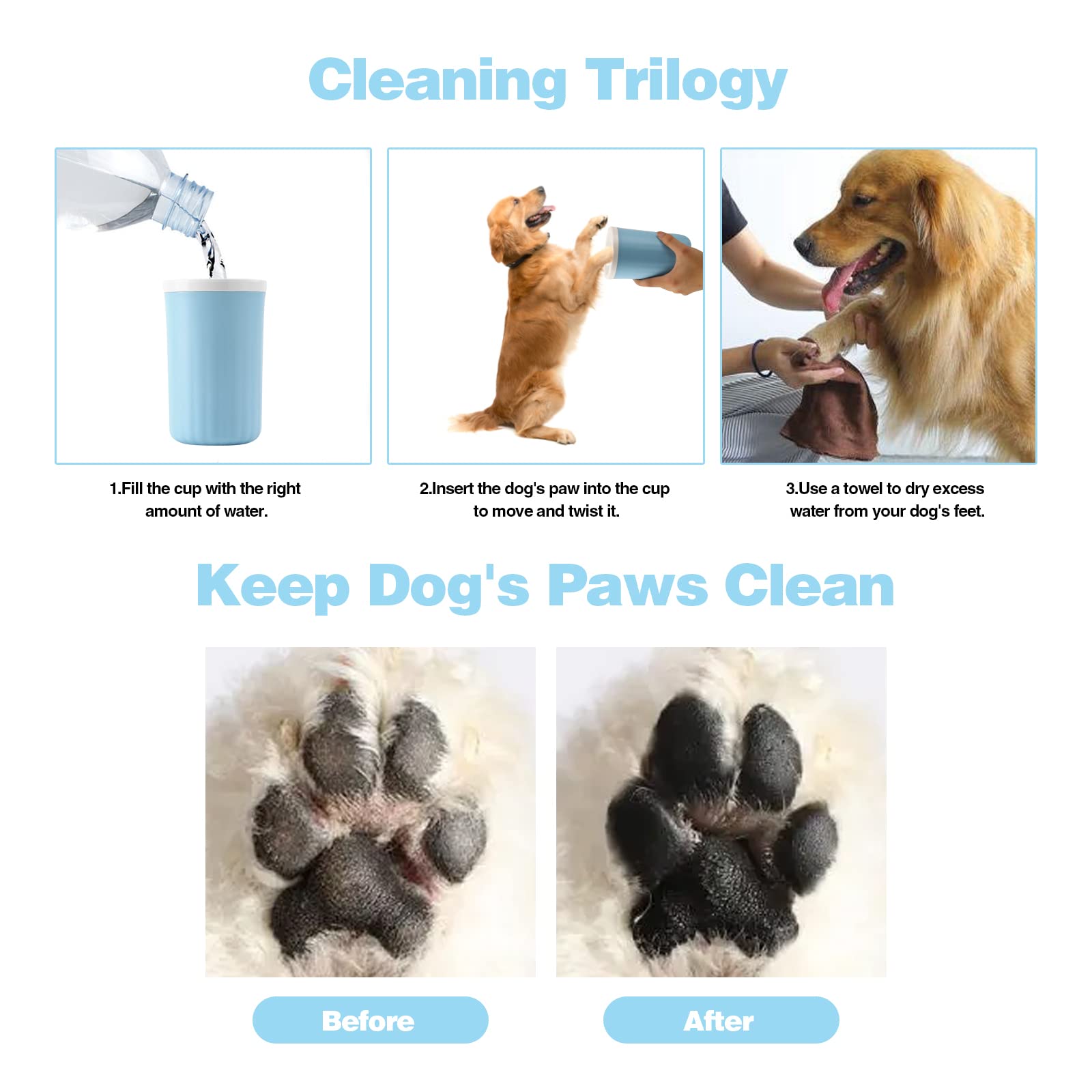
Source: m.media-amazon.com
Using Human Cleaning Products
Many products are not designed for canine skin.
Skipping Drying
Moisture between toes may contribute to skin problems.
Ignoring Paw Inspections
Small injuries may go unnoticed.
When Natural Cleaning Is Not Enough
Persistent redness, swelling, foul odor, discharge, or limping should be evaluated by a veterinarian because these signs may indicate infection or injury.
Veterinary Attention
Seek professional care when symptoms do not improve.
Creating a Long-Term Natural Paw Care Routine
Consistent maintenance reduces the amount of cleaning needed after each walk. Regular trimming of excess fur around the paws can help prevent dirt buildup.
Routine inspections allow owners to identify dry pads, cracks, and environmental irritation before they become larger problems.
Source: gogostik.com
Daily Check
Look for debris and injuries after outdoor activity.
Weekly Maintenance
Brush and inspect paws thoroughly.
Seasonal Adjustments
Increase care during winter and muddy seasons.
Simple Paw Care Schedule
Most dogs benefit from a quick paw wipe after walks and a more detailed inspection at least once each week.
Quick Daily Routine
Clean, dry, and inspect paws in a few minutes.
Frequently Asked Questions
Q
Can I clean my dog’s paws with just water?
Yes. For routine dirt and dust, lukewarm water is often sufficient. It removes most debris without exposing the skin to unnecessary ingredients.
Q
How often should I clean my dog’s paws?
Many dogs benefit from a quick cleaning after walks, especially during muddy, snowy, or high-pollen conditions. The ideal frequency depends on activity level and environment.
Q
Is vinegar safe for cleaning dog paws?
Diluted vinegar is sometimes used by pet owners, but it may irritate sensitive skin or open wounds. Water remains the safest starting option for routine cleaning.
Q
What should I do if my dog resists paw cleaning?
Introduce the process gradually, use treats and praise, and keep sessions short. Positive reinforcement helps many dogs become more comfortable over time.
Q
How do I know if my dog’s paws need veterinary attention?
Contact a veterinarian if you notice persistent redness, swelling, bleeding, discharge, limping, or signs of pain. These symptoms may indicate injury, infection, or an underlying medical issue.
✦ Wrapping Up
Conclusion
Learning how to clean dog paws naturally is a simple way to support your dog’s comfort and health while reducing dirt inside the home. In most cases, clean water, careful inspection, and thorough drying provide everything needed for effective routine care.
A consistent paw-care routine helps identify potential problems early and keeps your dog ready for daily adventures. Natural methods work best when combined with regular observation and prompt attention to any signs of irritation or injury.
💡 Key Takeaway
Keep a towel near your entryway and perform a quick paw inspection and cleaning after every walk to maintain healthy, naturally clean paws.
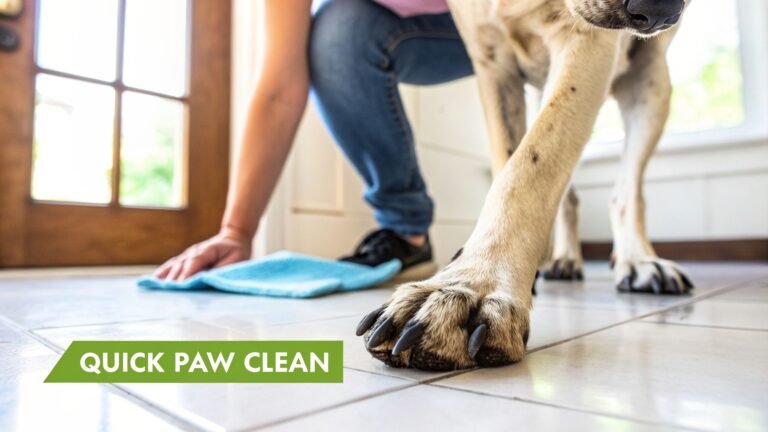
Learn how to clean dog paws after walk safely and effectively. Follow simple steps to remove dirt, mud, salt, allergens, and debris while protecting your dog’s paw health.
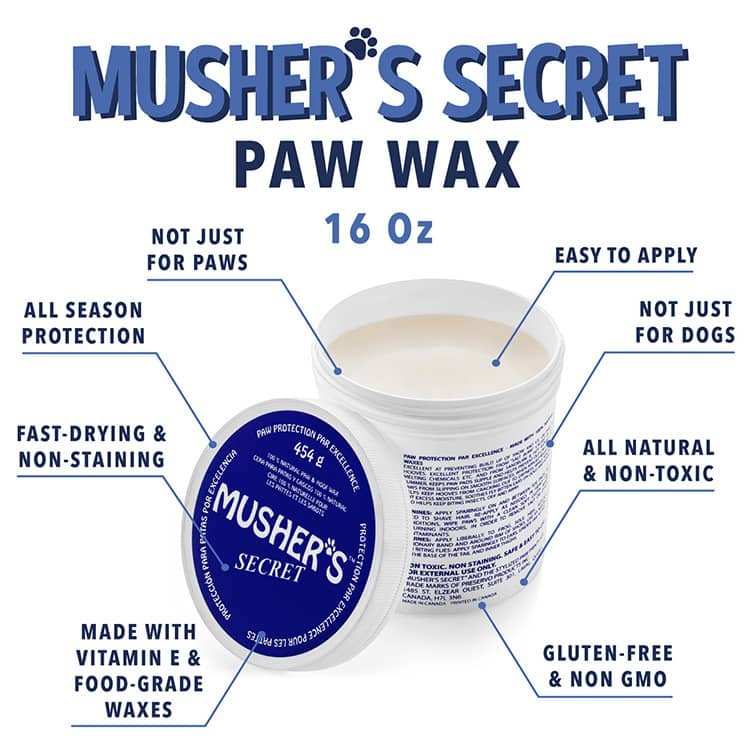
Learn how to apply Mushers Secret to dogs paws correctly. Follow step-by-step instructions, safety tips, troubleshooting advice, and best practices for year-round paw protection.
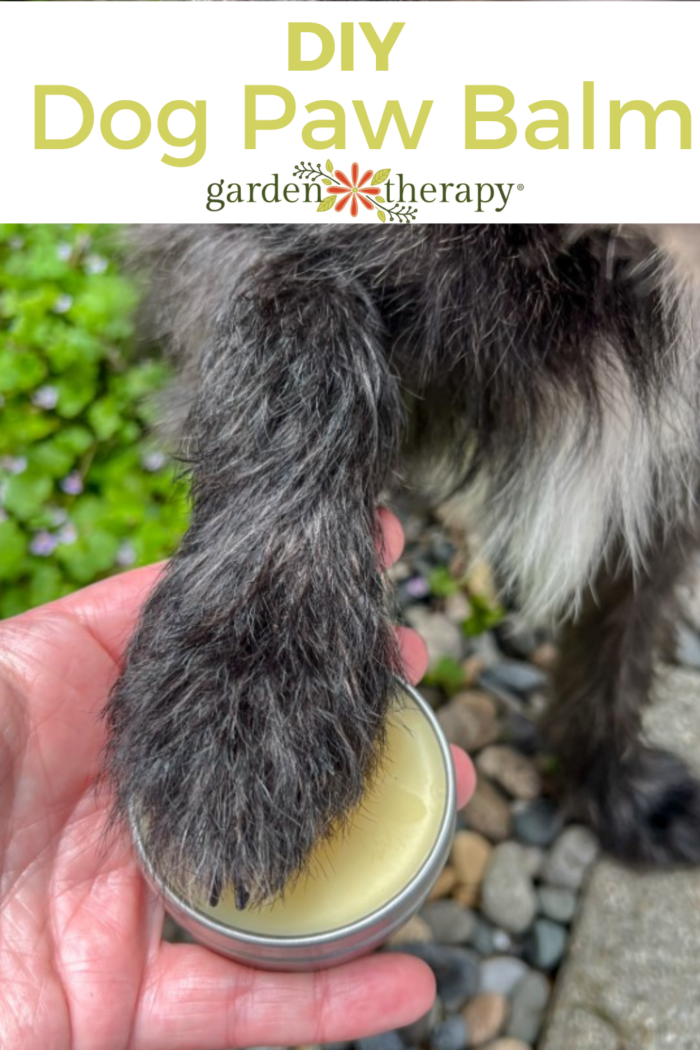
Learn how to moisturize dog paws naturally using safe ingredients, step-by-step care methods, prevention tips, and signs that your dog may need veterinary attention.
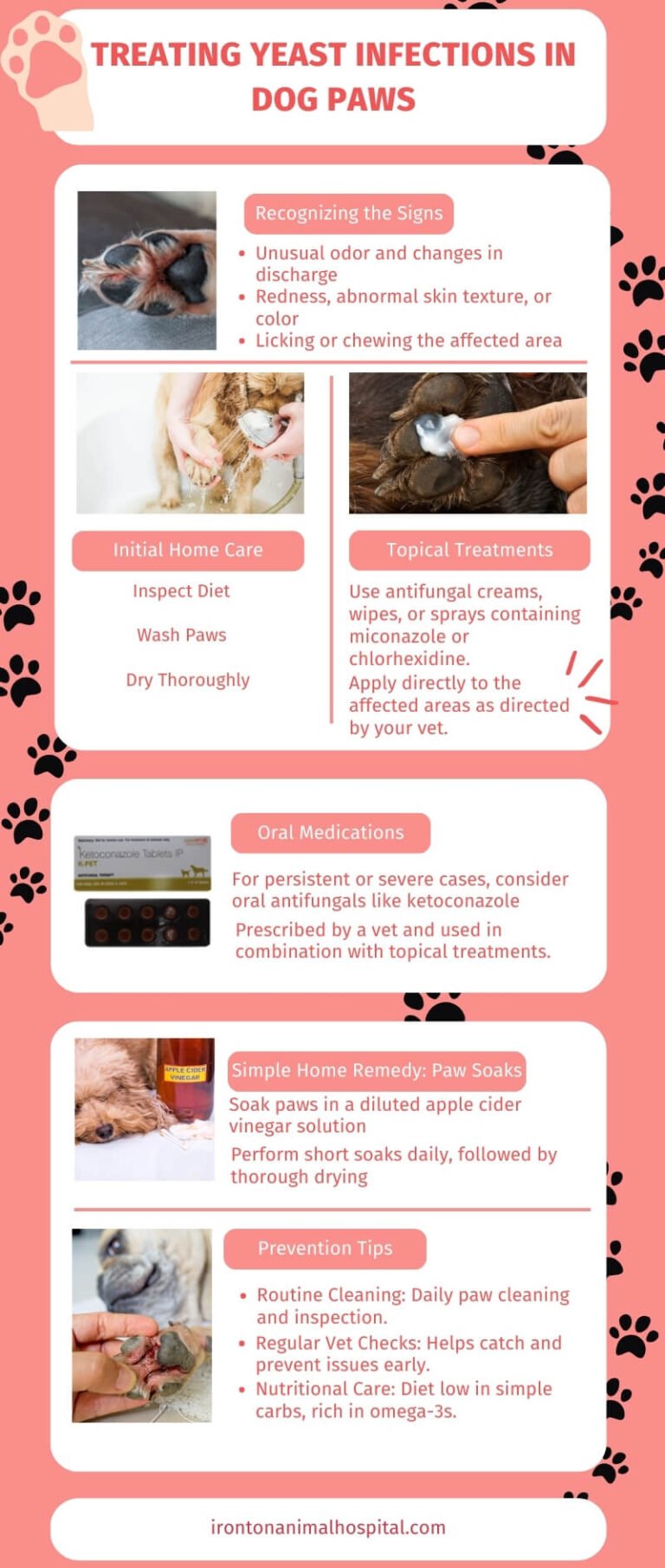
Learn how to clean yeast from dogs paws safely. Discover symptoms, cleaning steps, treatment options, prevention tips, and when to contact your veterinarian.
Learn how to clean white dog paws safely and effectively. Remove dirt, grass stains, mud, and discoloration while keeping your dog’s paws healthy and bright.