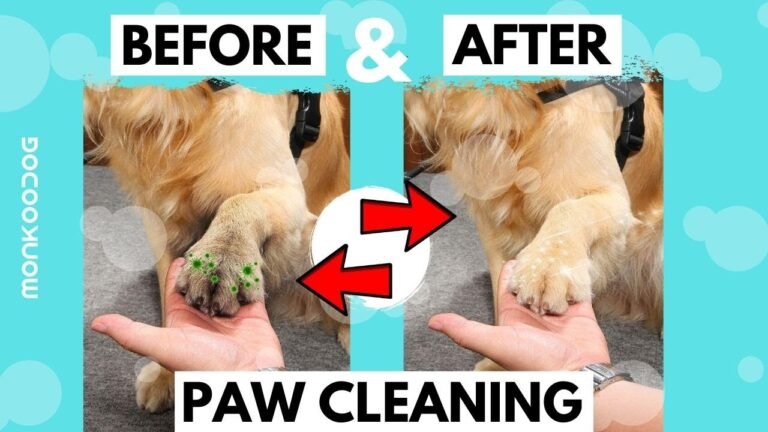
Mix equal parts vinegar and water, wipe the paws gently, then dry thoroughly.
Many dog owners across the United States look for simple ways to keep their dogs’ paws clean after walks, hikes, park visits, and outdoor play. Vinegar is often used as a household cleaning ingredient and can help remove dirt, debris, and mild odors from healthy dog paws when diluted properly.
Understanding how to clean dog paws with vinegar is important because improper use may irritate sensitive skin or open wounds. A diluted vinegar solution, careful application, and proper drying can help maintain cleaner paws while reducing exposure to mud and environmental grime.
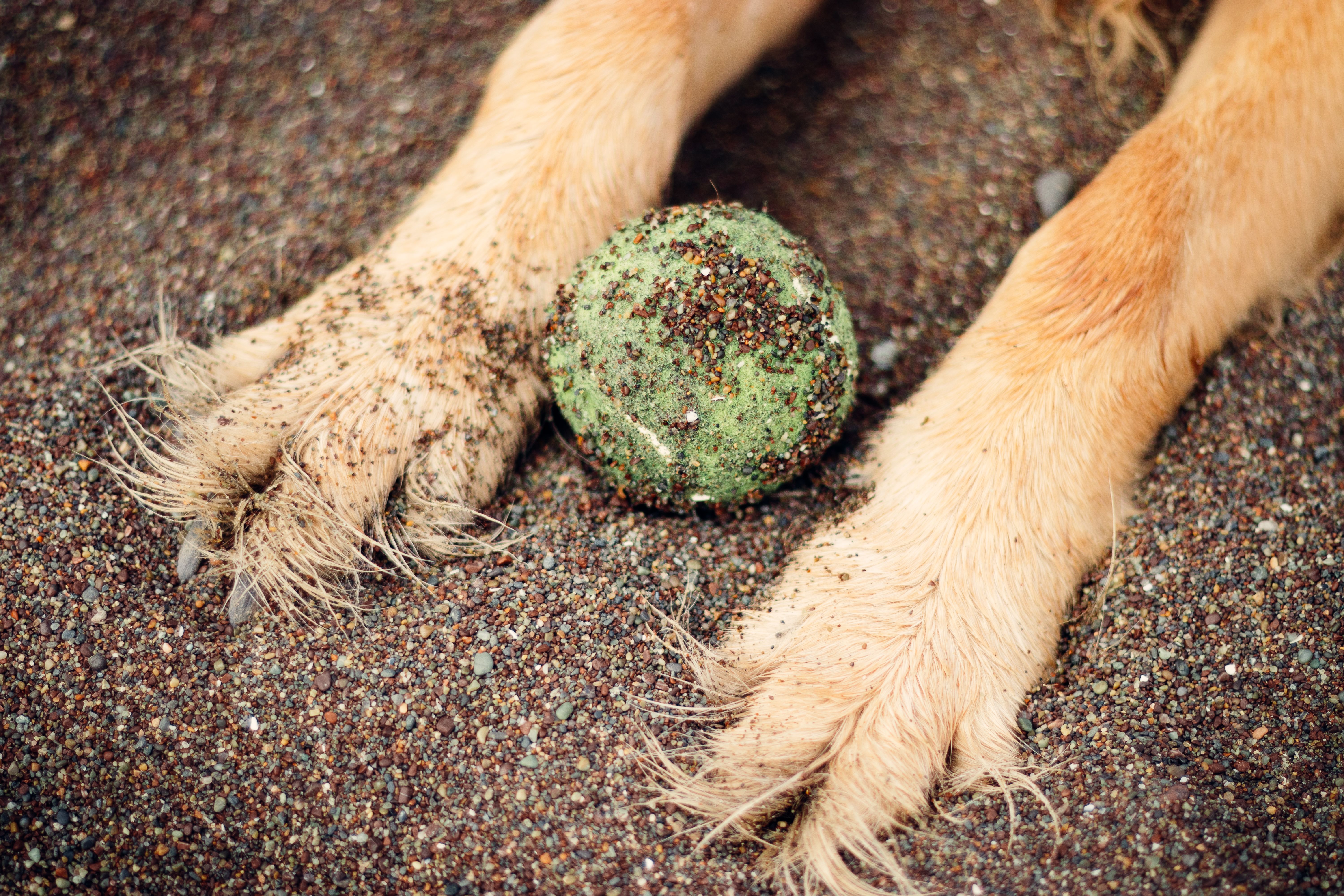
Source: caninecarecentral.com
What Does Vinegar Do for Dog Paws?
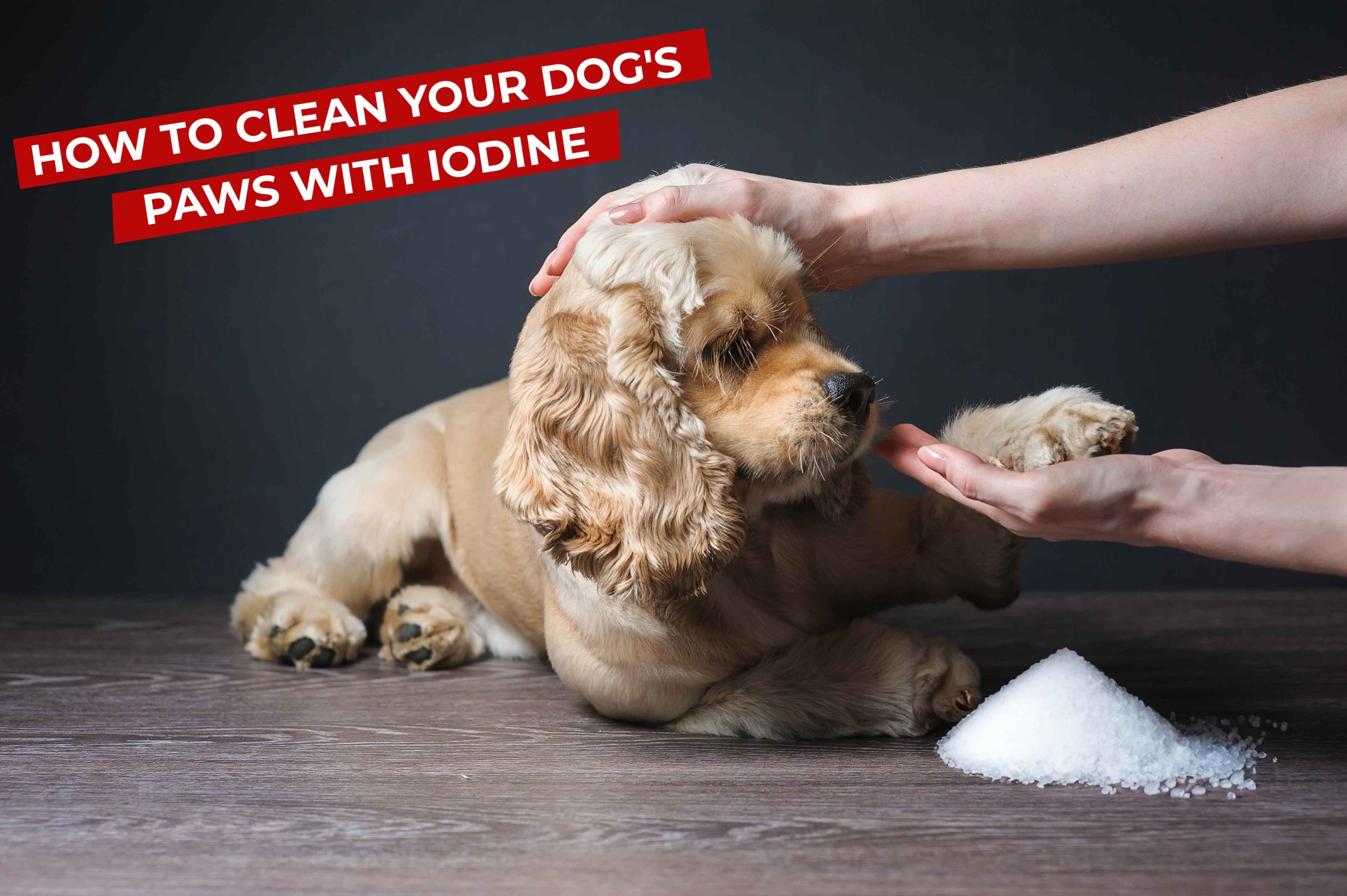
Vinegar is commonly used as a natural cleaning agent. When diluted with water, it can help loosen dirt, remove some odors, and clean surface debris from a dog’s paws after outdoor activities.
Vinegar is not a cure for infections, allergies, or medical skin conditions. It works best as a basic cleaning solution for healthy paws that need routine maintenance.
Source: bistrolafolie.com
Removes Dirt
Helps loosen mud, dust, and debris from paw pads.
Reduces Odor
Can help minimize mild paw odors caused by environmental exposure.
Easy to Prepare
Requires only vinegar and clean water.
Apple Cider Vinegar vs White Vinegar
Both apple cider vinegar and white vinegar are commonly used for cleaning dog paws. Apple cider vinegar is often preferred because many pet owners find it slightly gentler and less harsh-smelling than white vinegar.
Regardless of the type chosen, proper dilution is essential to reduce the risk of skin irritation.
Apple Cider Vinegar
Often chosen for routine paw cleaning.
White Vinegar
May be effective for cleaning but can have a stronger smell.
Supplies You Need Before Cleaning
Preparing supplies before you begin makes the process faster and less stressful for your dog.
Most households already have the items needed for a basic vinegar paw-cleaning routine.
Source: chefsresource.com
Vinegar
Use apple cider vinegar or white vinegar.
Water
Clean lukewarm water works best.
Soft Cloth
Use for wiping the paws gently.
Towel
Needed for drying the paws completely.
Recommended Mixture
A common starting mixture is one part vinegar and one part water. This dilution helps reduce the acidity while maintaining cleaning effectiveness.
If your dog has sensitive skin, consider using more water and less vinegar.
Standard Mix
50 percent vinegar and 50 percent water.
How to Clean Dog Paws With Vinegar Step by Step
Following a structured process helps clean the paws effectively while keeping your dog comfortable.
Inspect the paws first to make sure there are no cuts, bleeding areas, or signs of infection.
Source: fromunderapalmtree.com
Step 1
Mix equal parts vinegar and water in a bowl.
Step 2
Dip a cloth into the solution and wring out excess liquid.
Step 3
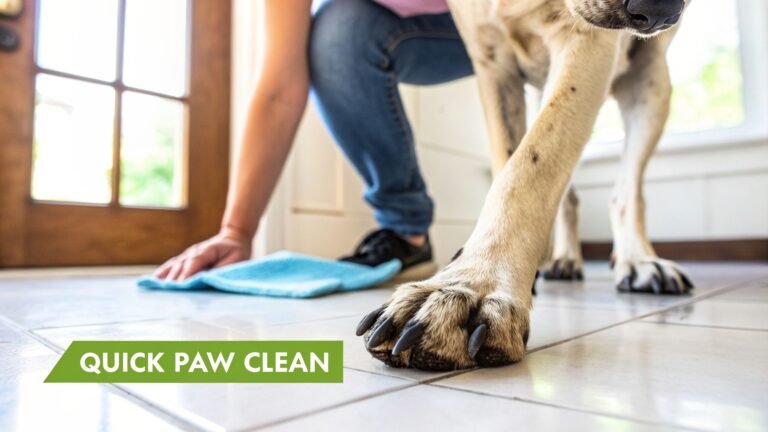
Wipe each paw, including between the toes.
Step 4
Remove any remaining dirt or debris.
Step 5
Dry each paw thoroughly with a clean towel.
Signs the Cleaning Worked
The paws should appear visibly cleaner with less dirt and debris. The skin should not look red or irritated after cleaning.
Your dog should walk normally without signs of discomfort.
Clean Paw Pads
Less visible dirt and grime.
No Irritation
Skin remains calm and comfortable.
When You Should Not Use Vinegar on Dog Paws
Vinegar is not appropriate for every paw-care situation. It can cause discomfort if applied to damaged skin.
Always examine the paws before cleaning and avoid vinegar if there are signs of injury or irritation.
Source: empocorp.com
Open Wounds
Vinegar may sting and increase discomfort.
Cracked Paw Pads
Sensitive tissue may react poorly.
Severe Redness
A veterinary evaluation may be needed.
When to Contact a Veterinarian
Seek veterinary advice if your dog is constantly licking its paws, has swelling, persistent redness, bleeding, or signs of infection.
Cleaning alone will not resolve underlying medical conditions such as allergies, injuries, or infections.
Persistent Symptoms
Professional evaluation may be necessary.
Common Mistakes and Better Alternatives
Many problems occur when vinegar is used incorrectly. Avoid overusing concentrated vinegar or allowing paws to remain wet after cleaning.
If vinegar does not work well for your dog’s needs, other paw-cleaning methods may be more suitable.
Source: pawsomefindsmc.com
Using Undiluted Vinegar
Can increase the risk of irritation.
Skipping Drying
Excess moisture may contribute to skin problems.
Ignoring Injuries
Always inspect paws before cleaning.
Alternative Paw Cleaning Options
Plain water, pet-safe paw wipes, and paw-cleaning cups are common alternatives. These options may be better for dogs with sensitive skin.
Choose a method based on your dog’s skin condition, activity level, and veterinary guidance.
Warm Water
Simple and gentle for routine cleaning.
Pet Wipes
Convenient for quick cleanups.
Frequently Asked Questions
Q
Can I use apple cider vinegar on my dog’s paws every day?
Daily use may be unnecessary for most dogs. Occasional cleaning after muddy walks or outdoor activities is generally more appropriate. Watch for any signs of dryness or irritation.
Q
Should I rinse the paws after using vinegar?
Many owners simply wipe and dry the paws after using a diluted solution. If your dog has sensitive skin, a light water rinse may provide additional comfort.
Q
Can vinegar remove road salt from dog paws?
Vinegar can help clean debris, but plain water is often recommended for removing road salt. Thorough rinsing and drying are important during winter months.
Q
What happens if my dog licks its paws after vinegar cleaning?
Small amounts of diluted vinegar are generally less concerning than concentrated vinegar. However, preventing excessive licking and allowing paws to dry fully is best.
Q
Can vinegar help with smelly dog paws?
A diluted vinegar solution may help reduce mild odors by cleaning dirt and residue from the paws. Persistent odor may indicate a skin issue that requires veterinary attention.
✦ Wrapping Up
Conclusion
Learning how to clean dog paws with vinegar can help keep your dog’s feet cleaner after outdoor activities. A properly diluted vinegar solution can remove dirt, reduce mild odors, and support routine paw hygiene when used appropriately.
Always inspect the paws before cleaning, avoid applying vinegar to damaged skin, and dry the paws thoroughly afterward. If irritation, redness, or persistent paw problems occur, consult a veterinarian for guidance.
💡 Key Takeaway
Mix equal parts vinegar and water, wipe healthy paws gently, dry thoroughly, and monitor for any signs of irritation.
Learn how to clean stained dog paws safely using simple at-home methods. Remove dirt, saliva, grass, and environmental stains while protecting your dog’s paw health.
Learn how to clean dog paws after walk safely and effectively. Follow simple steps to remove dirt, mud, salt, allergens, and debris while protecting your dog’s paw health.