Protect dog paws from salt with boots, paw balm, route changes, and prompt paw cleaning after walks.
Across many parts of the United States, road salt and ice-melting products are widely used during winter to improve traction and reduce icy conditions. While effective for sidewalks and roads, these products can irritate a dog’s paw pads, cause dryness and cracking, and create discomfort during walks.
Understanding how to protect dog paws from salt helps prevent injuries and keeps winter outings safer. The most effective approach combines preventive measures such as dog boots or paw balm with regular paw inspections and thorough cleaning after exposure to salted surfaces.
Source: animalia-life.club
Why Road Salt Can Harm Dog Paws
Road salt can cause irritation because it draws moisture from the skin. Repeated exposure may lead to dryness, redness, small cracks, and discomfort while walking.
Some ice-melting products contain additional chemicals that can increase irritation. Salt crystals can also become trapped between paw pads, creating friction and soreness.
Source: volharddognutrition.com
Dryness
Salt removes moisture from the paw surface.
Cracking
Damaged skin may split and become painful.
Irritation
Salt residue can cause redness and inflammation.
Signs Your Dog’s Paws Are Affected by Salt
Watch for limping, excessive licking, lifting paws off the ground, or reluctance to walk. These behaviors often indicate discomfort from salt exposure.
Licking
Frequent paw licking may signal irritation.
Limping
Painful paw pads can alter gait.
The Best Ways to Protect Dog Paws From Salt
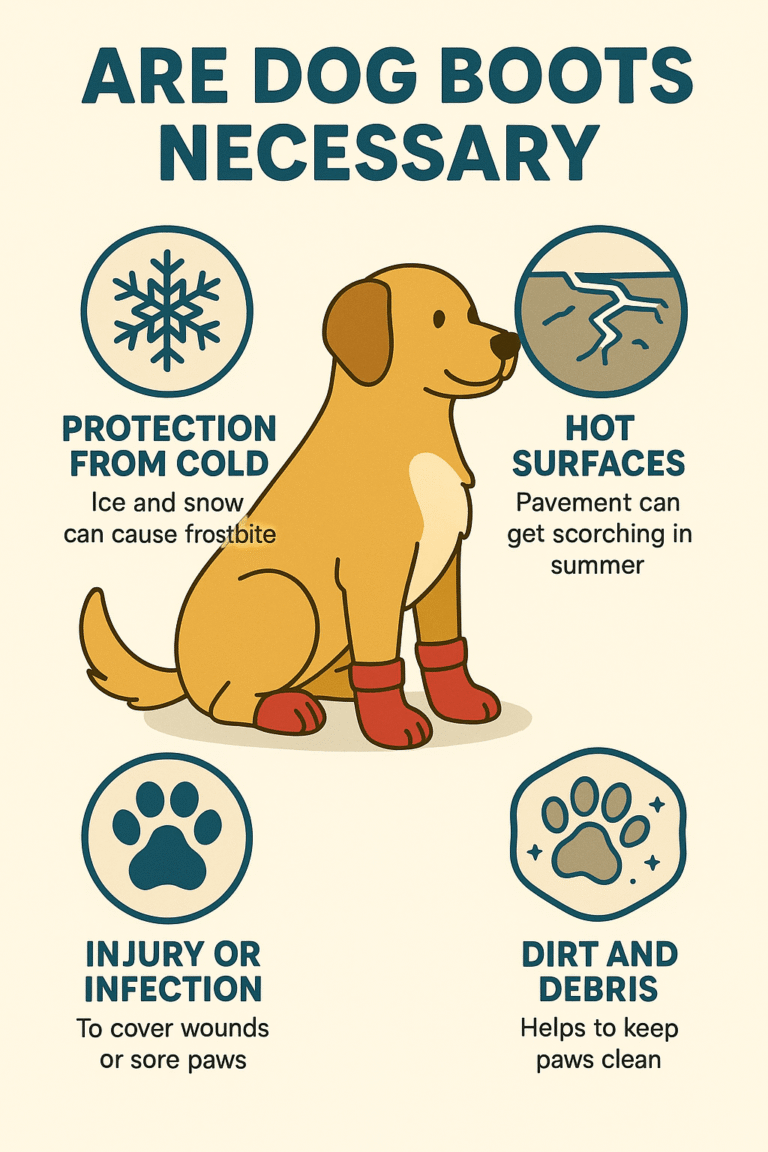
The most reliable protection comes from preventing direct contact with salt. Dog boots create a physical barrier between paw pads and winter surfaces.
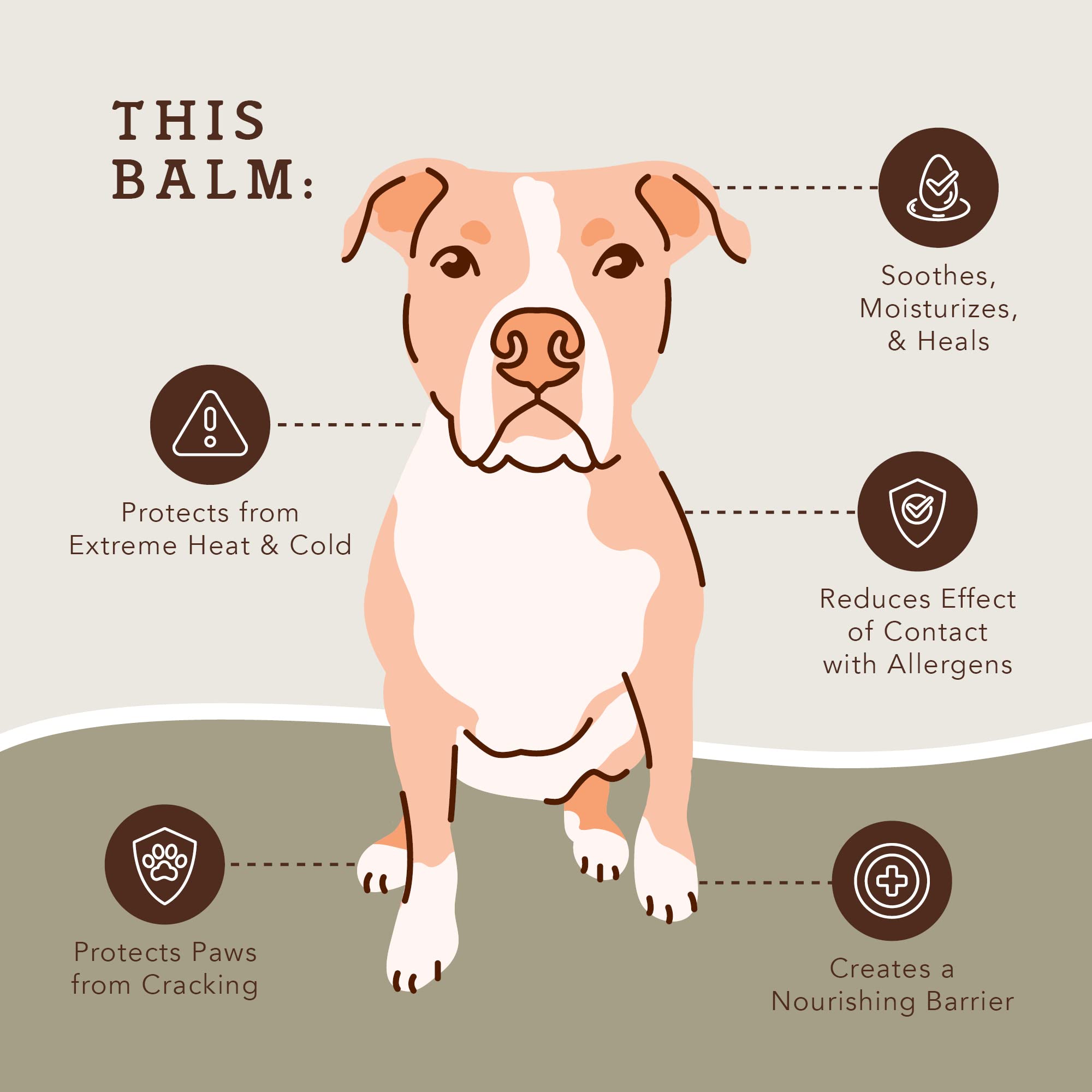
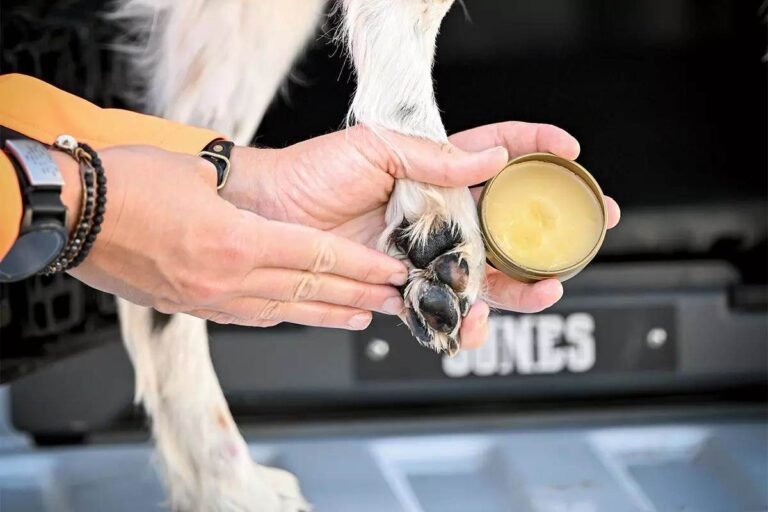
When boots are not practical, applying a pet-safe paw balm before walks can help reduce irritation and limit moisture loss.
Source: storage.googleapis.com
Use Dog Boots
Creates the strongest barrier against salt and ice.
Apply Paw Balm
Helps moisturize and shield paw pads.
Choose Cleaner Routes
Walk on less heavily salted paths when possible.
When Dog Boots Are the Best Choice
Boots are especially useful during severe winter conditions, long walks, or in areas where large amounts of de-icing products are applied.
Heavy Salt Coverage
Boots prevent direct contact with salt crystals.
How to Prepare Before a Winter Walk
Preparation reduces the chance of irritation. Check weather conditions, inspect walking routes, and make sure your dog’s paws are healthy before heading outside.
Trim excess fur between the paw pads if needed. Long fur can trap snow, ice, and salt particles.
Source: animalia-life.club
Inspect Paw Pads
Check for cuts, cracks, or existing irritation.
Apply Protection
Use boots or paw balm before leaving home.
Essential Winter Walking Supplies
Carry a towel, water, and spare booties if your dog wears protective footwear.
Clean Towel
Useful for removing salt after the walk.
How to Clean Dog Paws After Walking on Salted Surfaces
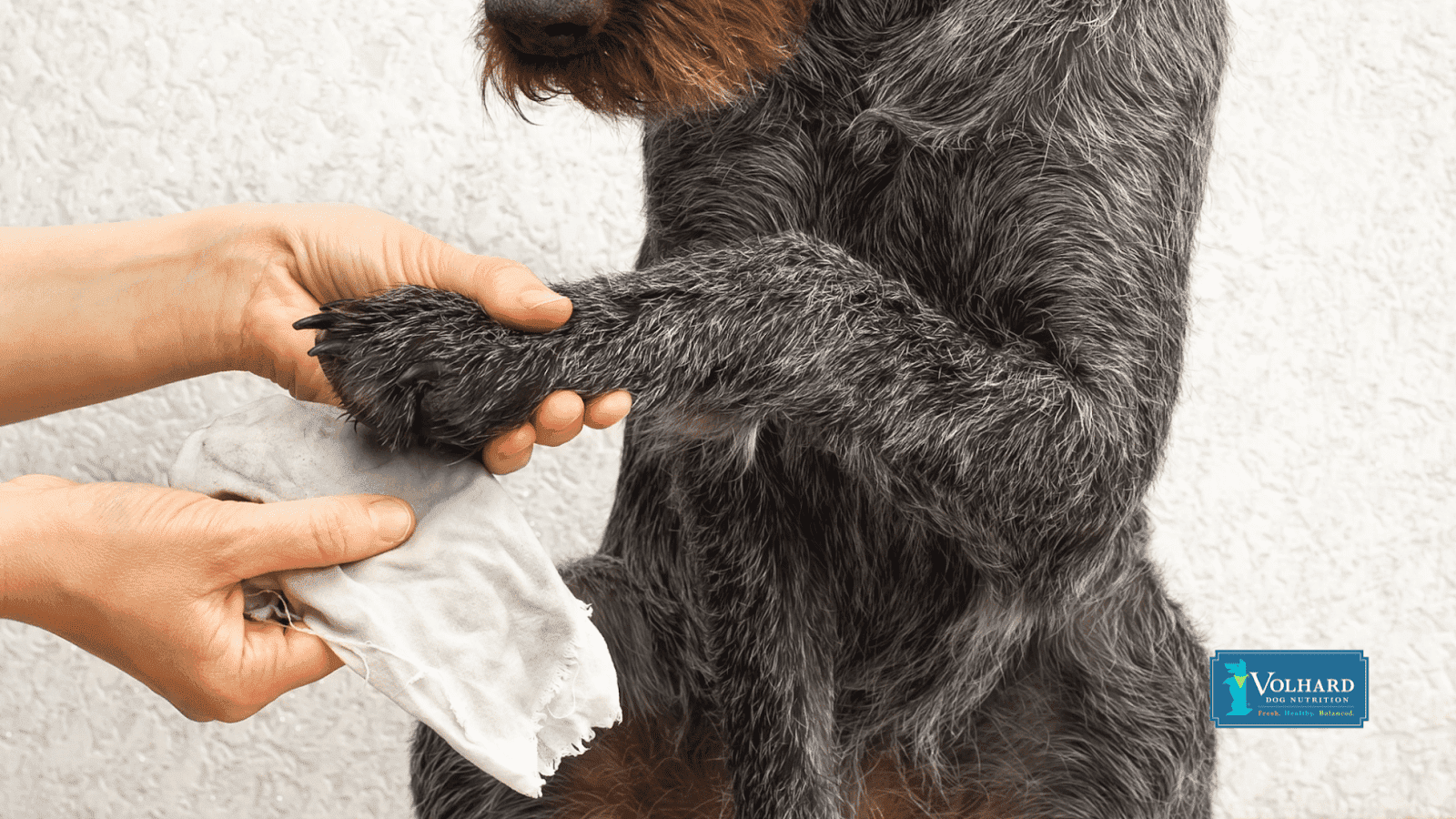
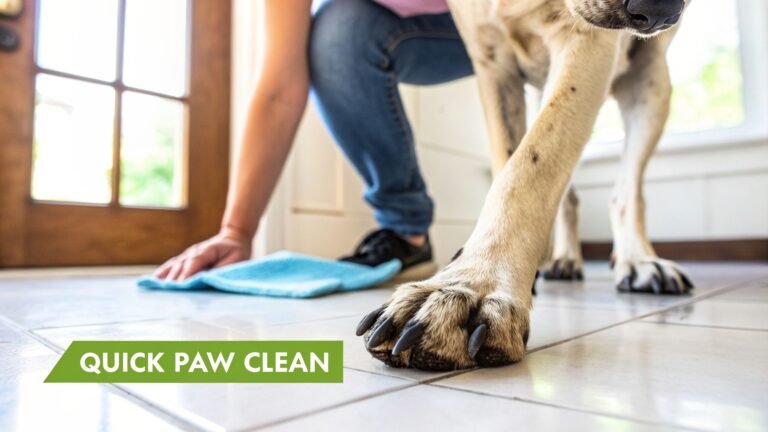
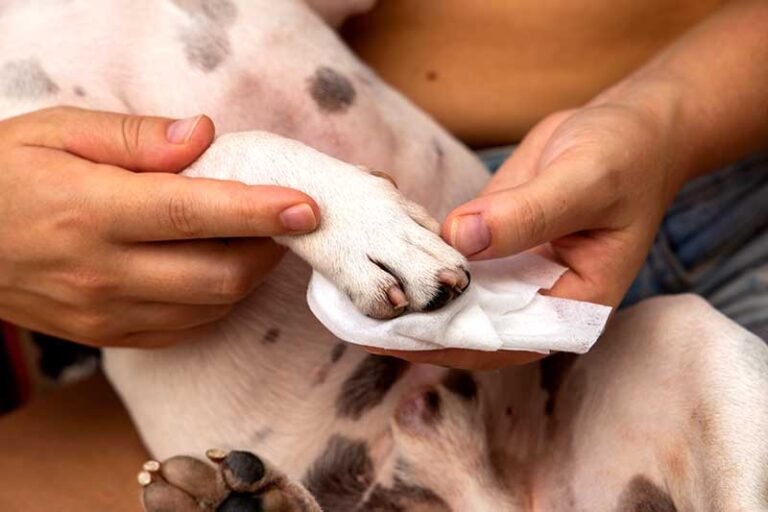
Cleaning paws immediately after returning indoors is one of the most important steps in how to protect dog paws from salt. Washing removes residue before it can continue irritating the skin.
Use lukewarm water and gently wipe between the toes and paw pads. Dry thoroughly afterward to prevent additional irritation.
Source: www.youtube.com
Rinse Thoroughly
Remove salt particles from all paw surfaces.
Dry Completely
Reduce moisture-related skin problems.
Inspect Again
Look for redness or developing cracks.
What to Do if Salt Causes Irritation
If paws become red, cracked, or painful, reduce exposure and consult a veterinarian if symptoms persist or worsen.
Rest
Limit walks on salted surfaces until healing occurs.
Common Mistakes Dog Owners Make During Winter
Many owners focus on cold temperatures but overlook salt exposure. Even short walks on heavily treated sidewalks can affect sensitive paws.
Another common mistake is waiting until signs of irritation appear before using protective measures.
Source: storage.googleapis.com
Skipping Paw Cleaning
Salt remains on the skin and continues causing irritation.
Ignoring Early Symptoms
Minor irritation can progress to painful cracks.
Poorly Fitted Boots
Loose boots may fall off or cause rubbing.
When to Contact a Veterinarian
Seek veterinary advice if your dog develops persistent limping, bleeding paw pads, severe swelling, or signs of infection.
Severe Symptoms
Professional evaluation may be necessary.
Winter Paw Protection Checklist
A simple routine helps keep paws healthy throughout winter. Consistency is more effective than reacting after irritation develops.
Combining preventive products, route selection, and post-walk care provides comprehensive protection.
Source: storage.googleapis.com
Before Walk
Apply paw balm or fit boots.
During Walk
Avoid heavily salted areas when possible.
After Walk
Clean, dry, and inspect all paws.
Signs of Successful Paw Protection
Healthy paw pads remain smooth, comfortable, and free of excessive redness, cracking, or persistent licking.
Comfortable Walking
Dogs move normally without signs of pain.
Frequently Asked Questions
Q
Can road salt burn a dog’s paws?
Road salt can irritate and dry the skin on paw pads. Prolonged exposure may contribute to painful cracks and inflammation.
Q
Are dog boots necessary in winter?
Dog boots are not always necessary, but they provide excellent protection in areas with heavy salt use, ice, or extremely cold conditions.
Q
What is the best alternative to dog boots?
A pet-safe paw balm is the most common alternative. It helps create a protective layer and supports paw moisture retention.
Q
How often should I clean my dog’s paws during winter?
Clean your dog’s paws after every walk on salted or treated surfaces to remove residue and reduce irritation risk.
Q
Can dogs get sick from licking salt off their paws?
Dogs can ingest salt and de-icing chemicals while licking their paws. Cleaning paws promptly reduces this risk.
✦ Wrapping Up
Conclusion
Learning how to protect dog paws from salt is an important part of winter pet care. Salt exposure can cause discomfort, dryness, and damage when preventive measures are not used.
The most effective strategy combines dog boots or paw balm with regular cleaning and routine paw inspections. Consistent care helps keep your dog’s paws healthy throughout the winter season.
💡 Key Takeaway
Before every winter walk, protect the paws with boots or paw balm and always rinse and inspect them when you return home.
Learn how to protect dog paws without boots using paw balm, route planning, surface management, and seasonal care. Discover practical ways to keep your dog’s paws healthy year-round.
Learn how to clean dog paws after walk safely and effectively. Follow simple steps to remove dirt, mud, salt, allergens, and debris while protecting your dog’s paw health.
Learn how to protect dog paws from hot pavement with practical safety tips, temperature checks, dog boots, walking schedules, and paw care advice for summer walks.
Learn how to clean white dog paws safely and effectively. Remove dirt, grass stains, mud, and discoloration while keeping your dog’s paws healthy and bright.