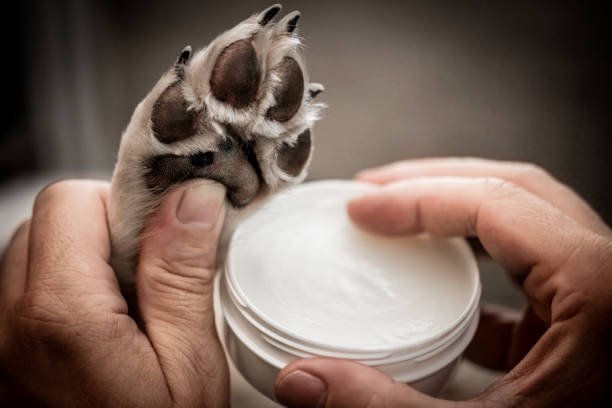
Yes, dogs paws are sensitive because they contain nerves that detect pressure, temperature, texture, and pain.
Across the United States, dogs encounter a wide range of surfaces, including hot asphalt, icy sidewalks, hiking trails, beaches, and concrete sidewalks. Understanding paw sensitivity helps owners prevent injuries and keep dogs comfortable during daily activities.
Although paw pads are tougher than human skin, they are not immune to pain. Dogs use their paws to gather information about their environment, which means the paws contain sensory structures that can detect heat, cold, pressure, and injury.
Source: animalia-life.club
Are Dogs Paws Sensitive?
Yes, dogs paws are sensitive. While the outer layer of the paw pad is thick and protective, the tissue underneath contains nerves and blood vessels that allow dogs to feel their surroundings.
This sensitivity helps dogs maintain balance, recognize different surfaces, and react to potentially dangerous conditions. A dog’s paws can detect changes in terrain that humans may not immediately notice.
Source: animalia-life.club
Temperature Detection
Dogs can feel when a surface is too hot or too cold.
Pain Response
Nerves inside the paw help dogs react to injuries quickly.
Environmental Awareness
Paws provide sensory feedback that supports movement and balance.
Why Paw Sensitivity Matters
Sensitivity is a protective feature. It helps dogs avoid hazards and adjust their movements when surfaces become uncomfortable or unsafe.
Safety Benefit
Early discomfort can prevent more severe injuries.
How Dog Paw Pads Protect the Feet
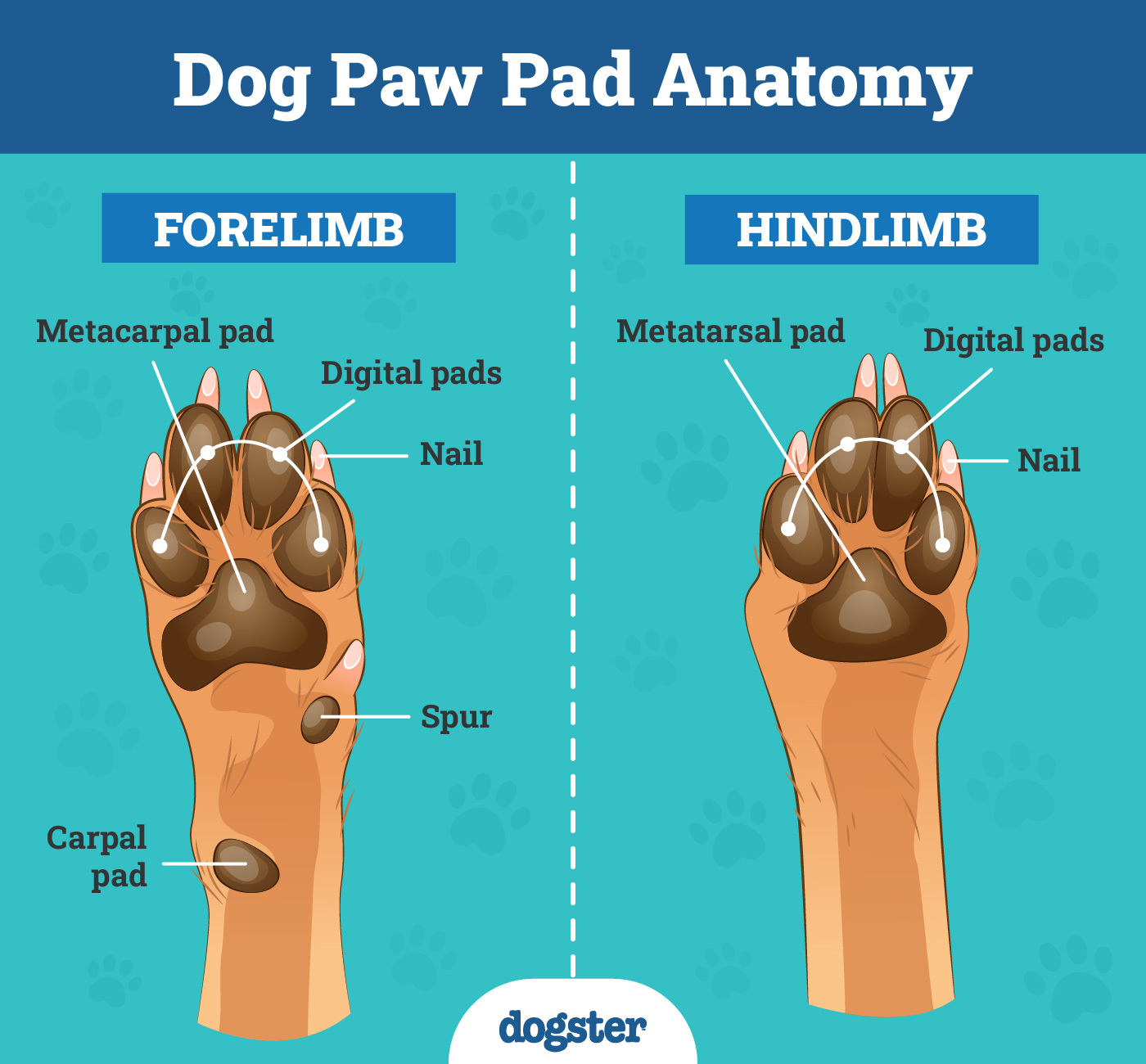
Paw pads are made of thick skin and fatty tissue that absorb shock during walking, running, and jumping. They act like natural cushions and reduce stress on joints.
Even though paw pads are durable, they are not indestructible. Sharp objects, extreme temperatures, and repeated friction can damage them over time.
Source: www.dogster.com
Shock Absorption
Fatty tissue helps cushion impact during movement.
Traction
Paw pads improve grip on many surfaces.
Protection
The outer layer shields sensitive tissues underneath.
What Is Inside a Paw Pad
A paw pad contains connective tissue, fat, blood vessels, and nerves that work together to provide both protection and sensation.
Nerve Network
Nerves allow dogs to sense texture and discomfort.
What Makes Dog Paws Become Extra Sensitive?
Several conditions can increase paw sensitivity. Injuries, allergies, infections, burns, cracked pads, and exposure to chemicals can all make a dog’s feet painful.
Dogs with irritated paws may avoid walking, limp, hold a paw off the ground, or frequently lick and chew their feet.
Source: animalwised.com
Hot Surfaces
Heated pavement can burn paw pads during warm weather.
Cold Weather
Ice and snow may cause cracking and irritation.
Allergies
Environmental allergens can trigger inflammation.
Signs of Paw Pain
Watch for limping, excessive licking, redness, swelling, bleeding, or reluctance to walk. These symptoms often indicate discomfort that requires attention.
Behavior Change
Reduced activity can signal paw problems.
Can Dogs Feel Hot Pavement and Cold Ground?
Yes, dogs can feel both heat and cold through their paws. While paw pads offer some insulation, prolonged exposure to extreme temperatures can still cause pain and injury.
A useful safety guideline is to test pavement with your hand. If the surface feels uncomfortably hot to you, it may be unsafe for your dog.
Source: animalia-life.club
Summer Risk
Asphalt can become hot enough to burn paw pads.
Winter Risk
Ice and frozen surfaces can lead to cracking and irritation.
Salt Exposure
De-icing products may irritate sensitive paws.
When to Use Paw Protection
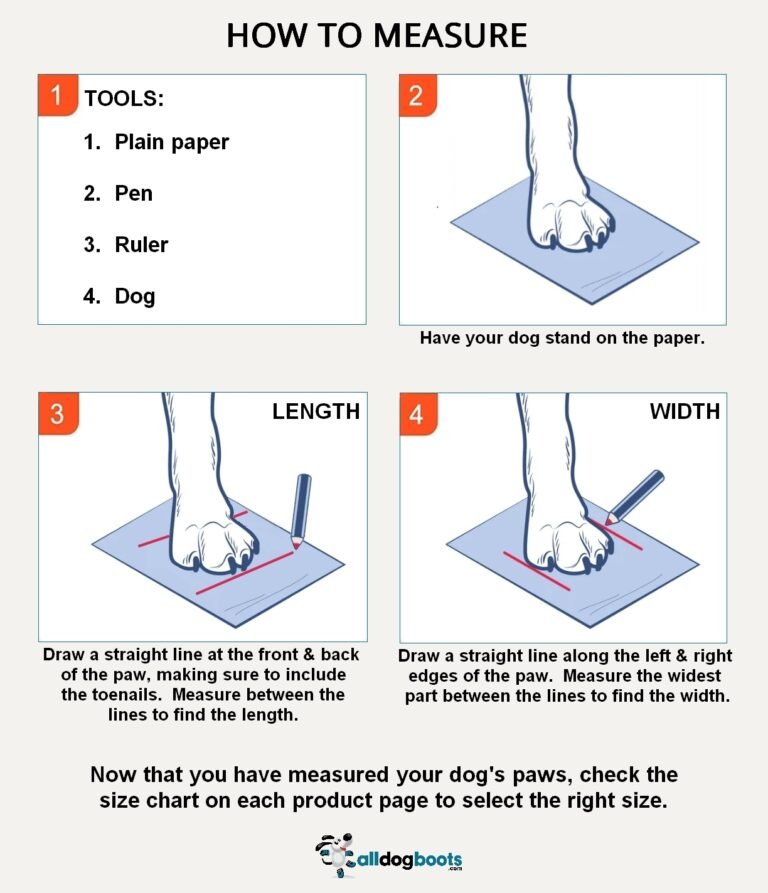
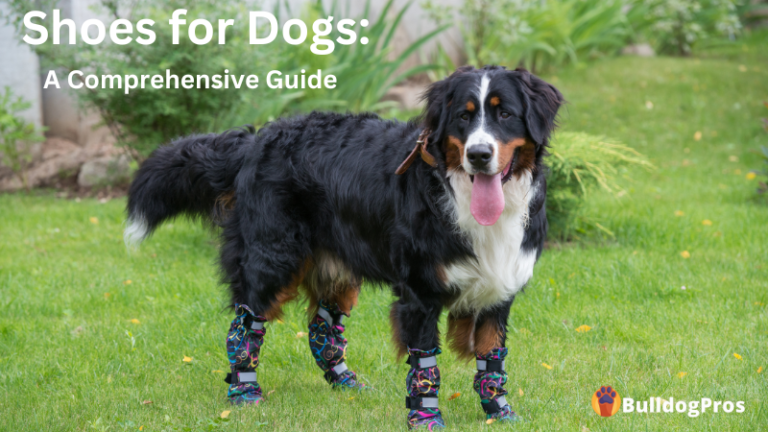
Protective dog boots or paw balms may help when walking on harsh surfaces or in extreme weather conditions.
Preventive Care
Protection is easier than treating injuries later.
How to Keep Sensitive Dog Paws Healthy
Routine paw care can reduce discomfort and help prevent injuries. Regular inspections allow owners to spot cuts, debris, swelling, or cracked pads before they worsen.
Healthy paws support mobility, comfort, and overall well-being. Consistent care is especially important for active dogs and dogs that spend time outdoors.
Source: animalwised.com
Inspect Frequently
Check paws after walks and outdoor activities.
Moisturize When Needed
Pet-safe paw balms may help prevent cracking.
Trim Excess Hair
Keeping hair tidy can reduce debris buildup.
When to Contact a Veterinarian
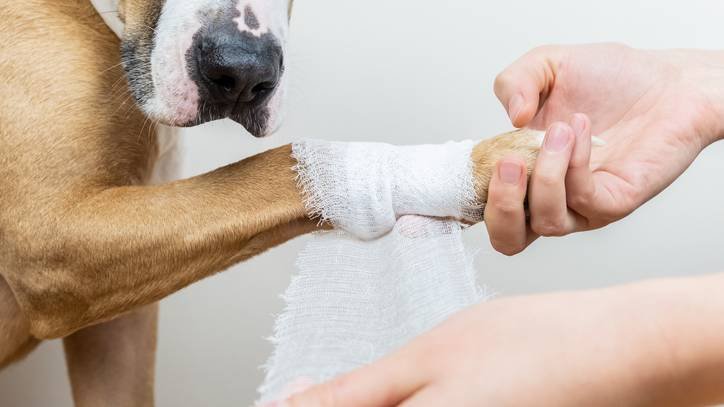
Seek veterinary care if a dog has persistent limping, deep cuts, severe swelling, bleeding, or signs of infection.
Prompt Treatment
Early care can prevent complications.
Frequently Asked Questions
Q
Are dog paw pads supposed to be sensitive?
Yes. Dog paw pads contain nerves that allow them to detect pressure, temperature, texture, and pain. Some sensitivity is normal and beneficial.
Q
Why does my dog pull away when I touch its paws?
Many dogs dislike paw handling because the area is sensitive. Pain, injury, fear, or lack of handling experience can also contribute.
Q
Can hot pavement hurt a dog’s paws?
Yes. Hot pavement can burn paw pads, especially during summer. Walking during cooler times of day helps reduce the risk.
Q
Do dogs feel pain in their paw pads?
Yes. Although paw pads are tough, the tissues beneath contain nerves that can detect pain from cuts, burns, infections, and other injuries.
Q
How can I tell if my dog’s paws are sore?
Common signs include limping, licking the paws, redness, swelling, bleeding, and reluctance to walk or run.
✦ Wrapping Up
Conclusion
Dogs have sensitive paws despite the toughness of their paw pads. Their feet contain nerves that help them sense the environment and protect themselves from danger.
Understanding paw sensitivity allows owners to recognize injuries early, avoid extreme surfaces, and provide better day-to-day paw care.
💡 Key Takeaway
Check your dog’s paws regularly, avoid extreme temperatures, and consult a veterinarian if you notice persistent pain, limping, or signs of injury.
Learn what ointment is safe for dogs paws, when to use paw balms or antibiotic ointments, and how to protect cracked, dry, or irritated paw pads safely.
Learn how to remove a foxtail from a dog’s paw when it is loose or clearly visible, recognize embedded foxtails, and know when veterinary care is needed.
Learn why dogs tuck their paws when lying down, sitting, or resting. Discover normal behavioral reasons, possible health concerns, and signs that require veterinary attention.