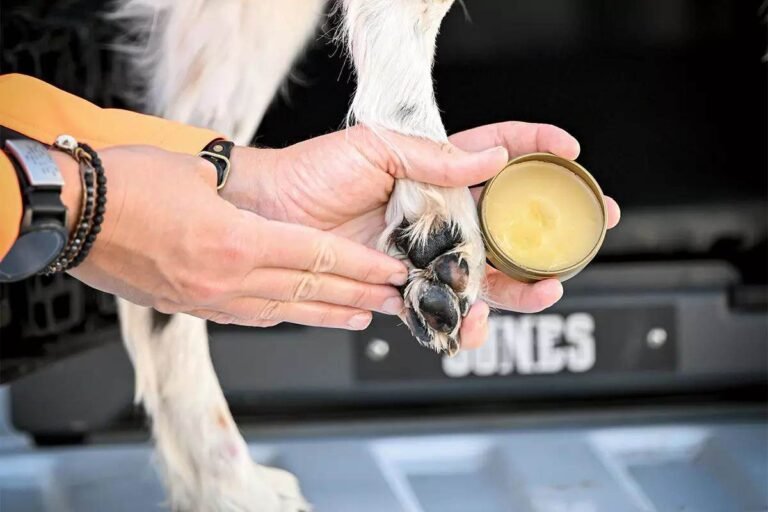
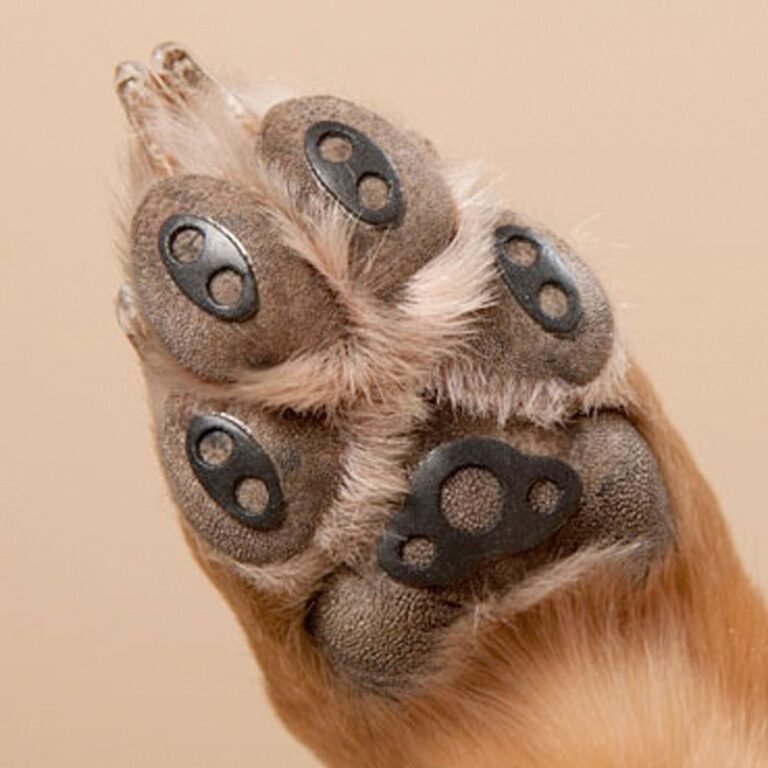
Most dogs can safely use pet-specific paw balms and veterinarian-approved ointments designed for paw pads.
Across the United States, dogs are exposed to hot pavement, icy sidewalks, rough trails, road salt, and dry indoor air. These conditions can cause paw pads to become cracked, irritated, or uncomfortable, leading many owners to ask what ointment is safe for dogs paws.
The safest choice depends on the problem being treated. Paw balms and moisturizing ointments are commonly used for dry or cracked pads, while veterinarian-approved antibiotic ointments may be appropriate for minor wounds. Products made specifically for dogs are generally preferred because they are designed to be safer if a dog licks its paws after application.
Source: m.media-amazon.com
What Ointment Is Safe for Dogs Paws?
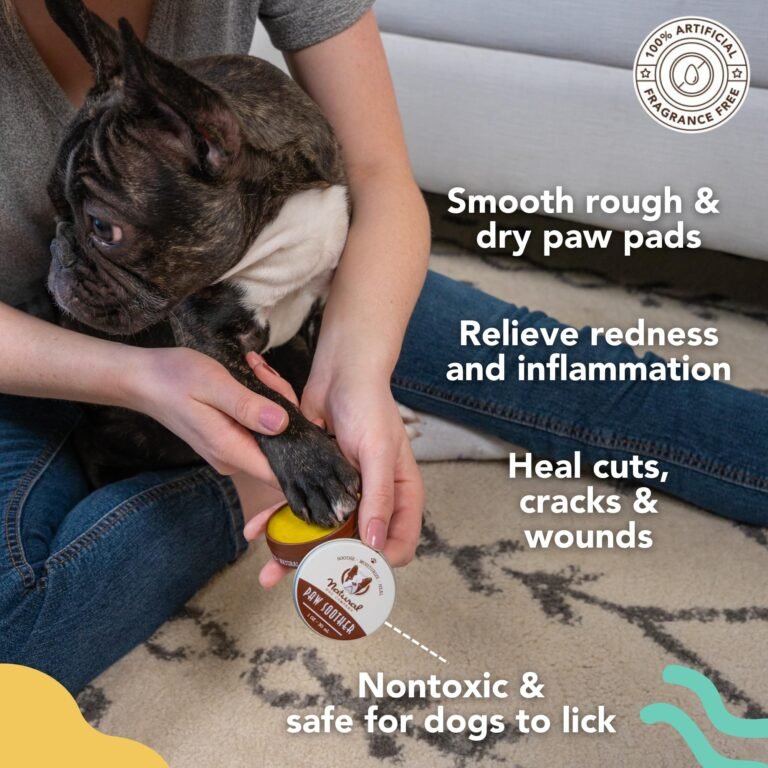
Safe ointments for dogs’ paws generally include pet-formulated paw balms, moisturizing creams designed for dogs, and veterinarian-approved wound ointments when injuries are present. These products help protect the skin barrier, reduce dryness, and support healing.
The best ointment depends on the condition. Dry paws usually benefit from moisturizing balms, while cuts, abrasions, or irritated areas may require a different treatment plan. Always read product labels and follow veterinary guidance when wounds are involved.
Source: gosupps.com
Paw balm
Best for dry, rough, cracked, or weather-damaged paw pads.
Moisturizing cream
Helps restore hydration and flexibility to dry paw skin.
Veterinary wound ointment
Used for minor injuries when recommended by a veterinarian.
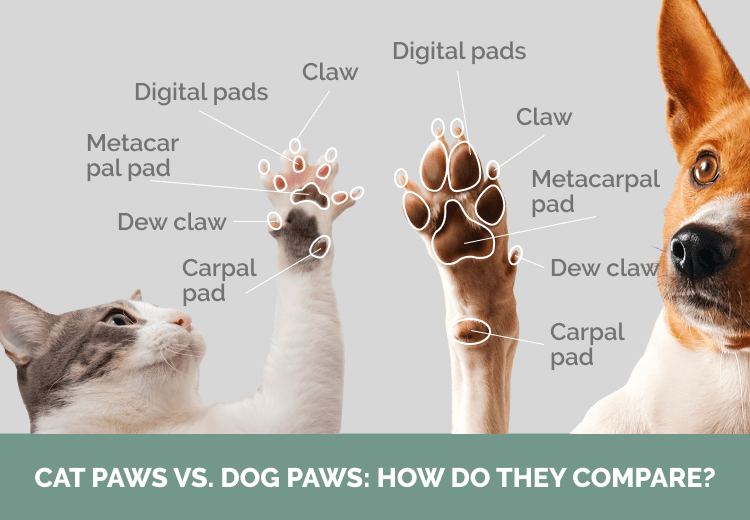
Why Dog Paws Need Special Products
Dogs often lick their paws after treatment. Products made specifically for pets are formulated with this behavior in mind and are generally safer than many human skincare products.
Human ointments may contain ingredients that are irritating or potentially harmful if ingested repeatedly.
Lick safety
Pet products are designed with accidental ingestion in mind.
Skin compatibility
Formulas are created for canine skin and paw pads.
Common Paw Problems and the Right Ointment
Different paw conditions require different solutions. Using the wrong ointment may delay healing or fail to address the underlying problem.
A simple evaluation of the paw’s condition can help determine whether moisturizing, protection, or medical treatment is most appropriate.
Source: i5.walmartimages.com
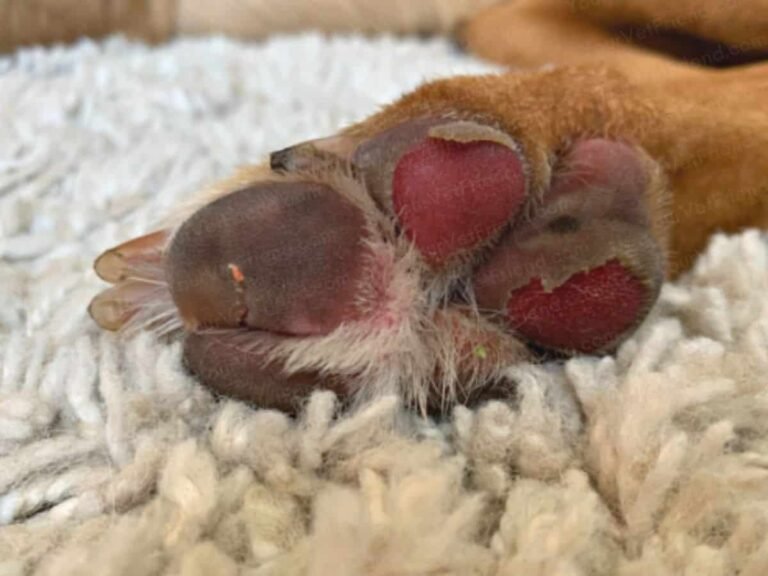
Dry and cracked pads
Use a moisturizing paw balm or conditioning ointment.
Minor abrasions
May benefit from veterinary-approved wound care products.
Burned paw pads
Require prompt veterinary evaluation before applying treatments.
Quick Decision Guide
If the paw is simply dry, a moisturizing balm is often sufficient. If there is bleeding, discharge, significant swelling, or pain, professional veterinary care is recommended.
Dryness
Choose hydration and protection.
Injury
Consider veterinary assessment and wound-specific treatment.
How to Apply Ointment Safely to Dog Paws
Proper application helps the ointment work effectively and reduces contamination. Start by inspecting the paw for debris, cuts, or signs of infection.
Wash the paw gently with lukewarm water, dry it thoroughly, and apply a thin layer of ointment. Prevent excessive licking for several minutes to allow absorption.
Source: m.media-amazon.com
Clean first
Remove dirt and debris before treatment.
Apply a thin layer
Using more product does not necessarily improve results.
Monitor afterward
Watch for redness, irritation, or allergic reactions.
Signs the Treatment Is Working
Healthy healing signs include smoother paw pads, less cracking, improved comfort, and reduced licking. Persistent symptoms may indicate a deeper issue requiring veterinary attention.
Improved texture
Paw pads become softer and more flexible.
Less discomfort
Dogs walk more normally and lick less often.
Ingredients to Look For and Ingredients to Avoid
Many quality paw ointments contain moisturizing and protective ingredients that support the natural skin barrier. Natural waxes, oils, and conditioning agents are common in paw balms.
Owners should also check labels carefully and avoid applying products that contain ingredients known to be problematic for dogs if licked or swallowed.
Source: i.pinimg.com
Protective waxes
Help shield paws from environmental stress.
Conditioning oils
Support hydration and flexibility.
Fragrances and additives
May increase irritation risk in sensitive dogs.
When to Contact a Veterinarian
Seek professional care if the paw is bleeding heavily, appears infected, has a deep cut, develops severe swelling, or causes ongoing limping. Ointments alone may not resolve these problems.
Infection signs
Pus, odor, redness, or increasing swelling.
Persistent pain
Ongoing discomfort warrants examination.
Preventing Future Paw Pad Problems
The safest ointment is often the one used before damage becomes severe. Regular paw care helps reduce cracking, irritation, and injury throughout the year.
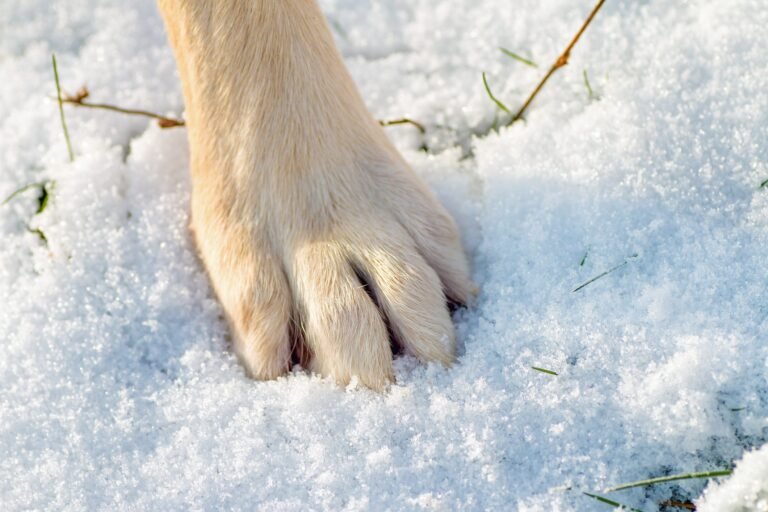
Preventive care is especially important during winter, hot summer weather, hiking trips, and exposure to rough surfaces.
Source: i.pinimg.com
Routine inspections
Check paws weekly for dryness or damage.
Seasonal protection
Use paw balm before harsh weather exposure.
Clean after walks
Remove salt, chemicals, and debris promptly.
Protective Habits That Help
Using paw balm regularly, avoiding extremely hot pavement, and rinsing paws after exposure to winter de-icing products can significantly reduce paw irritation.
Daily monitoring
Catch problems before they become severe.
Environmental awareness
Adjust walking routes when surfaces are hazardous.
Choosing Between Paw Balm and Antibiotic Ointment
Many owners confuse moisturizing paw balms with antibiotic ointments. They serve different purposes and should not be viewed as interchangeable.
Paw balms help maintain skin health and moisture, while antibiotic ointments are intended to address certain wound-related concerns under appropriate guidance.
Source: petnobs.com
Paw balm purpose
Moisturizes and protects healthy or mildly damaged paw pads.
Antibiotic ointment purpose
Addresses specific wound situations when appropriate.
Best choice
Match the product to the actual paw condition.
Avoid Self-Treating Serious Injuries
Deep cuts, severe burns, puncture wounds, or suspected infections require veterinary diagnosis. Delaying care while trying multiple ointments can allow the condition to worsen.
Deep wounds
Need professional evaluation.
Severe swelling
May indicate infection or tissue damage.
Frequently Asked Questions
Q
Can I use human ointment on my dog’s paws?
Some human products may not be suitable for dogs, especially because dogs lick their paws. Pet-specific products are generally the safer choice unless a veterinarian advises otherwise.
Q
Is paw balm better than antibiotic ointment?
Neither is universally better. Paw balm is typically used for dryness and protection, while antibiotic ointments may be used for certain minor wounds under veterinary guidance.
Q
How often should I apply paw ointment?
Frequency depends on the product and condition being treated. Many paw balms are applied once or twice daily, but owners should follow label instructions.
Q
What if my dog licks the ointment off?
Occasional licking is common. Choose products designed for dogs and try to limit licking for several minutes after application so the ointment can absorb properly.
Q
When should I take my dog to the veterinarian?
Seek veterinary care if the paw is bleeding, swollen, infected, painful, or causing persistent limping. Professional treatment may be needed beyond topical ointments.
✦ Wrapping Up
Conclusion
When considering what ointment is safe for dogs paws, pet-specific paw balms are usually the first choice for dry, rough, or cracked paw pads. They help moisturize and protect the skin while being formulated with canine use in mind.
More serious injuries may require different treatment approaches, including veterinary evaluation and wound-specific care. Matching the ointment to the actual paw condition is the safest and most effective strategy.
💡 Key Takeaway
Inspect your dog’s paws regularly, use a pet-safe paw balm for routine care, and contact a veterinarian if you notice wounds, infection, severe swelling, or ongoing discomfort.
Learn how to treat split dog paw pads safely at home, when to see a veterinarian, how to prevent infection, and how to help your dog’s paw heal properly.
Do dogs paws get cold in the snow? Learn how canine paws handle winter conditions, signs of cold-related injuries, frostbite risks, and ways to protect your dog during snowy walks.
Learn how to harden dog paw pads safely through gradual conditioning, routine inspections, proper paw care, and protection from heat, ice, chemicals, and rough terrain.
Learn how to protect dog paws without boots using paw balm, route planning, surface management, and seasonal care. Discover practical ways to keep your dog’s paws healthy year-round.