The safest way to harden dog paw pads is gradual conditioning: slowly increase your dog’s exposure to firm, moderately abrasive walking surfaces while avoiding hot, icy, chemically treated, or excessively rough ground. Do not try to harden pads quickly with harsh chemicals or by deliberately causing irritation.
For dog owners in the United States, paw conditioning is most useful when a dog is moving from mostly soft surfaces to regular walks, hiking, running, or other outdoor activity. Healthy paw pads are naturally thick and specialized for cushioning, traction, and protection, but a dog accustomed to grass or indoor floors may not be ready for a sudden increase in mileage or abrasive terrain. Veterinary guidance supports gradual acclimation rather than exposing unconditioned paws to extreme surfaces. :contentReference[oaicite:0]{index=0}
The goal is not to make the pads as hard as possible. A healthy pad should remain intact, flexible, and comfortable. Repeated mechanical stress can contribute to normal thickening of the outer skin, but cracks, bleeding, marked redness, limping, or sudden crusty changes are reasons to stop conditioning and consider veterinary evaluation. True hyperkeratosis and other medical disorders can also cause abnormal thickening. :contentReference[oaicite:1]{index=1}
Source: i.etsystatic.com
What Does It Mean to Harden a Dog’s Paw Pads?
Hardened paw pads are generally firm, durable pads that have adapted to regular physical use. Dogs naturally develop tougher outer pad tissue as they walk and run, particularly when their activity exposes them to firmer surfaces. This is similar in principle to the way repeated friction can produce callus formation in humans, although canine paw pads have specialized anatomy and should not be treated exactly like human skin. :contentReference[oaicite:2]{index=2}
For most dogs, the useful target is resilience rather than maximum hardness. A conditioned pad should tolerate normal activity without becoming raw, cracked, or painful. If the pad becomes excessively dry and brittle, adding more abrasive exercise is likely to increase injury risk rather than improve conditioning.
Source: i.pinimg.com
Normal adaptation
Regular, controlled activity can encourage the outer pad surface to become more resistant to everyday wear.
Not the same as disease
A naturally firm pad from activity differs from pathological hyperkeratosis, which can produce excessive, crusty, or abnormal tissue.
Not a race
Trying to accelerate hardening by excessive walking, rough terrain, or irritating substances can cause burns, abrasions, and tears.
How to Harden Dog Paw Pads Gradually
The most practical approach is progressive conditioning. Start with the amount of activity your dog’s current pads comfortably tolerate, then increase duration or surface difficulty in small steps. The exact pace depends on the dog’s age, fitness, current paw condition, body size, gait, and the activity you are preparing for.
Begin on ordinary firm ground during comfortable weather. Short walks can provide more conditioning stimulus than long periods on soft grass, but the surface should not be dangerously hot, sharp, or chemically contaminated. Veterinary sources specifically recommend acclimating dogs to harder surfaces instead of making a sudden transition to demanding exercise. :contentReference[oaicite:3]{index=3}
Source: i.pinimg.com
Start with short sessions
Use brief walks on safe firm surfaces if your dog normally spends most of the day indoors or on grass.
Increase one variable at a time
Progress either distance, duration, speed, or terrain difficulty rather than sharply increasing several demands at once.
Check the paws afterward
Look for redness, abrasions, cracks, foreign material, or sensitivity after each new type of activity.
Back off when symptoms appear
If your dog limps, repeatedly licks the pads, or develops damaged tissue, stop the conditioning session and address the problem before increasing activity again.
A Simple Conditioning Progression
A practical progression is to begin with familiar firm surfaces, establish that the paws remain comfortable, and then introduce more varied terrain. For example, a dog preparing for hiking might progress from short walks on sidewalks or packed paths to longer walks on mixed natural terrain. This is a general framework, not a medical prescription or a fixed timetable.
The key measure is the dog’s response. If the pads remain intact and the dog walks normally, the current workload may be appropriate. If soreness or damage appears, the workload is too high for the dog’s present conditioning level.
Stage 1
Use familiar, safe firm surfaces for short walks.
Stage 2
Gradually increase walking time while continuing to inspect the pads.
Stage 3
Introduce moderately varied terrain when the dog remains comfortable.
Stage 4
Only increase demanding terrain or longer outings after the previous level is well tolerated.
Protect Paw Pads While They Are Conditioning
Conditioning works only when the workload stays within the pad’s ability to recover. Protection is therefore part of the process. Hot asphalt, concrete, sand, ice, road salt, sharp debris, and certain chemicals can injure even tough paw pads. The American Veterinary Medical Association recommends avoiding hot surfaces and shifting outdoor activity to cooler parts of the day during hot weather. :contentReference[oaicite:4]{index=4}
In the United States, surface conditions can vary dramatically by season and region. A sidewalk that feels comfortable in spring may become dangerously hot during a summer afternoon, while winter sidewalks can contain salt or deicers that irritate the paws. Harder pads do not make a dog immune to burns or chemical injury. :contentReference[oaicite:5]{index=5}
Source: youdidwhatwithyourweiner.com
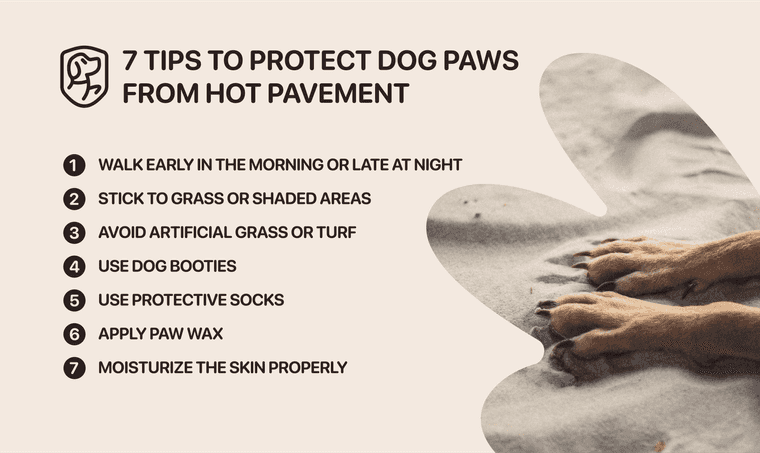
Hot pavement
Move walks to cooler times and choose grass or shade when pavement is excessively hot. A surface that is too hot for your hand is a warning that it may be unsafe for your dog’s paws. :contentReference[oaicite:6]{index=6}
Winter chemicals
Wipe or rinse paws after exposure to road salt and deicing products to reduce irritation and prevent your dog from ingesting residue while grooming.
Sharp terrain
Avoid forcing a dog with unconditioned paws onto sharp rocks, broken surfaces, or debris simply to make the pads tougher.
Protective footwear
Properly fitted dog boots can provide an additional barrier when environmental conditions are unsafe or when a veterinarian recommends extra protection. Dogs may need time to acclimate to wearing them. :contentReference[oaicite:7]{index=7}
Should You Use Paw Balm While Conditioning?
Paw balm is primarily useful for protecting or soothing dry pads, not for forcing the pads to become harder. Veterinary and canine-care guidance commonly recommends dog-specific paw balms or protective waxes when dryness or environmental exposure creates a problem. :contentReference[oaicite:8]{index=8}
If your dog’s pads are already healthy and comfortably adapting, there is no reason to deliberately dry them out or remove protective surface tissue. If the pads are cracked, burned, or otherwise injured, pause conditioning and seek veterinary guidance when the injury is significant.
Use when appropriate
A dog-specific balm may help with dryness and provide a protective barrier during challenging weather.
Do not use as a shortcut
Do not rely on topical products as a substitute for gradual exposure and sensible exercise progression.
Avoid irritating products
Do not deliberately apply harsh, caustic, or unapproved substances to make the pads feel tougher.
How to Tell Whether Paw Conditioning Is Working
Successful conditioning should show up as comfortable activity, not simply rougher-looking pads. Your dog should walk normally, recover normally after exercise, and maintain intact pad surfaces without persistent licking or visible injury.
Inspect all four feet after new or longer activities. Separate the toes enough to look for debris and irritation, and examine the pad surfaces for cracks, cuts, discoloration, or exposed tissue. Regular paw checks can help identify problems before a small injury becomes more serious. :contentReference[oaicite:9]{index=9}
Your dog walks normally, accepts normal activity, and has firm but intact pads without bleeding or significant cracking.
Warning signs
Repeated licking, chewing, limping, redness, swelling, cracks, bleeding, or reluctance to walk indicates that the current workload may be inappropriate or that another condition may be present.
Environmental clues
A problem that appears immediately after hot pavement, icy conditions, chemicals, or rough terrain may indicate an environmental injury rather than insufficient conditioning.
What If the Pads Become Cracked or Sore?
Stop the conditioning activity and assess the paw rather than trying to toughen it further. Minor irritation may improve with rest and appropriate paw care, but torn, punctured, burned, or significantly cracked pads can be difficult to heal because walking repeatedly stresses the injured tissue. Veterinary guidance recommends professional evaluation for many pad injuries, particularly when the wound is deep, persistent, or painful. :contentReference[oaicite:10]{index=10}
Reduce activity
Avoid the surface or activity that triggered the problem until the paw has recovered.
Clean carefully
For an injured pad, gently clean away surface contamination without digging into embedded debris.
Contact a veterinarian
Seek veterinary care for deep wounds, uncontrolled bleeding, exposed tissue, significant burns, infection signs, or ongoing lameness.
When Hard Paw Pads May Indicate a Medical Problem
Not every hard or thick paw pad is simply the result of conditioning. A sudden change in texture, excessive crusting, persistent inflammation, or abnormal thickening can have medical causes. Hyperkeratosis, for example, involves excessive keratin buildup and can affect the paw pads; veterinary assessment may be needed to determine why it is occurring. :contentReference[oaicite:11]{index=11}
Pay particular attention when the change is sudden or accompanied by other symptoms. Persistent paw licking, chewing, redness, swelling, scaling, hair loss, discharge, lameness, or pain can indicate inflammation or another underlying problem rather than healthy adaptation. :contentReference[oaicite:12]{index=12}
Source: welovedoodles.com
Sudden hardening
Rapid changes over a short period deserve more attention than gradual thickening associated with increased activity.
Excessive crusting
Very thick, flaky, or horn-like material is not a reason to increase abrasive exercise and may warrant a veterinary examination.
Pain or lameness
A dog that limps, avoids walking, or repeatedly licks the pads may have an injury or inflammatory condition.
Infection signs
Discharge, foul odor, increasing swelling, heat, or worsening redness should prompt veterinary attention.
Do Not Sand, File, or Deliberately Irritate the Pads
Trying to mechanically remove or aggressively roughen the outer surface can damage tissue that the paw needs for protection. The objective is controlled adaptation, not creating a thicker surface through injury. If excessive keratin or abnormal tissue needs removal, the appropriate method depends on the underlying condition and should be determined by a veterinarian.
Avoid sanding
Do not use abrasive tools to roughen or reshape healthy paw pads.
Avoid chemical shortcuts
Do not use harsh chemicals or products not intended and approved for canine paw use.
Treat the cause
Abnormal hardening should be investigated instead of assuming that more exercise will correct it.
Common Mistakes When Trying to Harden Dog Paw Pads
The biggest mistake is treating paw conditioning like a test of endurance. Paw tissue needs time to adapt, and increasing exposure too quickly can cause the very injuries the owner is trying to prevent. A gradual increase in safe activity is more appropriate than deliberately subjecting a dog to painful surfaces.
Another common mistake is confusing protection with conditioning. Boots, balm, shade, and route selection can reduce exposure to harmful conditions, but they do not make an unconditioned paw instantly ready for a long hike. Conversely, avoiding every firm surface can leave a dog less prepared for activities that require regular outdoor walking.
Source: bunburydoggrooming.com
Suddenly doubling activity
A large jump in distance or terrain difficulty can overload paws before they have adapted.
Using hot pavement as conditioning
Heat injury is not productive conditioning. Hot asphalt can burn paw pads regardless of how tough they appear. :contentReference[oaicite:13]{index=13}
Ignoring seasonal conditions
Ice, salt, deicers, and cold weather can create problems even when the walking surface seems ordinary.
Continuing after limping
Limping is a reason to stop and investigate, not a sign that the pads need to be pushed harder.
Assuming rougher is always healthier
Healthy pads need durability and flexibility. Excessively dry, cracked, or abnormal tissue is not the goal.
Frequently Asked Questions
Q
How long does it take to harden a dog’s paw pads?
There is no reliable universal timetable. Adaptation depends on the dog’s starting activity level, surface, exercise intensity, age, health, and individual response. Increase activity gradually and judge progress by comfortable movement and intact pads rather than by a fixed number of days.
Q
Can I use concrete to harden my dog’s paw pads?
Safe, moderate exposure to firm surfaces can contribute to conditioning, but concrete should not be used as an aggressive hardening tool. Avoid excessively hot or rough concrete, and introduce increased walking gradually. The American Veterinary Medical Association specifically advises avoiding hot surfaces that can burn paws. :contentReference[oaicite:14]{index=14}
Q
Does walking on pavement make dog paws tougher?
Regular exposure to firm surfaces can contribute to natural pad adaptation, but pavement also creates risks from heat and abrasion. Conditioning should therefore occur under controlled, comfortable conditions rather than through prolonged exposure to harsh pavement. :contentReference[oaicite:15]{index=15}
Q
Should I put balm on my dog’s paws while conditioning them?
A dog-specific paw balm can be useful when pads are dry or exposed to environmental irritants, and protective balms are commonly recommended for paw care. However, balm is not a substitute for gradual conditioning and should not be used to conceal an injury that needs veterinary attention. :contentReference[oaicite:16]{index=16}
Q
Why are my dog’s paw pads suddenly hard and crusty?
Sudden or unusually thick, crusty pads may be more than normal conditioning. Hyperkeratosis and inflammatory or systemic disorders can produce abnormal pad changes. If the change is rapid, severe, painful, associated with persistent licking, or accompanied by other symptoms, have your dog evaluated by a veterinarian. :contentReference[oaicite:17]{index=17}
✦ Wrapping Up
Conclusion
The safest way to harden dog paw pads is to let them adapt naturally through gradual, controlled activity. Start with manageable walks on safe firm surfaces, increase the workload slowly, inspect the paws regularly, and protect them from extreme heat, cold, chemicals, and sharp terrain. There is no benefit to deliberately damaging or aggressively drying the pads.
A well-conditioned paw is not simply a hard paw. It is a paw that remains intact, flexible, and comfortable while handling the dog’s normal activity. If the pads become cracked, bleed, change suddenly, or cause limping or persistent licking, stop conditioning and seek veterinary advice rather than increasing the workload.
💡 Key Takeaway
Start with short walks on safe firm ground, inspect all four paws afterward, and increase activity only when the pads remain comfortable and intact.
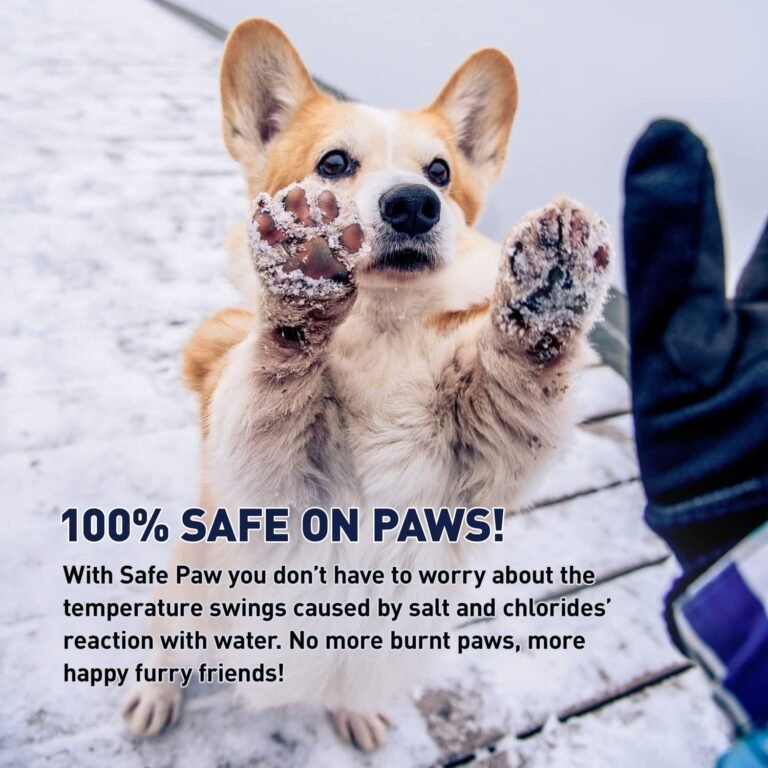
Learn how to protect dog paws from salt during winter walks. Discover effective prevention methods, paw care tips, boot options, and safe post-walk cleaning routines.
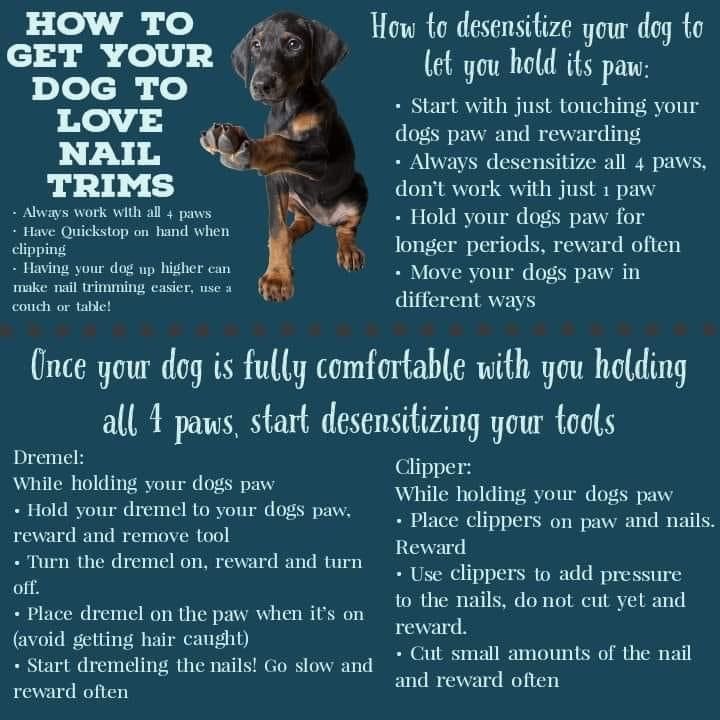
Learn how to desensitize dog paws using positive reinforcement, gradual handling, and proven training techniques. Make nail trims, grooming, and paw care easier and less stressful.
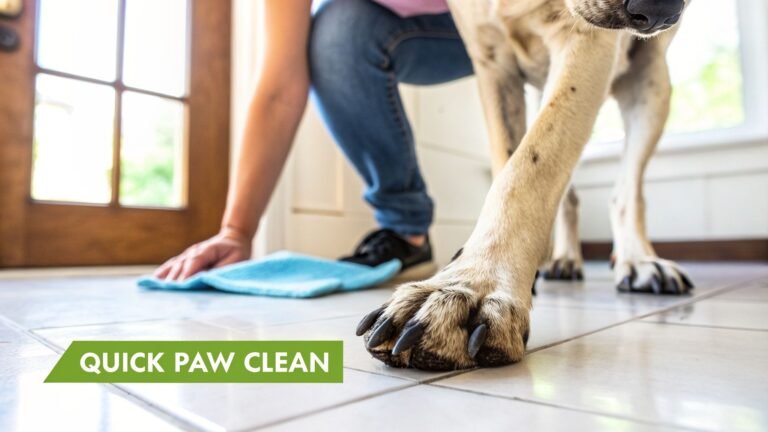
Learn how to clean muddy dog paws safely and effectively. Follow simple steps, prevent muddy messes, protect paw health, and keep your home cleaner after walks.
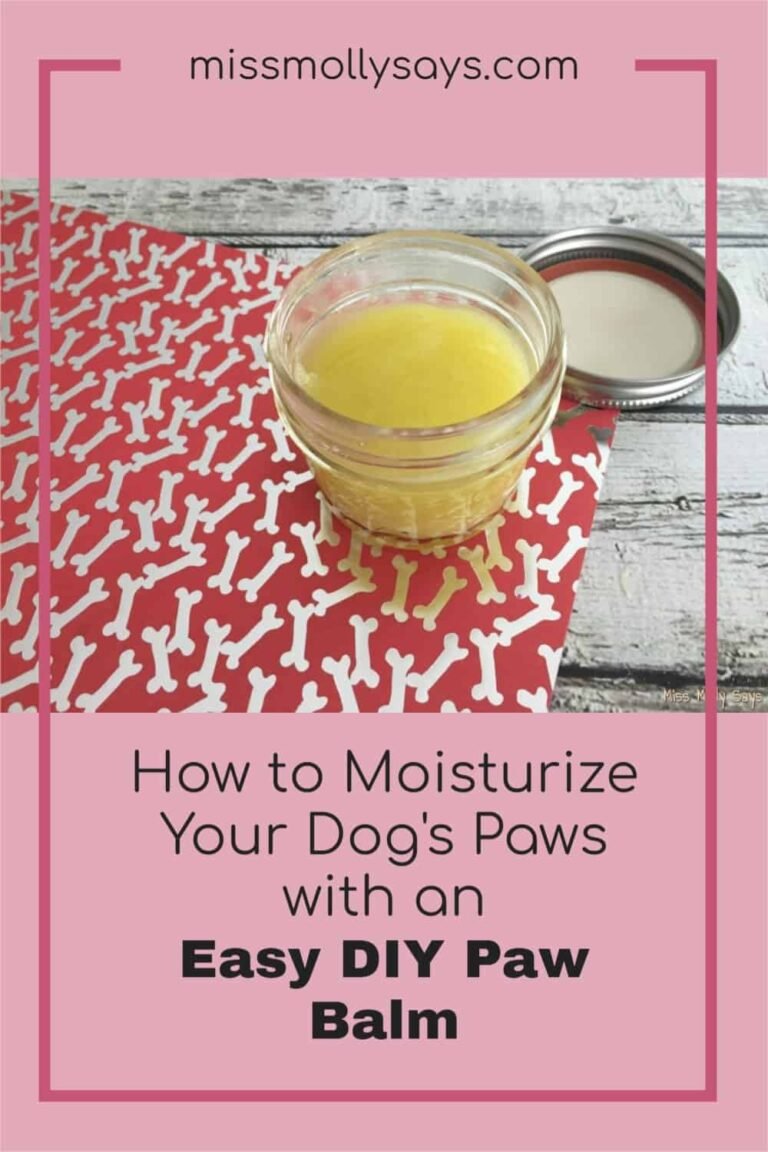
Learn how to moisturize dog paws safely with paw balms, natural moisturizers, and daily care tips. Discover how to prevent dry, cracked paw pads and keep your dog’s feet healthy.
Learn how to protect dog paws from hot pavement with practical safety tips, temperature checks, dog boots, walking schedules, and paw care advice for summer walks.
Learn how to tell if your dog has a foxtail in its paw, including common signs, what to check between the toes, when removal is unsafe, and when to see a veterinarian.