Desensitize dog paws by pairing gentle paw handling with rewards and slowly increasing contact over time.
Across the United States, many dog owners struggle with dogs that pull away, freeze, or become anxious when their paws are touched. This can make nail trims, grooming appointments, veterinary exams, and routine paw checks difficult. The most effective solution is gradual desensitization combined with positive reinforcement.
Learning how to desensitize dog paws involves exposing your dog to gentle handling in small, manageable steps while rewarding calm behavior. By progressing at your dog’s comfort level, you can build trust and help your dog accept paw care without fear or resistance.
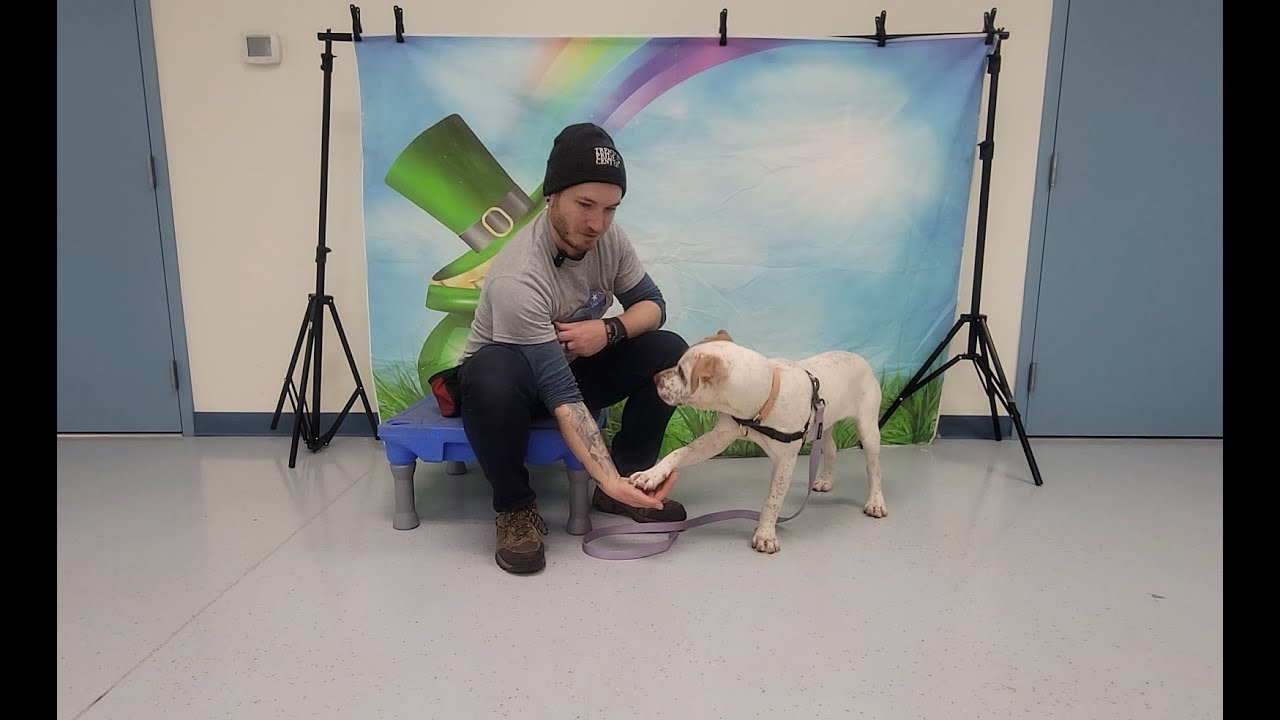
Source: i.ytimg.com
What Does It Mean to Desensitize Dog Paws?
Desensitization is a training process that helps a dog become comfortable with something that previously caused discomfort, fear, or anxiety. In this case, the goal is teaching a dog to tolerate paw handling calmly.
Dogs may dislike paw contact because their paws are sensitive, they have had unpleasant experiences during grooming, or they naturally protect vulnerable body parts. Desensitization changes the dog’s emotional response by creating positive associations with touch.
Source: dog-training-excellence.com
Gradual Exposure
Introduce paw handling in very small, manageable steps.
Positive Reinforcement
Reward calm behavior with treats, praise, or play.
Consistency
Practice regularly to build lasting comfort and confidence.
Signs Your Dog Needs Paw Desensitization
Common signs include pulling paws away, licking excessively, stiffening the body, growling, hiding, or becoming restless during grooming and nail trimming.
Avoidance
The dog quickly removes its paw when touched.
Stress Signals
Panting, yawning, lip licking, or trembling may indicate discomfort.
Preparation Before Starting Paw Desensitization
Successful training begins with the right environment. Choose a quiet location where your dog feels safe and comfortable. Have high-value treats ready and avoid training when your dog is overly excited or tired.
If your dog has a paw injury, infection, cracked pads, or another medical issue, address the health concern before beginning training. Pain can interfere with learning and create negative associations.
Source: medikurin.com
Choose Rewards
Use treats your dog finds highly motivating.
Keep Sessions Short
Aim for one to five minutes per session.
Watch Body Language
Stop before your dog becomes stressed.
Training Supplies
Helpful supplies include treats, a non-slip mat, a clicker if you use clicker training, and grooming tools that will eventually be introduced during later stages.
Non-Slip Surface
Helps dogs feel secure while standing.
Step-by-Step Method for How to Desensitize Dog Paws
The safest approach is to move through small steps and only progress when your dog remains relaxed. If your dog becomes uncomfortable, return to an easier step and rebuild confidence.
Training should focus on creating positive experiences rather than forcing compliance. Most dogs learn faster when they feel in control of the process.
Source: i.ytimg.com
Step 1
Touch the shoulder or leg briefly and reward.
Step 2
Gradually move closer to the paw while rewarding calm behavior.
Step 3
Touch the paw for one second and immediately reward.
Step 4
Hold the paw gently for increasing durations.
Step 5
Handle individual toes and nails while offering rewards.
Introducing Grooming Tools
Once your dog accepts paw handling, show grooming tools without using them. Reward calm reactions. Gradually progress to touching the tool to the paw before attempting any nail trimming.
Slow Progression
Introduce clippers or grinders one step at a time.
Positive Association
Pair every exposure with rewards.
How Long Does Paw Desensitization Take?
The timeline varies based on the dog’s age, personality, history, and sensitivity level. Some dogs show improvement within a few days, while others may require several weeks of consistent practice.
Success is measured by relaxation and cooperation, not speed. Moving too quickly can create setbacks and slow overall progress.
Source: i.pinimg.com
Mild Sensitivity
Many dogs improve within one to two weeks.
Moderate Fear
Several weeks of training may be needed.
Severe Anxiety
Professional guidance may help achieve better results.
Signs the Training Is Working
Your dog remains relaxed, allows longer handling sessions, accepts paw touching voluntarily, and recovers quickly from brief handling exercises.
Relaxed Posture
Loose muscles and calm behavior indicate progress.
Common Mistakes to Avoid
Many owners unintentionally slow progress by moving too fast or forcing their dog through uncomfortable situations. Desensitization works best when the dog remains below its stress threshold.
Punishment, restraint, or rushing the process can increase fear and make future paw handling more difficult.
Source: lightenupdogtraining.co.uk
Skipping Steps
Advancing too quickly often causes setbacks.
Long Sessions
Extended sessions can overwhelm sensitive dogs.
Ignoring Stress Signals
Watch for signs that indicate your dog needs a break.
When to Seek Professional Help
If your dog shows intense fear, aggression, or panic during paw handling, consult a qualified veterinarian or certified dog behavior professional for individualized guidance.
Safety First
Professional support can reduce risk for both dogs and handlers.
A Simple Paw Desensitization Training Schedule
A structured schedule helps many owners stay consistent. Begin with basic leg touches, progress to brief paw contact, and gradually increase handling duration over multiple sessions.
The pace should be adjusted according to your dog’s comfort level rather than following a strict timeline.
Source: i.ytimg.com
Days 1 to 3
Reward calm responses to leg touching.
Days 4 to 7
Briefly touch and hold the paw.
Week 2
Handle toes and nails while rewarding calm behavior.
Week 3 and Beyond
Introduce grooming tools gradually.
Maintaining Progress
Continue occasional paw handling even after training goals are achieved. Regular positive experiences help maintain comfort over the long term.
Practice Regularly
Short maintenance sessions help prevent regression.
Frequently Asked Questions
Q
Why does my dog hate having its paws touched?
Many dogs naturally protect their paws because they are sensitive. Previous negative experiences, pain, fear, or lack of early handling can also contribute to paw sensitivity.
Q
Can older dogs learn paw desensitization?
Yes. Older dogs can learn new behaviors through gradual training and positive reinforcement, although progress may take longer than with puppies.
Q
How often should I practice paw handling?
Short daily sessions are generally more effective than occasional long sessions. Consistency helps build confidence and positive associations.
Q
Should I use treats during every session?
Treats are highly effective during the learning phase because they help create positive associations. Over time, rewards can be varied with praise or play.
Q
What if my dog growls when I touch its paws?
A growl is a warning sign that your dog is uncomfortable. Stop the session, evaluate possible pain or fear, and consider consulting a veterinarian or qualified behavior professional.
✦ Wrapping Up
Conclusion
Learning how to desensitize dog paws requires patience, consistency, and positive reinforcement. By breaking the process into small steps and rewarding calm behavior, most dogs can become significantly more comfortable with paw handling.
Successful paw desensitization improves grooming, nail trimming, veterinary care, and everyday paw inspections. The key is allowing your dog to progress at a pace that builds confidence rather than fear.
💡 Key Takeaway
Start with a one-second paw touch today, reward your dog immediately, and gradually build toward longer handling sessions over time.
Learn how to stop my dog from chewing his paws with practical steps, common causes, home care tips, and guidance on when veterinary treatment is needed.
Learn how to protect dog paws without boots using paw balm, route planning, surface management, and seasonal care. Discover practical ways to keep your dog’s paws healthy year-round.
Learn how to harden dog paw pads safely through gradual conditioning, routine inspections, proper paw care, and protection from heat, ice, chemicals, and rough terrain.
Learn how to treat a torn paw pad on dog with step-by-step first aid, bandaging tips, healing timelines, infection signs, and guidance on when veterinary care is needed.