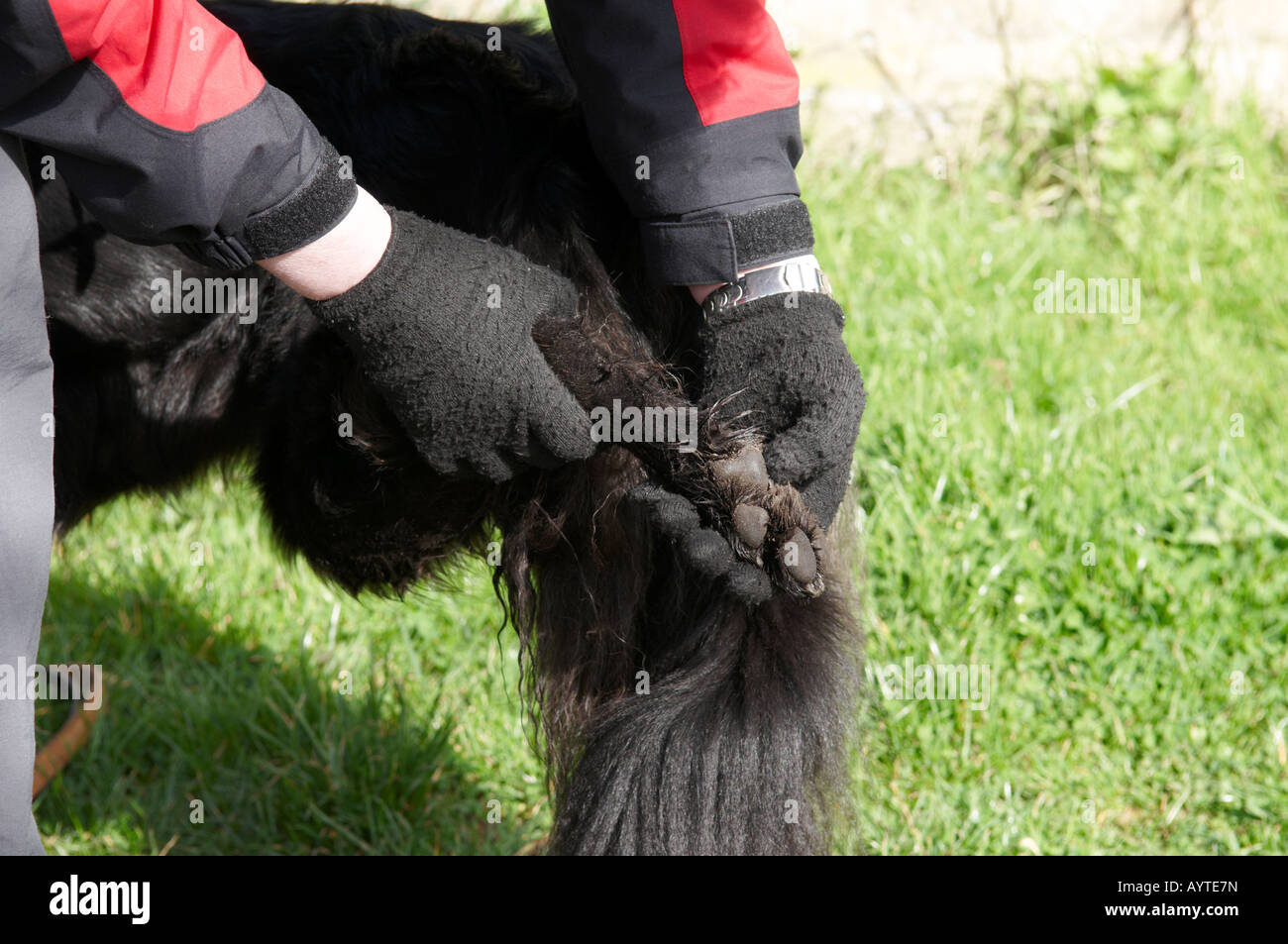
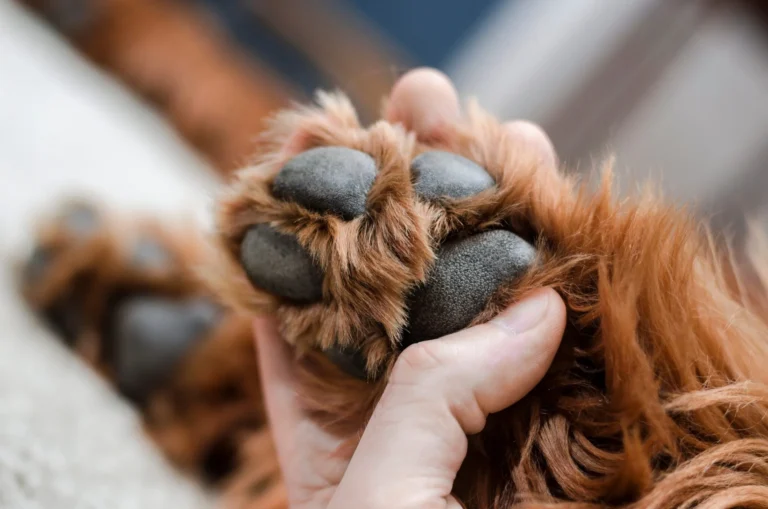
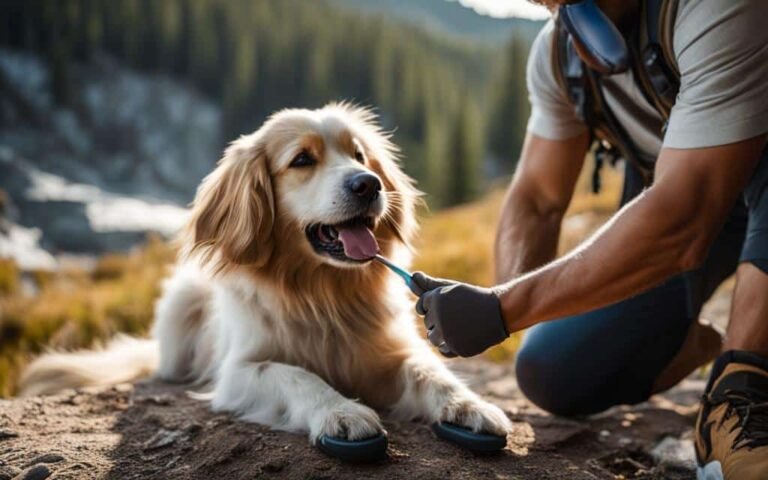
To check a dog’s paw for injury, first watch how the dog walks, then calmly inspect the top and underside of the paw, between the toes, paw pads, nails, and lower leg for cuts, swelling, redness, heat, bleeding, foreign objects, or signs of pain.
For dog owners in the United States, a quick paw check after walks, hikes, yard play, or any episode of limping can help identify obvious problems before they become more serious. Dogs can develop paw injuries from sharp objects, rough surfaces, hot pavement, torn nails, punctures, burns, insect bites, or foreign material lodged between the toes.
A home inspection is useful for spotting visible problems, but it cannot rule out fractures, ligament injuries, infections, or deeper tissue damage. If your dog has severe pain, cannot bear weight, has significant bleeding or swelling, or has a deep wound or embedded object, stop the examination and contact a veterinarian.
Source: animalmedia.org
1. Watch Your Dog Walk Before Examining the Paw
Start by observing your dog on a safe, level surface. Determine whether the dog is favoring a front or rear leg, taking shorter steps, carrying the foot, or refusing to put weight on it. Note whether the problem began suddenly or gradually and whether it followed exercise, a walk, a jump, or another event.
Limping does not prove that the paw itself is injured. Problems involving bones, joints, muscles, tendons, or ligaments can also cause lameness. The walking observation simply helps you decide which limb to inspect and gives your veterinarian useful information if an examination is needed.
Source: whatcanmydogeat.com
Look for weight avoidance
A dog that keeps a foot completely off the ground may have a more painful or significant injury than a dog with only a mild change in gait.
Watch for repeated licking
Persistent licking or chewing of one paw can indicate pain, irritation, a wound, or a foreign object.
Compare both sides
Comparing the affected paw with the opposite paw can make swelling, redness, nail damage, or other abnormalities easier to recognize.
2. Inspect the Paw Pads and Skin
Once your dog is calm, examine the underside of the paw in good lighting. Look at each pad for cuts, cracks, abrasions, punctures, peeling, discoloration, swelling, or exposed tissue. Also inspect the skin around the pads and the top of the foot.
A healthy paw should not have a new open wound, unexplained swelling, active bleeding, or obvious tissue damage. Paw pads can be injured by rough terrain, sharp objects, hot surfaces, ice, or irritating chemicals, so consider what your dog encountered before the problem appeared.
Source: cdn.breedingbusiness.com
Check for cuts and punctures
Small openings in the pad can be caused by sharp objects and may be more serious than they initially appear.
Look for burns or surface damage
Redness, blistering, discoloration, peeling, or exposed tissue after walking on a hot or unusually harsh surface can indicate a paw-pad injury.
Check for swelling
New swelling in or around a paw can occur with trauma, foreign material, infection, bites, or other conditions.
Check Between Every Toe
Spread the toes gently enough to see the skin between them. Look for thorns, splinters, grass awns, burrs, pieces of glass, redness, swelling, discharge, or moist irritated skin. Foreign material between the toes is a common reason dogs suddenly limp or lick a paw.
Visible and easy to reach
If a small object is clearly visible and can be removed without digging into the tissue, it may be possible to remove it gently and then clean the area.
Deeply embedded
Do not dig into the paw to retrieve a deeply embedded object. Veterinary removal may be necessary, particularly when the object cannot be safely grasped.
3. Examine the Nails and Toes
Inspect every toenail from the base to the tip. Look for a split, broken nail, bleeding around the nail, swelling at the nail bed, or a nail that is positioned differently from the others. Torn or fractured nails can be painful and may cause a dog to limp even when the paw pads look normal.
Next, look at each toe for swelling, abnormal positioning, redness, or obvious tenderness. Do not forcefully bend or manipulate a toe that appears injured. Pain during gentle handling is a reason to stop rather than continue testing it.
Source: c8.alamy.com
Broken or torn nail
A damaged nail can expose sensitive tissue and may continue to bleed or become infected.
Swollen toe
Swelling may result from trauma, a foreign object, an insect bite, infection, or another condition that needs veterinary assessment.
Painful reaction
Pulling the paw away, vocalizing, growling, or trying to escape during examination means the examination should stop.
4. Check for Swelling, Heat, Redness, and Pain
Compare the affected paw with the corresponding paw on the opposite side. Differences in size, temperature, color, or appearance can help you identify an abnormality. Look at the paw from several angles rather than relying on a single view.
If your dog tolerates handling, use very gentle contact to identify obvious tenderness. You do not need to squeeze the paw or repeatedly press a painful area. A painful response is useful information by itself and does not justify a more forceful examination.
Source: missmollysays.com
Swelling
New swelling can accompany trauma, infection, foreign bodies, bites, or other inflammatory conditions.
Redness or warmth
Red or unusually warm tissue can indicate inflammation or irritation and should be monitored, particularly when accompanied by pain or swelling.
Discharge or odor
Pus, moisture, foul odor, or worsening skin changes can indicate infection and should be assessed by a veterinarian.
Know When to Stop the Home Examination
A dog in pain may bite even if the dog is normally gentle. If your dog becomes frightened, growls, snaps, cries out, or repeatedly tries to escape, stop the examination. Severe pain can also indicate an injury that requires professional assessment rather than further home manipulation.
Do not force the paw open
Forcing toes apart or manipulating a painful joint can increase discomfort and potentially worsen an injury.
Do not test suspected fractures
Do not bend, twist, or deliberately stress a limb to determine whether it is broken.
5. What to Do After Finding a Minor Paw Injury
If you find a superficial injury and your dog is comfortable enough to handle, keep the area clean and prevent further irritation. A small amount of visible debris may be gently removed if it is loose and easy to grasp. Do not probe into a wound or attempt to extract material that is deeply embedded.
For bleeding, apply gentle, steady pressure with clean gauze or a clean cloth. If bleeding is substantial or does not stop with sustained pressure, veterinary care is needed. A paw injury can reopen when a dog walks on it, so restrict activity while arranging veterinary advice when appropriate.
Do not give your dog human pain medication unless a veterinarian specifically instructs you to do so. Many medications intended for people can be dangerous for dogs.
Source: thepetsmagazine.com
Rinse visible contamination
For a minor superficial wound, gentle cleaning can help remove surface dirt. Avoid harsh chemicals or aggressive scrubbing unless directed by a veterinarian.
Limit activity
Reduce running, jumping, and rough play while an injured paw is being monitored or treated.
Prevent licking
Persistent licking can irritate damaged tissue and interfere with healing. Ask a veterinarian about an appropriate way to prevent licking if needed.
When Home Care Is Not Enough
A paw wound may look small while deeper tissue remains injured or contaminated. Veterinary assessment is especially important for deep cuts or punctures, embedded foreign objects, significant burns, persistent bleeding, obvious infection, severe pain, or a dog that will not bear weight.
Persistent limping
If limping continues or worsens despite rest, contact your veterinarian because the problem may involve more than the paw surface.
Signs of infection
Increasing redness, swelling, discharge, odor, warmth, or ongoing pain should prompt veterinary evaluation.
6. When a Dog Paw Injury Needs a Veterinarian
Seek veterinary care promptly when the injury is deep, painful, contaminated, infected, or associated with significant lameness. Emergency evaluation may be appropriate for uncontrolled bleeding, severe trauma, an obvious fracture or dislocation, a severe burn, profound pain, or an injury caused by a major accident.
A veterinarian can examine the entire limb rather than only the paw. This matters because limping can originate higher in the leg, including the joints, bones, muscles, tendons, or ligaments. Depending on the findings, the veterinarian may recommend additional diagnostic tests.
Source: pupvine.com
Contact a veterinarian promptly
Do this for deep punctures or lacerations, embedded objects, significant swelling, ongoing pain, signs of infection, or a paw that remains abnormal.
Seek urgent or emergency care
Uncontrolled bleeding, severe burns, major trauma, an obvious fracture or dislocation, or severe distress requires urgent professional attention.
Do not delay because the wound looks small
Puncture wounds and foreign objects can cause deeper problems even when the external opening appears minor.
What Information to Give the Veterinarian
Tell the veterinarian when the limping or paw problem started, whether there was a known injury, what surface or environment the dog encountered, whether the dog can bear weight, and what changes you observed during the paw check. A photo of the paw taken before treatment can also help document how it looked initially.
Timing
Record when the problem was first noticed and whether it has improved, stayed the same, or worsened.
Possible cause
Mention hiking, rough terrain, hot pavement, broken objects, fights, falls, chemicals, or other relevant exposure.
Frequently Asked Questions
Q
How can I tell if my dog’s paw is injured?
Look for limping, reluctance to bear weight, licking or chewing the paw, swelling, redness, bleeding, cuts, punctures, cracked or peeling pads, damaged nails, or foreign material between the toes. A painful reaction when the paw is gently handled is also a reason to stop the examination and seek veterinary advice.
Q
Should I check between my dog’s toes for an injury?
Yes. Carefully inspect between every toe because grass awns, thorns, splinters, burrs, and other foreign material can become lodged there. Do not dig into the tissue if an object is deeply embedded or difficult to remove.
Q
Can a dog have a paw injury without a visible cut?
Yes. Limping can result from problems involving bones, joints, muscles, tendons, or ligaments, as well as conditions that are not obvious on the surface of the paw. If your dog continues to limp despite an apparently normal paw, a veterinarian should assess the limb.
Q
How do I know if my dog’s paw injury is infected?
Increasing redness, swelling, warmth, pain, pus or other discharge, foul odor, and worsening irritation can indicate infection. These changes should be evaluated by a veterinarian, especially when they are accompanied by persistent limping or reduced use of the limb.
Q
When should I take my dog to the vet for a paw injury?
Contact a veterinarian for deep wounds, punctures, embedded foreign objects, significant swelling, signs of infection, persistent pain, or ongoing limping. Seek urgent care for uncontrolled bleeding, severe burns, major trauma, an obvious fracture or dislocation, or severe distress.
✦ Wrapping Up
Conclusion
Checking a dog’s paw for injury starts with observing the dog’s gait and then examining the paw systematically. Inspect the pads, toes, spaces between the toes, nails, and surrounding skin for visible damage, swelling, redness, bleeding, foreign objects, and signs of pain.
A careful home check can identify obvious problems, but it cannot reliably diagnose deeper orthopedic or soft-tissue injuries. Stop if your dog is very painful or difficult to handle, and seek veterinary care when the injury is deep, severe, persistent, infected, or associated with significant lameness.
💡 Key Takeaway
If your dog is limping, check the paw once calmly for an obvious surface problem, restrict strenuous activity, and contact a veterinarian if you find significant damage or the limp does not promptly resolve.
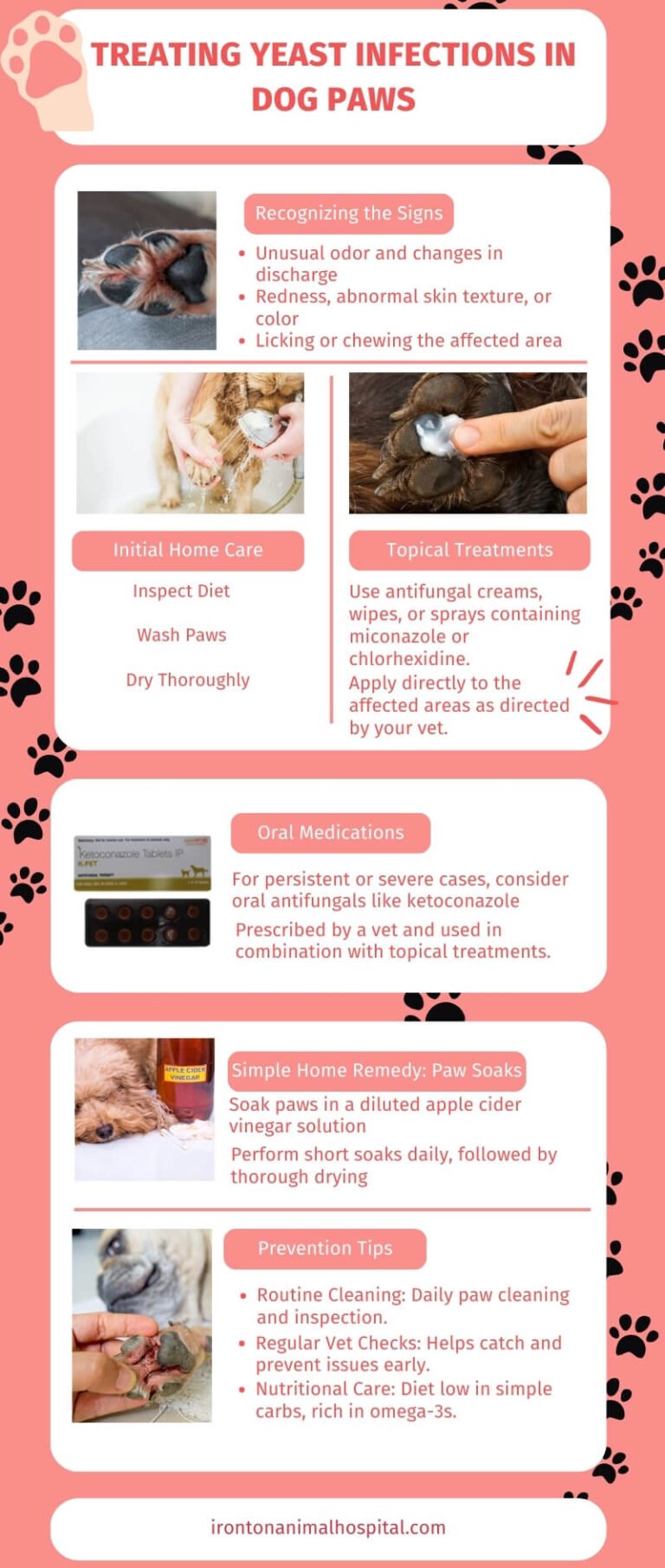
Learn how to clean yeast from dogs paws safely. Discover symptoms, cleaning steps, treatment options, prevention tips, and when to contact your veterinarian.
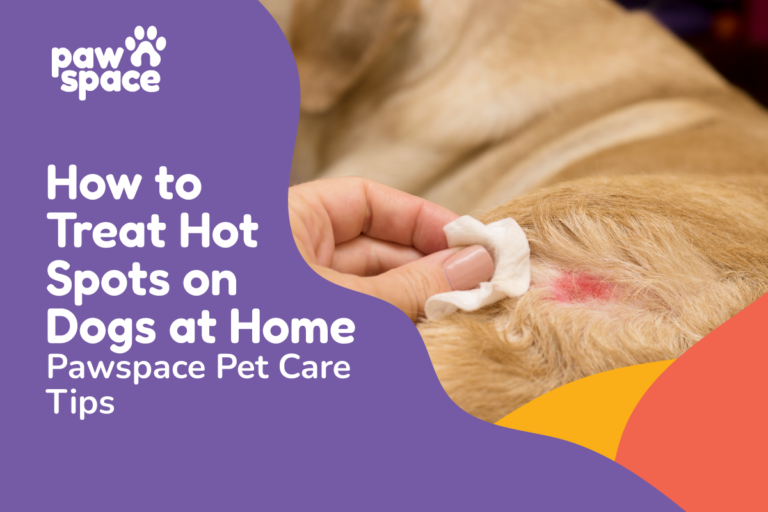
Learn how to treat a hot spot on a dog’s paw, including safe cleaning, preventing licking, possible causes, warning signs, and when veterinary care is needed.
Learn how to prevent foxtails in dogs’ paws with U.S.-focused tips for avoiding risky areas, grooming paws, checking between toes, and knowing when to call a veterinarian.
Learn how to protect dogs paws when hiking with practical trail safety tips, paw conditioning, boot fitting advice, first aid guidance, and prevention strategies for every season.