A dog’s paw can swell because of an injury, foreign object, insect bite, allergic reaction, infection, burn, nail problem, or inflammation between the toes. Sudden swelling with severe pain, marked redness, discharge, inability to bear weight, or swelling elsewhere on the body warrants prompt veterinary attention.
For dog owners in the United States, a swollen paw is a symptom rather than a diagnosis. A dog may develop swelling after stepping on a sharp object, getting a small wound, irritating the paw on hot pavement, or sustaining another injury. Allergies, bacterial or yeast infections, interdigital inflammation, and abscesses can also make the paw red, swollen, itchy, or painful.
The most useful first step is to look at the whole paw without forcing a painful examination. Check the pads, nails, spaces between the toes, and top of the foot for an obvious foreign object, cut, puncture, broken nail, redness, discharge, or localized lump. Do not dig into the paw to remove a deeply embedded object, and do not give human pain medicine unless a veterinarian specifically directs you to do so.
Source: animalia-life.club
What Causes a Dog’s Paw to Swell?
The cause can range from a minor local irritation to an infection or more significant injury. The pattern of swelling provides useful clues: a single swollen toe after a walk may suggest trauma or a foreign object, while multiple inflamed paws with itching may fit an allergic or inflammatory condition.
Inflammation causes increased blood flow and fluid movement in affected tissues, producing visible swelling. The underlying trigger still needs to be identified because treatment for an allergy is different from treatment for an abscess, puncture wound, burn, or broken nail.
Source: ar.inspiredpencil.com
Injury or trauma
Cuts, punctures, bruises, sprains, torn pads, and other injuries can cause localized swelling and pain. Rough surfaces and excessive activity can also irritate the feet.
Foreign object
Grass awns, thorns, splinters, pieces of glass, or other debris can become lodged between the toes or in a paw pad and trigger inflammation.
Infection or abscess
A bacterial or yeast infection may produce redness, swelling, itching, odor, or discharge. An abscess is a pocket of infection that can appear as a painful, warm, firm, or compressible swelling.
Allergies
Environmental or food-related allergies can inflame the feet and cause persistent itching, licking, chewing, redness, and swelling.
Insect bite or sting
A localized reaction after a bite or sting can cause sudden swelling. More widespread swelling, hives, breathing difficulty, or other systemic signs can indicate a serious allergic reaction.
Burn or chemical irritation
Hot pavement, very cold surfaces, or irritating chemicals can damage paw pads and cause redness, pain, swelling, or blistering.
Nail or nail-bed problem
A broken nail, damaged nail bed, or nail growing into nearby tissue can cause localized pain and swelling.
Why Is My Dog’s Paw Swollen Between the Toes?
Swelling between the toes may occur with interdigital inflammation, foreign material, infection, or an interdigital cyst or furuncle. These lesions can appear as red bumps and may cause licking, chewing, pain, or limping. Allergies and repeated mechanical irritation are among the factors associated with interdigital inflammation.
If you see a lump between the toes, do not squeeze or puncture it. A veterinarian may need to examine the skin and determine whether infection, allergies, parasites, foreign material, or another underlying problem is involved.
Look for a localized bump
A raised red area between the toes can provide an important clue, especially when the dog repeatedly licks or chews that paw.
Check for discharge
Cream-colored, bloody, or foul-smelling discharge can indicate inflammation or infection and should be assessed by a veterinarian.
How to Check a Swollen Paw Safely at Home
A gentle visual inspection can help identify an obvious problem while you arrange veterinary care. Have another adult help restrain the dog if necessary, because a painful dog may bite even when normally gentle. If the dog becomes distressed or the examination causes significant pain, stop.
Compare the swollen paw with the corresponding paw on the opposite side. Look for differences in size, color, temperature, odor, wounds, nail appearance, and the spaces between the toes.
Source: storage.googleapis.com
1. Examine the pads
Look for cuts, punctures, cracks, burns, blisters, stuck debris, or areas that appear unusually red or damaged.
2. Check between the toes
Look for thorns, grass awns, splinters, swelling, redness, lumps, moisture, or discharge.
3. Inspect the nails
Check for a broken nail, bleeding, swelling around the nail bed, or a nail that has penetrated nearby tissue.
4. Observe your dog’s movement
Note whether your dog bears weight normally, limps, refuses to walk, repeatedly licks the paw, or reacts when the paw is touched.
5. Check for other symptoms
Look for hives, facial swelling, vomiting, diarrhea, breathing changes, fever-like behavior, lethargy, or swelling in other areas.
When You Should Not Try to Remove Something Yourself
Do not dig into the paw to retrieve a deeply embedded splinter, thorn, grass awn, glass fragment, or other object. Attempting to extract a deep foreign body can increase tissue damage and pain. A veterinarian can determine how deeply the object is lodged and remove it safely when necessary.
Deeply embedded object
Arrange veterinary care rather than probing or cutting into the paw.
Severe pain
Stop the examination if your dog reacts strongly, because pain can lead to a defensive bite.
Significant wound
Deep punctures, major lacerations, or serious pad injuries should be professionally evaluated.
What Can You Do for a Swollen Dog Paw at Home?
Home care should be limited to gentle first aid while you determine whether veterinary evaluation is needed. Keep your dog quiet and restrict running, jumping, and rough play. If the paw is dirty, gently rinse it with clean water and remove only loose debris that can be reached without digging into tissue.
For swelling associated with a minor bruise or sprain, a wrapped cold pack may sometimes help temporarily, but veterinary guidance is appropriate if the swelling is substantial or the dog remains painful. For wounds, keeping the area clean and preventing licking can reduce additional irritation while you arrange care.
Do not give ibuprofen, naproxen, acetaminophen, aspirin, or another human medication unless your veterinarian has specifically instructed you to use it for your dog. Human medicines can be unsafe for dogs, and appropriate veterinary pain treatment depends on the individual animal and underlying condition.
Source: articles.hepper.com
Restrict activity
Keep walks short and controlled and prevent running or jumping until the cause of the swelling is understood.
Keep the paw clean
For a superficial dirty area, gentle cleaning with clean water can remove surface contaminants. Avoid harsh chemicals unless directed by a veterinarian.
Prevent licking
Persistent licking or chewing can worsen inflammation and introduce infection. A veterinarian can recommend an appropriate protective strategy when needed.
Do not treat blindly
Avoid applying human creams, pain relievers, or other medications without veterinary advice because the appropriate treatment depends on the cause.
How Long Can You Watch a Mildly Swollen Paw?
There is no single safe waiting period for every swollen paw. A mild swelling that follows an obvious minor irritation may be monitored closely while activity is restricted, but persistent lameness or swelling needs veterinary evaluation. If a dog remains lame for more than 24 hours, veterinary care is recommended, and earlier assessment is appropriate when pain or swelling is significant.
Improving
A minor irritation that is clearly improving with rest is less concerning, but continue monitoring until normal function returns.
Not improving
Persistent or worsening swelling, pain, or lameness should prompt a veterinary appointment.
Getting worse quickly
Rapidly increasing swelling, severe pain, discharge, or systemic symptoms should not be managed by observation alone.
When Is a Swollen Paw an Emergency?
A swollen paw needs urgent veterinary attention when the dog has severe pain, cannot use the limb, has a deep wound or embedded object, develops rapidly increasing swelling, or shows signs of infection or a serious allergic reaction. The severity and speed of change matter more than swelling alone.
A particularly important emergency is a suspected severe allergic reaction. Facial or throat swelling, breathing difficulty, widespread hives, excessive drooling, collapse, or other sudden systemic signs require emergency veterinary care.
Source: animalwised.com
Severe or rapidly increasing swelling
Rapid progression can indicate a significant allergic reaction, infection, or injury requiring prompt assessment.
Breathing difficulty or facial swelling
These can occur with a serious allergic reaction and require immediate emergency veterinary attention.
Deep puncture or laceration
Deep wounds can involve structures beneath the skin and may become infected.
Embedded foreign object
A deeply lodged object should be removed by a veterinary professional rather than dug out at home.
Pus, foul odor, or marked warmth
These findings can accompany infection or an abscess and warrant veterinary evaluation.
Unable or unwilling to bear weight
Marked lameness can indicate significant pain or injury and should be evaluated, particularly if it is sudden or severe.
Why Rapid Swelling After a Sting Can Be Serious
A localized swelling after an insect bite or sting may remain limited to the affected area, but allergic reactions can become more widespread. Severe swelling around the head or neck, breathing difficulty, hives, excessive drooling, weakness, or collapse are reasons to seek emergency veterinary care immediately.
Localized reaction
A small area of swelling at the suspected sting site can occur without a severe systemic reaction.
Systemic reaction
Swelling accompanied by hives, breathing problems, facial or throat swelling, or collapse is an emergency.
How Veterinarians Diagnose a Swollen Paw
Veterinary diagnosis begins with the history and physical examination. The veterinarian may ask when the swelling started, whether it appeared suddenly, what surfaces or environments the dog recently encountered, whether the dog is licking the paw, and whether there has been limping or previous paw disease.
Depending on the findings, the veterinarian may examine the skin and nail beds closely, assess the toes and joints, look for foreign material, or test skin samples for organisms such as bacteria, yeast, or mites. A suspected fracture, deeper injury, or retained foreign object may require imaging. The treatment should target the underlying cause rather than simply reducing visible swelling.
Source: bubblypet.com
History and physical examination
Timing, activity, exposure, pain, licking, limping, and the location of swelling help narrow the possible causes.
Skin testing
Skin scrapings, hair samples, or other tests may be used when infection, yeast, mites, or inflammatory skin disease is suspected.
Imaging
Radiographs or other imaging may be appropriate when bone injury, a deeper foreign body, or another structural problem is suspected.
Targeted treatment
Treatment depends on the diagnosis and may involve wound care, parasite or allergy management, infection treatment, pain control, or removal of a foreign object.
Why Finding the Cause Matters
Swelling is a physical response shared by many conditions, so treating swelling alone may not solve the problem. For example, a foreign object can continue irritating tissue until it is removed, while recurrent allergic inflammation may continue unless the underlying triggers and secondary infections are addressed.
One swollen paw
A localized injury, foreign object, sting, nail problem, or infection may be more likely than a generalized skin condition.
Several inflamed paws
Multiple affected feet can fit allergic, inflammatory, infectious, or other systemic causes and deserve a broader assessment.
Common Mistakes to Avoid With a Swollen Dog Paw
The most common mistake is assuming that every swollen paw is a minor injury. A small puncture can introduce infection, a foreign object can remain hidden between the toes, and allergies can cause repeated inflammation that does not resolve simply with rest.
Another mistake is allowing a dog to keep licking or chewing a painful paw. Repeated self-trauma can worsen damaged skin and complicate healing. A protective approach should be chosen with veterinary guidance when the dog will not leave the area alone.
Source: linkedin.com
Do not ignore persistent swelling
Swelling that remains, worsens, or repeatedly returns deserves veterinary assessment.
Do not dig into the paw
Trying to retrieve a deeply embedded object can increase injury and may push material deeper.
Do not force a painful examination
A frightened or painful dog may bite. Stop and seek professional help if examination is unsafe.
Do not use human medications without veterinary direction
Pain and anti-inflammatory medicines for people are not automatically safe for dogs.
Do not assume licking is harmless
Persistent licking can increase inflammation, damage the skin, and contribute to secondary infection.
A Simple Decision Guide
Use the pattern of symptoms to decide how quickly to seek help. An obvious minor irritation with mild symptoms can sometimes be monitored closely, while severe, rapidly changing, or unexplained swelling deserves professional assessment.
Mild and improving
Restrict activity, keep the paw clean, prevent excessive licking, and continue monitoring.
Persistent or painful
Arrange a veterinary examination, especially if limping or swelling continues.
Severe or rapidly worsening
Seek urgent or emergency veterinary care, particularly with breathing changes, facial swelling, severe pain, deep wounds, or inability to walk.
Frequently Asked Questions
Q
Why is my dog’s paw swollen but he is not limping?
A dog can have swelling before obvious lameness develops. Possible causes include an insect bite, mild irritation, allergy, early infection, or a foreign object. Monitor closely for increasing swelling, redness, licking, pain, discharge, or changes in walking, and contact your veterinarian if the swelling persists or worsens.
Q
Why is my dog’s paw swollen and red?
Redness and swelling commonly occur with inflammation. Potential causes include injury, burns, allergies, infection, insect bites, foreign objects, and inflammation between the toes. Redness accompanied by pus, foul odor, significant warmth, severe pain, or worsening swelling should be evaluated by a veterinarian.
Q
Can allergies make a dog’s paws swollen?
Yes. Allergic skin disease can cause inflamed, itchy paws and may lead to repeated licking or chewing. Dogs with allergies can also develop secondary bacterial or yeast infections. Recurrent paw inflammation is worth discussing with a veterinarian because identifying the underlying trigger and treating secondary problems can be important.
Q
Should I take my dog to the vet for a swollen paw?
A veterinary examination is appropriate when swelling is significant, persistent, worsening, painful, associated with limping, accompanied by discharge, or caused by a deep wound or embedded foreign object. Emergency care is needed for severe allergic signs such as breathing difficulty, major facial or throat swelling, widespread hives, collapse, or severe weakness.
Q
Can I give my dog ibuprofen for a swollen paw?
Do not give ibuprofen or another human pain medicine unless a veterinarian specifically tells you to do so. Dogs require carefully selected medications and doses, and some human medicines can cause serious adverse effects. Ask a veterinarian what pain-control option is appropriate for your dog.
✦ Wrapping Up
Conclusion
A swollen dog paw can result from something as localized as a thorn, broken nail, minor injury, or insect sting, but it can also signal infection, an abscess, allergic inflammation, a burn, or a deeper injury. The appearance of the paw, the speed of swelling, the dog’s ability to walk, and the presence of pain or other symptoms help determine how urgently the problem should be addressed.
For a mild case, gently inspect the paw, remove only loose surface debris, restrict activity, keep the area clean, and prevent excessive licking. Do not dig into the paw or give human medications without veterinary direction. When swelling is severe, persistent, rapidly worsening, or accompanied by deep wounds, discharge, marked pain, inability to bear weight, breathing difficulty, facial swelling, or other systemic signs, contact a veterinarian promptly or seek emergency care.
💡 Key Takeaway
If your dog’s paw is swollen right now, compare it with the other paw, check the pads, toes, nails, and spaces between the toes without forcing the examination, restrict activity, and contact your veterinarian if the swelling is significant, persistent, painful, worsening, or unexplained.
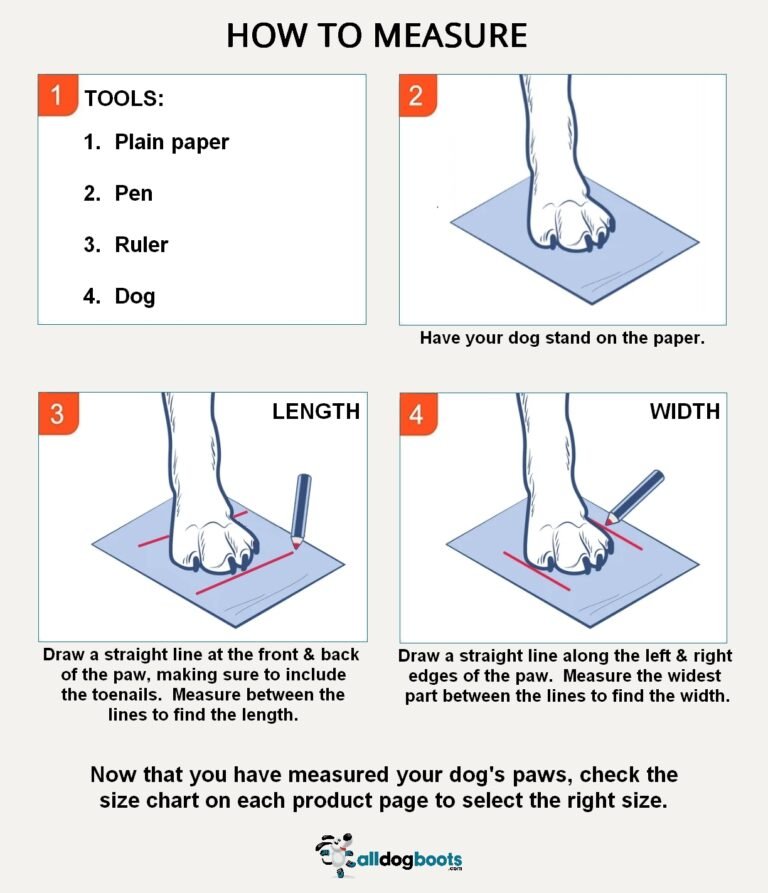
Learn how to measure dog paws for socks using width, length, and circumference measurements. Get accurate sizing, avoid common mistakes, and improve sock fit.
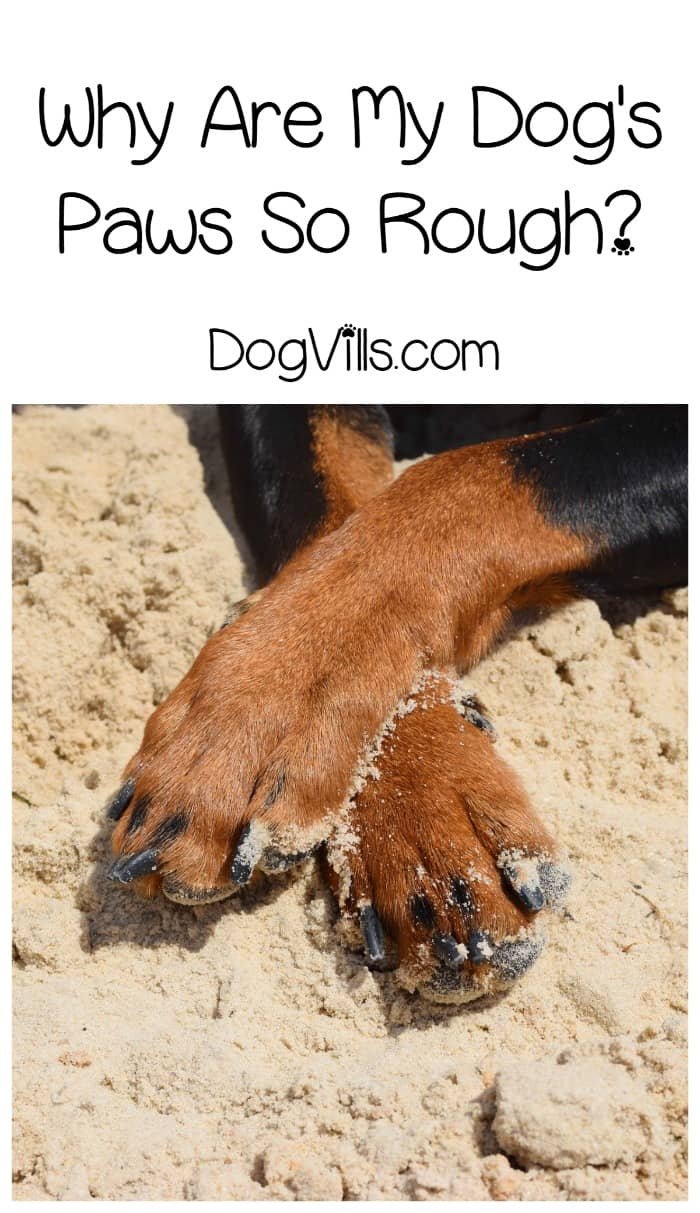
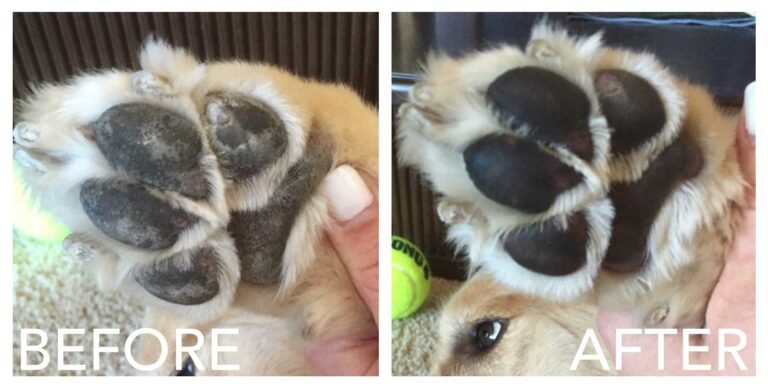
Learn why your dog’s paws may be rough, dry, or cracked, from normal paw-pad wear to allergies, irritation, injury, and hyperkeratosis, plus safe care tips.
Learn how to treat burned dog paws safely, when to contact a veterinarian, how long recovery takes, and how to prevent paw pad burns from hot surfaces.
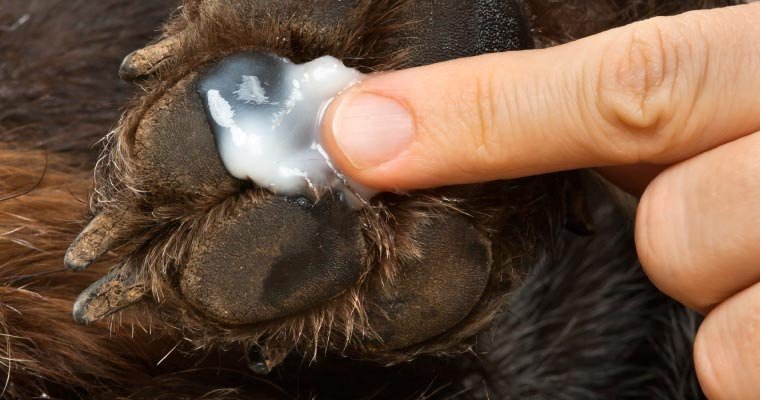
Learn how to treat sore dog paws between toes with safe home care, cleaning steps, paw protection tips, and guidance on when veterinary treatment is needed.
Learn how to clean dog paws after walk safely and effectively. Follow simple steps to remove dirt, mud, salt, allergens, and debris while protecting your dog’s paw health.