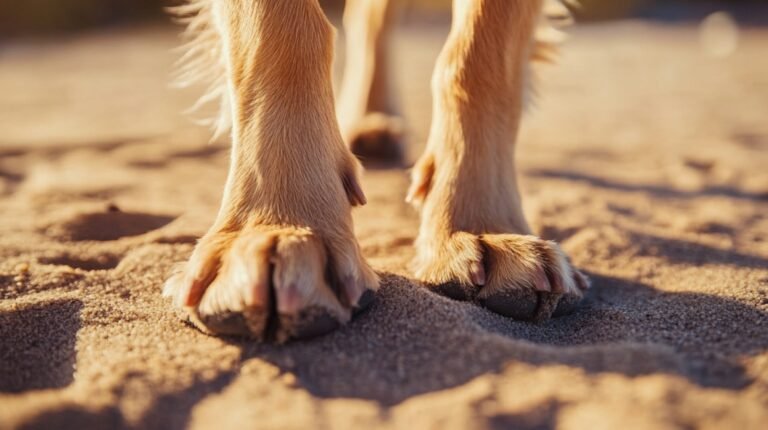
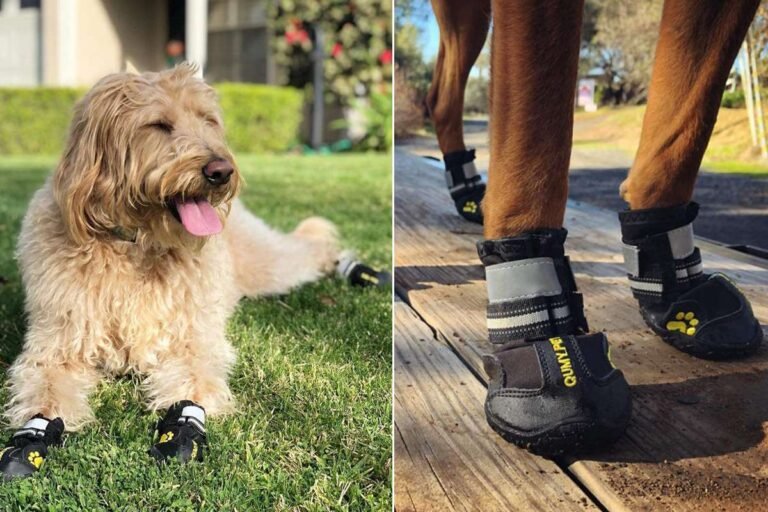
Clean the paw, reduce irritation, prevent licking, and seek veterinary care if swelling, discharge, or severe pain develops.
Across the United States, dogs commonly develop soreness between their toes from allergies, rough surfaces, trapped debris, infections, excessive licking, or interdigital cysts. Early treatment helps prevent minor irritation from becoming a more serious skin problem.
Understanding how to treat sore dog paws between toes starts with identifying the cause. Most mild cases benefit from gentle cleaning, keeping the area dry, limiting irritation, and monitoring for signs of infection. Persistent redness, swelling, limping, or draining sores should be evaluated by a veterinarian.
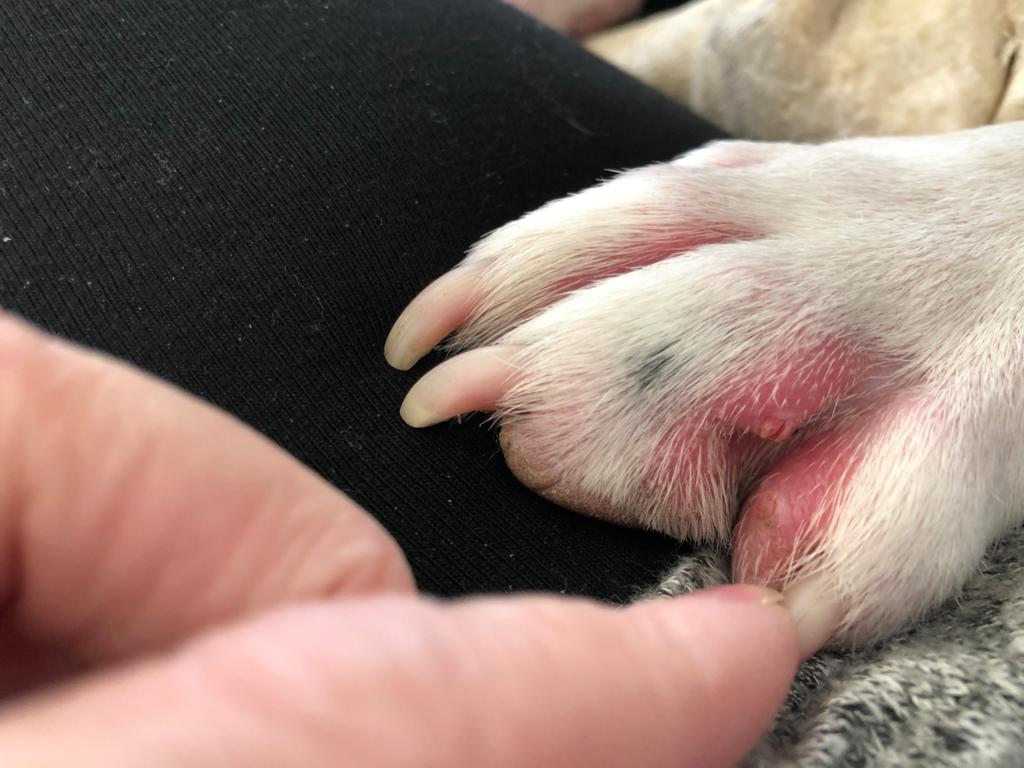
Source: weeweefrenchie.com
What Causes Sore Dog Paws Between Toes?
Several conditions can cause soreness between a dog’s toes. Common causes include environmental allergies, bacterial infections, yeast overgrowth, grass awns, splinters, burns from hot pavement, rough terrain, and interdigital cysts.
Dogs often respond to irritation by licking and chewing their paws. This behavior can worsen inflammation, damage the skin barrier, and increase the risk of infection.
Source: animalia-life.club
Allergies
Environmental allergens can trigger redness, itching, and chronic paw licking.
Foreign Objects
Thorns, seeds, and splinters can become trapped between the toes.
Infections
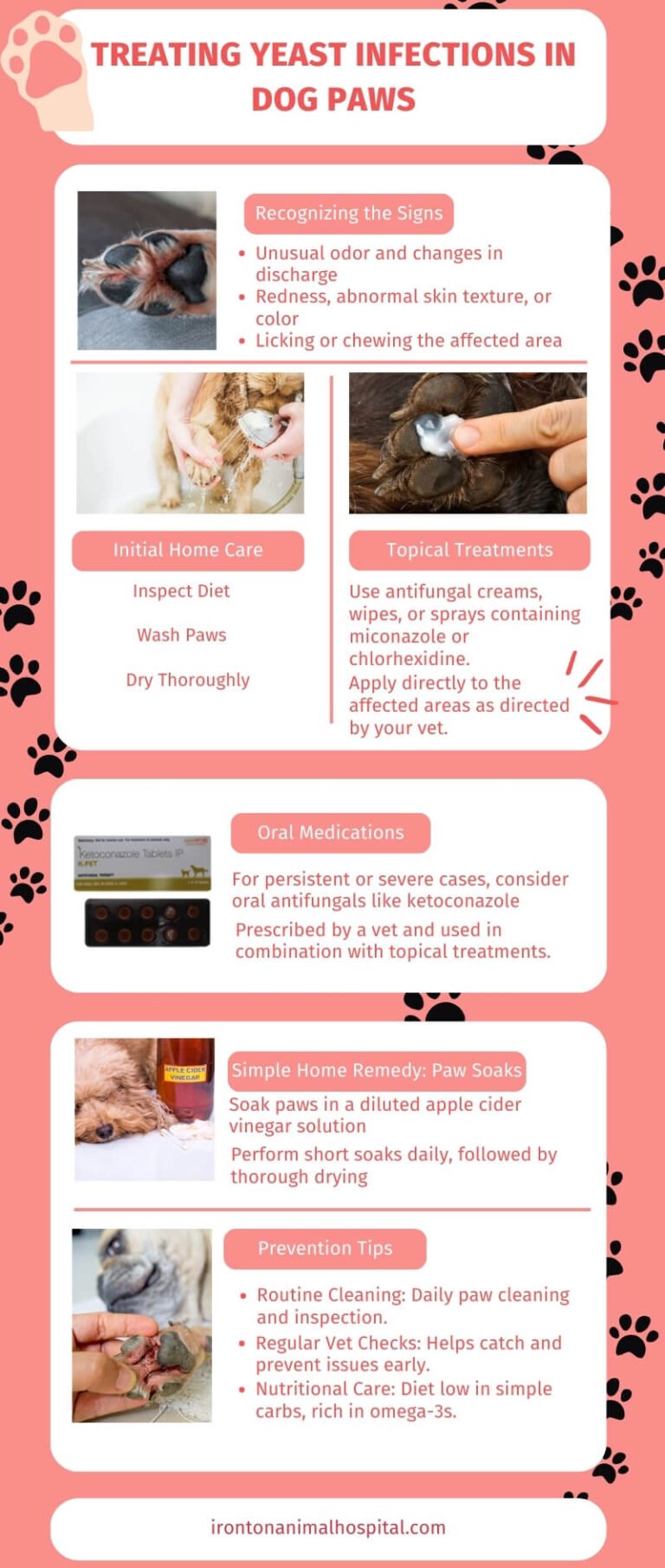
Bacteria and yeast can cause swelling, odor, and discomfort.
Symptoms That Suggest a Paw Problem
Watch for limping, redness, swelling, licking, bleeding, odor, bumps, discharge, or sensitivity when the paw is touched.
Redness
Often indicates irritation or inflammation.
Swelling
May suggest infection, injury, or a foreign body.
How to Treat Sore Dog Paws Between Toes at Home
For mild irritation without severe swelling or infection, home care can help reduce discomfort and support healing.
The goal is to remove irritants, reduce inflammation, keep the skin clean, and prevent further trauma from licking or scratching.
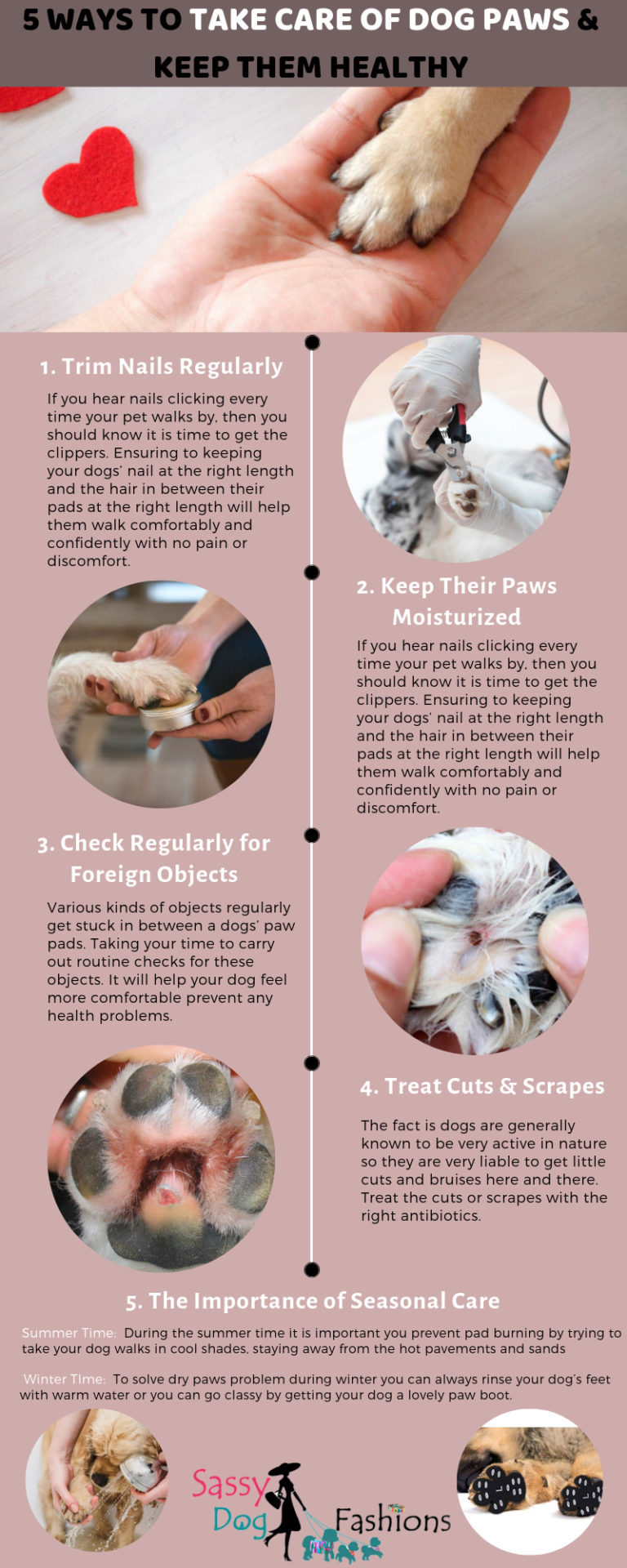
Source: animalia-life.club
Clean the Area
Rinse the paw with lukewarm water and remove visible dirt.
Dry Thoroughly
Moisture trapped between toes can worsen skin problems.
Limit Licking
Use a recovery collar if your dog continually chews the paw.
Step-by-Step Home Care
Inspect the paw under good lighting. Remove loose debris if it can be done safely. Gently wash the area, pat it dry, and monitor daily for improvement. Avoid applying human medications unless directed by a veterinarian.
Inspect
Check between every toe and around the paw pads.
Monitor
Track redness, swelling, and mobility over the next several days.
When Home Treatment Is Not Enough
Some paw conditions require veterinary treatment. Deep wounds, draining sores, significant swelling, fever, persistent limping, or suspected foreign objects should not be managed solely at home.
Veterinarians may recommend diagnostic testing, prescription medications, allergy management, or removal of embedded material.
Source: animalia-life.club
Severe Swelling
Can indicate infection or an abscess.
Persistent Limping
Suggests pain that requires professional evaluation.
Discharge
Pus or drainage often signals infection.
Possible Veterinary Treatments
Treatment may include antibiotics, antifungal medications, anti-inflammatory therapy, allergy treatment plans, wound management, or surgical procedures for recurring interdigital cysts.
Medication
Targets infection and inflammation.
Diagnostics
Helps identify the underlying cause.
Common Mistakes to Avoid
Many owners unintentionally delay healing by allowing constant licking, ignoring recurring symptoms, or using products that irritate damaged skin.
Prompt attention and proper paw hygiene are often more effective than repeatedly changing treatments without identifying the cause.
Source: animalia-life.club
Ignoring Recurrence
Repeated flare-ups may indicate allergies or chronic disease.
Overusing Products
Too many topical products can irritate sensitive skin.
Skipping Paw Checks
Small foreign objects can remain hidden between toes.
Signs the Paw Is Healing
Reduced redness, less licking, improved walking, and healthy skin appearance are positive signs that treatment is working.
Less Inflammation
The skin gradually returns to its normal color.
Preventing Future Paw Problems
Routine paw inspections help detect irritation before it becomes severe. Dogs that spend time outdoors should have their paws checked after walks, hikes, and play sessions.
Regular grooming, allergy management, and avoiding environmental hazards can significantly reduce the risk of sore paws between the toes.
Source: ar.inspiredpencil.com
Check Paws Daily
Look for redness, debris, or swelling.
Protect From Hot Surfaces
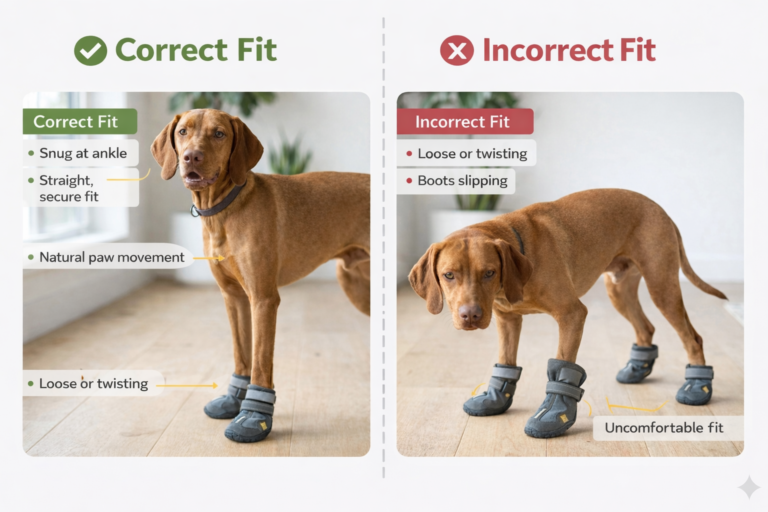
Avoid pavement that can burn sensitive paw tissue.
Maintain Grooming
Trim excess hair that traps moisture and debris.
Dogs at Higher Risk
Dogs with allergies, skin disorders, obesity, or a history of interdigital cysts may require closer monitoring and preventive care.
Allergic Dogs
Often experience recurring paw inflammation.
Frequently Asked Questions
Q
Can I soak my dog’s sore paw at home?
A gentle soak recommended by your veterinarian may help clean the area. Always dry the paw thoroughly afterward to avoid excess moisture.
Q
Why is my dog licking between its toes?
Licking is commonly associated with irritation, allergies, infection, pain, or a foreign object trapped between the toes.
Q
How long does it take for sore paws to heal?
Minor irritation may improve within a few days, while infections, wounds, or chronic conditions can require several weeks of treatment.
Q
Are interdigital cysts dangerous?
They are not usually life-threatening, but they can be painful, become infected, and often require veterinary care.
Q
When should I call a veterinarian?
Contact a veterinarian if your dog has severe swelling, discharge, bleeding, significant pain, fever, persistent limping, or symptoms that do not improve.
✦ Wrapping Up
Conclusion
Learning how to treat sore dog paws between toes begins with identifying the cause and addressing irritation early. Gentle cleaning, keeping the area dry, and preventing licking are often effective for mild cases.
Persistent symptoms, recurrent sores, swelling, or signs of infection require veterinary evaluation to prevent complications and ensure proper treatment.
💡 Key Takeaway
Inspect your dog’s paws today, clean any mild irritation safely, and schedule a veterinary visit if symptoms are severe or do not improve.
Learn how to clean yeast from dogs paws safely. Discover symptoms, cleaning steps, treatment options, prevention tips, and when to contact your veterinarian.
Learn how to protect dog paws from hot sand with practical beach safety tips, paw protection methods, warning signs of burns, and summer paw care strategies.