Clean the paw, reduce irritation, prevent licking, and seek veterinary care if swelling persists or worsens.
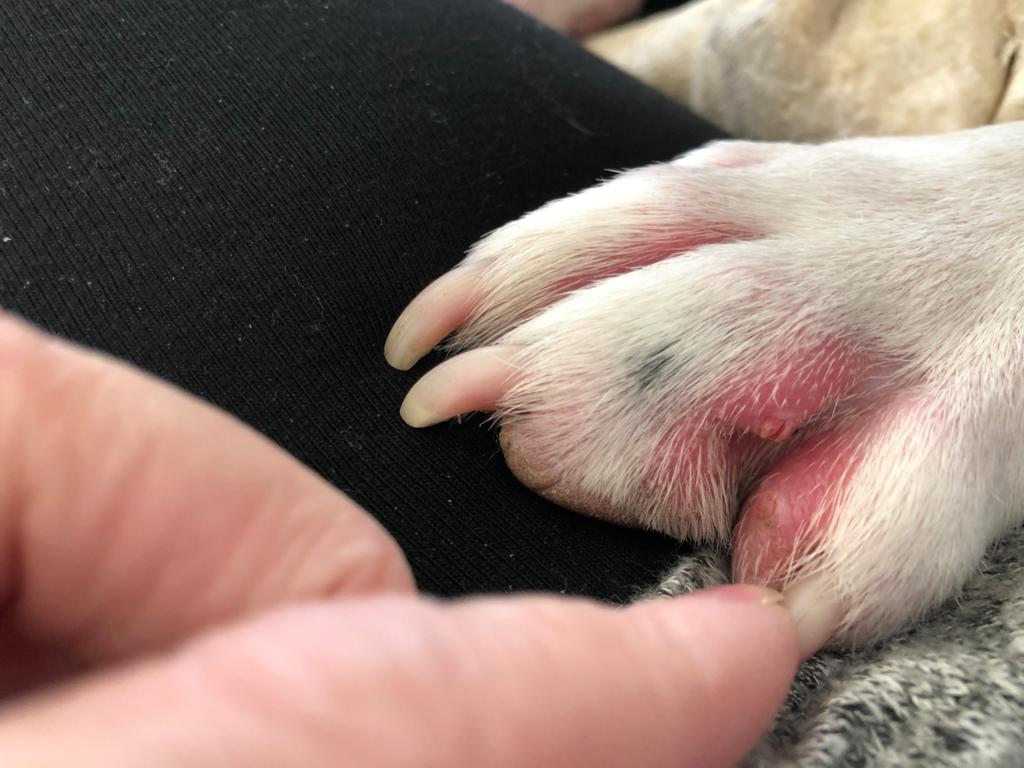
Across the United States, dogs commonly develop red swollen paws from allergies, injuries, insect stings, infections, hot pavement, or foreign objects lodged between the toes. The correct treatment depends on identifying the underlying cause while protecting the paw from further damage.
If you are searching for how to treat red swollen dog paw problems, start with gentle cleaning, inspect the paw carefully, limit activity, and monitor for signs of infection. Severe swelling, bleeding, pus, limping, or worsening symptoms require prompt veterinary attention.
Source: cdn0.animalwised.com
What Causes a Red Swollen Dog Paw?
A red swollen paw is a symptom rather than a disease. The swelling may affect a single toe, the entire paw, or the skin between the toes.
Finding the cause is important because treatment for an allergy differs from treatment for an infection or injury.
Source: happiestdog.com
Allergies
Environmental allergens, grass, pollen, dust mites, or food sensitivities can cause redness and inflammation.
Foreign Objects
Thorns, splinters, burrs, or small stones may become trapped between the toes.
Infections
Bacterial or fungal infections often cause swelling, redness, odor, and discharge.
Insect Stings
Bee stings and insect bites can cause sudden swelling and discomfort.
Common Signs That Accompany Swelling
Dogs with a swollen paw often lick, chew, or favor the affected foot. Some may limp or avoid walking on hard surfaces.
Additional signs can include warmth, bleeding, cracked pads, discharge, hair loss, or redness between the toes.
Limping
May indicate pain, injury, or a lodged object.
Excessive Licking
Common with allergies, irritation, and infections.
How to Treat Red Swollen Dog Paw at Home
Mild cases can often be managed initially at home while monitoring the dog closely. Home care should focus on cleaning, protection, and reducing irritation.
Stop treatment and contact a veterinarian if symptoms worsen or if the dog appears significantly uncomfortable.
Source: dog-health-guide.org
Step 1
Inspect the paw carefully in good lighting.
Step 2
Remove visible debris if it can be done safely.
Step 3
Rinse with lukewarm water or a veterinarian-approved antiseptic solution.
Step 4
Dry the paw thoroughly, especially between the toes.
Prevent Licking and Chewing
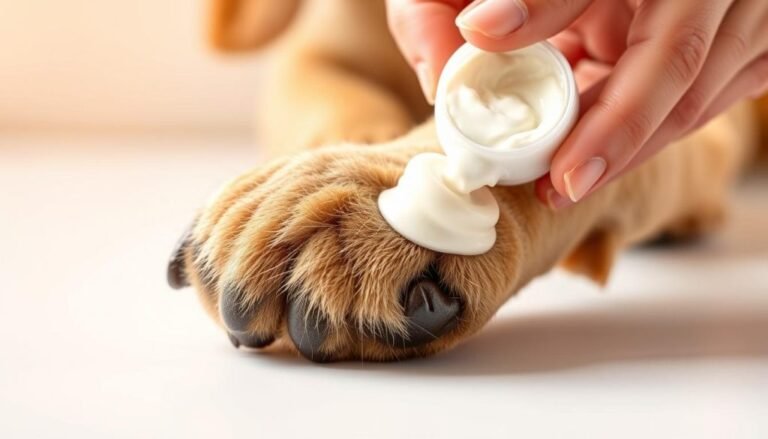
Dogs often worsen inflammation by constantly licking the affected area. Use an Elizabethan collar, recovery collar, or other veterinarian-recommended method to prevent self-trauma.
Reducing licking helps the skin heal and lowers the risk of infection.
Keep Paws Dry
Moisture can encourage bacterial and yeast growth.
When a Red Swollen Paw May Be an Emergency
Some swollen paws require immediate veterinary care. Delaying treatment can allow infections or injuries to become more serious.
Rapid swelling, severe pain, or signs of systemic illness should never be ignored.
Source: yourvetfriend.com
Severe Swelling
A rapidly enlarging paw may indicate a serious reaction or infection.
Pus or Discharge
Can suggest a bacterial infection requiring professional treatment.
Persistent Limping
May indicate a fracture, deep injury, or severe inflammation.
Signs That Need Immediate Veterinary Attention
Seek veterinary care if your dog develops fever, lethargy, loss of appetite, extensive swelling, or a wound that continues to bleed.
Dogs with underlying medical conditions may need earlier intervention even when symptoms appear mild.
Fever
Can indicate infection beyond the paw.
Treatment Options a Veterinarian May Recommend
Veterinarians diagnose the cause through physical examination and, when necessary, skin testing, cytology, imaging, or laboratory work.
Treatment plans vary depending on whether the problem is allergic, infectious, traumatic, or related to a foreign body.
Source: pawsbro.com
Antibiotics
Used when bacterial infections are confirmed or strongly suspected.
Anti-inflammatory Medications
Help reduce swelling and discomfort.
Allergy Management
May include medications, diet changes, or environmental control.
Foreign Object Removal
A deeply embedded splinter, grass awn, or thorn often requires professional removal.
Once the object is removed, swelling typically improves as healing progresses.
Bandaging
May be used temporarily to protect injured tissues.
How to Prevent Future Paw Problems
Routine paw care reduces the risk of many common causes of swelling and irritation. Prevention is often easier and less expensive than treatment.
Regular inspections help owners identify small issues before they become serious medical problems.
Source: uploads-ssl.webflow.com
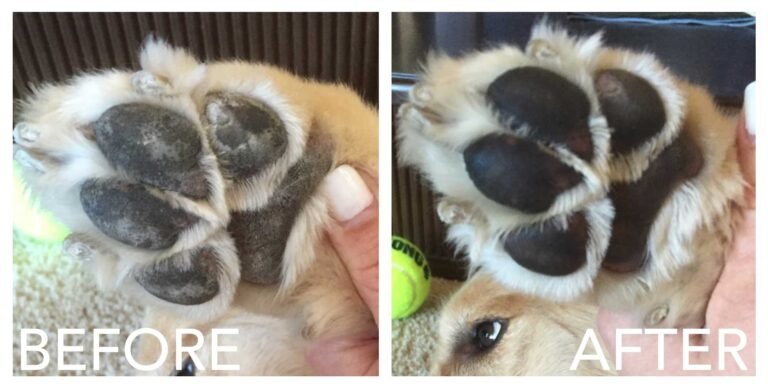
Check Paws Daily
Look for cuts, debris, redness, and swelling.
Avoid Hot Surfaces
Summer pavement can burn paw pads.
Keep Nails Trimmed
Overgrown nails can affect foot structure and comfort.
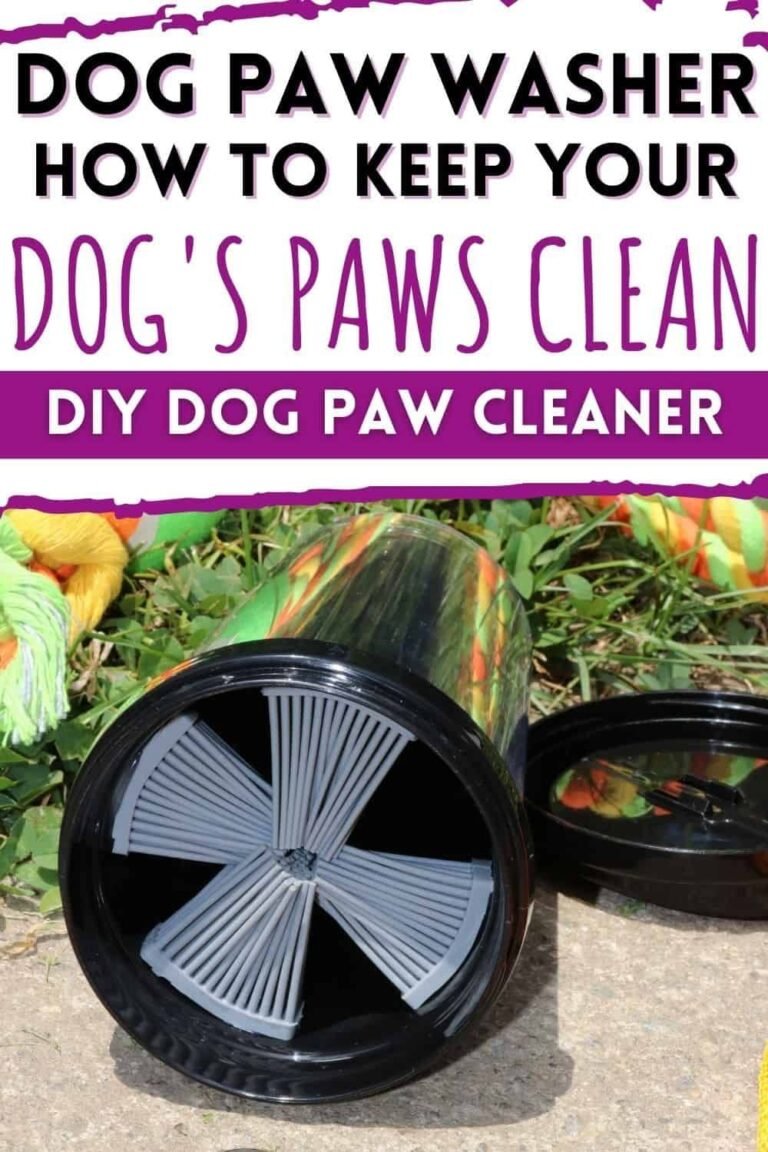
Rinse After Walks
Removes allergens, chemicals, and irritants.
Protect Sensitive Paws
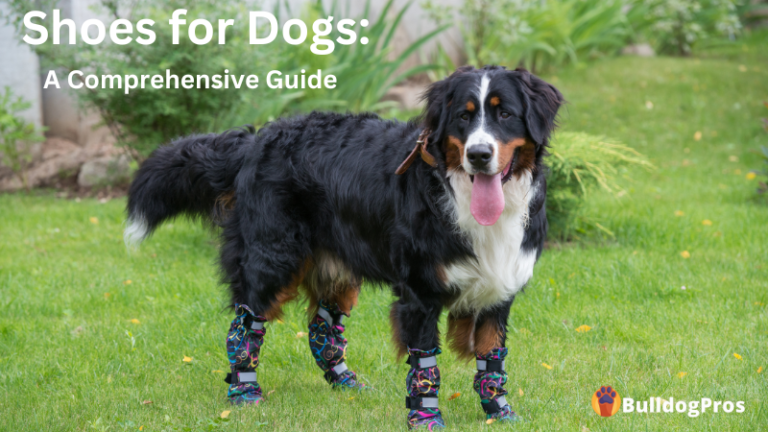
Dogs with allergies or frequent irritation may benefit from protective booties during walks in challenging environments.
Choose properly fitted footwear and inspect paws after each outing.
Seasonal Awareness
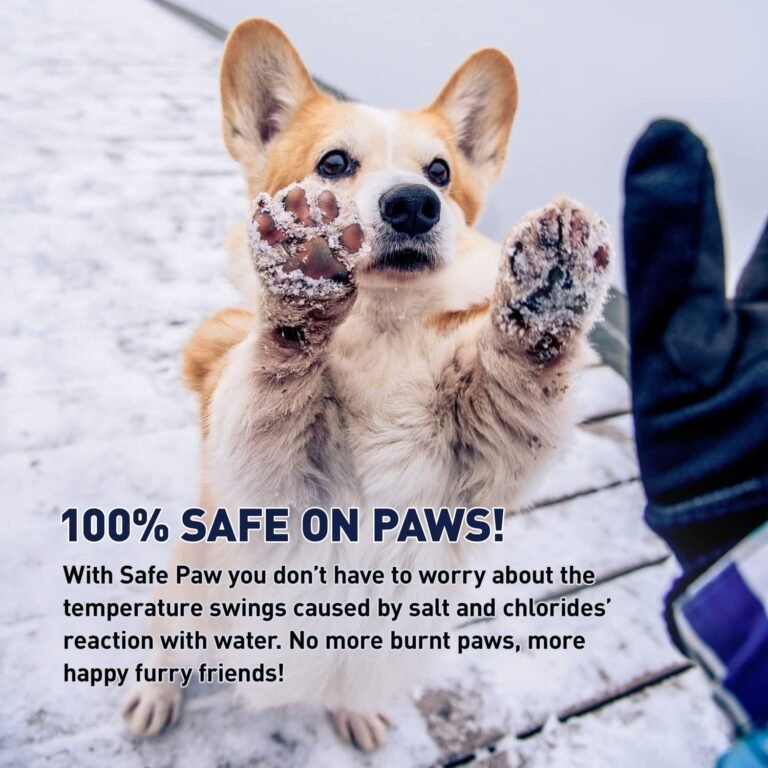
Ice melt products and hot pavement can both irritate paws.
Common Mistakes to Avoid
Many well-meaning owners unintentionally delay healing by using inappropriate treatments or ignoring early symptoms.
Understanding common mistakes can improve outcomes and reduce complications.
Source: info-welt.com
Ignoring Persistent Swelling
Long-lasting inflammation may indicate infection or a hidden injury.
Allowing Constant Licking
Licking often worsens irritation and delays healing.
Using Human Medications
Some human products are unsafe for dogs.
Know When Home Care Is Not Enough
Home treatment is appropriate only for mild cases with clear improvement. A lack of progress within a short period should prompt veterinary evaluation.
Early professional treatment often prevents more serious complications.
Monitor Daily
Photographs can help track changes in swelling and redness.
Frequently Asked Questions
Q
Why is my dog’s paw red and swollen between the toes?
Redness and swelling between the toes are commonly associated with allergies, infections, foreign objects, or excessive licking. A veterinary examination may be needed to determine the exact cause.
Q
Can a dog paw heal on its own?
Minor irritation or mild injuries may improve with rest and proper care. However, infections, deep wounds, and persistent swelling usually require veterinary treatment.
Q
How long should swelling last in a dog’s paw?
Mild swelling may begin improving within a few days. Swelling that persists, worsens, or is accompanied by pain should be evaluated by a veterinarian.
Q
Should I soak my dog’s swollen paw?
A veterinarian may recommend gentle soaking for specific conditions. Excessive soaking can sometimes worsen skin problems, so follow professional guidance whenever possible.
Q
Can allergies cause a swollen paw?
Yes. Allergies are one of the most common causes of red, itchy, swollen paws. Dogs often lick or chew their feet when allergies trigger inflammation.
✦ Wrapping Up
Conclusion
Learning how to treat red swollen dog paw problems starts with identifying the cause, cleaning the area, preventing licking, and monitoring symptoms closely. Many mild cases improve with supportive care, but infections and significant injuries require veterinary attention.
Prompt action can reduce discomfort, prevent complications, and help your dog return to normal activity more quickly.
💡 Key Takeaway
Inspect the swollen paw carefully, keep it clean and dry, prevent licking, and contact your veterinarian if symptoms are severe, worsening, or not improving.
Learn how to keep dog’s paws from getting muddy with proven strategies, paw protection methods, grooming tips, and easy cleanup routines for cleaner homes and healthier paws.
Learn how to treat pododermatitis dog paw problems with step-by-step care, treatment options, home management, prevention tips, and signs that require veterinary attention.
Learn how to treat dog paws burn from pavement with safe first aid steps, recovery tips, warning signs, and prevention methods to protect your dog’s paw pads.
Learn how to treat dogs paw pads peeling, including common causes, safe home care, warning signs, veterinary treatment, and ways to prevent recurring paw pad damage.
Learn how to protect dog paws from salt during winter walks. Discover effective prevention methods, paw care tips, boot options, and safe post-walk cleaning routines.