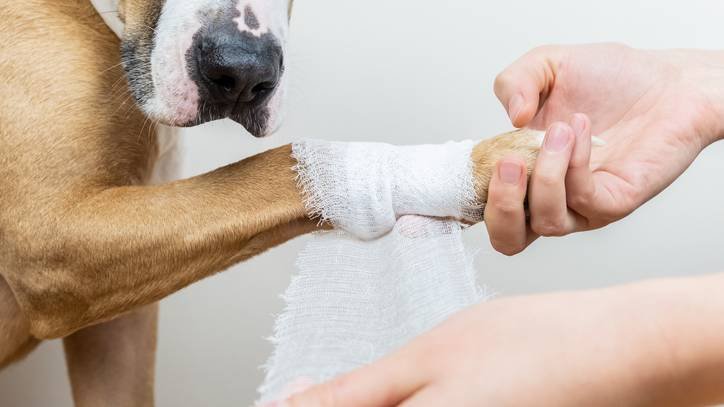
Keep muddy paws under control by avoiding wet areas, using paw protection, trimming paw fur, and cleaning paws immediately after walks.
Across the United States, dog owners deal with muddy trails, rainy sidewalks, wet parks, and snowmelt during different seasons. Learning how to keep dog’s paws from getting muddy helps reduce mess inside the home while protecting paw pads from irritation and debris.
The most effective approach combines prevention and cleanup. Choosing drier routes, using protective gear when needed, maintaining paw hair, and creating a simple paw-cleaning station can significantly reduce the amount of mud your dog tracks indoors.
Source: storage.googleapis.com
Why Dogs Get Muddy Paws
Dogs naturally pick up mud when walking across wet soil, grass, trails, construction areas, and puddles. Mud sticks to paw pads, fur between the toes, and long hair around the feet.
Weather conditions also affect how much mud collects. Rain, melting snow, and saturated ground create the highest risk of dirty paws during outdoor activities.
Source: storage.googleapis.com
Wet Ground
Soft, waterlogged soil sticks easily to paws.
Long Paw Fur
Excess hair traps mud and moisture.
Frequent Outdoor Time
More exposure increases the chance of muddy paws.
Signs Mud Is Causing Problems
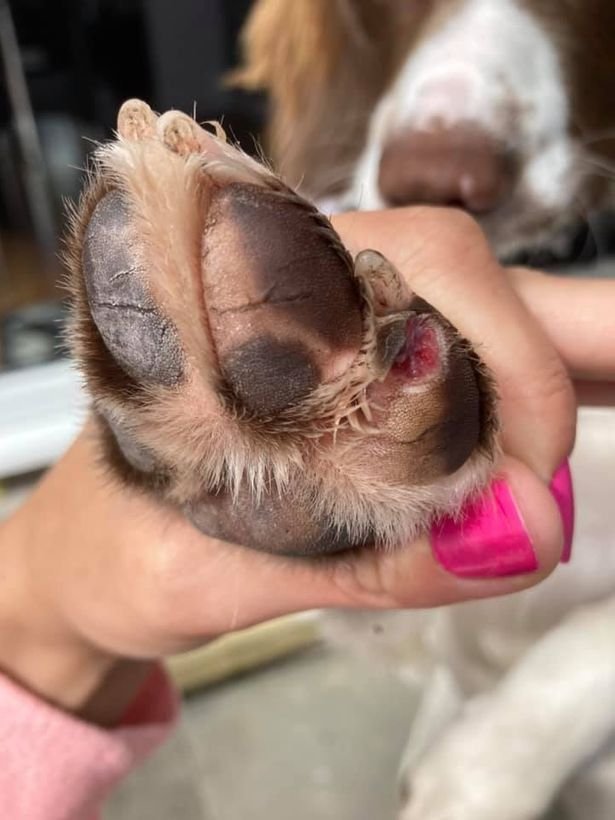
Watch for excessive licking, paw irritation, cracked pads, or dirt packed between the toes. These signs may indicate that mud and debris are remaining on the paws for too long.
Redness
May indicate irritation from moisture or debris.
Choose Walking Routes That Stay Drier
One of the simplest ways to keep dog’s paws from getting muddy is to avoid muddy areas altogether. Sidewalks, paved trails, gravel paths, and maintained park routes generally stay cleaner than open fields.
After heavy rain, consider adjusting your walking schedule until trails have had time to dry. Even a few hours of drying can reduce mud significantly.
Source: which.co.uk
Use Paved Paths
Hard surfaces reduce direct contact with mud.
Avoid Standing Water
Puddles often contain mud and contaminants.
Plan Around Weather
Checking local forecasts can help you schedule walks during drier periods and avoid the muddiest conditions.
Short Delay
Waiting for conditions to improve can keep paws much cleaner.
Keep Paw Fur Trimmed and Well Groomed
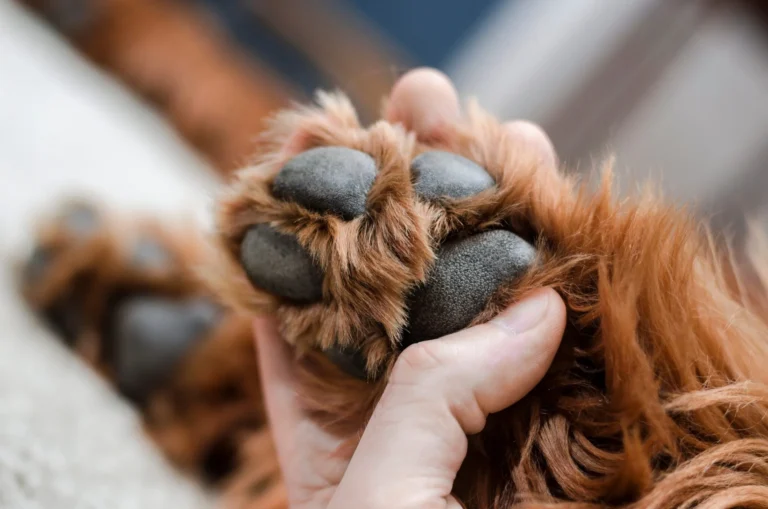
Dogs with longer fur around their feet often collect more mud than short-haired breeds. Trimming excess hair between the paw pads and around the toes can reduce the amount of dirt that sticks.
Regular grooming also makes paw cleaning faster and helps prevent mats that trap moisture and debris.
Source: storage.googleapis.com
Trim Carefully
Remove only excess fur and avoid cutting the skin.
Inspect Weekly
Look for debris, tangles, and irritation.
Benefits of Regular Paw Checks
Frequent inspections help identify cuts, splinters, stones, or signs of infection before they become serious problems.
Early Detection
Small issues are easier to address when found quickly.
Use Protective Gear in Very Muddy Conditions
Dog boots can create a barrier between the paw and muddy ground. They are especially useful during heavy rain, snowmelt, and muddy hiking trips.
Not every dog needs boots every day, but they can greatly reduce cleanup time when conditions are particularly messy.
Source: chewy.com
Proper Fit
Boots should stay secure without restricting movement.
Gradual Training
Allow dogs time to adjust to wearing boots.
When Boots Are Most Helpful
Boots provide the greatest benefit during extended outdoor activities where paws would otherwise be exposed to mud for long periods.
Hiking
Protects paws on muddy trails.
Create an Effective Paw Cleaning Routine
A cleaning station near your home’s entrance helps stop mud before it spreads across floors and furniture. Keep towels, paw wipes, and a shallow water container nearby.
Clean each paw thoroughly after muddy walks. Removing mud quickly reduces staining, odors, and the risk of skin irritation.
Source: www.youtube.com
Keep Towels Ready
Quick drying prevents mud from spreading.
Use Lukewarm Water
Helps loosen dried mud without discomfort.
Signs Your Routine Is Working
Cleaner floors, less paw licking, and reduced dirt around the house indicate that your prevention and cleanup methods are effective.
Less Indoor Dirt
A clear sign that paws are being cleaned properly.
Frequently Asked Questions
Q
How can I keep my dog’s paws clean during rainy weather?
Choose paved routes, avoid puddles when possible, and clean paws immediately after returning home. Paw protection such as boots can also help.
Q
Do dog boots prevent muddy paws completely?
Dog boots can significantly reduce mud exposure, but they may still become dirty on the outside. Proper cleaning after walks is still recommended.
Q
Should I trim the fur around my dog’s paws?
Yes. Excess fur around the feet often traps mud and moisture. Regular trimming can help keep paws cleaner.
Q
What is the fastest way to clean muddy paws?
Use a towel and lukewarm water immediately after the walk. Cleaning mud before it dries makes the process much easier.
Q
Can muddy paws cause health problems?
Persistent moisture and trapped debris may contribute to irritation, infections, or discomfort. Regular cleaning and inspection help reduce these risks.
✦ Wrapping Up
Conclusion
Learning how to keep dog’s paws from getting muddy starts with prevention. Route selection, grooming, protective gear, and quick cleanup all work together to reduce mess and support paw health.
A consistent routine is often more effective than relying on a single solution. Small changes before and after walks can make a noticeable difference throughout the year.
💡 Key Takeaway
Create a paw-cleaning station near your entryway and combine it with regular grooming and smarter walking routes for the best results.
Learn how to desensitize dog paws using positive reinforcement, gradual handling, and proven training techniques. Make nail trims, grooming, and paw care easier and less stressful.
Learn how to tell if a dog’s paw is broken, recognize fracture symptoms, understand when veterinary care is urgent, and learn how broken paw injuries are diagnosed.