Keep dog paws healthy with regular cleaning, nail care, moisturizing, inspections, and protection from extreme surfaces.
Across the United States, dogs encounter many paw hazards, including hot pavement in summer, ice-melting chemicals in winter, rough hiking trails, and debris in parks. Healthy paws help dogs walk comfortably, stay active, and avoid preventable injuries.
Understanding how to keep dog paws healthy starts with routine maintenance. Regular inspections, proper nail length, clean paw pads, and protection from environmental hazards can reduce the risk of cracks, cuts, infections, and discomfort.
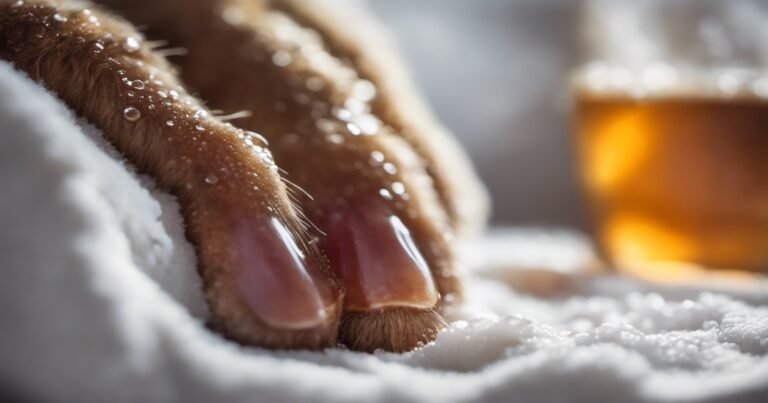
Source: mypetzcare.com
Why Healthy Dog Paws Matter
Dog paws act as shock absorbers, provide traction, and help regulate movement across different surfaces. Healthy paw pads protect underlying tissues from injury and support balance during daily activities.
When paw health is neglected, dogs may develop cracks, burns, infections, overgrown nails, or painful injuries. Small issues can become larger problems if they are not addressed promptly.
Source: cdn-prd.content.metamorphosis.com
Mobility
Healthy paws allow comfortable walking, running, and playing.
Protection
Paw pads shield sensitive tissues from rough surfaces.
Comfort
Well-maintained paws reduce pain and irritation.
Signs of Healthy Dog Paws
Healthy paws have smooth pads, properly trimmed nails, normal skin color, and no unusual odor, swelling, or discharge.
Normal Appearance
Pads are firm, flexible, and free from major cracks or wounds.
Create a Daily Paw Care Routine
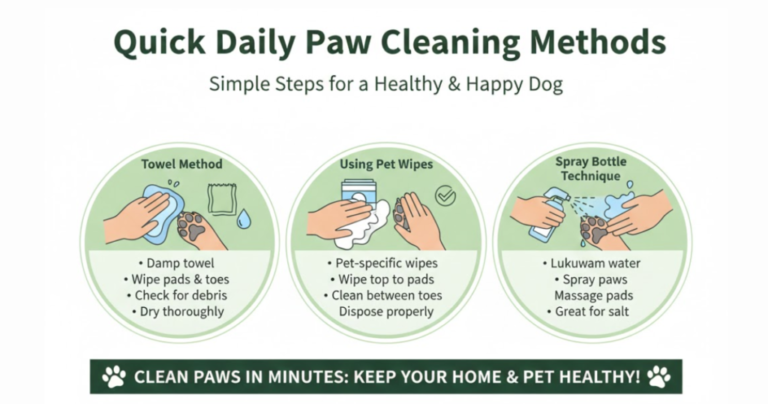
One of the best ways to learn how to keep dog paws healthy is to build a simple daily routine. Brief inspections help identify problems before they become serious.
After walks, check between the toes and around the pads for debris, thorns, burrs, glass fragments, or signs of irritation. Wipe away dirt and dry the paws thoroughly if they are wet.
Source: i.pinimg.com
Inspect
Look for cuts, redness, swelling, or foreign objects.
Clean
Remove dirt, mud, and environmental contaminants.
Dry
Prevent moisture buildup that can contribute to skin problems.
How Often Should Paws Be Checked
Most dogs benefit from a quick daily inspection and a more detailed examination every week.
Active Dogs
Dogs that hike, run, or spend time outdoors may need more frequent checks.
Keep Nails Trimmed and Paw Hair Managed
Overgrown nails can change a dog’s gait and place additional stress on the paws and joints. Regular trimming helps maintain natural movement and comfort.
Excess hair between paw pads may collect debris, moisture, snow, or mud. Keeping fur neatly trimmed can improve traction and cleanliness.
Source: i.pinimg.com
Trim Nails Regularly
Maintain a length that prevents nails from constantly touching the ground.
Manage Paw Hair
Reduce debris buildup and improve footing.
Signs Nails Are Too Long
If you hear nails clicking on hard floors or notice changes in walking posture, nail trimming may be needed.
Posture Changes
Long nails can alter natural weight distribution.
Protect Paw Pads From Weather and Surfaces
Extreme temperatures can damage paw pads. Hot pavement may cause burns, while ice, snow, and de-icing chemicals can lead to irritation and cracking.
Avoid walking during the hottest parts of the day and test pavement temperature with your hand. During winter, rinse paws after walks to remove salt and chemical residues.
Source: i.pinimg.com
Summer Protection
Walk during cooler hours and avoid overheated surfaces.
Winter Protection
Remove ice, salt, and chemicals after outdoor activity.
Rough Terrain
Inspect paws after hiking or running on abrasive surfaces.
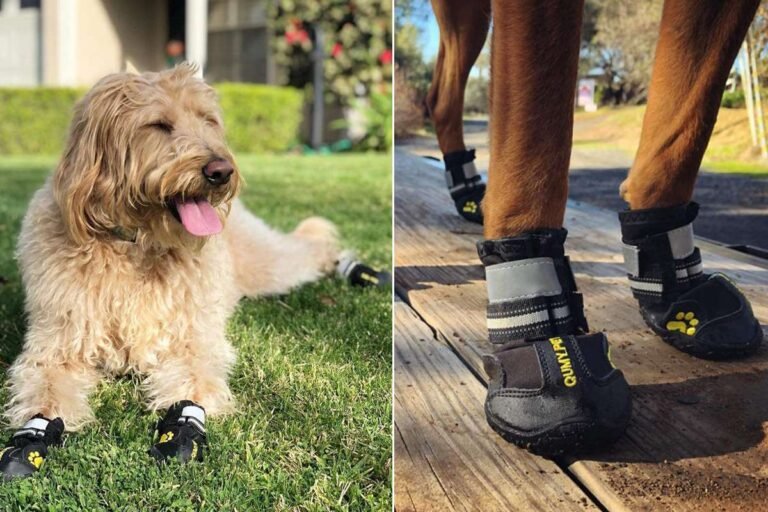
When Paw Protection Helps
Protective footwear or paw balms may be useful for dogs regularly exposed to harsh environmental conditions.
High-Risk Conditions
Snow, hot asphalt, rocky trails, and rough terrain.
Prevent Cracks, Dryness, and Infections
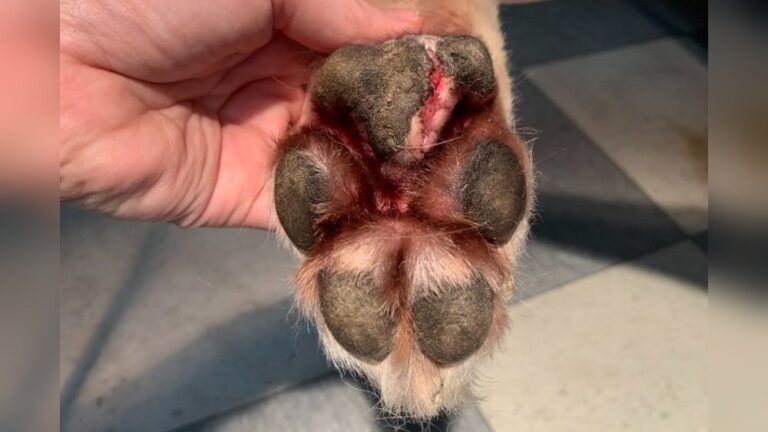
Dry paw pads may become rough and cracked, increasing the risk of discomfort and infection. Moisturizing products formulated for dogs can help maintain paw pad flexibility.
Pay close attention to excessive licking, unusual odors, swelling, or discharge. These signs can indicate irritation, allergies, infections, or injuries that require veterinary evaluation.
Source: i.pinimg.com
Moisturize
Use dog-safe paw care products when pads become excessively dry.
Monitor Behavior
Persistent licking may indicate pain or irritation.
Seek Veterinary Care
Get professional help for persistent symptoms or serious injuries.
Common Paw Problems
Common issues include cracked pads, cuts, burns, foreign objects, allergic reactions, and bacterial or fungal infections.
Early Treatment
Prompt attention often prevents more serious complications.
Frequently Asked Questions
Q
How often should I check my dog’s paws?
A quick inspection after daily walks is ideal. Perform a more detailed check weekly to identify developing issues.
Q
What causes cracked dog paw pads?
Common causes include dry weather, hot pavement, ice, salt exposure, rough terrain, and underlying medical conditions.
Q
Can I use human moisturizer on dog paws?
It is generally safer to use products specifically formulated for dogs. Some human products may contain ingredients that are unsuitable if licked.
Q
When should I take my dog to the veterinarian for a paw problem?
Seek veterinary care if there is persistent limping, bleeding, swelling, infection, severe cracking, or signs of significant pain.
Q
Do all dogs need paw protection?
Not every dog needs protective gear every day. However, protection may be beneficial during extreme weather or on rough surfaces.
✦ Wrapping Up
Conclusion
Learning how to keep dog paws healthy involves consistent care rather than complicated treatments. Daily inspections, proper cleaning, nail maintenance, and environmental protection can prevent many common paw problems.
Healthy paws support comfort, mobility, and overall well-being. Small preventive steps often make a significant difference over the life of a dog.
💡 Key Takeaway
Check your dog’s paws daily, trim nails regularly, keep paws clean and dry, and address signs of injury or irritation as soon as they appear.
Learn how to clean dog paws with vinegar safely. Discover the right vinegar mixture, step-by-step cleaning instructions, benefits, risks, and paw care tips for dogs.
Learn how to treat dogs paw pads peeling, including common causes, safe home care, warning signs, veterinary treatment, and ways to prevent recurring paw pad damage.
Learn how to treat a deep cut on dog paw with safe first aid steps, bandaging tips, infection warning signs, and guidance on when emergency veterinary care is needed.