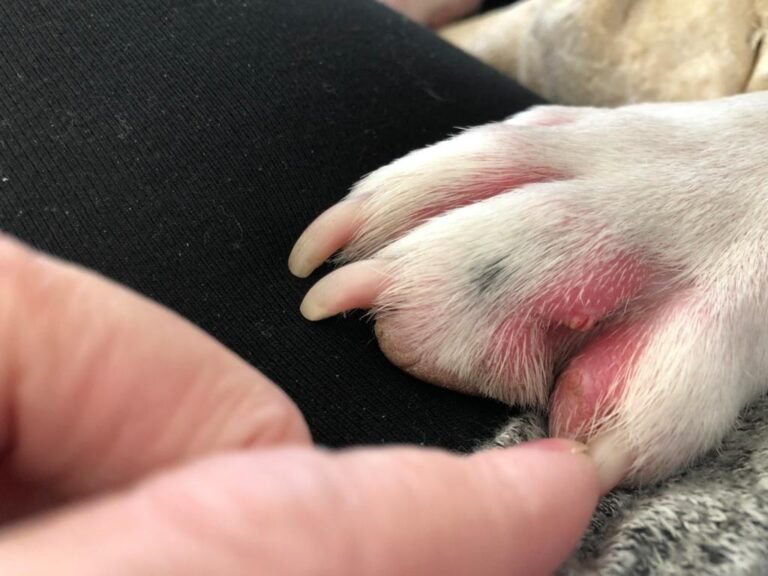
Keep dog paws from cracking by moisturizing paw pads, avoiding extreme surfaces, and maintaining regular paw care.
Across the United States, dogs walk on hot sidewalks, icy roads, rough hiking trails, and dry indoor surfaces that can damage paw pads. These conditions often cause dryness, thickening, and painful cracks that make walking uncomfortable.
Understanding how to keep dog paws from cracking starts with protecting the paw pads from environmental stress while maintaining proper moisture. A consistent paw care routine can reduce irritation, prevent deeper cracks, and help dogs stay active throughout the year.
Source: chewy.com
What Causes Dog Paw Pads to Crack
Dog paw pads are designed to withstand significant wear, but repeated exposure to harsh conditions can remove natural moisture and damage the outer protective layer. When this happens, the pads may become rough, dry, and eventually crack.
Environmental conditions are the most common cause. Hot pavement, winter salt, frozen ground, dry air, and abrasive surfaces gradually weaken the paw pad structure. Some dogs are also more susceptible because of age, activity level, or underlying medical conditions.
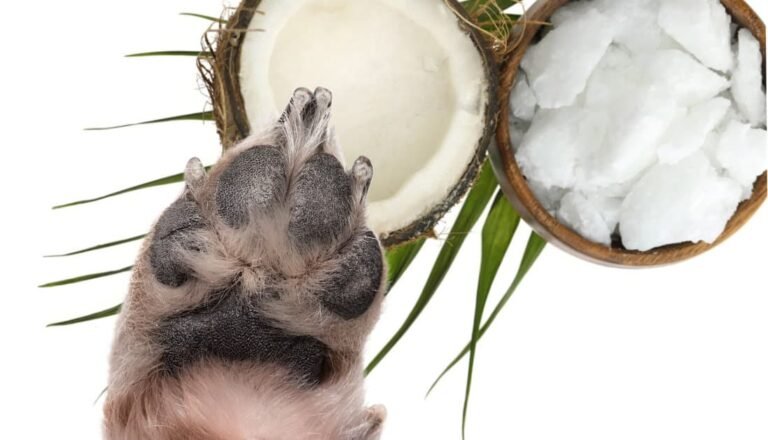
Source: animalia-life.club
Hot Surfaces
Summer pavement and sand can dry and damage paw pads.
Cold Weather
Ice, snow, and de-icing chemicals can contribute to cracking.
Rough Terrain
Frequent exposure to rocks and abrasive trails increases wear.
Medical Factors That May Contribute
Allergies, nutritional deficiencies, infections, autoimmune disorders, and excessive licking can increase the risk of cracked paw pads. When cracking occurs repeatedly despite good care, veterinary assessment is recommended.
Persistent Symptoms
Ongoing cracking may indicate an underlying health issue.
How to Keep Dog Paws From Cracking Every Day
The most effective way to prevent cracked paw pads is to establish a daily maintenance routine. Consistent care is often more effective than treating severe cracks after they develop.
Inspect your dog’s paws after walks. Look for dryness, rough patches, redness, debris, or small splits. Early detection allows you to address minor problems before they become painful.
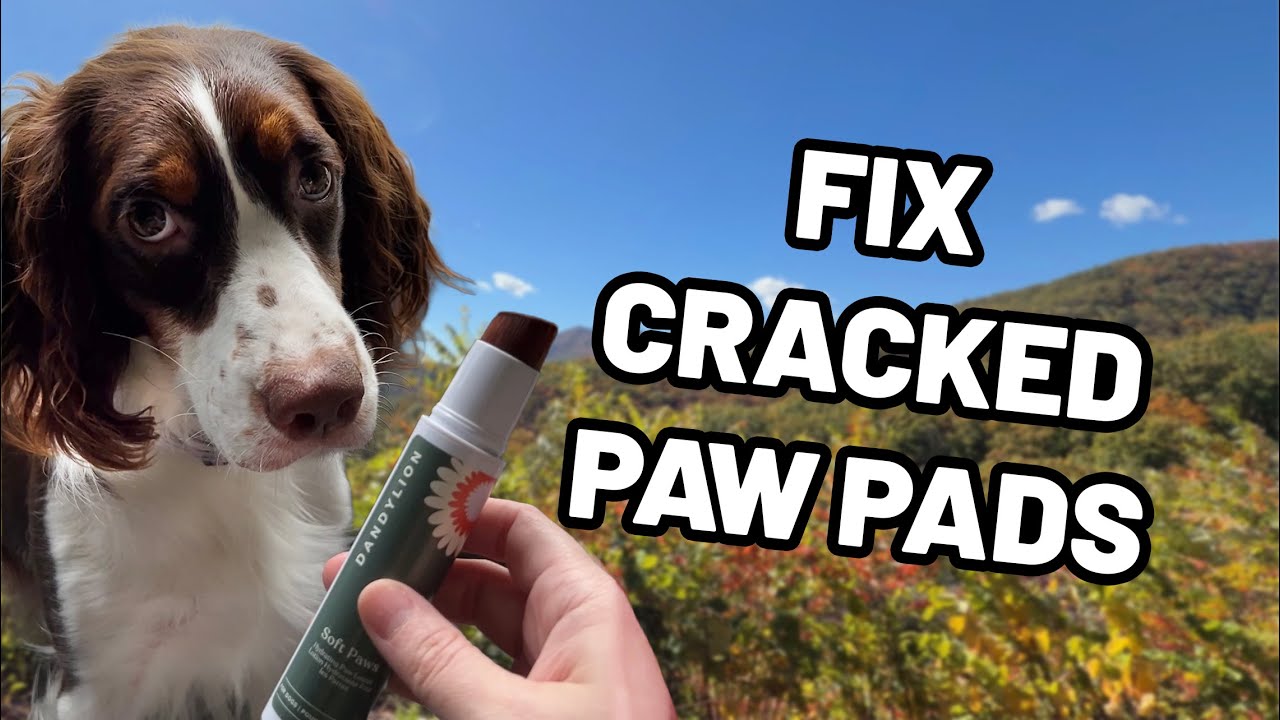
Source: www.youtube.com
Check Paws Daily
Inspect pads and spaces between toes after outdoor activity.
Clean Gently
Remove dirt, salt, and debris using lukewarm water.
Moisturize Regularly
Use pet-safe paw balm as directed.
Signs the Routine Is Working
Healthy paw pads feel resilient rather than brittle. Reduced flaking, fewer rough areas, and comfortable walking are signs that your prevention routine is effective.
Improved Texture
Pads become smoother and less prone to splitting.
Using Paw Balms and Moisturizers Safely
Paw balms help create a protective barrier while supporting moisture retention. They can be especially useful during winter and in dry climates.
Choose products formulated specifically for pets. Human lotions may contain ingredients that are unsuitable for dogs or could cause irritation if licked.
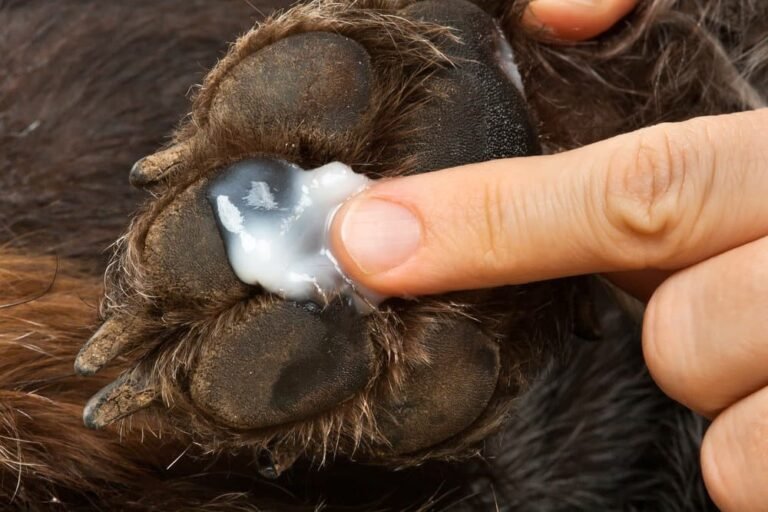
Source: storage.googleapis.com
Apply Before Outdoor Activity
A protective layer may reduce environmental damage.
Apply After Cleaning
Moisturizers are most effective on clean paw pads.
When Moisturizers Are Not Enough
Deep cracks, bleeding, swelling, or signs of infection require veterinary attention. Moisturizers support prevention but do not replace medical treatment when injury is severe.
Seek Veterinary Care
Prompt treatment can prevent complications.
Protecting Paw Pads in Different Seasons
Seasonal hazards affect paw pads differently. Adjusting your care routine throughout the year helps reduce the risk of cracking.
Summer heat can burn and dry paw pads, while winter conditions expose them to ice, salt, and cold-induced dryness.
Source: storage.googleapis.com
Summer Protection
Walk during cooler hours and avoid hot pavement.
Winter Protection
Rinse salt from paws after outdoor walks.
Indoor Care
Dry indoor air may require more frequent moisturizing.
When Protective Gear Helps
Some dogs benefit from boots during extreme weather or prolonged exposure to rough terrain. Properly fitted boots can reduce friction and environmental damage.
Use Correct Fit
Poorly fitted boots may cause rubbing and discomfort.
Nutrition and Hydration for Healthy Paw Pads
Healthy skin and paw pads depend on proper nutrition and hydration. Dogs that consume balanced diets and adequate water often maintain better skin barrier function.
Nutritional deficiencies can contribute to skin dryness and poor tissue repair. If paw problems persist, discuss dietary factors with your veterinarian.
Highly active dogs may need additional paw monitoring because intense exercise increases paw pad wear. Rest days allow minor irritation to heal before becoming serious.
Monitor Active Dogs
Frequent inspections help identify early damage.
Common Mistakes That Lead to Cracked Paw Pads
Many cases of cracked paw pads result from preventable mistakes. Identifying these habits can significantly improve paw health.
Overlooking minor dryness, walking on extreme surfaces, and using inappropriate skin products are common contributors to worsening paw conditions.
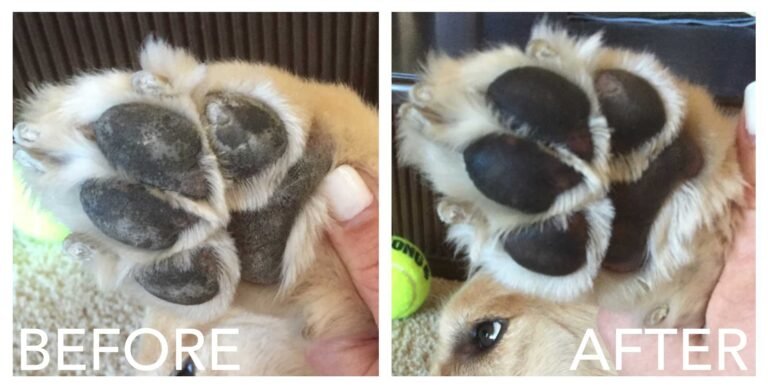
Source: tomdooleys.co.uk
Ignoring Early Dryness
Small cracks can become deeper and more painful.
Using Human Products
Some ingredients may irritate dogs or be unsafe if ingested.
Skipping Paw Checks
Problems often worsen when not detected early.
What to Do If Cracking Continues
If paw pads remain cracked despite routine care, schedule a veterinary examination. Persistent symptoms may indicate a health condition requiring diagnosis and treatment.
Document Symptoms
Track when cracking occurs and any related environmental triggers.
Frequently Asked Questions
Q
Why are my dog’s paw pads cracking?
Cracked paw pads are commonly caused by dry weather, hot pavement, cold temperatures, de-icing salts, rough terrain, or excessive activity. Some medical conditions can also contribute.
Q
Can I use petroleum jelly on my dog’s paws?
Some pet owners use petroleum-based products temporarily, but products formulated specifically for dogs are generally preferred because they are designed for canine skin and licking behavior.
Q
How often should I apply paw balm?
Application frequency depends on the product and environmental conditions. Many dogs benefit from daily use during dry weather or after exposure to harsh surfaces.
Q
When should I take my dog to the veterinarian?
Seek veterinary care if cracks are deep, bleeding, swollen, infected, painful, or fail to improve with basic preventive care.
Q
Do dog boots prevent cracked paw pads?
Properly fitted dog boots can reduce exposure to hot pavement, ice, salt, and rough terrain. They are often useful during extreme weather conditions.
✦ Wrapping Up
Conclusion
Learning how to keep dog paws from cracking involves a combination of prevention, protection, and regular maintenance. Daily inspections, pet-safe moisturizers, and avoiding harsh surfaces can significantly reduce the risk of painful paw damage.
Most cases of cracked paw pads can be prevented through consistent care. When symptoms persist or become severe, veterinary guidance helps identify underlying causes and appropriate treatment options.
💡 Key Takeaway
Inspect your dog’s paws daily, keep them clean and moisturized, and protect them from extreme weather and rough surfaces to prevent cracking.
Learn how to apply coconut oil to dog paws with step-by-step instructions, safety tips, benefits, common mistakes, and signs that your dog’s paw pads need extra care.
Learn how to treat dog paw infection at home with safe cleaning, wound care, infection monitoring, and prevention tips. Know when veterinary care is necessary.
Learn how to tell if your dog’s paws are burned, recognize redness, limping, blistering, and pad damage, provide safe first aid, and know when veterinary care is needed.
Learn why your dog’s paws may be red between the toes, including allergies, infections, irritation, injuries, and interdigital furuncles, plus when veterinary care is needed.
Learn how to prevent foxtails in dogs’ paws with U.S.-focused tips for avoiding risky areas, grooming paws, checking between toes, and knowing when to call a veterinarian.