You may suspect your dog’s paws are burned if your dog suddenly limps, refuses to walk, repeatedly licks or chews the feet, or has paw pads that look unusually red, swollen, blistered, discolored, cracked, or raw after contact with a hot surface.
In the United States, hot asphalt, concrete, artificial turf, sand, and other outdoor surfaces can become hot enough to injure a dog’s paw pads during warm weather. The American Veterinary Medical Association recommends avoiding hot surfaces and scheduling walks during cooler parts of the day. A dog may also burn a paw through contact with heated metal, chemicals, or other hot materials.
A burned paw pad can initially look like a minor irritation, but the damage may be deeper than it appears. Veterinary guidance identifies redness, swelling, blistering, discoloration, exposed tissue, limping, and persistent licking as important warning signs. If a paw is severely damaged, discolored, blistered, or exposing underlying tissue, veterinary evaluation is appropriate rather than relying on home care alone.
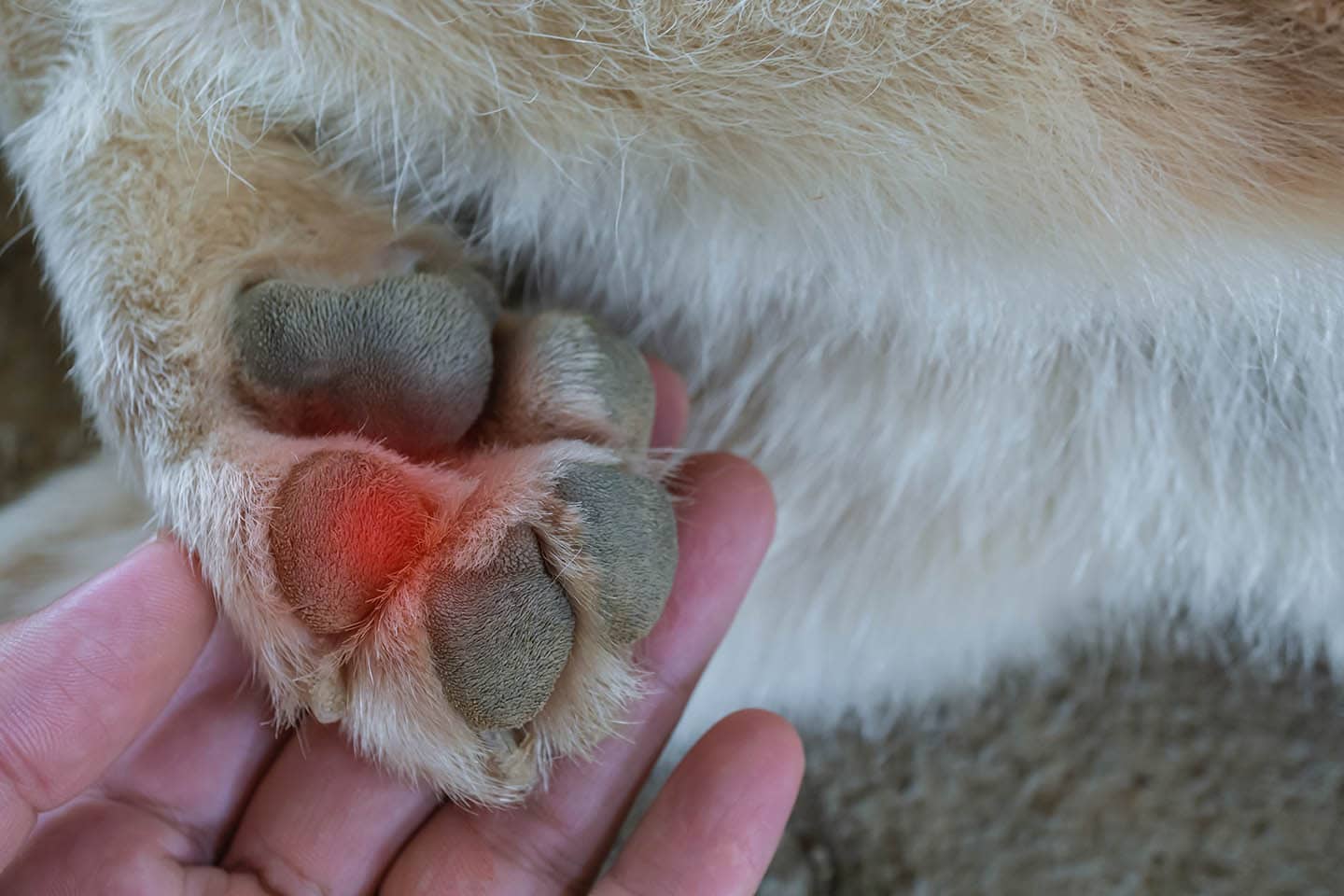
Source: storage.googleapis.com
What Do Burned Dog Paws Look Like?
Burned paw pads can show both behavioral and physical changes. The earliest clue is often a sudden change in how your dog walks after being outside. Your dog may limp, stop walking, repeatedly lift one or more feet, or become reluctant to cross a surface.
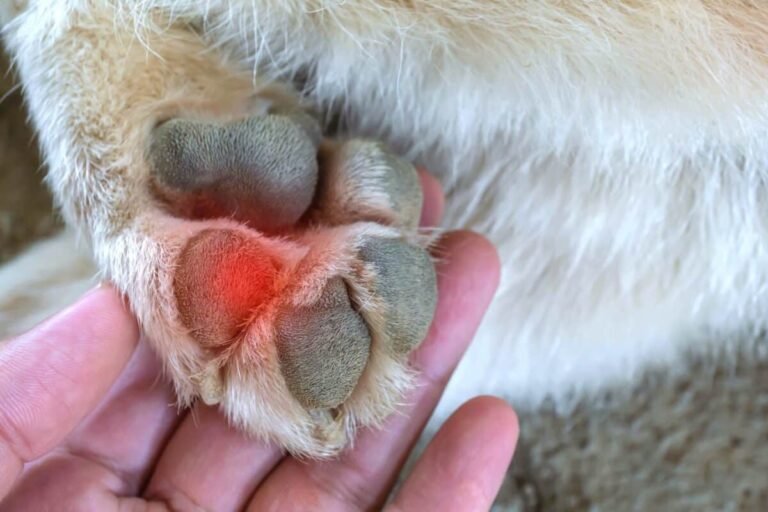
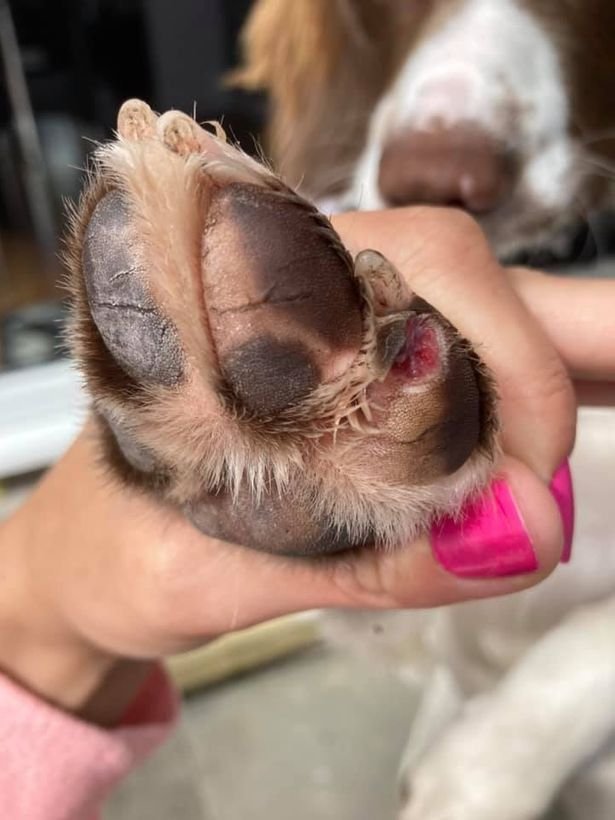
On inspection, mildly injured pads may appear redder than usual or feel unusually tender. More significant burns can produce swelling, blisters, peeling or cracking, discoloration, or areas where the protective pad tissue has been damaged. Severe burns may expose tissue beneath the pad and can require veterinary treatment.
Do not rely on appearance alone to determine the depth of a burn. Burn damage can progress beneath the visible surface, and severe injuries may not initially look as dramatic as they become later.
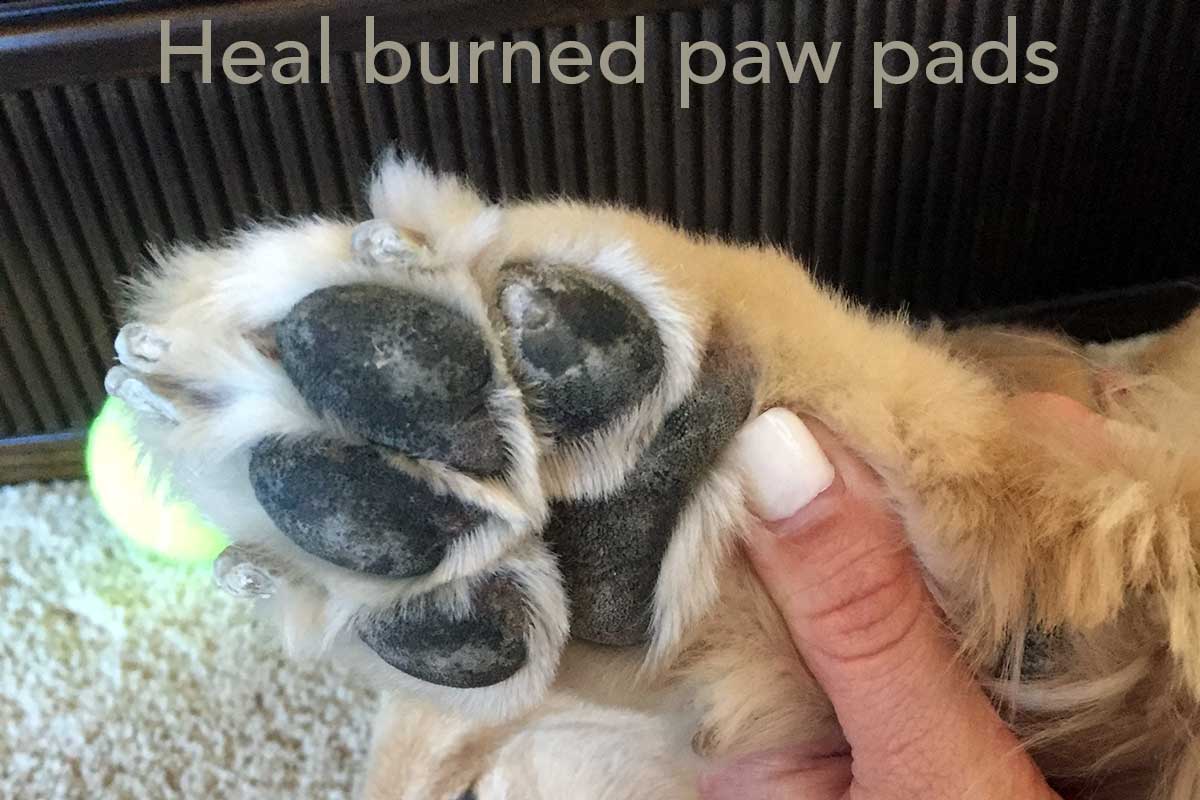
Source: naturaldog.com
Red or unusually pink pads
Redness or a noticeable change in the normal appearance of the paw pad can indicate irritation or thermal injury, particularly when it occurs after exposure to a hot surface.
Swelling or tenderness
A burned pad may become swollen and painful. Your dog may pull the paw away when you try to examine it.
Blisters or peeling
Blistering, peeling, or damaged surface tissue can indicate a more significant burn and should not be deliberately removed or opened.
Discoloration or exposed tissue
Unusual dark, pale, white, or black areas, especially when combined with exposed tissue, are warning signs that need veterinary assessment.
Behavioral Signs Can Appear Before Obvious Skin Damage
A dog may show pain before the paw visibly changes. Watch for sudden limping, refusing to continue a walk, repeatedly lifting a foot, licking or chewing the pads, or reluctance to put weight on a paw. These signs are not specific to burns because cuts, foreign objects, allergies, and other paw problems can cause similar behavior.
The timing is useful. If the signs begin during or immediately after walking on hot pavement, concrete, sand, or another heated surface, a thermal paw injury becomes more plausible.
Sudden limping
A new limp after outdoor activity can indicate pain from a paw pad injury.
Refusing to walk
Stopping suddenly or repeatedly lifting a foot suggests that continuing to walk may be painful.
Persistent licking
Repeated licking or chewing can signal pain or irritation, although it can also occur with allergies, infections, foreign bodies, or other paw conditions.
How to Check Your Dog’s Paws for a Burn
Check the paws only when your dog is calm enough to be handled safely. Pain can make even a normally gentle dog pull away or react defensively. Do not force an examination if your dog appears frightened or painful.
Start by looking at the underside of each paw and compare the affected paw with the other paws. Examine the pads, the spaces between the toes, and the skin around the nails. Look for changes in color, swelling, blisters, cracks, peeling, raw tissue, or foreign material.
If your dog has just walked across a very hot surface and is showing signs of pain, prioritize moving the dog away from the heat and cooling the affected paw rather than repeatedly manipulating the injured tissue.
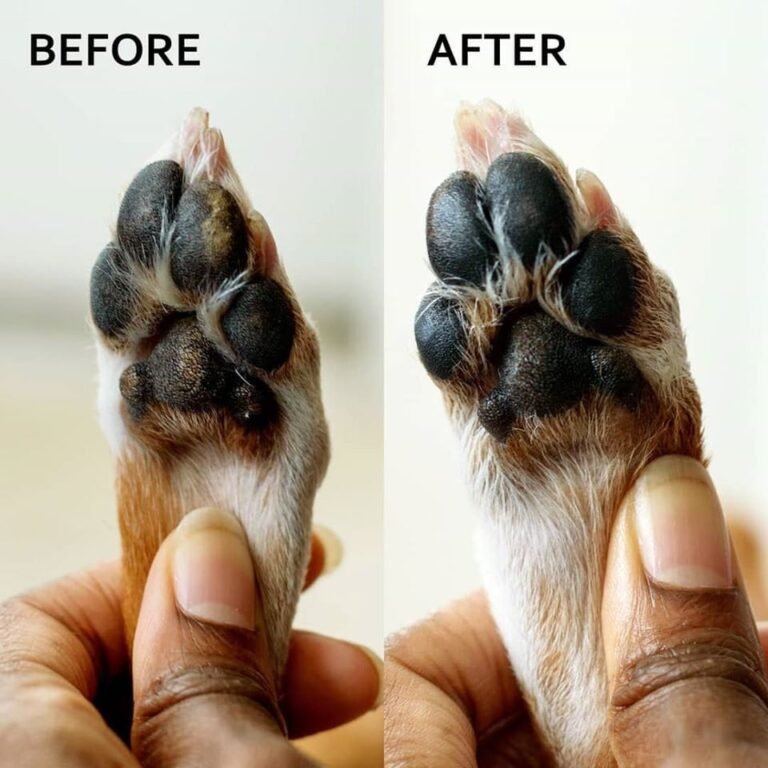
Source: animalia-life.club
Compare both feet
Comparing an injured-looking pad with an unaffected pad can help you notice changes in color, texture, swelling, or surface damage.
Inspect the whole paw
Check the pads, toes, spaces between the toes, and nails because limping can result from causes other than a burn.
Look without picking
Do not peel loose tissue, scrape the pad, or pull away skin that appears attached to the injury.
A Simple Timeline Can Help Identify the Cause
Think about what happened immediately before the symptoms appeared. A dog that develops painful paws after walking across hot asphalt has a different exposure history from a dog whose paw became irritated after playing in grass or after stepping on a sharp object.
Record the surface your dog walked on, how long the exposure lasted, when the limping or licking started, and whether the paw changed afterward. This information can help a veterinarian distinguish a suspected burn from other paw injuries.
Hot outdoor surface
Hot asphalt, concrete, artificial turf, sand, and metal can cause thermal injury.
Chemical exposure
Corrosive chemicals can damage paw tissue and require different handling from an ordinary thermal burn.
No obvious heat exposure
Consider other causes such as cuts, punctures, foreign objects, allergies, infection, or inflammation and seek veterinary advice if symptoms persist.
What to Do if You Think Your Dog’s Paw Is Burned
First, remove your dog from the hot or irritating surface and prevent further walking on it. For a suspected thermal burn, cool the paw with cool or room-temperature running water or a gentle water soak. The goal is to cool the injured tissue without causing additional cold injury.
Do not use ice or extremely cold water directly on the paw. Cold injury can further damage already injured tissue. After cooling, keep your dog from walking unnecessarily and contact your veterinarian for guidance, particularly when the pad is blistered, discolored, raw, or significantly painful.
If the injury resulted from a chemical substance, the appropriate response depends on the substance involved. Avoid guessing about chemical first aid. Protect yourself from the substance and contact a veterinarian or appropriate poison-control service for substance-specific guidance.
Source: storage.googleapis.com
Move away from the heat
Stop exposure immediately and move your dog to a cool, safe surface.
Cool a thermal burn
Use cool or room-temperature water to soothe a suspected thermal burn. Avoid ice because excessive cold can worsen tissue injury.
Limit walking
Walking on damaged paw pads can increase irritation and delay healing, so keep activity restricted while arranging appropriate care.
Contact your veterinarian
Seek veterinary advice when the burn is more than very mild, when tissue is damaged or discolored, or whenever you are unsure how serious the injury is.
What Not to Put on a Burned Paw
Avoid improvised treatments such as butter, household creams, petroleum jelly, or human medications unless your veterinarian specifically instructs you to use a particular product. Some substances can irritate damaged tissue, interfere with veterinary treatment, or be unsafe if a dog licks them.
Do not pop blisters or pull away attached skin. These actions can expose vulnerable tissue and increase the risk of contamination and infection. A veterinarian can determine whether damaged tissue requires professional treatment.
Do not use ice directly
Extreme cold can add another source of tissue injury.
Do not pop blisters
Opening blisters unnecessarily can increase contamination and infection risk.
Do not use human burn products without veterinary advice
A product that is appropriate for people is not automatically appropriate for a dog, especially when the dog may lick it.
When Is a Burned Paw an Emergency?
A burned paw deserves prompt veterinary attention when the injury is severe, tissue is exposed, the pad is markedly discolored, or your dog cannot comfortably use the foot. Veterinary assessment is also appropriate when the injury is worsening rather than improving.
Burn severity can be difficult to judge at home. A small-looking injury may involve deeper tissue, and some changes become more apparent over time. If you are uncertain whether the pad is significantly burned, contacting a veterinarian is safer than assuming the injury is minor.
Source: storage.googleapis.com
Exposed or severely damaged tissue
Contact a veterinarian promptly if the protective pad surface is missing or tissue underneath is visible.
Significant blistering or discoloration
Marked blistering or unusual dark, pale, white, or black tissue can indicate a more serious burn.
Severe pain or inability to walk
A dog that cannot comfortably bear weight or appears very painful should be assessed by a veterinary professional.
Signs of infection
Increasing redness, swelling, heat, discharge, foul odor, or worsening pain can indicate infection or another complication.
Why Burn Severity Can Be Misleading
Burns are not always accurately judged by their initial appearance. Superficial injuries may cause redness and pain, while deeper injuries can damage multiple layers of tissue. In some severe burns, nerve damage can alter how painful the area feels, so the absence of dramatic pain does not guarantee that the injury is minor.
For that reason, veterinary assessment is particularly important when there is blistering, substantial discoloration, exposed tissue, progressive changes, or a large affected area.
Surface appearance is not the whole injury
Visible damage does not always show how deeply tissue has been affected.
Symptoms can change
Burn injuries may evolve after the initial exposure, making follow-up important when symptoms persist or worsen.
How to Prevent Burned Paw Pads in Hot Weather
Prevention starts with avoiding surfaces that are too hot for your dog’s paws. Asphalt, concrete, artificial turf, sand, and other surfaces exposed to strong sunlight can heat substantially above the surrounding air temperature.
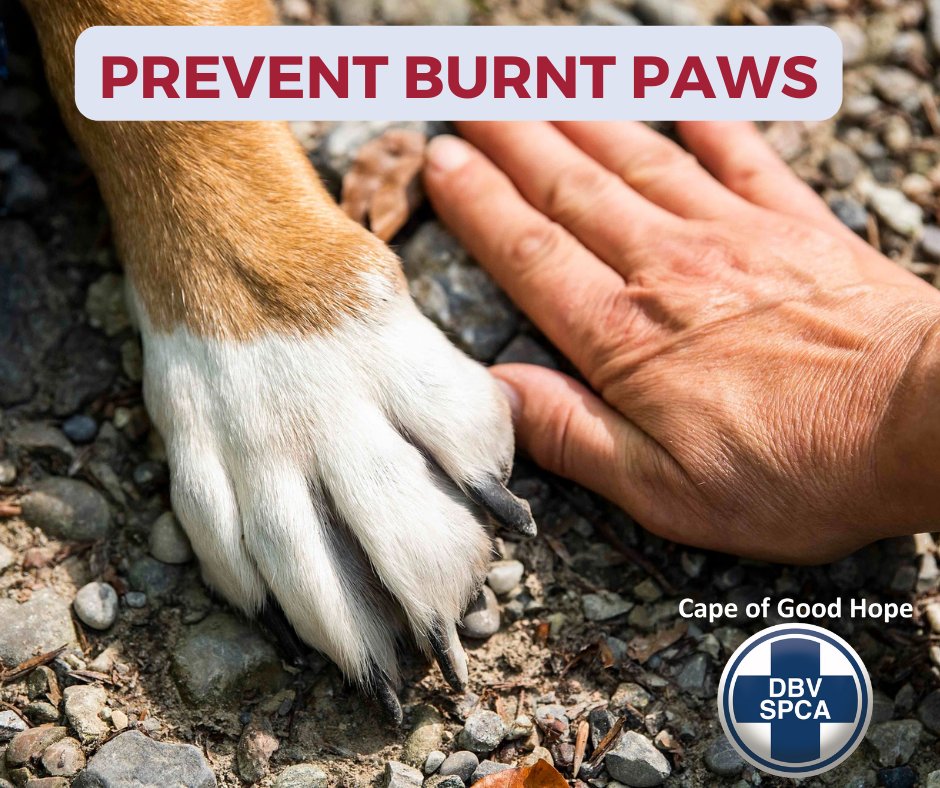
Walk during cooler parts of the day and choose grass or shaded routes when practical. Before allowing your dog onto a questionable surface, use a cautious temperature check with your hand. If the surface is uncomfortably hot to hold your hand against, it is not a suitable walking surface for your dog.
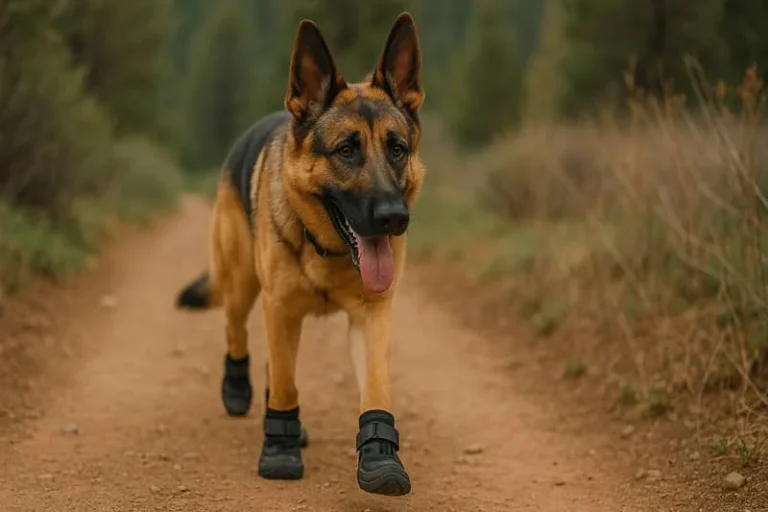
Paw protection such as properly fitted dog boots can provide an additional barrier in some circumstances, but boots should not be treated as permission to expose a dog to extreme heat. Your dog still needs access to shade, water, and appropriate exercise conditions.
Source: greatpetcare.com
Choose cooler walking times
Early morning or later evening can reduce exposure to surfaces that have accumulated heat during the day.
Prefer cooler routes
Grass and shaded areas can be preferable to exposed asphalt, concrete, or artificial turf during hot weather.
Check the walking surface
If a surface is too hot for your hand to comfortably remain on it, choose another route or wait until it cools.
Watch your dog during walks
Stopping, limping, repeatedly lifting a paw, or refusing to continue are reasons to end the walk and inspect the feet.
Paw Burns Are Not Limited to Asphalt
Asphalt is a common concern, but dogs can also encounter hot concrete, artificial turf, sand, metal surfaces, and other heat-absorbing materials. The safest approach is to consider the actual surface temperature rather than relying only on the outdoor air temperature.
Paw injuries can also occur through chemical exposure. Lawn products, cleaning chemicals, and other corrosive substances should be kept away from pets, and treated areas should be used only according to the product’s safety instructions.
Concrete and artificial turf
These surfaces can become hot enough to irritate or burn paw pads.
Sand and metal
Sun-exposed sand and metal surfaces can also become hazardous to unprotected paws.
Chemical hazards
Chemical burns require substance-specific precautions rather than the same approach used for a simple thermal burn.
Burned Paw Pads vs. Other Paw Problems
Not every painful paw is burned. A dog that limps or licks a paw may have a cut, puncture, splinter, grass awn, foreign object, allergy-related inflammation, infection, torn nail, or another condition. Looking at the timing and exposure history helps, but it cannot replace a veterinary examination when the cause is uncertain.
If only one paw is affected and there was no clear exposure to a hot surface, consider other causes as well. Foreign bodies and localized injuries can produce symptoms that resemble a burn.
Source: storage.googleapis.com
Burn
More likely when pain or limping follows contact with a hot surface and the pad shows heat-related redness, blistering, peeling, or discoloration.
Cut or puncture
A visible wound, bleeding, or a history of stepping on a sharp object points toward a traumatic injury rather than a thermal burn.
Foreign body
A thorn, splinter, grass awn, glass fragment, or similar object can cause localized pain and persistent licking.
Paw inflammation or infection
Persistent redness, swelling, licking, odor, discharge, or recurrent symptoms can have causes unrelated to heat exposure.
When the Cause Is Unclear
Do not assume that every red paw is a burn. If there is no clear heat exposure, if the problem keeps returning, or if the paw does not improve after removing the suspected trigger, veterinary evaluation can help identify the underlying cause.
Prompt evaluation is especially important when there is bleeding that will not stop, a deep wound, a deeply embedded object, significant swelling, discharge, severe pain, or persistent inability to walk.
No heat exposure
A different cause becomes more likely when symptoms appear without a known hot-surface or heat exposure.
Symptoms persist
Ongoing pain, licking, swelling, or limping deserves veterinary attention rather than repeated home treatment.
Frequently Asked Questions
Q
How can I tell if my dog’s paws are burned from hot pavement?
Look for a combination of recent hot-surface exposure and symptoms such as sudden limping, refusing to walk, repeated paw licking, redness, swelling, tenderness, blistering, peeling, or discoloration of the pads. A veterinarian should assess significant blistering, exposed tissue, severe pain, or marked discoloration.
Q
Can a dog walk on burned paw pads?
A dog may be physically able to walk despite a paw pad burn, but walking on injured pads can increase irritation and delay healing. Keep activity restricted and avoid the surface that caused the injury while you arrange appropriate veterinary guidance.
Q
Should I put ice on my dog’s burned paw?
No. Do not place ice directly on a burned paw. For a suspected thermal burn, use cool or room-temperature water to cool the affected area and then contact your veterinarian for advice, particularly if the injury is more than mild.
Q
How long does a burned dog paw take to heal?
Healing time depends on the depth and extent of the injury. Mild superficial damage may improve relatively quickly, while deeper burns can take substantially longer and may require professional wound management. Do not use a fixed healing timeline to decide that a serious-looking burn is safe to manage without veterinary care.
Q
Can dogs get burned paws from artificial grass?
Yes. Artificial turf can become very hot in direct sunlight and may cause discomfort or burns to paw pads. During hot weather, choose cooler walking surfaces and times of day, and monitor your dog for limping or other signs of paw pain.
✦ Wrapping Up
Conclusion
The clearest way to tell if your dog’s paws may be burned is to combine the exposure history with your dog’s behavior and the condition of the paw pads. Sudden limping, refusing to walk, persistent licking, redness, swelling, blistering, peeling, or unusual discoloration after contact with a hot surface are important warning signs.
Move your dog away from the heat, cool a suspected thermal injury with cool or room-temperature water, restrict walking, and avoid unapproved creams or home remedies. Because paw burns can be deeper than they first appear, seek veterinary advice for significant pain, blistering, discoloration, exposed tissue, worsening symptoms, or any uncertainty about the injury.
💡 Key Takeaway
If your dog suddenly develops painful paws after walking on a hot surface, stop the walk, move the dog to a cool area, cool the paws with cool or room-temperature water, and contact a veterinarian if the pads are blistered, discolored, raw, significantly painful, or not improving.
Learn how often to moisturize dog paws, when dogs need paw balm, signs of dry paw pads, and how to create a safe paw care routine for year-round protection.
Learn how to soak dogs paws safely with warm water or veterinarian-approved solutions, when paw soaks help, what to avoid, and when to call a veterinarian.
Learn how long to keep bandage on dog paw injuries, when to change the wrap, signs of healing, and when to contact a veterinarian for professional care.
Learn how to tell if a dog’s paw is broken, recognize fracture symptoms, understand when veterinary care is urgent, and learn how broken paw injuries are diagnosed.