Most dogs benefit from paw moisturizing two to three times per week, while dry or damaged paws may need daily care.
Across the United States, dogs walk on a wide range of surfaces, including hot pavement, concrete sidewalks, salted winter roads, hiking trails, and dry indoor flooring. These conditions can strip moisture from paw pads and lead to cracking, roughness, or discomfort.
Understanding how often to moisturize dog paws depends on your dog’s activity level, environment, season, and paw condition. A consistent paw care routine helps maintain healthy paw pads while avoiding excessive moisture that can soften the pads too much and reduce natural protection.
Source: animalia-life.club
How Often Should You Moisturize Dog Paws?
The ideal frequency depends on the condition of the paw pads. For most healthy dogs, moisturizing two to three times per week is sufficient to maintain flexibility and prevent excessive dryness.
Dogs experiencing rough, flaky, or cracked paw pads may benefit from daily moisturizing for one to two weeks. Once the pads recover, the schedule can often be reduced to maintenance applications several times per week.
Working dogs, hiking dogs, senior dogs, and dogs exposed to extreme weather may require more frequent paw care than indoor companion dogs.
Source: animalia-life.club
Healthy paws
Moisturize two to three times weekly.
Mild dryness
Apply paw balm every other day until improvement.
Cracked or damaged paws
Use a veterinarian-approved moisturizer daily.
Extreme weather exposure
Inspect paws daily and moisturize as needed.
Why Frequency Matters
Paw pads naturally contain protective oils and tough outer layers. Moisturizing too little can lead to dryness and cracks, while moisturizing too often can make paw pads overly soft. The goal is to keep the pads flexible without weakening their natural resilience.
Balance
Maintain moisture without over-softening the paw pads.
Signs Your Dog Needs Paw Moisturizer
Regular inspection can help you identify dryness before serious cracking develops. Paw pads should feel firm and slightly textured but not brittle.
Visible changes in texture or behavior often indicate that the paw pads need additional care.
Source: animalia-life.club
Rough texture
Pads feel excessively dry or coarse.
Cracks
Small splits or fissures appear on the paw surface.
Excessive licking
Dogs may lick irritated paws frequently.
Sensitivity
Reluctance to walk on certain surfaces.
When to Contact a Veterinarian
Deep bleeding cracks, swelling, infection, limping, or persistent pain require professional veterinary evaluation. Moisturizers can support healthy skin but cannot treat serious injuries or infections.
Warning signs
Bleeding, swelling, discharge, or ongoing limping.
Factors That Affect How Often Dog Paws Need Moisturizing
Several environmental and lifestyle factors influence paw pad moisture levels. Dogs living in different climates often require different paw care schedules.
Evaluating these factors helps determine whether your dog needs occasional maintenance or more frequent treatment.
Source: www.youtube.com
Winter conditions
Ice melt products, road salt, and cold air can dry paw pads.
Summer heat
Hot pavement can cause dryness and irritation.
Outdoor activity
Frequent hiking and running increase wear on paw pads.
Indoor climate
Low humidity and heated homes can contribute to dryness.
Seasonal Paw Care Schedule
Many dogs need more frequent moisturizing during winter and summer. Spring and fall often require less intervention because temperatures and environmental conditions are generally milder.
Winter and summer
Increase monitoring and moisturizing frequency.
How to Moisturize Dog Paws Properly
Proper application helps maximize benefits while reducing the chance of your dog immediately licking the product off.
Choose a pet-safe paw balm or moisturizer formulated specifically for dogs.
Source: artofit.org
Clean the paws
Remove dirt, debris, and moisture before application.
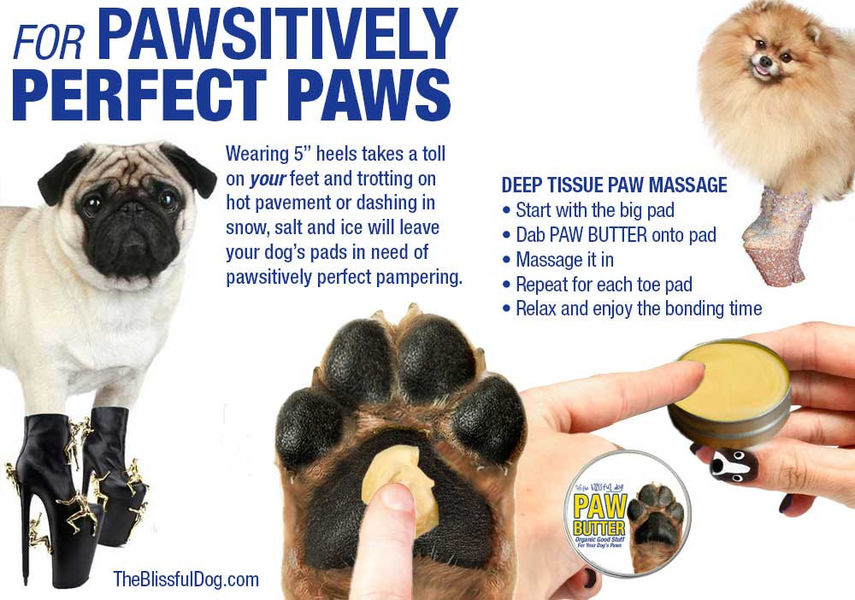
Apply a thin layer
Cover the paw pads without overloading them.
Allow absorption
Keep the dog calm for several minutes.
Monitor results
Adjust frequency based on paw condition.
Best Time to Apply Paw Balm
Applying moisturizer before bedtime is often effective because dogs are less active and the product has more time to absorb into the paw pads.
Evening application
Allows longer contact time and reduced licking.
Common Moisturizing Mistakes to Avoid
Even well-intentioned paw care routines can create problems if products are used incorrectly. Understanding common mistakes helps protect paw health.
The most frequent issue is applying moisturizer too often or using products designed for humans.
Source: animalia-life.club
Over-moisturizing
Can soften paw pads excessively.
Human lotions
May contain ingredients unsuitable for dogs.
Ignoring injuries
Moisturizer cannot replace veterinary treatment.
Inconsistent care
Irregular use may limit results.
What Success Looks Like
Healthy paw pads feel smooth, flexible, and free from deep cracks. Dogs should walk comfortably and show less licking or irritation after establishing a proper moisturizing routine.
Healthy outcome
Comfortable walking and improved paw texture.
Choosing the Right Paw Moisturizer
Not every moisturizing product is suitable for canine paws. Look for products specifically labeled for dogs and designed to protect and hydrate paw pads.
Ingredients commonly found in dog paw balms include natural waxes, plant oils, and skin-conditioning agents that help lock in moisture.
Source: petsmont.com
Dog-specific formulas
Designed for canine skin and occasional licking.
Protective barrier
Helps shield paws from environmental stress.
Hydration support
Maintains flexibility and comfort.
When Moisturizer Alone Is Not Enough
Dogs regularly exposed to rough terrain, hot pavement, or winter chemicals may also benefit from protective booties and routine paw inspections in addition to moisturizing.
Extra protection
Use booties when environmental conditions are severe.
Frequently Asked Questions
Q
Can I moisturize my dog’s paws every day?
Yes, daily moisturizing may be appropriate for dry, cracked, or recovering paw pads. Once the paws improve, reducing applications to two or three times per week is often sufficient.
Q
Can you over-moisturize dog paws?
Yes. Excessive moisturizing can soften paw pads too much and reduce their natural toughness. Follow product directions and adjust based on your dog’s condition.
Q
Should I moisturize dog paws in summer?
Many dogs benefit from extra paw care during summer because hot pavement and dry surfaces can remove moisture and increase irritation.
Q
What are the signs of healthy dog paw pads?
Healthy paw pads are flexible, smooth, free of deep cracks, and comfortable during normal activity. Minor texture is normal, but severe roughness may indicate dryness.
Q
Can I use coconut oil on my dog’s paws?
Some owners use coconut oil as a temporary moisturizer, but dog-specific paw balms are generally preferred because they are formulated for paw pad protection and durability.
✦ Wrapping Up
Conclusion
Knowing how often to moisturize dog paws helps prevent dryness, cracking, and discomfort while maintaining the natural durability of the paw pads. Most dogs do well with moisturizing two to three times per week, while damaged paws may need daily care.
Regular inspections, seasonal adjustments, and pet-safe products are the foundation of an effective paw care routine. Monitoring your dog’s paws throughout the year can help identify problems before they become serious.
💡 Key Takeaway
Check your dog’s paws weekly and adjust moisturizing frequency based on weather conditions, activity level, and the condition of the paw pads.
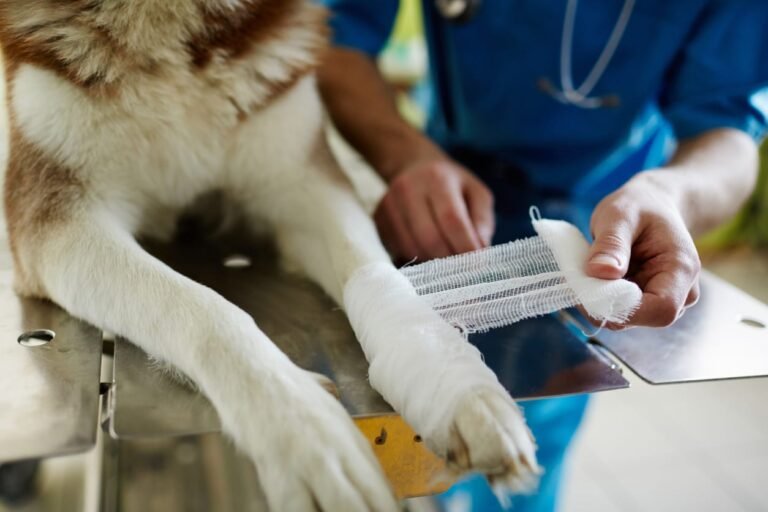
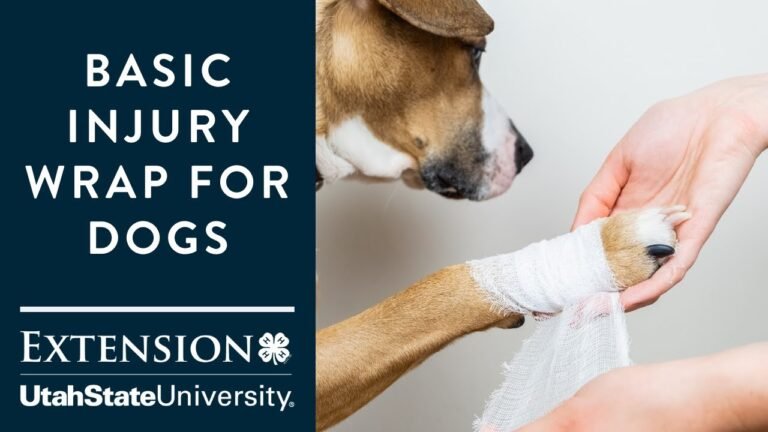
Learn how to treat a dog paw pad injury safely, including cleaning, bleeding control, bandaging, burn care, healing signs, and when veterinary treatment is needed.
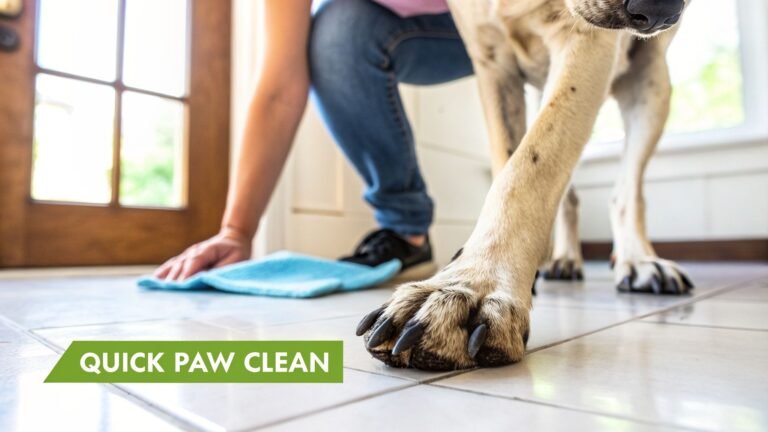
Learn how to clean muddy dog paws safely and effectively. Follow simple steps, prevent muddy messes, protect paw health, and keep your home cleaner after walks.
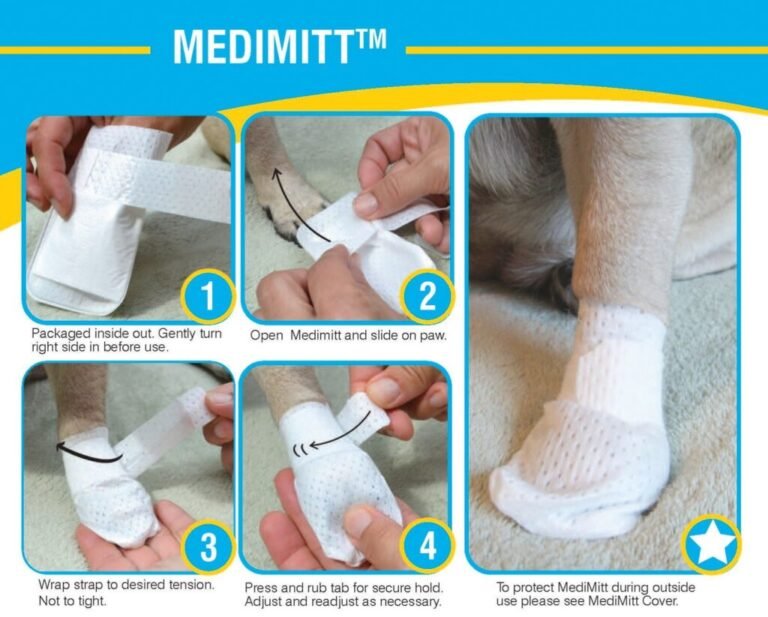
Learn how to use a clean sock as temporary protection for a dog’s paw, when it is appropriate, how to secure it safely, and when to see a veterinarian.
Learn how to prevent foxtails in dogs’ paws with U.S.-focused tips for avoiding risky areas, grooming paws, checking between toes, and knowing when to call a veterinarian.
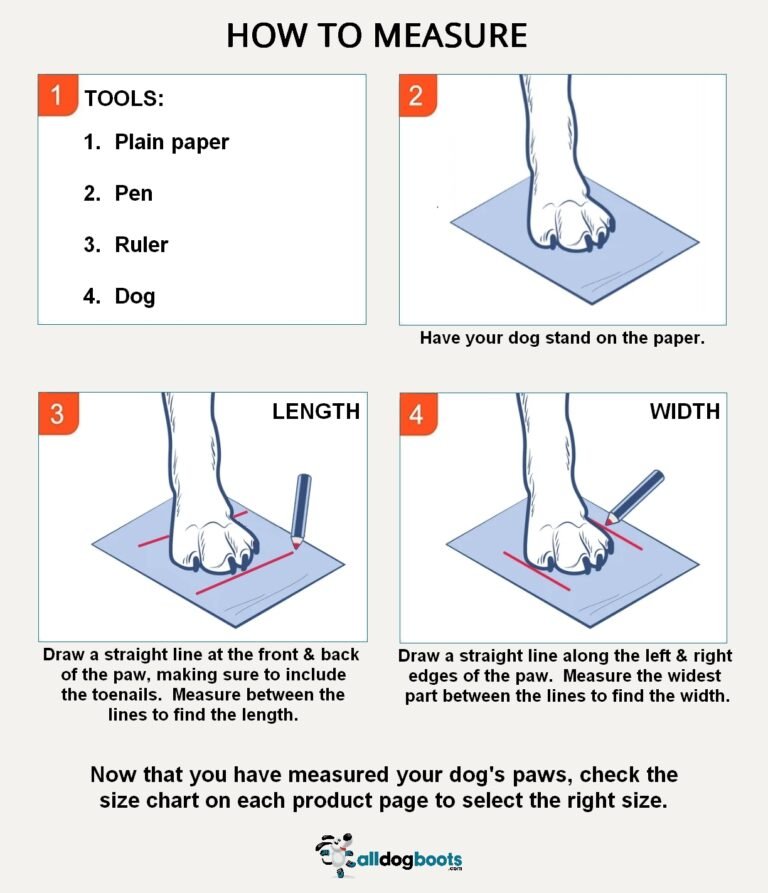
Learn how to measure dog paws for socks using width, length, and circumference measurements. Get accurate sizing, avoid common mistakes, and improve sock fit.
Learn how to treat a sprained dog paw with safe home care, activity restriction, cold therapy, warning signs, and guidance on when your dog needs a veterinarian.