The most effective way to prevent foxtails in a dog’s paws is to avoid areas with mature or dried foxtail grass, keep paw hair neatly maintained, inspect the feet after outdoor activity, and remove visible seeds before they become embedded.
Across the United States, foxtails and other barbed grass awns can be a seasonal hazard for dogs that walk, hike, hunt, or play in grassy areas. The risk is particularly relevant in regions where wild grasses dry out and produce sharp seed heads. These seeds can lodge between the toes or penetrate the skin, where their barbed structure may allow them to move deeper into tissue.
Preventing a paw injury is safer than trying to remove a deeply embedded foxtail later. A practical prevention routine combines environmental avoidance, basic paw grooming, post-walk inspections, and prompt veterinary attention when a seed appears embedded. Dogs that frequently accompany their owners on hikes, field walks, or outdoor activities may need especially consistent checks.
Source: salisburygreenhouse.com
What Are Foxtails and Why Are They Dangerous to Dog Paws?
Foxtails are the barbed seed heads of certain grasses. The term is commonly used for several grass species that produce pointed awns capable of attaching to animal fur. Once the seed head dries, its sharp structure can become particularly problematic for dogs.
A foxtail caught in the paw can lodge between the toes or penetrate the skin. Unlike an ordinary loose piece of grass, a barbed awn can resist moving backward and may gradually work farther into tissue. This can result in inflammation, infection, an abscess, or a persistent draining wound.
The greatest risk is not simply that a dog steps on a foxtail. The concern is that an unnoticed seed can become embedded and continue moving into tissue. That is why prevention and early inspection matter.
Source: blog.ferplast.com
Between the toes
The narrow spaces between a dog’s toes can trap grass awns where they may be difficult to see.
Around the paw pads
Long hair, debris, and moisture can make it harder to notice a seed lodged near the pads.
Inside a small puncture
A seed may penetrate the skin and become less visible as swelling develops around the entry site.
When Is Foxtail Risk Highest?
Risk is generally highest after grasses mature and their seed heads become dry and brittle. In many parts of the United States this occurs during late spring and summer, but timing varies considerably by climate, grass species, and region.
Do not rely on a calendar alone. Look at the vegetation where your dog walks. Dry, mature grass with prominent seed heads deserves more caution than a maintained area without visible awns.
Dry grass
Dried vegetation can release mature, sharp seed heads that readily attach to fur.
Overgrown paths
Tall unmanaged vegetation increases the opportunity for a dog’s legs and paws to contact grass awns.
How to Prevent Foxtails in Dogs’ Paws
The strongest prevention strategy is to reduce exposure and make any remaining exposure easier to detect. You do not need to eliminate every outdoor activity; instead, choose safer routes, maintain the dog’s paw area, and establish a routine inspection after walks.
The following approach works particularly well for dogs that regularly visit fields, trails, rural properties, parks, or other places where tall grasses grow.
Source: coachellavalleyweekly.com
1. Choose routes without mature foxtails
Stay on maintained paths and avoid visibly dry, overgrown grass when practical. If a trail is surrounded by mature seed-producing grasses, choose an alternative route.
2. Keep your yard maintained
Regular mowing and removal of foxtail-producing grasses can reduce exposure around the home. Do not allow tall, mature grass to accumulate in areas where your dog routinely plays.
3. Maintain paw hair
Keeping excess hair around the feet and between the toes under control can make foreign material easier to see and remove before it becomes embedded. Avoid cutting the skin or attempting an aggressive grooming job at home.
4. Inspect paws after outdoor activity
Spread the toes gently and examine between the pads, around the nails, and across the top and sides of each paw. Check for grass seeds, redness, swelling, tenderness, or unusual moisture.
5. Use protective dog booties when appropriate
Properly fitted dog boots can create a physical barrier between the paw and vegetation. They are most useful when exposure cannot reasonably be avoided, but they should be introduced gradually and checked frequently for rubbing or discomfort.
How to Check Your Dog’s Paws After a Walk
A post-walk inspection should be brief but systematic. Have your dog stand or sit comfortably, then examine each foot individually. Gently separate the toes and look for seeds or other foreign material. Check the fur around the paw and the spaces between the pads.
If you find a loose foxtail sitting on the surface of the coat or skin, it can generally be removed carefully without digging into tissue. If it appears embedded, the area is swollen or painful, or you cannot tell how deeply it has entered, stop manipulating the area and contact a veterinarian.
Check every paw
Do not inspect only the paw your dog is licking. A dog may have more than one foreign object.
Look between the toes
This is one of the most important locations to inspect because grass awns can become trapped in the narrow spaces there.
Watch your dog’s reaction
Pulling away, sudden licking, flinching, or guarding one foot can indicate discomfort even when a seed is not immediately visible.
Should You Use Dog Boots for Foxtail Protection?
Dog boots can help reduce direct contact between paws and foxtail-bearing vegetation, but they are not a complete solution. A boot must fit correctly and remain in place without causing pressure, rubbing, or restricted movement.
Boots are particularly worth considering for dogs that frequently accompany their owners through areas where foxtails cannot be avoided. Even with boots, inspect the rest of the dog’s legs and body after the outing because grass awns can attach above the footwear.
Best use
Use boots as an additional barrier when exposure is difficult to avoid, rather than as permission to walk through dense foxtail growth.
Check the fit
Inspect the paws after use for rubbing, pressure marks, moisture, or other signs of irritation.
Create a Foxtail Prevention Routine for Every Outdoor Trip
A consistent routine is easier to follow than trying to remember what to check only after a problem appears. For dogs that regularly visit grassy areas, use a simple before-during-after approach.
Before leaving, look at the route and avoid locations with obvious mature foxtail growth. During the outing, keep your dog from pushing through dense, dry vegetation whenever possible. After returning home, inspect the paws and coat before the seeds have time to become embedded.
Source: images.squarespace-cdn.com
Before the walk
Choose maintained paths, check for visible mature grass awns, and make sure paw hair is reasonably groomed.
During the walk
Keep your dog away from dense dry grasses and do not allow unnecessary running through unmanaged vegetation.
Immediately afterward
Check all paws, especially between the toes, and inspect the legs and coat for attached seeds.
Later that day
Pay attention to persistent licking, limping, swelling, or a new sore spot because some embedded foreign bodies are not obvious during the initial inspection.
A Simple Paw-Check Checklist
Use the same sequence each time so important areas are not skipped. Examine the top of the paw, between each toe, around the nails, along the sides of the paw pads, and beneath the foot. Then compare the feet for new swelling, redness, or tenderness.
Dogs with thick or long hair may require extra attention because seeds can remain hidden in the coat. Regular grooming makes these checks easier, but grooming cannot replace avoidance and inspection.
Top of paw
Look for grass awns caught in the hair or attached to the skin.
Between toes
Separate the toes gently and look for seeds, redness, swelling, or discharge.
Paw pads
Inspect the edges and spaces around the pads for foreign material or puncture sites.
Nails
Check around the nails for attached plant material or changes that could explain sudden licking or limping.
What to Do If You Find a Foxtail on Your Dog’s Paw
The correct response depends on whether the foxtail is loose or embedded. A loose seed sitting visibly on the surface can often be removed carefully. A seed that has entered the skin is different and should not be treated like ordinary debris.
Do not repeatedly probe a swollen paw with tweezers or other tools. Manipulation can push a partially embedded foreign body deeper or make the tissue more irritated. If the seed cannot be removed easily because it is embedded, veterinary assessment is the safer option.
Source: i.pinimg.com
Loose and clearly visible
If the seed is simply attached to the surface and comes away easily, remove it and recheck the area for additional seeds.
Embedded or partly embedded
Do not dig into the skin. Contact a veterinarian for advice or examination.
Swollen or painful paw
Arrange veterinary evaluation, particularly if your dog is limping, repeatedly licking the area, or resisting examination.
Persistent wound or drainage
A sore that does not heal normally can be associated with a retained foreign body and deserves veterinary attention.
Signs That a Foxtail May Already Be Embedded
Dogs do not always show a visible puncture immediately. Persistent licking of one paw, sudden limping, localized swelling, redness between the toes, tenderness, or a draining wound can all warrant closer evaluation.
A particularly useful warning sign is a problem that continues or returns despite basic paw care. A veterinarian may need to determine whether a foreign body is present and decide how it should be removed.
Persistent licking
Repeated attention to one specific paw can signal localized irritation or pain.
Limping
Sudden or persistent lameness after exposure to dry grass should not be ignored.
Swelling
Localized swelling between the toes or around a paw can occur with a foreign-body reaction or infection.
Drainage
Fluid or discharge from a small wound is a reason to have the area assessed.
When to Call a Veterinarian
Veterinary care is appropriate when a foxtail appears embedded, the paw becomes swollen or painful, or symptoms persist after a suspected exposure. Because grass awns can migrate through tissue, a tiny surface opening does not necessarily indicate a minor problem.
Seek prompt veterinary attention if your dog develops significant lameness, increasing swelling, discharge, a non-healing wound, marked pain, or worsening symptoms. Foxtails can also enter the ears, eyes, nose, or mouth, so symptoms outside the paw should not be dismissed simply because the original exposure involved walking through grass.
Breathing difficulty, severe respiratory symptoms, or suspected inhalation of a grass awn requires urgent veterinary assessment.
Source: blog.ferplast.com
Embedded foreign body
A foxtail that is visibly lodged in the skin should be assessed rather than aggressively dug out at home.
Worsening symptoms
Increasing pain, swelling, redness, drainage, or lameness warrants professional evaluation.
Non-healing wound
A wound that repeatedly opens or fails to heal can indicate a retained foreign body or infection.
Possible inhalation
Coughing, repeated sneezing, nasal discharge, or breathing problems after foxtail exposure should be discussed promptly with a veterinarian, with breathing difficulty treated as urgent.
Why Home Removal Can Sometimes Fail
A visible part of a foxtail may not show how far the seed has traveled. If the awn has entered the tissue, pulling from the surface may not remove the entire foreign body and probing can cause additional tissue trauma.
Veterinarians can determine whether a suspected foreign body needs professional removal and whether further examination is warranted. The safest choice depends on the location, depth, symptoms, and condition of the paw.
The seed is not fully visible
A partially hidden awn may be deeper than it appears.
The paw is already swollen
Swelling can make both identification and removal more difficult.
Your dog cannot tolerate examination
Painful dogs may pull away or bite defensively, making repeated home attempts unsafe for both the dog and handler.
Common Mistakes That Increase Foxtail Risk
Most foxtail paw problems are easier to prevent than to manage after a seed becomes embedded. Several common habits can make prevention less effective.
The biggest mistake is assuming that a quick glance at the dog’s feet is enough after walking through tall grass. A proper inspection should include the spaces between the toes and the surrounding fur.
Source: preventivevet.com
Walking through visibly mature foxtails
Avoiding known foxtail patches is generally more reliable than trying to remove every seed afterward.
Skipping the post-walk inspection
A seed that is initially loose can become harder to detect after it moves into the coat or skin.
Ignoring mild limping
Persistent or unexplained limping after outdoor exposure can be an early clue to a paw foreign body.
Digging at the paw
Repeated probing can irritate tissue and may push a partially embedded awn deeper.
Checking only the paw pads
Foxtails can lodge between the toes and in surrounding hair, so a pad-only inspection can miss them.
Does Washing the Paws Prevent Foxtails?
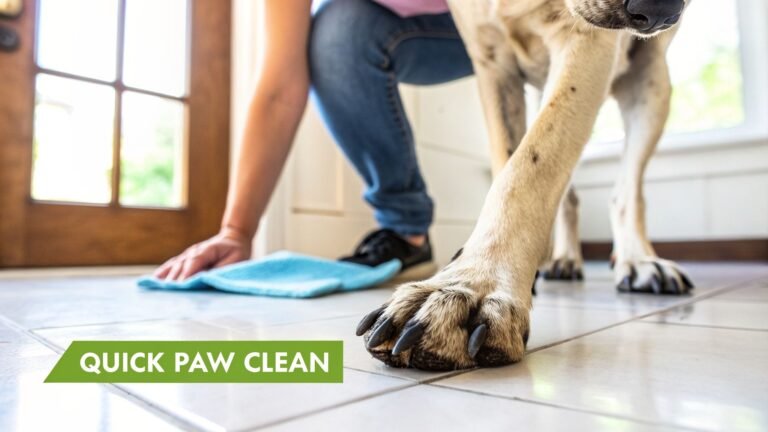
Routine paw cleaning can remove loose dirt and surface debris, but washing alone should not be considered a reliable foxtail-prevention method. A barbed grass awn that has already attached to fur or entered the skin may not be removed by ordinary rinsing.
For foxtail prevention, environmental avoidance and physical inspection are more important. If you clean your dog’s paws after a walk, still inspect between the toes and around the pads.
Useful for surface debris
Gentle cleaning can help remove ordinary dirt and some loose material.
Not a substitute for inspection
A paw should still be checked manually after exposure to foxtail-bearing vegetation.
A Practical Prevention Plan for U.S. Dog Owners
The best prevention plan is one that fits your dog’s normal routine. A city dog that walks on maintained sidewalks has a different exposure pattern from a hunting dog that regularly enters fields. Adjust the level of inspection to the dog’s environment rather than assuming every dog needs the same precautions.
For most dogs, the core routine is straightforward: avoid visible foxtail patches, maintain the feet, inspect after exposure, and act promptly if symptoms develop. Dogs that frequently enter fields or dry grass may benefit from more frequent grooming and protective footwear.
Source: germanshepherdcountry.com
Low exposure
For dogs that mostly use maintained sidewalks and lawns, monitor local grass conditions and inspect paws whenever the dog visits unmanaged vegetation.
Moderate exposure
For dogs that regularly visit parks, trails, or grassy areas, make post-walk paw inspections part of the normal routine.
High exposure
For hunting, working, hiking, or field dogs, combine route selection, paw grooming, frequent inspections, and appropriately fitted protective boots when useful.
What Success Looks Like
Effective prevention does not mean guaranteeing that a dog will never encounter a foxtail. The realistic goal is to reduce exposure and catch loose seeds before they become embedded.
A successful routine leaves your dog comfortable after outdoor activity, with no unexplained paw licking or limping, and allows you to identify and remove surface debris before it becomes a veterinary problem.
No unexplained paw irritation
Your dog returns from walks without persistent licking, limping, or localized discomfort.
Regular inspections
Paw checks happen consistently after exposure rather than only when symptoms appear.
Early veterinary attention
Suspected embedded seeds and persistent symptoms are evaluated before a minor-looking problem becomes more complicated.
Frequently Asked Questions
Q
How can I keep foxtails out of my dog’s paws?
Avoid areas with mature or dried foxtail grasses, keep paw hair maintained, and inspect the feet after outdoor activity. Pay particular attention to the spaces between the toes and around the paw pads. Protective dog boots may provide an additional barrier when exposure cannot be avoided.
Q
What time of year are foxtails most dangerous for dogs?
Foxtail risk generally increases when grasses mature and dry, often during late spring and summer in many U.S. regions. The exact season varies by climate and plant species, so observing local vegetation is more useful than relying on one nationwide date.
Q
Can dog boots prevent foxtails?
Properly fitted dog boots can reduce direct contact between the paws and foxtail-bearing vegetation, but they cannot eliminate all exposure. Grass awns can attach to the legs, coat, or other body areas, so dogs should still be checked after outdoor activity.
Q
Should I remove a foxtail from my dog’s paw myself?
If a foxtail is loose and clearly sitting on the surface, it may be possible to remove it gently. Do not dig into swollen, painful, or apparently embedded tissue. A veterinarian should evaluate suspected embedded foxtails because probing can worsen the injury or leave part of the foreign body behind.
Q
What are the signs that my dog has a foxtail in its paw?
Common warning signs include sudden or persistent limping, repeated licking of one paw, swelling between the toes, redness, tenderness, or drainage from a small wound. A sore that does not heal normally after outdoor exposure also deserves veterinary attention.
Q
Can foxtails affect dogs even if they do not walk through fields?
Yes. Foxtail-bearing grasses can occur along roadsides, yards, parks, trail edges, and other maintained or semi-maintained areas. Dogs can also pick up seeds on their coat and legs and later develop problems in other body locations.
✦ Wrapping Up
Conclusion
Preventing foxtails in dogs’ paws is primarily an exposure-control and inspection task. Avoid mature dry grasses when possible, maintain the hair around the feet, examine every paw after potentially risky outdoor activity, and consider properly fitted boots for dogs that regularly enter foxtail-prone areas.
The most important safety boundary is knowing when prevention has failed. A loose seed can often be removed without difficulty, but an embedded foxtail, swollen or painful paw, persistent limping, drainage, or a non-healing wound should be assessed by a veterinarian. Early evaluation can help prevent a small foreign-body problem from becoming a deeper infection or other complication.
💡 Key Takeaway
After every walk through tall or dry grass, spend a few minutes checking all four paws, especially between the toes. If a seed appears embedded or your dog develops persistent pain, swelling, licking, or limping, stop trying to remove it at home and contact your veterinarian.
Learn how to harden dog paw pads safely through gradual conditioning, routine inspections, proper paw care, and protection from heat, ice, chemicals, and rough terrain.
Learn how to groom a Chinese Crested dog with step-by-step instructions, skin care tips, bathing schedules, coat maintenance advice, and grooming mistakes to avoid.
Learn how to clean dog paws after walk safely and effectively. Follow simple steps to remove dirt, mud, salt, allergens, and debris while protecting your dog’s paw health.
Learn how to clean dog paws naturally using water, gentle homemade solutions, and simple grooming techniques. Keep your dog’s paws clean, healthy, and comfortable after walks.
Learn what to do when a dog’s paw swells under a bandage, how to recognize circulation problems, when to contact a veterinarian, and how to prevent a bandage from becoming too tight.