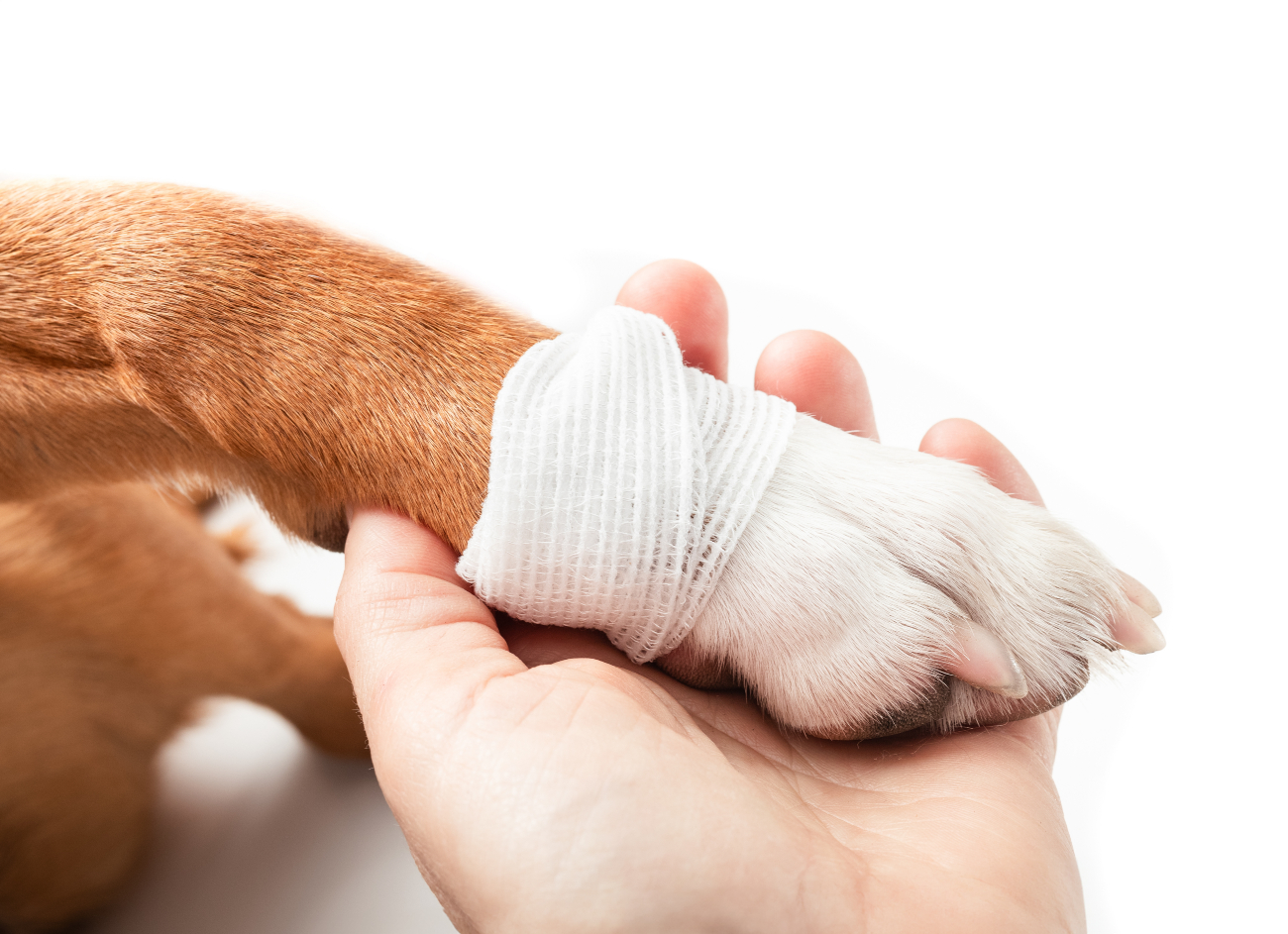
If your dog’s paw is swelling because a bandage is too tight, treat the swelling as a possible circulation problem rather than simply trying to reduce the swelling at home. Contact your veterinarian promptly for instructions about loosening, removing, or replacing the bandage. Marked swelling, color changes, cold toes, severe pain, or inability to use the leg require urgent veterinary assessment.
For dog owners in the United States, a swollen paw beneath a bandage should not be ignored or treated as ordinary inflammation. A bandage that applies excessive pressure can interfere with normal blood and fluid circulation. Veterinary guidance recommends checking a bandaged paw regularly for swelling, redness, temperature changes, discomfort, slipping, moisture, and other changes that can indicate a problem.
The safest response depends on why the paw was bandaged and who applied the bandage. If a veterinarian placed the bandage after surgery, an injury, or another medical procedure, contact that veterinary team before changing it unless they have already given you specific instructions for an emergency situation. If the swelling is substantial or the paw appears discolored, cold, very painful, or increasingly difficult for the dog to use, seek urgent veterinary care rather than attempting to manage the swelling yourself.
Source: yourvetfriend.com
Why Does a Tight Bandage Cause a Dog’s Paw to Swell?
A bandage that is too tight can compress blood vessels and soft tissues around the paw or lower leg. This may interfere with normal circulation and the movement of tissue fluid. As pressure builds, swelling can develop below the bandage, including around exposed toes.
Swelling can also have causes unrelated to the bandage, such as infection, trauma, a foreign object, an insect bite, or worsening inflammation. The timing and location of the swelling therefore matter. Swelling that appears or becomes noticeably worse after a bandage was applied is a reason to have the bandage assessed rather than assuming the original injury is simply getting worse.
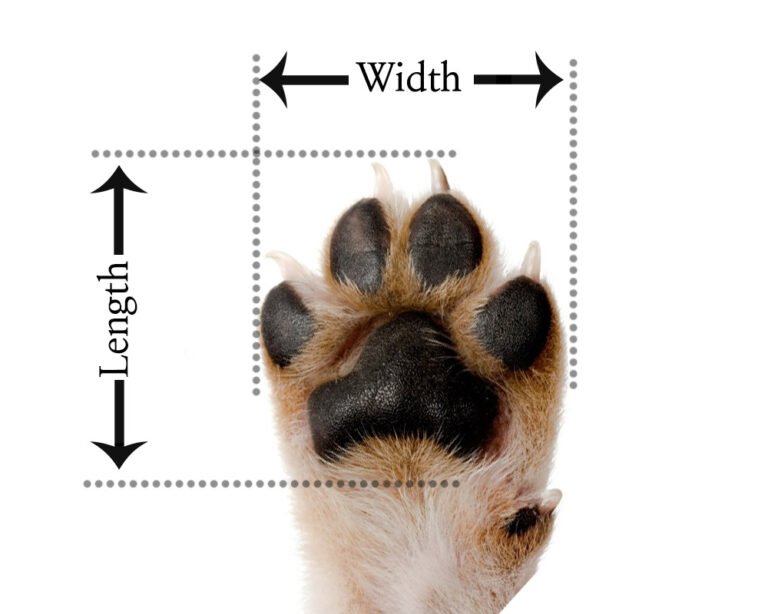
Source: fyosrlkyj.blob.core.windows.net
Swelling below the bandage
Puffy toes or tissue below the lower edge of the bandage can indicate that the wrap is interfering with circulation or fluid drainage.
Swelling above the bandage
New swelling, redness, irritation, or chafing at the upper edge can also indicate that the bandage is not fitting correctly.
Other possible causes
Infection, the original injury, a foreign object, or another paw problem can also cause swelling, so veterinary evaluation may be needed even when the bandage appears appropriate.
How Can You Tell if the Bandage Is Too Tight?
Look at any exposed toes and compare them with the unaffected paw. Swelling, redness, unusual temperature, color changes, or a widening gap between the toes can be concerning. Changes in gait, increased licking or chewing, obvious discomfort, or reluctance to put weight on the leg are also warning signs.
A healthy bandage should remain clean, dry, intact, and appropriately positioned. It should not cause new discomfort or progressive swelling. Veterinary sources commonly recommend checking a bandage at least twice daily and following the specific recheck schedule provided by the dog’s veterinarian.
Color change
Pale, bluish, purple, gray, or otherwise abnormal tissue color can signal a circulation problem and should be treated seriously.
Temperature change
Toes that become unusually cold compared with the opposite paw are concerning, particularly when combined with swelling or discoloration.
Pain or altered walking
Sudden worsening pain, persistent licking, chewing, limping, or refusal to bear weight should prompt veterinary contact.
What to Do When a Dog’s Paw Swells Under a Bandage
The first step is to stop treating the swelling as a cosmetic problem and determine whether the bandage may be causing harmful pressure. Keep your dog calm, prevent running or jumping, and contact the veterinarian who applied the bandage if one was used under veterinary care.
If the bandage was applied by a veterinary professional, do not improvise by cutting it off, rewrapping it, or adding additional layers unless the veterinary team specifically tells you to do so. The bandage may be protecting a wound, incision, fracture, or other condition that needs controlled support.
If the bandage was self-applied and the paw is becoming swollen, contact a veterinarian for guidance about whether it should be removed and how the underlying injury should be protected. Limb bandaging is easy to make too tight, and correcting the wrap without considering the original injury can create another problem.
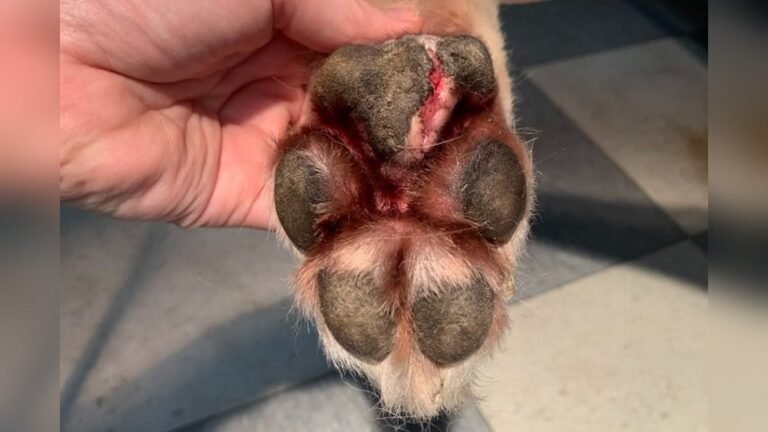
Source: pawflex.com
Contact the veterinary team
Explain when the bandage was applied, when the swelling began, whether the dog can use the leg normally, and whether the toes have changed color or temperature.
Restrict activity
Keep the dog quiet while you arrange veterinary advice. Running and jumping can worsen the underlying injury and may increase discomfort.
Prevent licking and chewing
Use a properly fitted recovery cone if necessary to prevent the dog from damaging the bandage or wound while you wait for veterinary instructions.
Keep the bandage dry
Moisture can damage the bandage and increase wound complications. If a temporary waterproof covering is used outdoors, remove it after the walk rather than leaving it around the limb.
When Is Swelling an Emergency?
Seek urgent veterinary care when swelling is accompanied by significant color or temperature changes, severe or rapidly worsening pain, major bleeding, foul-smelling discharge, substantial tissue changes, or sudden inability to use the limb. These signs can indicate compromised circulation, infection, or a more serious underlying injury.
Do not wait for the swelling to resolve on its own when the paw appears poorly perfused or the dog is in substantial distress. A veterinary professional can determine whether the bandage needs immediate adjustment or removal and whether the paw or original injury requires additional treatment.
Cold or discolored toes
Cold, pale, bluish, purple, or gray toes are especially concerning when they are different from the unaffected paw.
Rapidly increasing swelling
Swelling that is progressing rather than stabilizing should be evaluated promptly.
Severe pain or inability to walk
Marked discomfort, sudden lameness, or refusal to bear weight can indicate a significant bandage complication or worsening injury.
Discharge or foul odor
Blood, discharge, moisture, or an unpleasant odor coming from or through a bandage can indicate a wound or bandage problem requiring veterinary attention.
What Not to Do for a Swollen Paw Under a Tight Bandage
Trying to force the swelling down before addressing the source of pressure can delay appropriate treatment. The priority is to determine whether the bandage is restricting circulation and to obtain veterinary guidance about the correct next step.
Avoid home treatments that could interfere with the wound or obscure important symptoms. Human pain relievers and anti-inflammatory medicines should not be given to dogs unless a veterinarian specifically prescribes or recommends them for that dog.
Source: storage.googleapis.com
Do not massage the swollen paw aggressively
Manipulating a painful or poorly perfused paw can worsen discomfort and does not correct excessive bandage pressure.
Do not apply ice directly to the paw
Cold treatment is not a substitute for correcting a potentially restrictive bandage and can complicate assessment of tissue temperature and circulation.
Do not give human medications
Some human pain and anti-inflammatory medicines can be toxic to dogs. Use only medications directed by a veterinarian.
Do not add another tight layer
Adding padding or an outer wrap without veterinary direction can increase pressure rather than relieve it.
Do not ignore worsening symptoms
Increasing swelling, color change, cold tissue, severe pain, or worsening lameness should trigger prompt veterinary assessment.
Why You Should Not Simply Wait for the Swelling to Go Down
Swelling caused by external compression can become a self-worsening problem if pressure continues. The longer a circulation problem persists, the greater the concern for tissue injury. That is why veterinary guidance emphasizes monitoring the exposed toes and contacting the veterinary team when swelling or color changes develop.
The bandage may be the problem
If excessive pressure is contributing to the swelling, waiting without addressing the bandage does not remove the underlying cause.
The original injury may also be changing
A wound or other paw injury can become infected or more inflamed, so a swollen paw still needs evaluation when symptoms do not quickly improve.
How to Prevent a Dog Paw Bandage From Becoming Too Tight
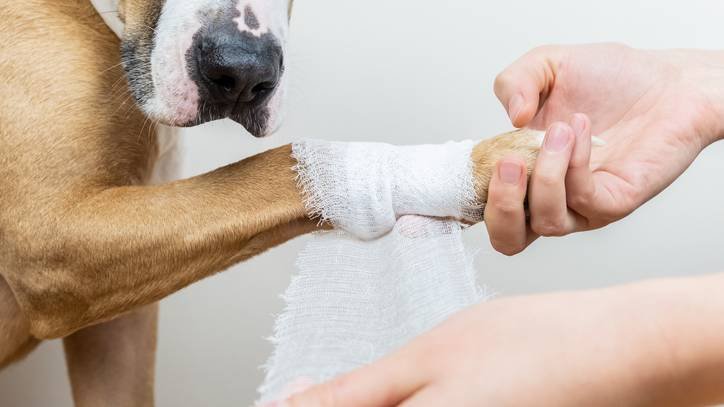
Prevention starts with proper application and frequent monitoring. Veterinary professionals use layered bandages designed to protect the wound, provide padding, and hold the dressing in place. A limb bandage should not be applied with excessive compression.
For dogs already under veterinary care, follow the clinic’s instructions for bandage changes and rechecks rather than relying on a generic schedule. If a bandage becomes wet, dirty, displaced, excessively tight, or excessively loose, contact the veterinary team for advice.
Source: purelypetsinsurance.co.uk
Follow the prescribed recheck schedule
The appropriate timing depends on the injury, procedure, wound condition, and type of bandage.
Check at least twice daily
Inspect the bandage for slipping, moisture, soiling, damage, swelling, redness, and other changes unless your veterinarian has instructed you to monitor it more frequently.
Compare both paws
The unaffected paw provides a useful reference for changes in toe size, color, temperature, and general appearance.
Keep outdoor coverings temporary
A waterproof outer covering can protect a bandage during a brief outdoor trip, but it should be removed afterward so moisture and additional pressure are not trapped around the limb.
What Does a Properly Monitored Bandage Look Like?
A properly monitored bandage stays clean, dry, intact, and in its intended position. The exposed toes should not progressively swell or develop abnormal color or temperature. The dog should also remain reasonably comfortable and use the limb according to the expectations set by the veterinary team.
Take a baseline photograph when the bandage is first applied if your veterinarian permits it. Comparing later photographs with the baseline can make subtle changes easier to recognize, particularly when swelling develops gradually.
Clean and dry
Moisture, dirt, blood, or discharge can indicate that the bandage needs professional assessment or replacement.
Stable position
A bandage that slips can expose the wound, create pressure in the wrong location, or lose its protective function.
Normal-looking exposed tissue
Exposed toes should remain similar in appearance and temperature to the unaffected paw rather than becoming increasingly swollen or discolored.
When to Call a Veterinarian About a Swollen Dog Paw
Veterinary advice is appropriate whenever a bandaged paw develops new or worsening swelling, particularly if the swelling appears below the bandage or is accompanied by discomfort. A veterinarian can determine whether the problem is excessive compression, worsening injury, infection, or another condition.
Urgent assessment is especially important when the dog has abnormal tissue color or temperature, severe pain, significant lameness, rapidly increasing swelling, substantial discharge or bleeding, or other signs of compromised circulation. These problems should not be managed by repeatedly rewrapping the paw at home.
Source: articles.hepper.com
Call promptly
Contact your veterinary clinic for new swelling, redness, irritation, slipping, wetness, foul odor, increased discomfort, or changes in how the dog uses the limb.
Seek urgent care
Go to an urgent or emergency veterinary facility for severe pain, major tissue color or temperature changes, rapidly worsening swelling, significant bleeding, or sudden inability to use the limb.
Bring the bandage history
Tell the veterinarian when the bandage was placed, who placed it, why it was needed, when swelling started, and what changes you observed.
Could the Swelling Be From Something Other Than the Bandage?
Yes. A swollen paw can result from the original trauma, infection, a foreign object between the toes, an insect sting, a damaged nail, a burn, or another inflammatory condition. If the swelling persists after a bandage has been appropriately addressed, the underlying cause needs veterinary evaluation rather than repeated attempts to reduce swelling at home.
Persistent swelling
Swelling that does not improve after the bandage issue has been addressed should be assessed for an underlying injury or disease.
Paw wound complications
Foul odor, discharge, worsening redness, increasing pain, or failure of a wound to improve can indicate infection or another complication.
How to Care for the Paw After the Bandage Problem Is Resolved
Once a veterinarian has determined that the bandage no longer needs to be adjusted or replaced, continue following the treatment plan for the original paw problem. Some wounds need continued protection, while others may be better left uncovered under veterinary supervision.
Keep the dog from licking or chewing the affected area. A recovery cone may be necessary because repeated licking can damage healing tissue and contaminate a wound. Continue restricting activity if the veterinarian recommends it, particularly when the paw injury could reopen with running or jumping.
Do not apply household antiseptics, creams, essential oils, or other wound products unless your veterinarian recommends them. For many wounds, veterinary guidance favors gentle cleansing with appropriate materials rather than harsh products that can delay healing.
Source: pawflex.com
Follow medication instructions
Give only medications prescribed or specifically recommended by the veterinarian and follow the stated dose and schedule.
Prevent self-trauma
Use a properly fitted recovery cone when necessary to prevent licking or chewing.
Limit strenuous activity
Avoid running, jumping, and other activities that could reopen or aggravate the injury until the veterinary team says normal activity is appropriate.
What If the Paw Swells Again After a New Bandage?
Treat recurrent swelling as a reason to contact the veterinary team rather than repeatedly adjusting the wrap yourself. The veterinarian may need to reassess the wound, change the bandage design, alter the dressing schedule, or investigate another cause of swelling.
Document the change
A photograph and a description of when the swelling began can help the veterinary team understand the pattern.
Do not keep tightening the wrap
Repeatedly tightening a slipping bandage can increase pressure and make the problem worse.
Frequently Asked Questions
Q
How long does swelling from a tight dog bandage take to go down?
There is no safe universal time frame. Swelling may improve after excessive pressure is corrected, but persistent or worsening swelling can indicate circulation problems, infection, or an underlying injury. If the paw is swollen under a bandage, contact a veterinarian rather than waiting for a specific number of hours.
Q
Should I remove a tight bandage from my dog’s paw?
If a veterinarian applied the bandage, contact that veterinary team for instructions before removing or changing it unless they have already provided specific emergency directions. A bandage may be protecting a wound, incision, fracture, or other injury. If circulation appears compromised or the dog is in severe distress, seek urgent veterinary care.
Q
Can I massage my dog’s swollen paw to reduce the swelling?
Do not aggressively massage a swollen paw that may be affected by a tight bandage. Massage does not correct external compression and could increase discomfort. The priority is veterinary assessment of the bandage and circulation.
Q
Can I give my dog ibuprofen or another human anti-inflammatory for swelling?
Do not give ibuprofen or other human pain relievers or anti-inflammatory drugs unless a veterinarian specifically directs you to use a particular medication and dose. Some human medicines can be dangerous or toxic to dogs.
Q
What should healthy exposed toes look like under a dog bandage?
Exposed toes should not become progressively swollen, unusually cold, or abnormally colored. Compare them with the unaffected paw and watch for changes in gait, discomfort, licking, or chewing. Any concerning change should be reported to the veterinary team.
✦ Wrapping Up
Conclusion
The safest way to reduce swelling caused by a tight bandage on a dog’s paw is to address the possible source of excessive pressure rather than trying to treat the swelling alone. New swelling under a bandage can indicate impaired circulation, while persistent swelling can also signal infection or worsening of the original injury.
Monitor the paw closely, keep your dog calm, prevent licking or chewing, and contact the veterinarian responsible for the bandage. Seek urgent veterinary care when swelling is rapidly worsening or accompanied by abnormal color or temperature, severe pain, major bleeding, discharge, or inability to use the limb.
💡 Key Takeaway
If your dog’s paw is swollen under a bandage right now, contact your veterinarian promptly and describe the swelling, toe color and temperature, pain level, and ability to bear weight. Do not give human medication or repeatedly tighten or rewrap the bandage without veterinary guidance.
Learn how to clean dog paws after walk safely and effectively. Follow simple steps to remove dirt, mud, salt, allergens, and debris while protecting your dog’s paw health.
Learn why your dog’s paws may be peeling, from dry skin and allergies to burns, irritation, infection, and hyperkeratosis, plus safe care and vet warning signs.