To treat rough dog paw pads, clean the paws, moisturize with a dog-safe balm, reduce exposure to harsh surfaces, and monitor for cracks, pain, or infection.
Across the United States, dogs regularly walk on hot pavement, icy sidewalks, gravel trails, and dry indoor flooring. These conditions can cause paw pads to become rough, thick, or cracked. Mild roughness is often normal, but excessive dryness can lead to discomfort and injury.
Understanding how to treat rough dog paw pads helps prevent deeper cracks and keeps your dog comfortable during daily activities. Most cases improve with consistent moisturizing, paw protection, and environmental adjustments, while severe symptoms may require veterinary care.
Source: media-be.chewy.com
What Causes Rough Dog Paw Pads?
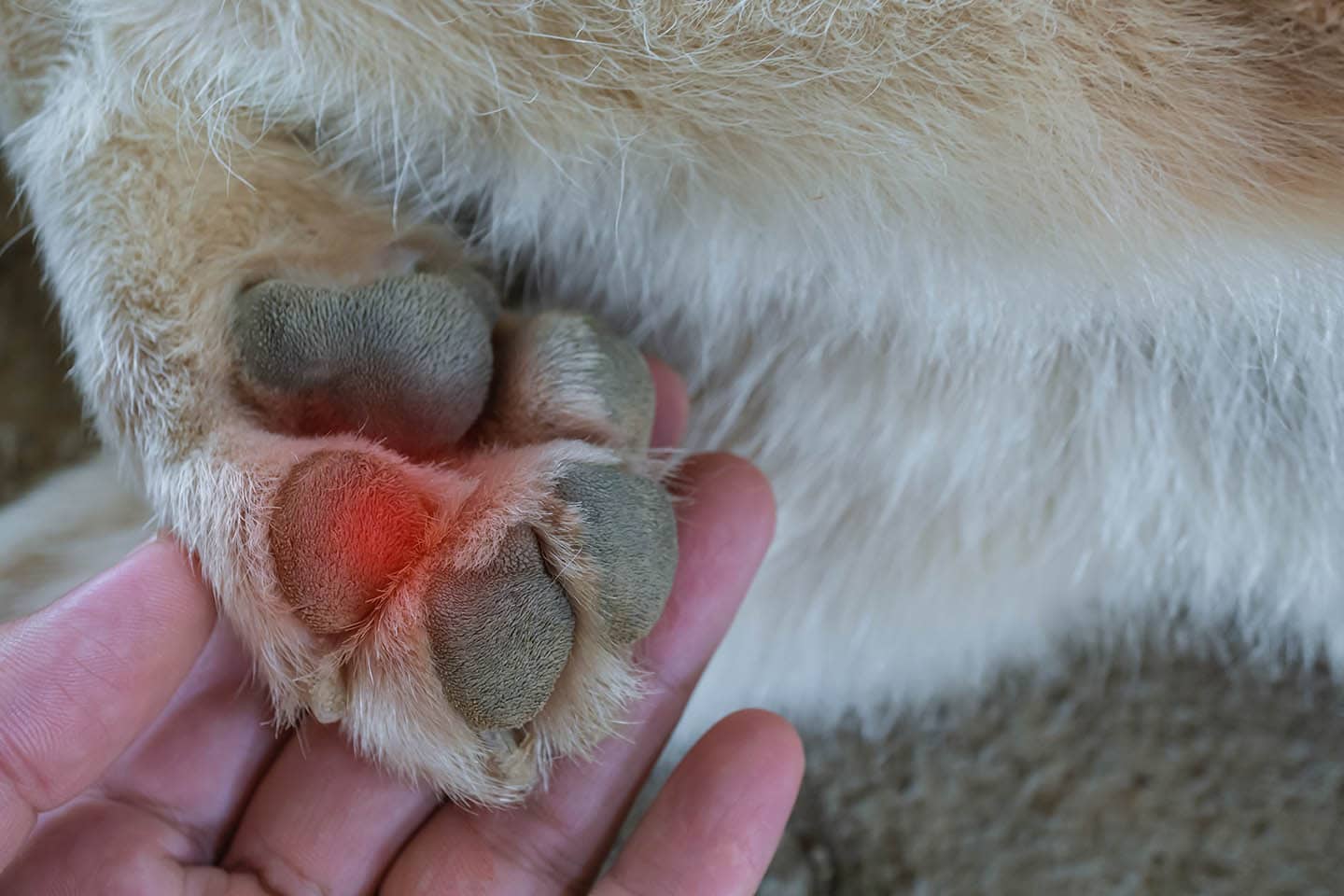
Dog paw pads naturally develop a durable outer layer that protects the feet from everyday wear. However, environmental stress, age, health conditions, and excessive friction can make paw pads unusually rough.
Identifying the cause is important because treatment works best when both the symptoms and the underlying trigger are addressed.
Source: yourdogadvisor.com
Hot Surfaces
Summer pavement and concrete can dry and damage paw pads.
Cold Weather
Ice, snow, and de-icing products may irritate and dehydrate the skin.
Rough Terrain
Frequent exposure to gravel, rocks, and abrasive surfaces increases wear.
Medical Conditions That Can Affect Paw Pads
Some dogs develop excessive paw pad thickening due to conditions such as hyperkeratosis, allergies, autoimmune disorders, or nutritional deficiencies. These situations often require veterinary evaluation.
Hyperkeratosis
A condition that causes excess keratin buildup and thick, rough pads.
How to Treat Rough Dog Paw Pads at Home
Most mild cases respond well to basic home care. The goal is to restore moisture, reduce irritation, and prevent further damage.
Treatment should be gentle and consistent. Avoid products designed for humans unless specifically approved by a veterinarian.
Source: cdn.shopify.com
Clean the Paws
Wash away dirt, salt, and debris with lukewarm water.
Dry Thoroughly
Moisture trapped between the toes can contribute to irritation.
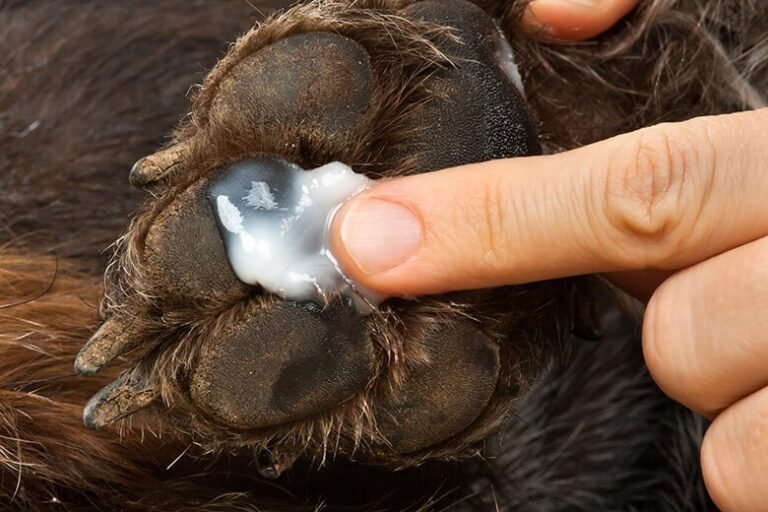
Apply Paw Balm
Use a dog-safe moisturizer daily until the pads feel healthier.
Signs the Treatment Is Working
Healthy paw pads become more flexible, less flaky, and less likely to crack. Dogs may also show improved comfort when walking.
Improved Texture
Pads feel smoother and less brittle over time.
Step-by-Step Routine for Softening Rough Paw Pads
A structured care routine often produces better results than occasional treatment. Consistency matters more than using large amounts of moisturizer.
Many dogs benefit from a simple daily and weekly maintenance schedule.
Source: cdn11.bigcommerce.com
Daily
Inspect paws and apply a thin layer of paw balm.
After Walks
Remove debris and rinse off chemicals or salt.
Weekly
Check for cracks, redness, swelling, or unusual growth.
When Moisturizers Are Not Enough
If roughness continues despite regular care, underlying conditions such as allergies or hyperkeratosis may be contributing to the problem.
Persistent Symptoms
Seek veterinary advice when improvement is limited.
Protecting Paw Pads From Future Damage
Prevention is often easier than treatment. Protective measures can reduce wear and help maintain healthy paw pads year-round.
Dogs that hike frequently or spend time on challenging surfaces may require extra protection.
Source: hepper.com
Avoid Extreme Temperatures
Test pavement and outdoor surfaces before walks.
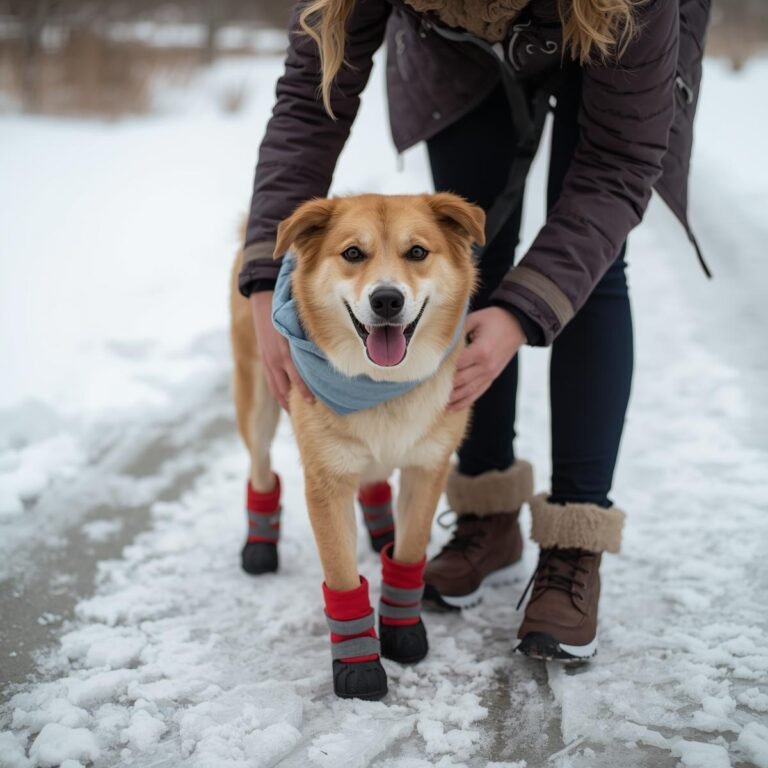
Use Dog Boots
Boots can reduce exposure to rough terrain and weather extremes.
Maintain Hydration
Proper hydration supports overall skin health.
Seasonal Considerations
Summer heat and winter salt are among the most common seasonal causes of paw pad irritation in the United States.
Winter Care
Rinse paws after exposure to snow and road salt.
When to Contact a Veterinarian
Some rough paw pad cases require professional care. Deep cracks, bleeding, limping, or signs of infection should not be treated solely at home.
Veterinarians can diagnose underlying conditions and recommend targeted treatment plans.
Source: iheartdogs.com
Bleeding
Open wounds increase the risk of infection.
Pain or Limping
These signs may indicate deeper tissue damage.
Excessive Thickening
Persistent keratin buildup may indicate hyperkeratosis.
Symptoms That Need Prompt Attention
Swelling, pus, foul odor, severe redness, or sudden changes in paw appearance should be evaluated by a veterinarian.
Possible Infection
Prompt treatment can prevent complications.
Frequently Asked Questions
Q
Are rough dog paw pads normal?
Some roughness is normal because paw pads are designed to protect the feet. However, excessive dryness, cracking, or pain may indicate a problem that needs treatment.
Q
Can I use human lotion on my dog’s paws?
Human lotions are generally not recommended because they may contain ingredients that are unsafe if licked. Use products specifically formulated for dogs.
Q
How long does it take for rough paw pads to improve?
Mild cases may improve within a few days to a few weeks with consistent care. Severe cases can take longer, especially if an underlying condition is present.
Q
What is paw pad hyperkeratosis?
Paw pad hyperkeratosis is a condition that causes excess keratin buildup, leading to thick, rough, and sometimes cracked paw pads.
Q
Should dogs wear boots for protection?
Boots can help protect paws from hot pavement, ice, salt, and rough terrain. They are especially useful for dogs that spend significant time outdoors.
✦ Wrapping Up
Conclusion
Learning how to treat rough dog paw pads starts with identifying the cause, restoring moisture, and preventing additional damage. Most mild cases improve with regular cleaning, dog-safe moisturizers, and protection from harsh surfaces.
Monitor your dog’s paws routinely and seek veterinary guidance when roughness is accompanied by pain, bleeding, infection, or severe thickening.
💡 Key Takeaway
Inspect your dog’s paws today, apply a dog-safe paw balm if needed, and address environmental causes before roughness progresses into painful cracks.
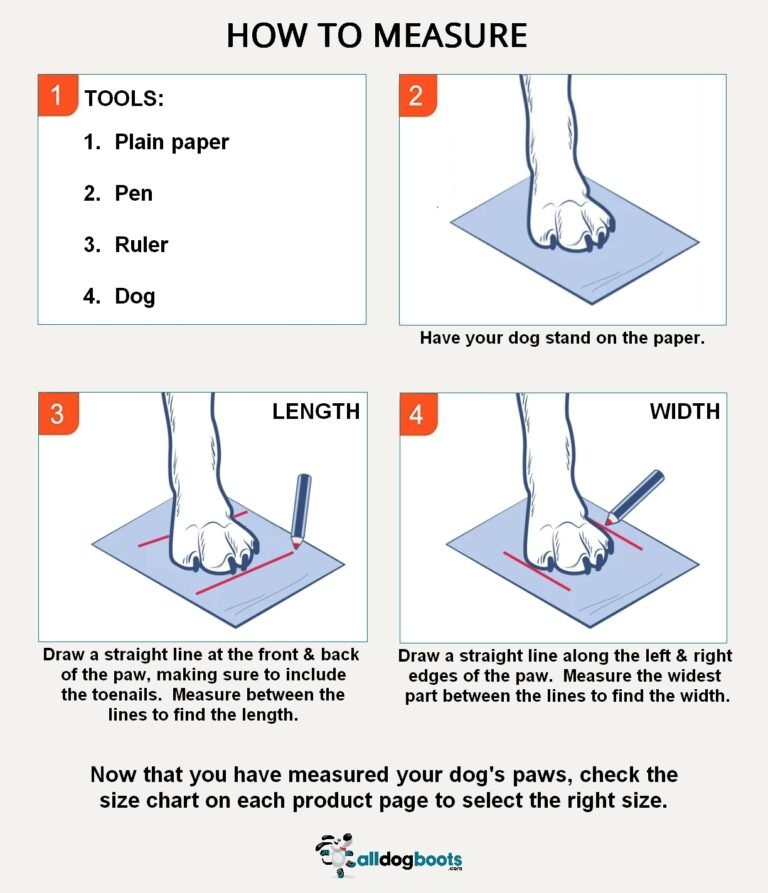
Learn how to measure dog paws for boots accurately using simple household supplies, how to choose the right size, and how to check the fit before walks.
Learn how to treat cracked dog paws safely at home. Discover common causes, step-by-step treatment, prevention tips, and signs that require veterinary care.
Learn how to keep dog paws warm in snow with proven winter paw care strategies, protective gear, grooming tips, and safety advice for cold-weather walks.
Learn how to treat a dog paw pad injury safely, including cleaning, bleeding control, bandaging, burn care, healing signs, and when veterinary treatment is needed.