Clean the paw, control bleeding, protect the wound, and limit activity while healing.
Across the United States, dogs commonly develop raw paw pads from hot pavement, rough hiking trails, excessive running, ice, road salt, or minor injuries. Prompt treatment can reduce pain, lower the risk of infection, and help the paw heal more comfortably.
Understanding how to treat raw dog paws starts with identifying the cause of the injury, cleaning the affected area safely, and preventing additional damage. Mild cases can often improve with proper home care, while severe wounds, infections, or persistent limping require veterinary attention.
Source: storage.googleapis.com
What Are Raw Dog Paws?
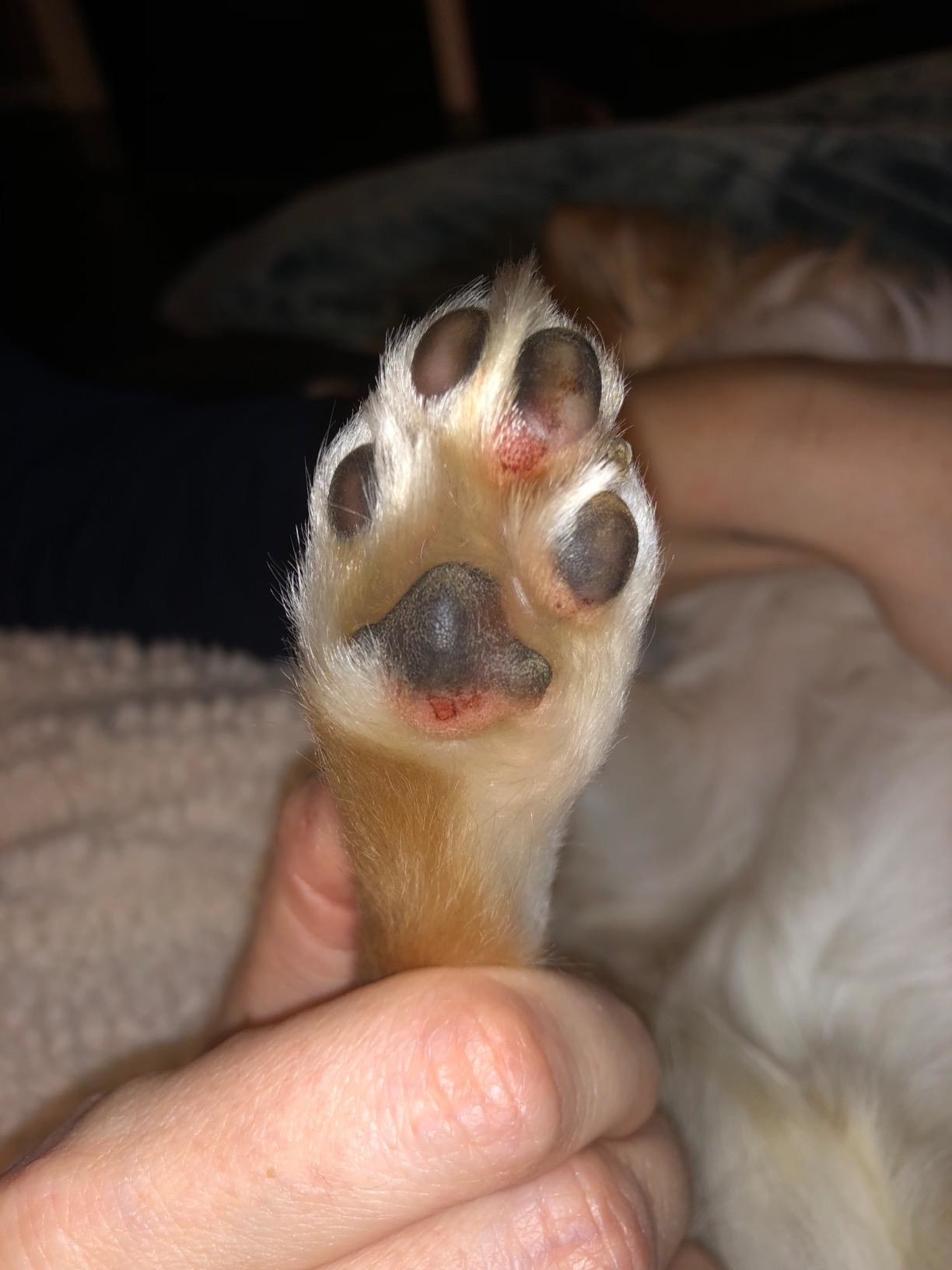
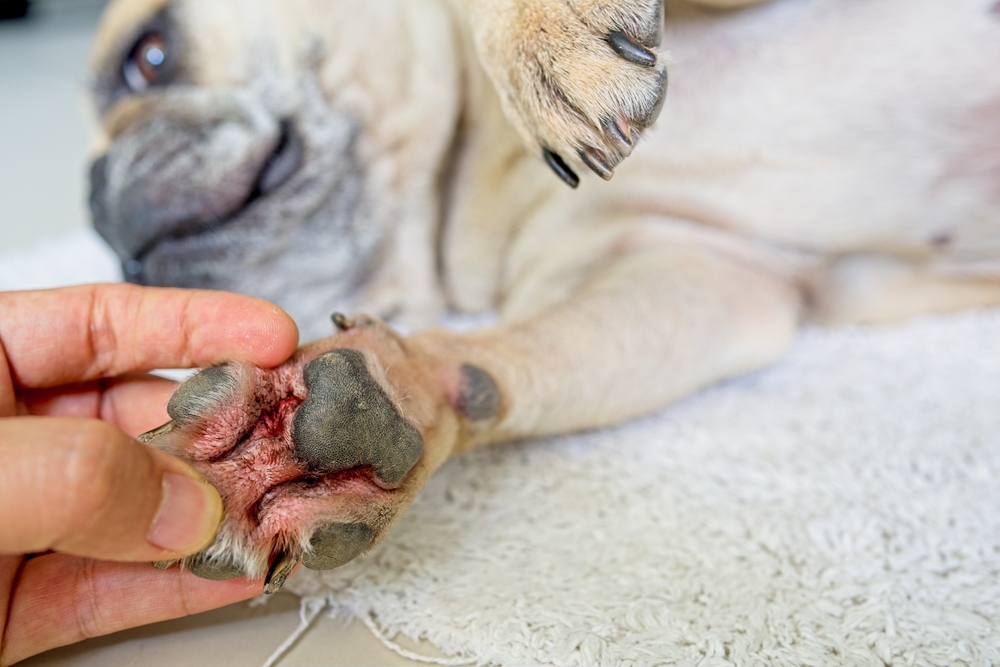
Raw dog paws occur when the outer layer of a paw pad becomes worn, scraped, burned, cracked, or injured. The damage exposes sensitive tissue underneath, making walking painful.
Paw pads normally act as protective cushions. When this protective surface is damaged, dogs may limp, lick their feet excessively, avoid walking, or show signs of discomfort.
Source: storage.googleapis.com
Common symptom
Red, irritated, or worn paw pad surfaces.
Possible discomfort
Limping, licking, or reluctance to walk.
Healing importance
Prompt care helps reduce infection risk and pain.
Common Causes of Raw Paw Pads
Frequent causes include running on abrasive surfaces, hot pavement burns, winter ice exposure, rough terrain, cuts from sharp objects, allergic irritation, and excessive licking.
Environmental causes
Heat, cold, salt, gravel, and rough trails.
Physical injuries
Cuts, scrapes, punctures, and friction burns.
How to Treat Raw Dog Paws Step by Step
The safest approach is to clean the paw, inspect the injury, control bleeding if present, and protect the area while healing occurs.
Most minor paw pad abrasions improve when further irritation is prevented and the dog is given time to rest.
Source: storage.googleapis.com
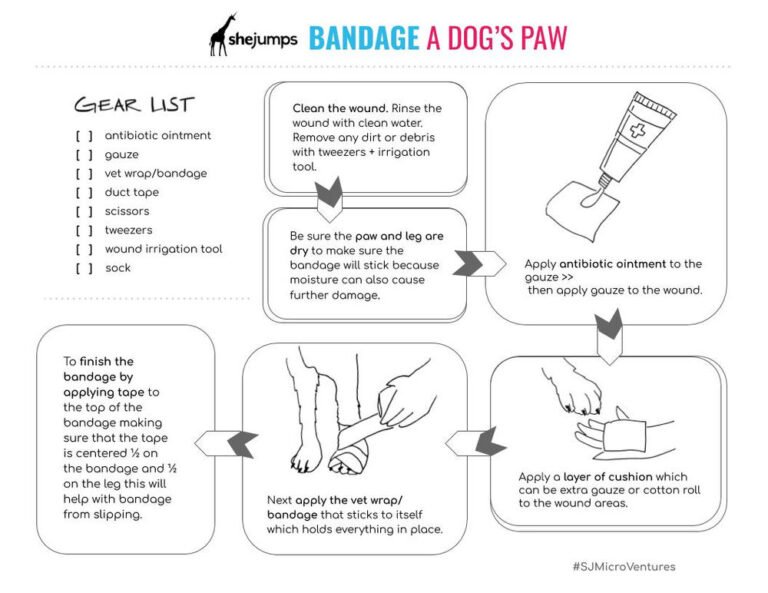
Step 1
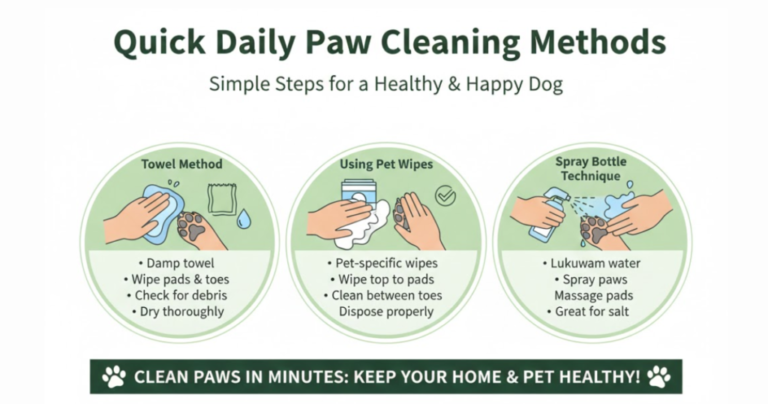
Rinse the paw with lukewarm water to remove dirt and debris.
Step 2
Check for glass, splinters, thorns, or embedded objects.
Step 3
Apply gentle pressure if bleeding is present.
Step 4
Use a clean bandage if recommended and keep the paw dry.
Signs Treatment Is Working
Healing paws usually show less redness, reduced licking, improved comfort while walking, and gradual formation of healthy new pad tissue.
Improved mobility
The dog walks more normally each day.
What to Put on Raw Dog Paws
After cleaning, a veterinarian-approved paw balm or protective moisturizer may help maintain hydration and support comfort during recovery.
Avoid applying human medications, essential oils, or products not intended for dogs unless specifically recommended by a veterinarian.
Source: medikurin.com
Helpful products
Dog-safe paw balms and protective paw waxes.
Avoid
Unknown creams, alcohol-based products, and harsh chemicals.
Should You Bandage the Paw?
A light protective bandage can help prevent contamination and excessive licking, but it should not be applied too tightly. Change bandages regularly and monitor circulation.
Check daily
Inspect for moisture, odor, or swelling.
When Home Treatment Is Not Enough
Some paw injuries require professional care. Deep cuts, puncture wounds, severe burns, and infected wounds can worsen without veterinary treatment.
Dogs that refuse to bear weight on a paw or continue limping after several days should be examined by a veterinarian.
Source: storage.googleapis.com
Emergency signs
Heavy bleeding, exposed tissue, or severe swelling.
Infection signs
Pus, foul odor, increasing redness, or fever.
Possible Veterinary Treatments
Treatment may include wound cleaning, prescription medications, protective dressings, pain management, or treatment for underlying conditions.
Professional assessment
Identifies hidden injuries and infection risks.
How to Prevent Raw Dog Paws in the Future
Prevention focuses on reducing exposure to harsh surfaces, maintaining healthy paw pads, and inspecting feet regularly after outdoor activities.
Many paw injuries are avoidable when owners monitor environmental conditions and address minor irritation early.
Source: detroitchinatown.org
Avoid hot pavement
Walk during cooler parts of the day.
Use paw protection
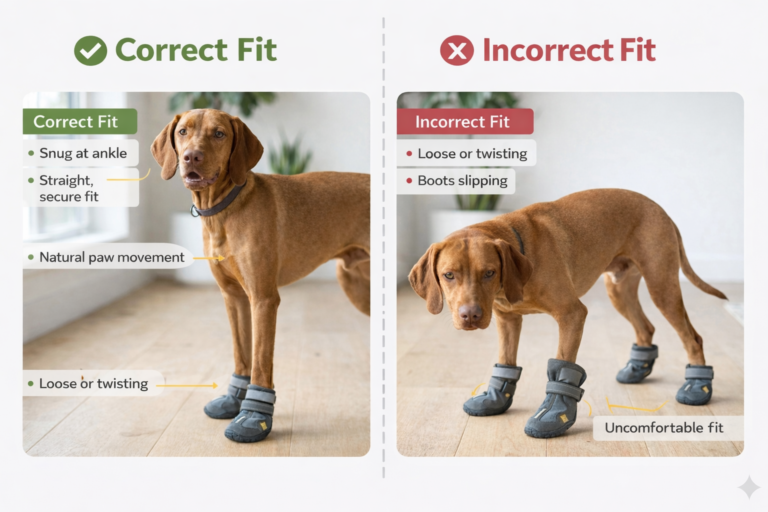
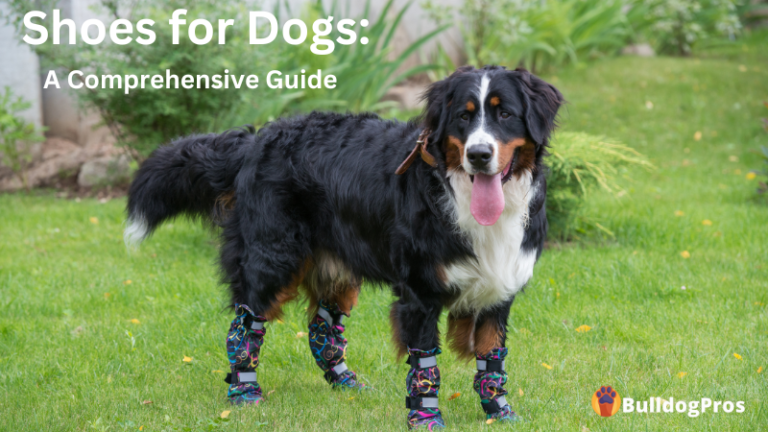
Consider dog boots for rough terrain or extreme weather.
Routine inspections
Check paws after hikes, runs, and outdoor play.
Paw Care Maintenance Checklist
Keep nails trimmed, remove debris between toes, moisturize dry pads when appropriate, and monitor for early signs of cracking or irritation.
Weekly check
Inspect paw pads for damage and dryness.
Frequently Asked Questions
Q
How long do raw dog paws take to heal?
Minor abrasions may improve within several days, while more significant injuries can require several weeks. Healing time depends on the depth of the damage and whether the paw is protected from further irritation.
Q
Can I walk my dog with raw paws?
Exercise should be limited until the paw begins healing. Short bathroom breaks are usually safer than long walks, especially on rough or hot surfaces.
Q
Should I let my dog lick a raw paw?
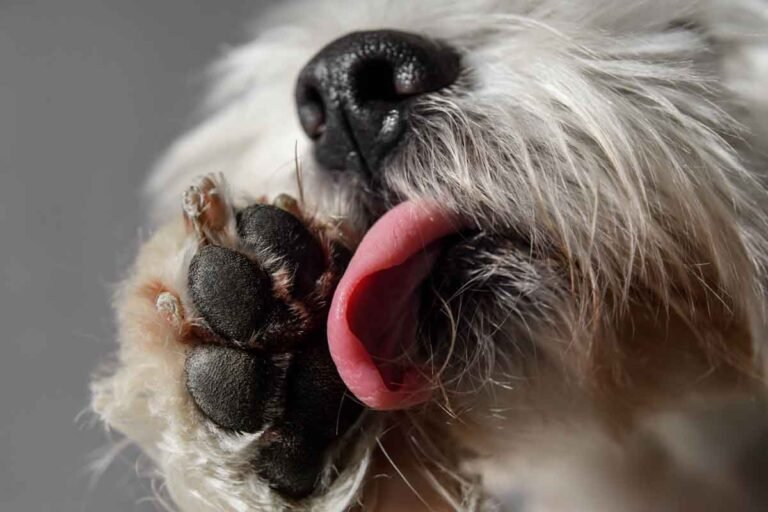
Excessive licking can delay healing and increase irritation. Protective measures may be necessary if licking becomes persistent.
Q
Can raw paw pads become infected?
Yes. Damaged tissue can allow bacteria to enter the wound. Watch for swelling, discharge, worsening redness, or unpleasant odors.
Q
When should I call a veterinarian?
Contact a veterinarian if the wound is deep, bleeding heavily, appears infected, causes severe limping, or fails to improve after appropriate home care.
✦ Wrapping Up
Conclusion
Knowing how to treat raw dog paws can help prevent complications and support a faster recovery. The most important steps are cleaning the paw, protecting the damaged tissue, limiting activity, and monitoring for signs of infection.
While many minor paw injuries heal with careful home management, severe wounds and persistent symptoms require professional veterinary evaluation. Early attention often leads to better outcomes and greater comfort for your dog.
💡 Key Takeaway
Inspect the injured paw today, clean it gently, prevent further irritation, and seek veterinary care if healing does not progress normally.
Learn how to safely bandage a dog paw for a broken nail, control bleeding, protect the nail bed, avoid common bandaging mistakes, and know when to see a U.S. veterinarian.
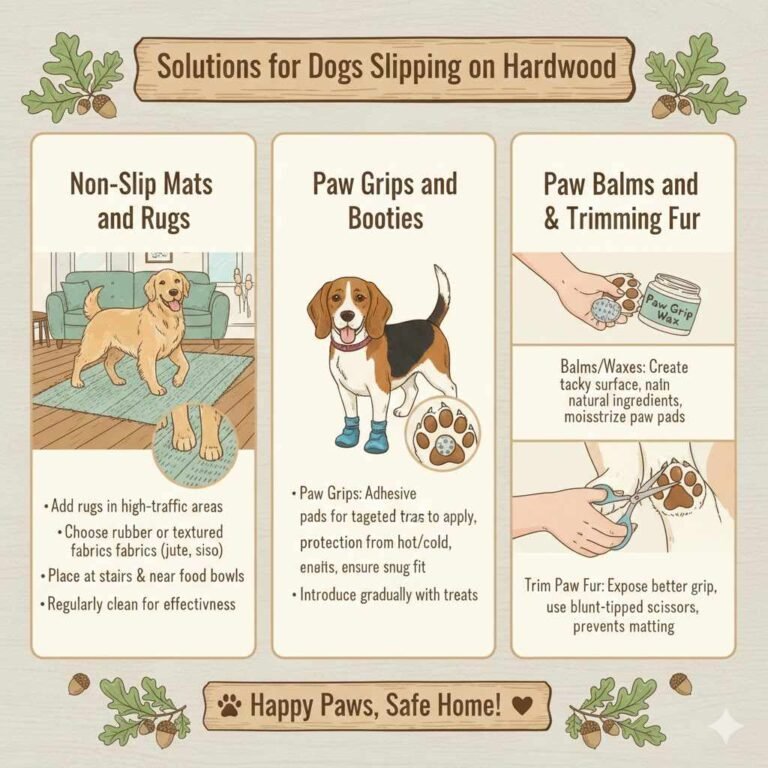
Learn how to stop dogs paws from slipping on hardwood, tile, and other smooth floors with proven traction tips, paw care, grip products, and home adjustments.