For a broken dog nail, first control bleeding with gentle direct pressure, then protect the injured nail with a clean, nonstick dressing and a loose paw bandage only when appropriate. A broken nail often exposes the sensitive quick, so the damaged nail should usually be evaluated by a veterinarian rather than aggressively trimmed at home.
In the United States, a broken dog nail is a common reason for sudden limping, paw lifting, or visible bleeding. The nail contains a sensitive inner structure called the quick, which contains nerves and blood vessels. When a nail cracks deeply or tears away, the exposed tissue can be painful and vulnerable to contamination.
A temporary bandage can help protect the nail while you arrange veterinary care, but it does not repair the broken nail. Veterinary guidance recommends controlling bleeding, protecting the nail bed, restricting activity, and having the damaged portion professionally assessed when the break is substantial, painful, or close to the base of the nail.
The safest approach is to treat a home bandage as temporary first aid. Do not make the wrap tight, do not force a painful dog to cooperate, and do not give human pain medication unless a veterinarian specifically tells you to do so.
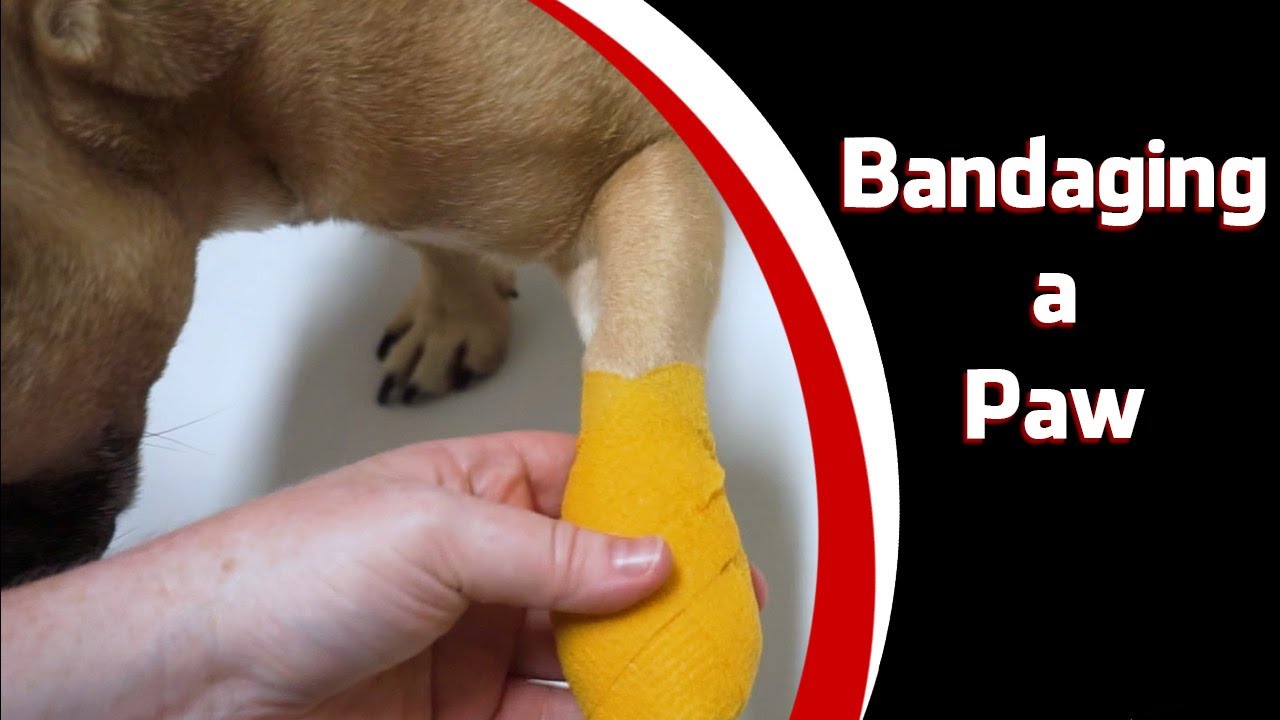
Source: www.youtube.com > Vet in a Van – Pet Advice
What You Need Before Bandaging a Broken Dog Nail
Gather clean supplies before handling the injured paw. Having everything ready reduces the time your dog must tolerate manipulation of a painful toe.
For temporary protection, use clean gauze, a nonstick wound dressing if available, and a self-adhering veterinary wrap or other appropriate bandage material. A clean towel can be useful for applying initial pressure when the nail is bleeding.
If your dog is painful or frightened, do not force the procedure. Dogs can bite when they are hurt, even if they are normally gentle. Having another adult calmly help with restraint can make the process safer.
Source: www.pinterest.com
Clean dressing material
Place a clean nonstick dressing or sterile gauze over the injured area so the outer wrap does not directly adhere to exposed tissue.
Self-adhering wrap
A veterinary cohesive wrap can provide gentle protection, but it should never be pulled tightly around the paw.
Bleeding-control material
A veterinary styptic product can help control nail bleeding. If bleeding is significant or persistent, veterinary care is more appropriate than repeatedly manipulating the nail.
A second person when possible
One person can calmly stabilize the dog while the other handles the paw, reducing sudden movement and the risk of a bite.
When You Should Not Bandage the Paw Yourself
Do not rely on a home bandage when the nail is torn close to its base, hanging on by a substantial piece, severely contaminated, associated with a deep paw wound, or causing intense pain. These situations may require veterinary trimming, cleaning, pain control, or other treatment.
If the dog cannot safely be handled, stop rather than wrestling with the paw. Veterinary professionals have appropriate restraint and pain-management options.
Persistent bleeding
Seek veterinary advice if bleeding does not settle after sustained direct pressure or repeatedly starts again.
Severe pain
A dog that cries, snaps, repeatedly withdraws the paw, or cannot settle may need professional assessment rather than continued home treatment.
Suspected deeper injury
Swelling, marked lameness, an abnormal-looking toe, or an injury extending beyond the nail can indicate a problem requiring veterinary examination.
How to Bandage a Dog Paw for a Broken Nail
The safest sequence is to control bleeding, protect the injured nail, apply a loose protective wrap, and arrange veterinary care when the injury is more than a superficial split.
Start by keeping your dog calm and limiting movement. If the nail is bleeding, hold clean gauze or a clean towel against the nail with steady, gentle pressure. Avoid repeatedly lifting the dressing to check the wound because this can disrupt clot formation.
Once bleeding is controlled, place a clean nonstick dressing over the injured nail. The dressing should cover the affected area without pressing directly into exposed tissue.
Wrap the paw with a self-adhering bandage material from the paw area upward, using gentle and even tension. The purpose is protection, not compression. Do not stretch cohesive wrap aggressively as you apply it.
If the dog has exposed toes, monitor them closely after wrapping. The toes should not become swollen, unusually cold or hot, discolored, or increasingly painful. A slipping, wet, dirty, or overly tight bandage needs prompt attention.
A paw bandage should be considered temporary unless your veterinarian has provided specific instructions for continued bandage care. Broken nails frequently need assessment because the exposed quick is connected to deeper structures and can become infected.
Source: pawflex.com
Step 1: Restrain safely
Have another adult calmly hold the dog if possible. Stop if the dog becomes highly distressed or attempts to bite.
Step 2: Control bleeding
Apply steady direct pressure with clean gauze or a clean towel. A veterinary styptic product may be used according to its directions for nail bleeding.
Step 3: Protect the nail
Cover the injured nail with clean, nonstick dressing material rather than wrapping adhesive material directly against the exposed nail bed.
Step 4: Apply the outer wrap
Use a self-adhering veterinary wrap with light, even tension. Never make the wrap tight enough to restrict circulation.
Step 5: Restrict activity
Keep your dog quiet and limit running, jumping, and rough play while the nail is injured.
Step 6: Arrange veterinary assessment
Contact your veterinarian, especially when the nail is deeply broken, partially torn off, painful, contaminated, or repeatedly bleeding.
How Tight Should a Dog Paw Bandage Be?
A dog paw bandage should be secure enough to stay in place but loose enough to avoid restricting circulation. Tightness is one of the most important risks of home bandaging because excessive pressure can cause swelling, discomfort, tissue damage, or impaired blood flow.
Check the toes and the area above the bandage regularly. Swelling, redness, unusual temperature, worsening pain, discharge, foul odor, or a bandage that has slipped can indicate a problem and warrants prompt veterinary advice.
Too tight
Warning signs include swollen or discolored toes, unusual coldness or heat, increased pain, or reluctance to use the paw.
Too loose
A loose bandage can slip, rub the skin, expose the wound, or collect dirt and moisture.
How to Stop a Broken Dog Nail From Bleeding
Bleeding from a broken nail usually comes from injury to the quick, which contains blood vessels and nerves. Start with direct pressure rather than immediately trying to trim the nail.
Hold clean gauze or a towel against the nail and maintain pressure for several minutes without repeatedly checking. Veterinary first-aid guidance recommends styptic products for bleeding from a broken nail. If a suitable styptic product is unavailable, veterinary sources describe household alternatives such as flour or cornstarch as temporary options, but persistent bleeding should not be managed indefinitely at home.
Do not pull on a firmly attached nail fragment simply because it appears damaged. The broken portion may need to be removed above the break, and the procedure can be painful. A veterinarian can determine how much nail should be removed and whether local numbing or sedation is appropriate.
Source: animalia-life.club
Use steady pressure
Apply continuous gentle pressure rather than repeatedly removing the dressing to inspect the nail.
Use styptic when appropriate
A veterinary styptic product can help control bleeding from a nail injury when used according to its label directions.
Do not keep manipulating the nail
Repeated trimming, pulling, or probing can increase pain and bleeding and may worsen the injury.
Why a Broken Nail Can Be More Serious Than It Looks
The quick is living tissue containing nerves and blood vessels. When the protective outer nail is torn away, this sensitive tissue can be exposed. Veterinary guidance also notes that the quick is connected to the underlying bone, which is why infection involving a damaged nail bed deserves attention rather than prolonged home treatment.
Pain
Exposure of the quick can cause substantial tenderness and may make a normally cooperative dog resist handling.
Infection risk
An exposed or contaminated nail bed can provide an entry point for infection, making appropriate cleaning and veterinary assessment important.
How to Care for the Bandaged Paw After a Broken Nail
After the paw is protected, the main goals are keeping the dressing clean and dry, preventing licking or chewing, and limiting activity. A bandage that becomes wet or dirty can create an unhealthy environment around the injured nail.
Check the bandage at least twice a day unless your veterinarian gives you a different schedule. Look at any exposed toes and the skin above the wrap for swelling, redness, unusual temperature, discharge, odor, or irritation.
Prevent your dog from chewing the bandage. If your dog repeatedly tries to remove it, ask your veterinarian whether an Elizabethan collar or another protective measure is appropriate.
Follow veterinary instructions about changing or removing the bandage. If a veterinarian has placed the bandage, do not remove it early unless instructed to do so or unless there is an urgent problem such as obvious swelling, circulation concerns, severe pain, or a wet or contaminated wrap.
Source: aces-upakitas.com
Keep it dry
Moisture can damage the dressing and encourage contamination. Protect the bandage during bathroom trips and outdoor activity.
Limit exercise
Running and jumping can cause the injured nail to reopen or the bandage to shift.
Monitor the toes
Watch for swelling, redness, unusual temperature, discoloration, discharge, or worsening discomfort.
Prevent chewing
Persistent licking or chewing can remove the dressing and contaminate the injury.
Signs the Bandage Is Causing a Problem
A bandage should protect the paw, not make the paw increasingly uncomfortable. If your dog suddenly becomes more reluctant to use the leg, the toes swell, the bandage smells bad, blood or discharge soaks through, or the dressing becomes wet or slips, contact your veterinarian promptly.
Swollen toes
Swelling below the bandage can indicate excessive pressure or another developing problem.
Blood or discharge through the wrap
Visible strikethrough can mean bleeding or wound drainage is continuing and needs assessment.
Foul odor
An unpleasant odor can be a warning sign of contamination or infection.
When to Take Your Dog to a Veterinarian for a Broken Nail
A veterinarian should evaluate a broken nail when the injury is deep, painful, badly torn, repeatedly bleeding, contaminated, or associated with significant lameness. A bandage can protect the injury temporarily, but it cannot determine whether damaged nail tissue needs to be removed or whether infection is developing.
Prompt veterinary care is especially appropriate when the nail has split near its base, a large section has torn away, the dog cannot comfortably bear weight, or the injury involves more than the nail itself.
If your dog shows signs of shock, has uncontrolled bleeding, has a major traumatic injury, or appears seriously unwell, seek emergency veterinary care rather than attempting prolonged home treatment.
Source: YouTube > Ontario SPCA and Humane Society
The bleeding will not stop
Persistent or recurrent bleeding despite appropriate first aid warrants veterinary advice.
The nail is badly torn
A deeply split or partially detached nail may require professional removal of the damaged portion.
Your dog is severely lame
Marked or persistent lameness can indicate pain or another injury that cannot be assessed from the nail alone.
Infection is suspected
Increasing redness, swelling, warmth, discharge, foul odor, or worsening pain should be assessed by a veterinarian.
Your dog cannot be safely handled
Do not risk a bite while attempting first aid. A veterinary team can provide safer restraint and appropriate pain control.
Do Not Give Human Painkillers Without Veterinary Direction
Human pain medications are not automatically safe for dogs, and some can cause serious poisoning. Do not give an over-the-counter human pain reliever for a broken nail unless a veterinarian has specifically instructed you to use that medication and provided the appropriate dose for your dog.
Use veterinary guidance
Pain control should be selected and dosed according to the individual dog’s condition, weight, medications, and health status.
Common Mistakes When Bandaging a Dog Paw
The most common home-bandaging problems involve excessive pressure, poor wound protection, moisture, and delaying veterinary care. A bandage should be a protective measure, not a substitute for treating the underlying nail injury.
Avoid wrapping directly over dirt, debris, or an unaddressed wound. Also avoid making the wrap so tight that the paw or toes swell. If the dog repeatedly chews the bandage, leaving it in place without addressing the behavior can result in additional injury.
Another frequent mistake is attempting to remove a firmly attached piece of broken nail. Because the exposed quick is sensitive, aggressive manipulation can cause significant pain and bleeding.
Source: SheJumps
Wrapping too tightly
Excessive compression can impair circulation and damage tissues.
Using adhesive material directly on the injury
A nonstick dressing provides a safer barrier between the wound and the outer wrap.
Leaving a wet bandage on
Wet or contaminated bandages should not remain on the paw because they can compromise wound protection.
Removing the nail fragment forcefully
A firmly attached fragment may need professional removal because the procedure can be painful and may expose sensitive tissue.
Ignoring worsening symptoms
Increasing pain, swelling, discharge, odor, or lameness should prompt veterinary assessment rather than repeated rebandaging.
What to Do If the Home Bandage Fails
If the wrap slips, becomes wet, becomes contaminated, or appears too tight, do not simply add more layers. Assess the paw and contact your veterinarian for guidance. If the dog is in significant pain or the nail is actively bleeding again, veterinary evaluation is preferable to repeated home manipulation.
Bandage slips
A displaced wrap may rub the paw or expose the injury and should be corrected rather than ignored.
Bandage becomes wet
Moisture compromises the protective dressing and should be addressed promptly.
Symptoms worsen
Increasing pain, swelling, discharge, odor, or lameness means the injury needs professional reassessment.
Frequently Asked Questions
Q
Can I bandage my dog’s paw for a broken nail?
Yes, a clean, loose temporary bandage can protect a broken nail while you arrange veterinary care, particularly after bleeding has been controlled. It should not be used to hide a severe injury or replace veterinary treatment.
Q
Should I remove my dog’s broken nail at home?
Do not forcefully remove a firmly attached broken nail. A loose sliver may sometimes be safely addressed, but veterinary sources recommend that most damaged portions be evaluated and removed professionally because the procedure can be painful and the break may extend into sensitive tissue.
Q
How long can I leave a bandage on my dog’s paw?
There is no single safe duration for every injury. Follow your veterinarian’s instructions when a bandage has been professionally applied. For a temporary home wrap, monitor it closely and seek veterinary guidance rather than leaving an improvised bandage on indefinitely.
Q
How do I know if my dog’s paw bandage is too tight?
Warning signs include swollen toes, discoloration, unusual coldness or heat, worsening pain, reluctance to use the paw, or swelling around the edge of the wrap. Remove or have the bandage assessed promptly and contact your veterinarian if these signs occur.
Q
Can I give my dog ibuprofen or another human painkiller for a broken nail?
Do not give human pain medication unless your veterinarian specifically directs you to do so. Some human pain relievers can be toxic to dogs, and the correct treatment depends on the dog’s individual health and injury.
✦ Wrapping Up
Conclusion
Knowing how to bandage a dog paw for a broken nail can help protect an injured toe temporarily, but the priority is controlling bleeding without causing additional trauma. Use clean dressing material, apply only gentle pressure, and keep any protective wrap loose enough to preserve circulation.
A broken nail can expose the sensitive quick and may become infected, so significant tears, severe pain, persistent bleeding, deep breaks, or worsening swelling and discharge should be evaluated by a veterinarian. Keep the dog quiet, prevent licking or chewing, and monitor the bandage closely until professional guidance is available.
💡 Key Takeaway
If your dog’s nail is broken right now, control the bleeding with steady pressure, cover the injury with clean nonstick material, use only a loose protective wrap, restrict activity, and contact your veterinarian if the break is deep, painful, repeatedly bleeding, or showing signs of infection.
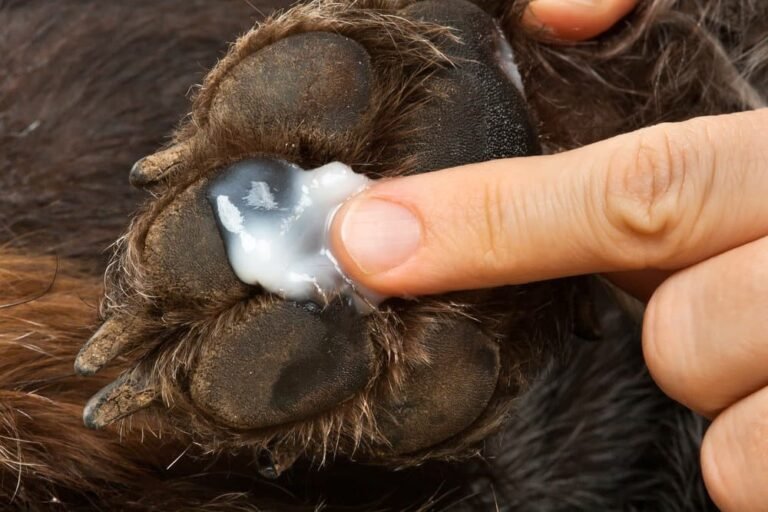
Learn how to treat dog paw infection at home with safe cleaning, wound care, infection monitoring, and prevention tips. Know when veterinary care is necessary.
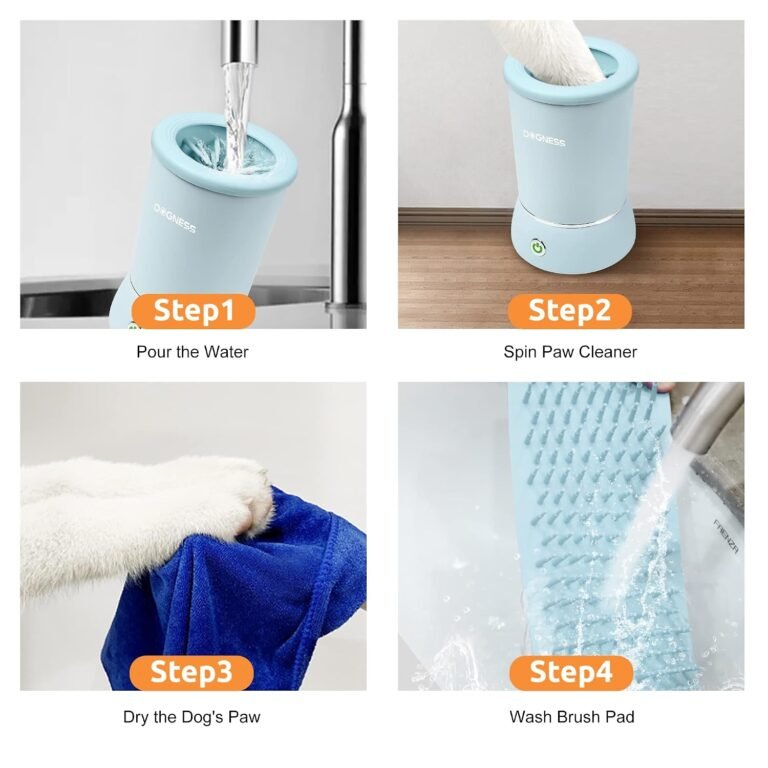
Learn how to use a dog paw cleaner safely and effectively. Follow simple steps for washing muddy paws, drying them, cleaning the device, and avoiding common mistakes.
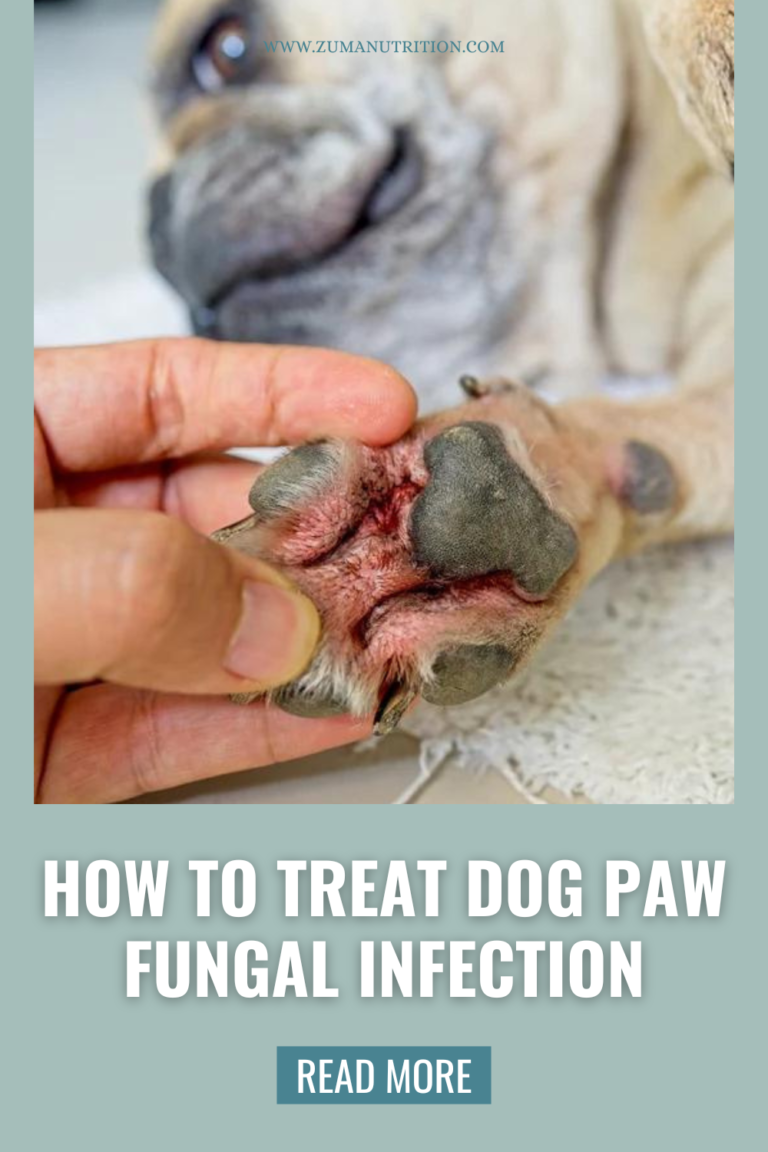
Learn how to treat dog paw fungus, recognize yeast and fungal infection signs, understand veterinary treatment, and prevent recurring paw problems safely.
Learn how to tell if your dog has a foxtail in its paw, including common signs, what to check between the toes, when removal is unsafe, and when to see a veterinarian.
Learn why your dog’s paws may be red and itchy, including allergies, infections, parasites, irritation, and injuries, plus safe home care and when veterinary treatment is needed.