Dog paw fungus is usually treated by identifying whether yeast or another fungal organism is actually present, controlling the infection with veterinarian-directed topical or oral antifungal treatment when appropriate, and addressing the underlying cause so the problem does not keep returning.
In the United States, a dog with red, itchy, smelly, or irritated paws should not automatically be assumed to have a fungal infection. Yeast overgrowth, especially involving Malassezia, can occur on inflamed paws, but allergies, parasites, bacterial infections, foreign bodies, trauma, and other skin disorders can cause similar signs. Veterinary examination and appropriate testing are therefore more reliable than treating the appearance alone.
For dogs with suspected paw fungus, the most useful first step is a veterinary skin examination that may include cytology, skin scrapings, and fungal testing when indicated. Treatment can involve medicated topical products, paw cleaning and drying, and in more persistent or severe cases, prescription oral antifungal medication. If an allergy or another underlying condition is driving inflammation, that problem also needs to be managed to reduce recurrence.
Source: seniortailwaggers.com
What Is Dog Paw Fungus?
Dog paw fungus generally refers to a fungal or yeast infection affecting the skin between the toes, around the paw pads, or within the nail and claw folds. One of the most common organisms involved in canine skin yeast overgrowth is Malassezia. Yeast normally lives on canine skin in small numbers, but changes in the skin environment can allow it to multiply and contribute to inflammation and itching.
The term paw fungus can also be used loosely by pet owners for any irritated paw. That distinction matters because fungal infection is only one possible explanation. Pododermatitis, which means inflammation affecting the paw skin, can result from infection, allergies, parasites, trauma, environmental irritation, immune-mediated disease, or other causes.
Because several conditions can produce similar symptoms, a diagnosis based only on redness, odor, or licking is unreliable. Veterinary guidance is especially important when the problem is recurrent, painful, involves several paws, or does not improve with appropriate care.
Source: bubblypet.com
Malassezia yeast
A naturally occurring yeast that can overgrow when skin inflammation or another condition creates a favorable environment.
Dermatophytes
A group of fungi that can cause ringworm and other superficial fungal infections. Diagnosis may require fungal testing rather than visual inspection alone.
Secondary infection
Bacteria and yeast can grow in already inflamed skin, meaning a paw problem may involve more than one infectious organism.
Is Dog Paw Fungus the Same as a Yeast Infection?
Not necessarily. Yeast is a type of fungus, but dog paws can be affected by different fungal organisms and by nonfungal conditions that resemble fungal disease. Malassezia dermatitis is a common example of yeast overgrowth, whereas dermatophyte infections involve a different group of fungi. The appropriate treatment depends on which organism, if any, is present.
Signs of Fungus or Yeast on a Dog’s Paws
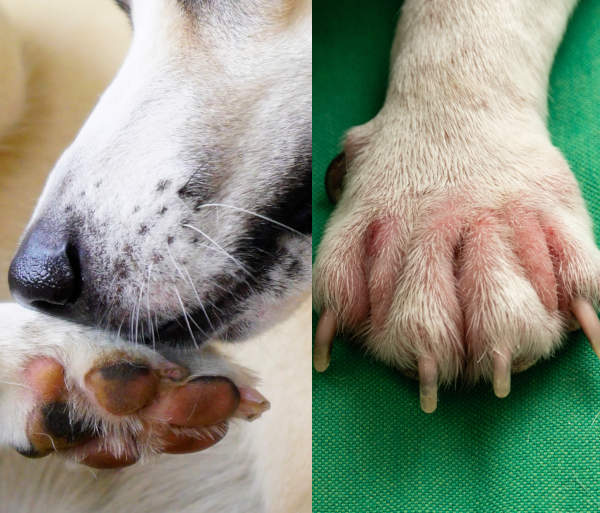
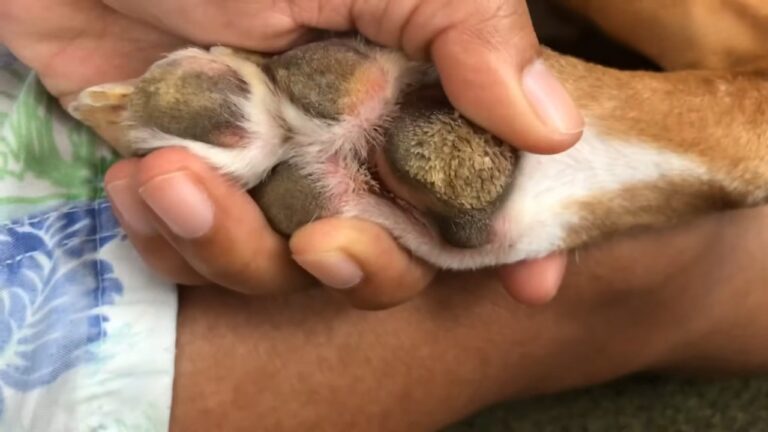
Common signs include persistent paw licking or chewing, redness between the toes, irritated skin around the paw pads, a noticeable odor, greasy or discolored skin, hair loss, scaling, crusting, and thickened skin. Some dogs also develop inflamed nail folds or changes around the claws.
These signs indicate a skin problem but do not establish the cause. For example, allergies can cause intense paw licking and create secondary yeast or bacterial overgrowth. A foreign body, injury, parasite, or bacterial infection can also produce localized inflammation.
Source: seniortailwaggers.com
Frequent licking or chewing
Persistent attention to the paws can indicate itching, inflammation, pain, or infection.
Red or inflamed skin
Redness between the toes or around the pads is common with pododermatitis but is not specific to fungal disease.
Odor or greasy skin
A strong odor and oily or greasy skin can occur with yeast overgrowth, although odor alone cannot confirm infection.
Hair loss or discoloration
Repeated licking and chronic inflammation can cause hair loss and changes in skin color.
Swelling, discharge, or pain
These findings can indicate a more serious inflammatory or infectious process and warrant veterinary evaluation.
When Paw Symptoms Are More Concerning
Contact a veterinarian promptly if your dog is limping, appears painful, has significant swelling, has bleeding or discharge, develops deep sores, has rapidly worsening symptoms, or cannot stop licking the affected area. Multiple recurrent episodes also deserve investigation because an underlying allergy or chronic skin condition may be responsible.
How Veterinarians Diagnose Dog Paw Fungus
The safest way to treat suspected paw fungus is to confirm the likely cause before choosing medication. A veterinarian will typically review the dog’s history, examine the paws and other skin areas, and decide which diagnostic tests are appropriate.
Skin cytology is particularly useful when yeast or bacterial overgrowth is suspected. A sample from the affected skin can be examined microscopically for organisms and inflammatory changes. Depending on the appearance and history, the veterinarian may also recommend skin scrapings, hair examination, fungal culture, or other testing.
If the infection repeatedly returns, diagnosis should also address the reason the skin remains vulnerable. Allergies, parasites, chronic inflammation, and other disorders can create conditions in which yeast or bacteria repeatedly overgrow.
Source: breedingbusiness.com
History and physical examination
The veterinarian considers the duration, seasonality, itch level, previous treatments, parasite prevention, affected body areas, and other clinical findings.
Skin cytology
Microscopic examination can help identify yeast and bacterial organisms on affected skin.
Skin scraping or hair examination
These tests can help investigate parasites and other causes of paw inflammation.
Fungal testing
A fungal culture or other specialized testing may be considered when a dermatophyte or another fungal infection is suspected.
Why a Visual Diagnosis Is Not Enough
Several canine skin conditions look alike. Treating every red paw as fungus can delay treatment for allergies, parasites, bacterial infection, trauma, or a foreign body. Testing is particularly valuable when symptoms are severe, recurrent, widespread, or resistant to initial treatment.
How to Treat Dog Paw Fungus
Treatment depends on the organism involved, how extensive the infection is, and what caused the paw skin to become vulnerable. For localized yeast overgrowth, veterinarians commonly use topical antifungal therapy. More severe, chronic, or difficult cases may require prescription oral antifungal medication.
Do not give a dog human antifungal medication or use prescription veterinary medication without veterinary direction. Antifungal drugs can have important side effects, interactions, and dosing requirements, and the correct choice depends on the diagnosis and the dog’s individual health.
Source: irontonanimalhospital.com
1. Follow the veterinary diagnosis
Use the medication and treatment schedule recommended for the confirmed or strongly suspected cause rather than choosing treatment based only on photographs or symptoms.
2. Use topical antifungal treatment when appropriate
Medicated shampoos, wipes, rinses, or other veterinary-directed topical treatments may be used for localized yeast or fungal skin disease.
3. Treat the paws consistently
Follow the product’s veterinary instructions for contact time, frequency, application area, and duration. Stopping early can contribute to persistent disease or recurrence.
4. Use oral antifungals only when prescribed
Veterinarians may prescribe systemic antifungal medication for severe, chronic, deep, or poorly responsive infections. The drug and duration depend on the individual case.
5. Address the underlying trigger
If allergies, parasites, or another inflammatory condition is driving the paw problem, treating the infection alone may not prevent recurrence.
Topical Treatment for Yeast on Dog Paws
Topical therapy is often useful because medication can be applied directly to affected skin. Veterinary treatment may include products containing antifungal ingredients such as miconazole or ketoconazole, sometimes combined with chlorhexidine for dogs with concurrent bacterial and yeast involvement.
The appropriate product, concentration, application frequency, and contact time depend on the specific formulation and the dog’s condition. A veterinarian may also recommend medicated bathing or paw-focused therapy when multiple areas of skin are affected.
Keep paws clean
Remove visible dirt and environmental debris using a gentle method recommended by your veterinarian.
Dry thoroughly
Moisture between the toes can contribute to an environment favorable to microbial overgrowth, so paws should be dried after bathing or exposure to water.
Prevent excessive licking
If licking interferes with treatment or damages the skin, ask your veterinarian about an appropriate protective strategy.
When Oral Antifungal Medication May Be Needed
Oral antifungals may be considered when infection is extensive, persistent, deep, involves difficult-to-treat areas such as claw folds, or does not respond adequately to topical therapy. These medications require veterinary supervision because treatment choice, dosing, duration, drug interactions, and monitoring vary by patient.
How to Care for a Dog’s Paws During Treatment
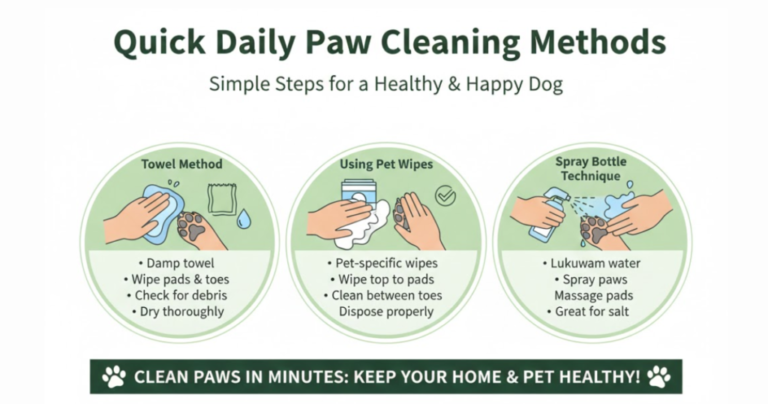
Supportive paw care can help protect irritated skin while veterinary treatment addresses the underlying problem. Keep the paws reasonably clean, dry them after exposure to water, and reduce contact with substances that clearly worsen irritation.
Avoid aggressive scrubbing, harsh disinfectants, essential oils, or household antifungal products unless a veterinarian has specifically recommended them for your dog. Damaged paw skin can become more inflamed when exposed to irritating chemicals.
Source: i.pinimg.com
Inspect the paws regularly
Look between the toes, around the pads, and near the nails for worsening redness, swelling, discharge, cracks, or foreign material.
Dry after bathing or wet walks
Gently dry the spaces between the toes without vigorous rubbing.
Keep the environment clean
Wash bedding and maintain clean resting areas when advised by your veterinarian, especially when a contagious fungal infection has been diagnosed.
Prevent self-trauma
Persistent licking and chewing can worsen inflammation and create secondary infections, so veterinary guidance may be needed if the behavior continues.
Should You Use Home Remedies for Dog Paw Fungus?
Home remedies should not replace veterinary diagnosis or prescribed treatment. Substances such as vinegar, concentrated essential oils, alcohol, bleach, or other household chemicals can irritate damaged skin and may be unsafe if licked. Gentle cleaning and drying can be reasonable supportive care, but treatment should target the actual cause.
Why Dog Paw Fungus Keeps Coming Back
Recurring paw yeast or fungal problems often mean the underlying skin condition has not been resolved. Allergic skin disease is a major consideration in dogs with chronic itching and recurrent secondary infections. Flea allergy, environmental allergies, food allergy, parasites, and other inflammatory disorders can all contribute to repeated skin problems.
Veterinary allergy guidelines recommend a structured approach that includes a detailed history, dermatologic examination, evaluation for parasites and secondary infections, and reassessment of the response to treatment. If infection improves but itching and inflammation continue, the underlying cause needs further investigation.
Source: seniortailwaggers.com
Allergies
Allergic inflammation can damage the skin barrier and create conditions that favor secondary yeast or bacterial overgrowth.
Parasites
Fleas and mites can cause itching and inflammation that may contribute to secondary infection.
Persistent moisture or irritation
Repeated exposure to moisture or irritants can contribute to skin barrier problems in susceptible dogs.
Incomplete treatment
Stopping treatment too early or failing to follow the prescribed schedule can allow the problem to persist.
When to Recheck the Dog
A recheck is appropriate when symptoms are not improving as expected, worsen during treatment, or return soon after treatment ends. Veterinary guidelines commonly emphasize reassessing the diagnosis, medication use, secondary infections, and underlying allergic disease rather than simply repeating the same treatment indefinitely.
Common Mistakes When Treating Dog Paw Fungus
The most common mistake is assuming that every red or smelly paw has a fungal infection. Because allergies, bacteria, parasites, and other disorders can produce similar signs, incorrect treatment can delay the care a dog actually needs.
Another mistake is relying on a single application or stopping treatment as soon as the paw looks better. Follow the veterinarian’s treatment plan and seek reassessment when the expected improvement does not occur.
Source: i.ytimg.com
Treating without a diagnosis
A visually irritated paw does not identify the organism or underlying disease.
Using human medication without veterinary approval
Human products may contain ingredients or concentrations that are inappropriate for dogs.
Using harsh household chemicals
Bleach, alcohol, concentrated essential oils, and similar substances can irritate damaged paw skin or create additional risks if swallowed.
Ignoring recurrent symptoms
Repeated episodes may indicate allergies, parasites, chronic inflammation, or another underlying condition.
Focusing only on the infection
A secondary yeast infection may improve while the underlying allergic or inflammatory condition continues.
When Veterinary Care Is Urgent
Seek prompt veterinary attention for marked pain, significant swelling, severe limping, deep wounds, pus or substantial discharge, rapidly spreading lesions, fever or unusual lethargy, or a paw problem that is worsening despite treatment. Dogs with compromised health may also need earlier evaluation.
How to Prevent Recurrent Paw Infections
Preventing recurrence starts with controlling the condition that caused the paw inflammation. For dogs with allergies, that may require long-term veterinary management rather than repeated short courses of antifungal treatment. Consistent parasite prevention, appropriate skin care, and attention to environmental triggers can also be important.
Regularly inspect the paws, particularly after outdoor activity, and keep them clean and dry when needed. If a dog repeatedly develops paw problems, keep a simple record of when symptoms occur, which paws are affected, possible environmental exposures, and how the dog responds to treatment. This information can help a veterinarian identify patterns.
Source: i.pinimg.com
Maintain parasite prevention
Use veterinarian-recommended flea and parasite prevention consistently because parasitic disease can contribute to itching and skin inflammation.
Manage allergies when diagnosed
Long-term control of allergic disease can reduce the inflammation that predisposes some dogs to secondary yeast infections.
Keep paws appropriately dry
Dry paws after swimming, bathing, or other wet exposure without irritating the skin.
Attend follow-up appointments
Rechecks can determine whether infection has resolved and whether additional treatment for the underlying condition is needed.
Frequently Asked Questions
Q
How can I tell if my dog’s paw has a fungal infection?
Redness, licking, odor, greasy skin, scaling, hair loss, and irritation can occur with yeast or fungal infections, but these signs are not diagnostic. A veterinarian may use cytology, skin scrapings, fungal testing, or other examinations to determine the cause.
Q
Can dog paw fungus go away on its own?
A mild temporary irritation may improve after the trigger is removed, but a confirmed fungal or yeast infection should not be assumed to resolve without treatment. Persistent or recurrent symptoms should be evaluated because the underlying cause may require management.
Q
Can I use an antifungal cream made for people on my dog?
Do not use human antifungal products without first asking your veterinarian. The product may contain ingredients or concentrations that are unsuitable for dogs, and licking the medication can create additional concerns. Veterinary treatment should be selected according to the diagnosis and location of the infection.
Q
Why does my dog’s yeast paw infection keep coming back?
Recurring yeast infections often occur because an underlying problem continues to inflame the skin. Allergies, parasites, chronic skin disease, and other conditions can predispose dogs to repeated secondary infections. Treating the yeast without addressing the underlying trigger may lead to recurrence.
Q
When should I take my dog to the veterinarian for a paw infection?
Arrange veterinary care when paw redness, licking, odor, swelling, or irritation persists or repeatedly returns. Seek prompt attention for significant pain, limping, deep wounds, substantial discharge, rapidly worsening inflammation, or other signs that the dog is seriously uncomfortable.
✦ Wrapping Up
Conclusion
The safest way to treat dog paw fungus is to confirm what is causing the paw inflammation and then use treatment appropriate for that diagnosis. Yeast overgrowth such as Malassezia may respond to veterinarian-directed topical therapy, while more extensive or persistent infections can require prescription oral antifungal medication.
If the problem keeps returning, the goal should shift from repeatedly treating the infection to finding and managing the underlying trigger. Allergies, parasites, chronic inflammation, and other skin disorders can all contribute to secondary yeast or bacterial infections. Careful paw hygiene, thorough drying, parasite prevention, and veterinary follow-up can help reduce recurrence.
💡 Key Takeaway
If your dog’s paw is red, itchy, smelly, swollen, or repeatedly affected, schedule a veterinary examination rather than assuming it is fungus. Diagnosis followed by targeted treatment is the most reliable path to recovery and long-term prevention.
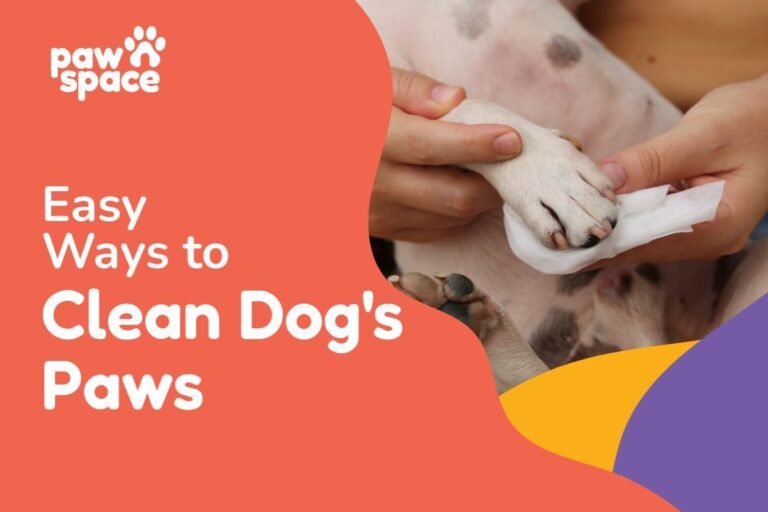
Learn how to clean dog paws naturally using water, gentle homemade solutions, and simple grooming techniques. Keep your dog’s paws clean, healthy, and comfortable after walks.
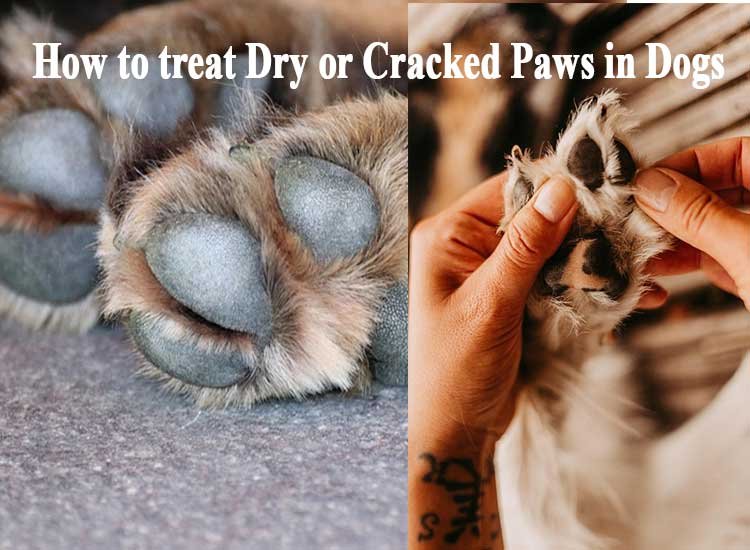
Learn how to treat dry dog paws safely with moisturizing care, paw protection, and prevention strategies. Discover causes, home remedies, and when to contact a veterinarian.
Learn how to apply Mushers Secret to dogs paws correctly. Follow step-by-step instructions, safety tips, troubleshooting advice, and best practices for year-round paw protection.
Learn how to treat dog paw infection at home with safe cleaning, wound care, infection monitoring, and prevention tips. Know when veterinary care is necessary.