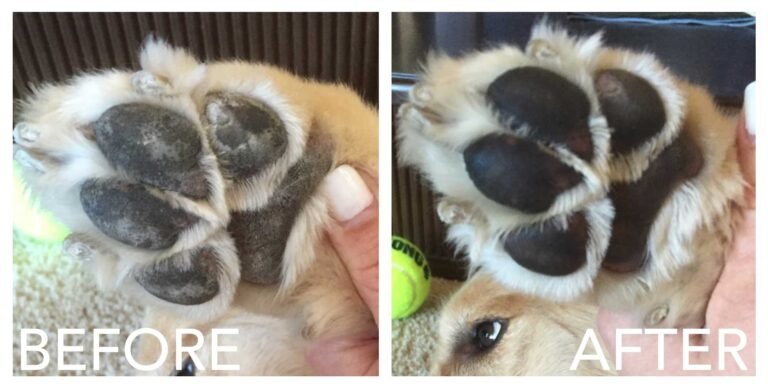
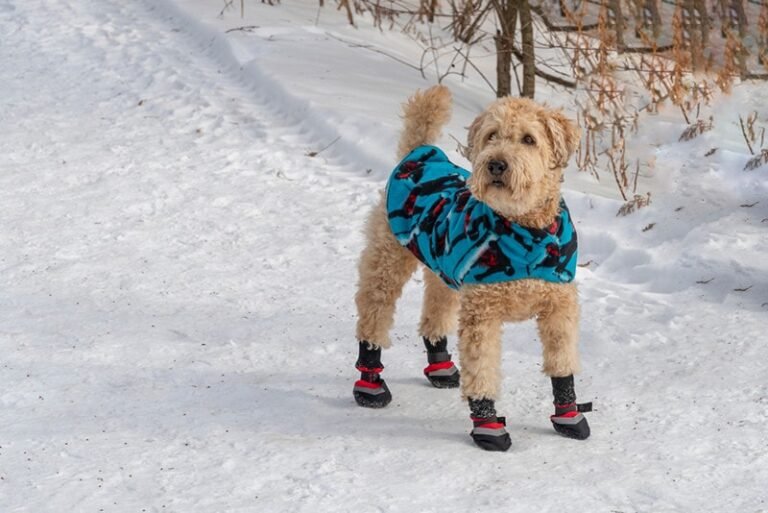
To treat smelly dog paws, first clean away dirt and debris with a dog-safe, unscented cleanser or wipe, dry thoroughly between the toes, and monitor for redness, swelling, itching, discharge, or excessive licking. A mild corn-chip or Frito-like smell can be normal, but a new, strong, persistent, or worsening odor can indicate yeast, bacterial infection, allergies, irritation, or another paw problem that needs veterinary evaluation.
For dog owners in the United States, smelly paws are a common grooming concern, especially after walks, rainy weather, swimming, or exposure to warm and humid conditions. Dogs naturally have bacteria and yeast living on their skin, and the spaces between their toes can retain moisture and warmth. That combination can create a noticeable odor without necessarily meaning the paws are infected.
The key is to distinguish a normal paw odor from a change that signals disease. Veterinary guidance identifies redness, swelling, persistent licking or chewing, hair loss, bumps, discharge, pain, and a stronger or unusual smell as reasons to have the paws examined. Yeast and bacterial overgrowth can occur secondary to allergies, moisture, skin inflammation, or other underlying problems, so simply masking the odor may not solve the cause.
Source: artofit.org
Why Do Dog Paws Smell Bad?
Dog paws can smell because microorganisms that normally live on canine skin produce compounds that become noticeable as odor. Bacteria and yeast are normal residents of the skin, but changes in moisture, skin health, allergies, or the local environment can allow them to multiply excessively.
The familiar corn-chip or Frito-like smell is not automatically a sign of infection. A healthy dog may have some paw odor, particularly because the feet can stay warm and moist between the toes. The more useful warning sign is a change from your dog’s normal smell combined with physical or behavioral symptoms.
Moisture is especially relevant. Wet grass, rain, bathing, swimming, and trapped moisture between the toes can create conditions that favor microbial overgrowth. Frequent licking can make the cycle worse because saliva keeps the skin damp and can further irritate an already inflamed paw.
Source: veterinarysecrets.com
Normal skin microorganisms
Bacteria and yeast normally live on canine skin. Odor alone does not prove that an infection is present.
Moisture and warmth
Damp spaces between the toes can encourage microbial overgrowth and make paw odor more noticeable.
Allergies and inflammation
Environmental or food-related allergies can cause itchy, inflamed paws that dogs repeatedly lick, increasing moisture and the risk of secondary infection.
Dirt and environmental exposure
Mud, grass, debris, urine, feces, and other substances can temporarily make paws smell unpleasant.
When Is a Frito-Like Smell Normal?
A mild, familiar corn-chip smell can be normal when the paw skin looks healthy and your dog is not excessively licking, chewing, scratching, or limping. In that situation, there may be no medical problem that needs to be treated. Routine hygiene and keeping the paws dry may be sufficient.
Usually less concerning
Mild odor with normal-looking skin, no swelling, no discharge, and no noticeable discomfort is generally less concerning.
More concerning
A sudden or increasingly strong odor combined with redness, itching, swelling, discharge, sores, hair loss, or pain should be evaluated.
How to Treat Smelly Dog Paws at Home
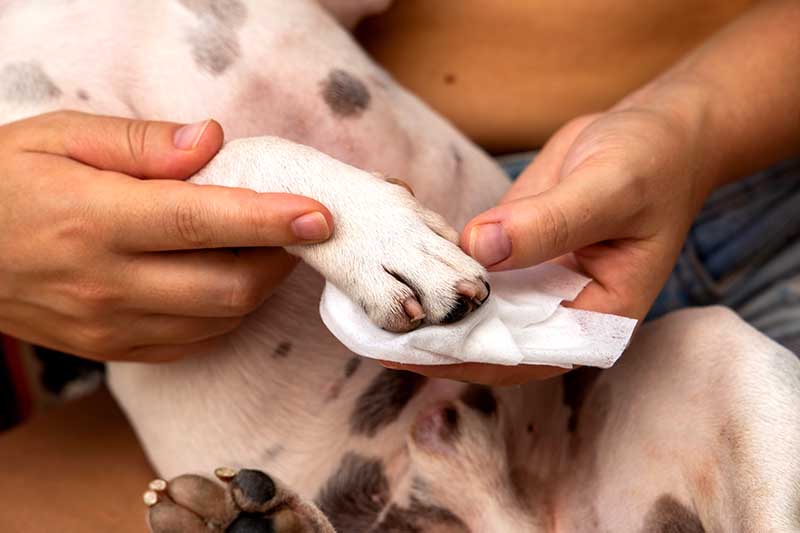
For uncomplicated dirty or mildly odorous paws, the safest home approach is gentle cleaning followed by thorough drying. The goal is to remove environmental debris without repeatedly stripping or irritating the skin.
If the paws are visibly inflamed, painful, swollen, or producing discharge, home cleaning should not replace a veterinary examination. Those signs can occur with infections and other forms of pododermatitis, a general term for inflammation of the paws.
Source: animalia-life.club
Step 1: Inspect the paws
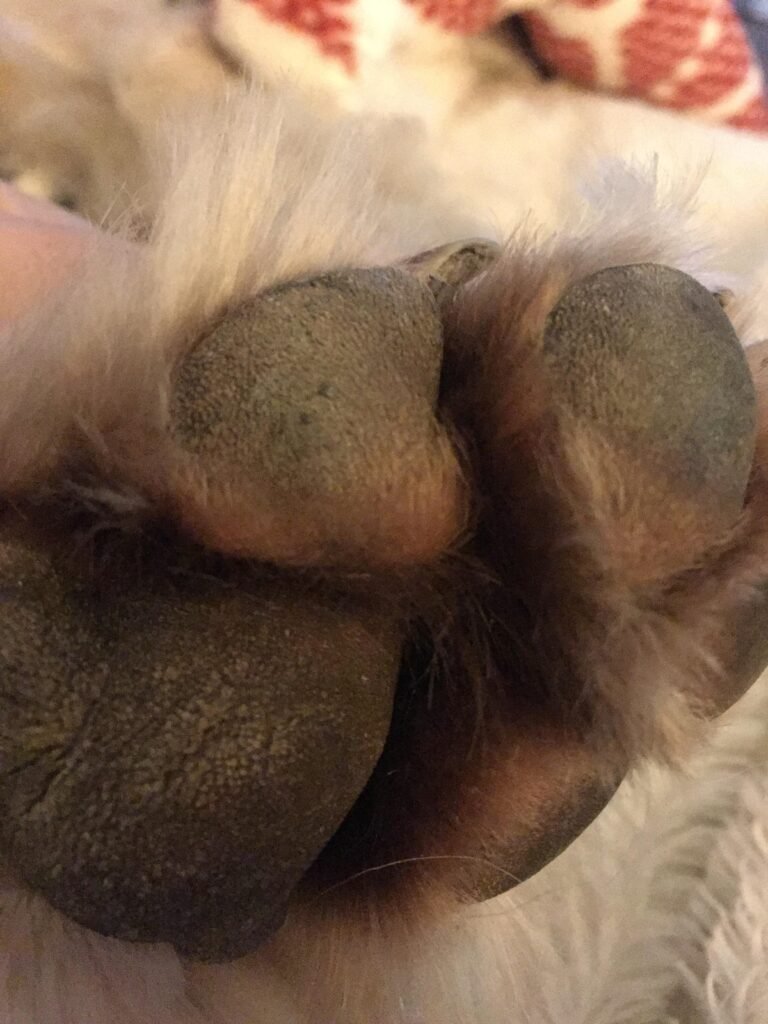
Look between the toes, around the nails, and across the paw pads. Check for cuts, foreign material, redness, swelling, bumps, sores, discharge, or areas your dog repeatedly licks.
Step 2: Remove visible dirt
Use clean water and a dog-safe, unscented cleanser or wipe when appropriate. Gently remove mud, grass, and other debris without vigorous scrubbing.
Step 3: Clean between the toes
Pay attention to the spaces between the toes because debris and moisture can accumulate there. Avoid forcing objects into narrow spaces or digging at irritated tissue.
Step 4: Rinse when cleanser requires it
If the product instructions call for rinsing, rinse thoroughly so residue does not remain on the skin.
Step 5: Dry completely
Pat the paws dry with a clean towel and gently dry between the toes. Do not leave the feet damp after cleaning, bathing, or swimming.
Step 6: Monitor the response
A simple environmental odor should improve after removing dirt and moisture. If the smell returns quickly or is accompanied by inflammation or discomfort, arrange a veterinary evaluation.
How Often Should You Clean Smelly Dog Paws?
There is no universal schedule for paw washing. Clean the paws when they are dirty or exposed to substances that should not remain on the skin, and wipe them after particularly muddy or wet outings when needed. Excessive washing can irritate some dogs, so routine inspection and targeted cleaning are preferable to repeatedly bathing healthy feet just to eliminate a normal odor.
After muddy walks
Remove mud and debris before they dry or become trapped between the toes.
After swimming or wet weather
Dry the paws carefully because prolonged moisture can contribute to irritation and microbial overgrowth.
After exposure to contaminants
Clean paws if your dog steps in urine, feces, chemicals, or other substances that should not be licked from the feet.
How to Tell If Smelly Paws Are Caused by Yeast or Bacteria
Odor alone cannot reliably tell you whether yeast, bacteria, or another condition is responsible. Yeast dermatitis commonly causes a musty smell along with itching, redness, greasy or flaky skin, hair loss, thickened skin, or darkened skin. Bacterial infections can also cause odor and may be associated with redness, swelling, pustules, sores, discharge, or pain.
Veterinarians can use the dog’s history, physical examination, and diagnostic testing such as skin cytology or other sampling to determine what organisms are present and whether infection is actually contributing to the problem. This matters because treatment differs depending on the cause.
Paw inflammation can also result from allergies, parasites, trauma, foreign bodies, contact irritation, hormonal disorders, immune-mediated disease, or other conditions. Treating only the odor may therefore allow the underlying problem to continue.
Source: artofit.org
Possible yeast overgrowth
Look for a strong musty odor accompanied by itching, redness, greasy or flaky skin, hair loss, darkened skin, or recurrent paw problems.
Possible bacterial infection
Redness, swelling, pustules, ulcers, discharge, tenderness, or worsening odor can occur with bacterial infection.
Possible allergy-related inflammation
Repeated licking of multiple paws, seasonal recurrence, or concurrent ear and skin problems can suggest an underlying allergic condition.
Possible foreign body or injury
When one paw suddenly becomes painful, swollen, or unusually smelly, a splinter, grass awn, cut, or other foreign material may be involved.
Why Recurring Paw Odor Deserves Attention
If the odor repeatedly returns despite appropriate cleaning and drying, the problem may not be simple hygiene. Chronic or recurrent paw inflammation can be associated with allergies or other underlying disorders, while repeated licking can perpetuate skin damage and secondary infection. A veterinarian can determine whether additional testing or longer-term management is necessary.
Recurrent odor
Repeated odor after cleaning suggests that the underlying cause may still be active.
Recurrent licking
Persistent licking can maintain moisture and inflammation rather than actually resolving the problem.
What to Do If Your Dog Has Red, Itchy, or Inflamed Paws
Red, itchy, swollen, or painful paws should be treated as a medical issue rather than an odor problem. Pododermatitis has many possible causes, and veterinary treatment is directed at both any secondary infection and the condition that triggered the inflammation.
Do not assume that every smelly paw needs an antifungal or antibiotic product. Using the wrong medication can delay appropriate care, while some irritated paws need treatment for allergies, parasites, foreign material, trauma, or another cause instead.
Source: articles.hepper.com
Contact your veterinarian
Arrange an examination when odor is accompanied by significant itching, redness, swelling, discharge, sores, recurring lesions, or obvious discomfort.
Seek prompt attention for severe symptoms
Painful swelling, marked lameness, deep wounds, rapidly worsening inflammation, or substantial discharge should be evaluated promptly.
Follow prescribed treatment exactly
Veterinary treatment may include topical antiseptic or antifungal therapy, antibiotics when bacterial infection is diagnosed, anti-itch treatment, or management of an underlying allergy or other disease.
Prevent licking when directed
Your veterinarian may recommend measures such as an Elizabethan collar if licking is interfering with healing.
What a Veterinarian May Check
A veterinarian may examine the paws, nails, skin, and other body areas for clues to the underlying cause. Depending on the findings, diagnostic testing can include skin cytology, skin scrapings, hair sampling, cultures, imaging for suspected foreign bodies, allergy evaluation, or other testing. The appropriate approach depends on the dog’s symptoms and medical history.
Skin cytology
Microscopic examination can help identify yeast, bacteria, and inflammatory cells.
Skin or hair sampling
Additional samples may help investigate parasites or other causes of paw inflammation.
Additional diagnostic testing
Persistent or unusual cases may require testing for allergies, hormonal disease, foreign bodies, or other underlying conditions.
How to Prevent Smelly Dog Paws From Coming Back
Prevention focuses on keeping healthy paws clean and dry while identifying the reason for recurrent inflammation. If your dog has allergies or another chronic condition, controlling that underlying problem is often more important than repeatedly cleaning away the odor.
Regularly checking your dog’s feet also makes it easier to recognize what is normal. Compare the odor and appearance of the paws over time rather than treating every mild smell as an infection.
Source: empocorp.com
Keep paws dry
Dry the feet after rain, bathing, or swimming, paying particular attention to the spaces between the toes.
Inspect after outdoor activity
Check for grass awns, splinters, stones, cuts, mud, or other debris after walks and outdoor play.
Manage allergies and skin disease
If your veterinarian identifies an underlying allergy or dermatologic condition, following the long-term management plan can reduce recurrent paw inflammation.
Avoid unnecessary fragranced products
Perfumes and deodorizing sprays can mask odor without addressing its cause and may irritate sensitive skin.
Maintain appropriate grooming
Keep the feet reasonably clean and groomed according to your dog’s coat and veterinary or professional grooming needs, while avoiding aggressive clipping of irritated skin.
Can You Use Vinegar, Hydrogen Peroxide, or Human Products?
Avoid experimenting with concentrated household substances or human skin products on irritated paws. Some home remedies can damage or further irritate the skin, especially when used at the wrong concentration. Veterinary dermatology guidance emphasizes choosing treatment according to the actual cause and using appropriately formulated products.
Hydrogen peroxide, alcohol-based products, essential oils, strong disinfectants, and fragranced products should not be used casually on damaged paw skin. If a veterinarian recommends a specific topical product, follow the label and veterinary instructions rather than substituting a household ingredient.
Do not mask the smell
A fragrance can cover an odor without treating infection, inflammation, moisture, or an underlying allergy.
Do not self-prescribe antibiotics
Antibiotic treatment should be based on veterinary assessment when a bacterial infection is suspected or confirmed.
Use dog-specific products
When cleaning healthy paws, choose products formulated for dogs and follow their directions.
Common Mistakes When Treating Smelly Dog Paws
The most common mistake is treating odor as the disease itself. Paw smell is a symptom or normal characteristic, not a diagnosis. The correct response depends on whether the paws are simply dirty, naturally odorous, irritated, infected, or affected by another condition.
Another mistake is over-cleaning. Healthy paws do not need repeated aggressive washing solely because they have a mild natural smell. Excessive cleaning can irritate the skin and may make licking or inflammation worse.
Source: Dogster
Mistake: Washing constantly
Repeated unnecessary washing can irritate the skin. Clean when needed and focus on thorough drying.
Mistake: Using perfume to hide odor
Fragrance does not diagnose or treat the underlying cause and can be unpleasant or irritating for dogs.
Mistake: Assuming every odor is yeast
Yeast is one possible cause, but allergies, bacteria, trauma, foreign bodies, parasites, and other disorders can also affect the paws.
Mistake: Ignoring persistent licking
Frequent licking can indicate itchiness, pain, irritation, allergy, infection, or another paw problem.
Mistake: Treating without a diagnosis
Persistent or severe symptoms may require veterinary examination and diagnostic testing rather than trial-and-error treatment.
A Simple Decision Guide
Use the dog’s symptoms to decide what to do next. A clean-looking paw with a mild, stable odor usually calls for observation and routine hygiene. A dirty paw can generally be gently cleaned and dried. A paw with persistent odor plus inflammation or discomfort should be assessed by a veterinarian.
Mild odor only
Monitor the normal smell and maintain sensible paw hygiene.
Dirt or mud
Gently clean the paws and dry them thoroughly.
Odor plus licking or redness
Schedule a veterinary assessment because infection, allergy, or another inflammatory condition may be present.
Odor plus pain, swelling, discharge, or lameness
Seek veterinary care promptly rather than relying on home odor treatments.
When to See a Veterinarian for Smelly Dog Paws
A veterinarian should evaluate smelly paws when the odor is persistent, unusually strong, suddenly different, or accompanied by other symptoms. The combination of odor and inflammation is more informative than odor alone.
Veterinary attention is particularly important when the dog appears painful, is limping, repeatedly chews the feet, develops swelling or lumps between the toes, has open sores or discharge, or has recurrent paw problems. Some causes require prescription medication or treatment of an underlying condition.
Source: tailwagwisdom.com
Persistent or worsening odor
A smell that continues or becomes stronger despite appropriate cleaning and drying should be investigated.
Redness or swelling
Inflamed paws can indicate pododermatitis, infection, allergy, irritation, or another medical condition.
Excessive licking or chewing
Persistent self-trauma can worsen inflammation and may signal significant itch or pain.
Discharge, sores, or bumps
These findings can indicate infection, interdigital disease, injury, or another condition requiring examination.
Limping or obvious pain
Pain can indicate a deeper infection, foreign body, injury, or other problem that should not be managed solely as a grooming issue.
What to Do if Home Care Does Not Work
If gentle cleaning and thorough drying do not resolve a simple environmental odor, stop escalating home remedies and reassess the symptoms. Look for licking, redness, swelling, hair loss, discharge, sores, or changes in how your dog walks. If any of these are present or the odor continues to worsen, contact a veterinarian.
For recurrent cases, ask about the underlying cause rather than only requesting treatment for the smell. Allergies and chronic skin conditions can make paw infections recur, so controlling the trigger may be necessary for lasting improvement.
Document changes
Note when the odor began, whether it affects one or multiple paws, and whether licking, redness, swelling, or discharge developed.
Bring relevant history
Tell the veterinarian about recent walks, swimming, grooming, new products, allergies, medications, and previous paw problems.
Frequently Asked Questions
Q
Why do my dog’s paws smell like Fritos?
A mild corn-chip or Frito-like smell can come from normal microorganisms living on a dog’s skin, including bacteria and yeast. Warmth and moisture around the feet can make the odor more noticeable. The smell alone does not prove that your dog has an infection.
Q
How can I get rid of the smell from my dog’s paws?
If the paws are otherwise healthy, gently clean away dirt with a dog-safe, unscented product when needed and dry the feet thoroughly, especially between the toes. If the odor is persistent or accompanied by redness, itching, swelling, discharge, sores, or excessive licking, have your dog examined rather than repeatedly masking the smell.
Q
Can yeast cause smelly dog paws?
Yes. Yeast can overgrow on inflamed or moist skin and may cause a strong musty odor. Yeast-related paw problems commonly involve itching, redness, greasy or flaky skin, hair loss, darkened skin, or recurrent inflammation. A veterinarian may use skin testing to help confirm the cause.
Q
Should I use vinegar or hydrogen peroxide on my dog’s smelly paws?
Do not routinely apply household disinfectants or concentrated home remedies to irritated paws. Some substances can damage or further irritate the skin, and treating the wrong cause can delay appropriate care. If your dog has inflamed or infected paws, ask a veterinarian which topical treatment is appropriate.
Q
When are smelly dog paws a sign of an infection?
Odor becomes more concerning when it occurs with redness, swelling, persistent licking or chewing, hair loss, discharge, sores, bumps, pain, or limping. These signs can occur with bacterial or yeast infections as well as allergies, injuries, foreign bodies, parasites, and other paw disorders, so veterinary examination may be needed.
✦ Wrapping Up
Conclusion
The best way to treat smelly dog paws depends on why they smell. A mild, stable corn-chip odor can be normal and may only require sensible hygiene. When paws are dirty, gentle cleaning followed by thorough drying can remove environmental odor without unnecessarily irritating healthy skin.
A strong or changing odor should not be treated as a cosmetic problem when it occurs with licking, redness, swelling, discharge, sores, bumps, pain, or limping. Yeast and bacterial overgrowth are possible causes, but allergies, irritation, injuries, foreign bodies, parasites, and other medical conditions can produce similar paw symptoms.
If your dog’s paw odor keeps returning or home cleaning does not help, the next step is a veterinary examination. Identifying and treating the underlying cause is more reliable than repeatedly trying to cover the smell.
💡 Key Takeaway
Inspect your dog’s paws, gently clean them when dirty, dry them completely, and monitor for changes. If odor is persistent or accompanied by inflammation, excessive licking, discharge, pain, swelling, or lameness, contact your veterinarian for an appropriate diagnosis and treatment plan.
Learn how to protect dog paws without boots using paw balm, route planning, surface management, and seasonal care. Discover practical ways to keep your dog’s paws healthy year-round.
Learn why your dog’s paws may look yellow, from saliva staining and yeast overgrowth to dirt, irritation, and pad problems, plus when veterinary care is needed.
Learn why your dog’s paws may be red and itchy, including allergies, infections, parasites, irritation, and injuries, plus safe home care and when veterinary treatment is needed.
Learn how to treat dog paws burn from pavement with safe first aid steps, recovery tips, warning signs, and prevention methods to protect your dog’s paw pads.