Move your dog off the hot pavement, cool the paws with clean water, clean the injury, and contact a veterinarian if blisters, open wounds, or severe pain are present.
Across the United States, hot asphalt and concrete can reach temperatures far above the surrounding air temperature during summer. A surface that feels warm to a person wearing shoes may be hot enough to damage a dog’s paw pads within minutes.
Understanding how to treat dog paws burn from pavement can help limit tissue damage, reduce pain, and support proper healing. Quick first aid is important, but severe burns, blistering, bleeding, or signs of infection require prompt veterinary care.
Source: animalia-life.club
What Happens When Pavement Burns a Dog’s Paws
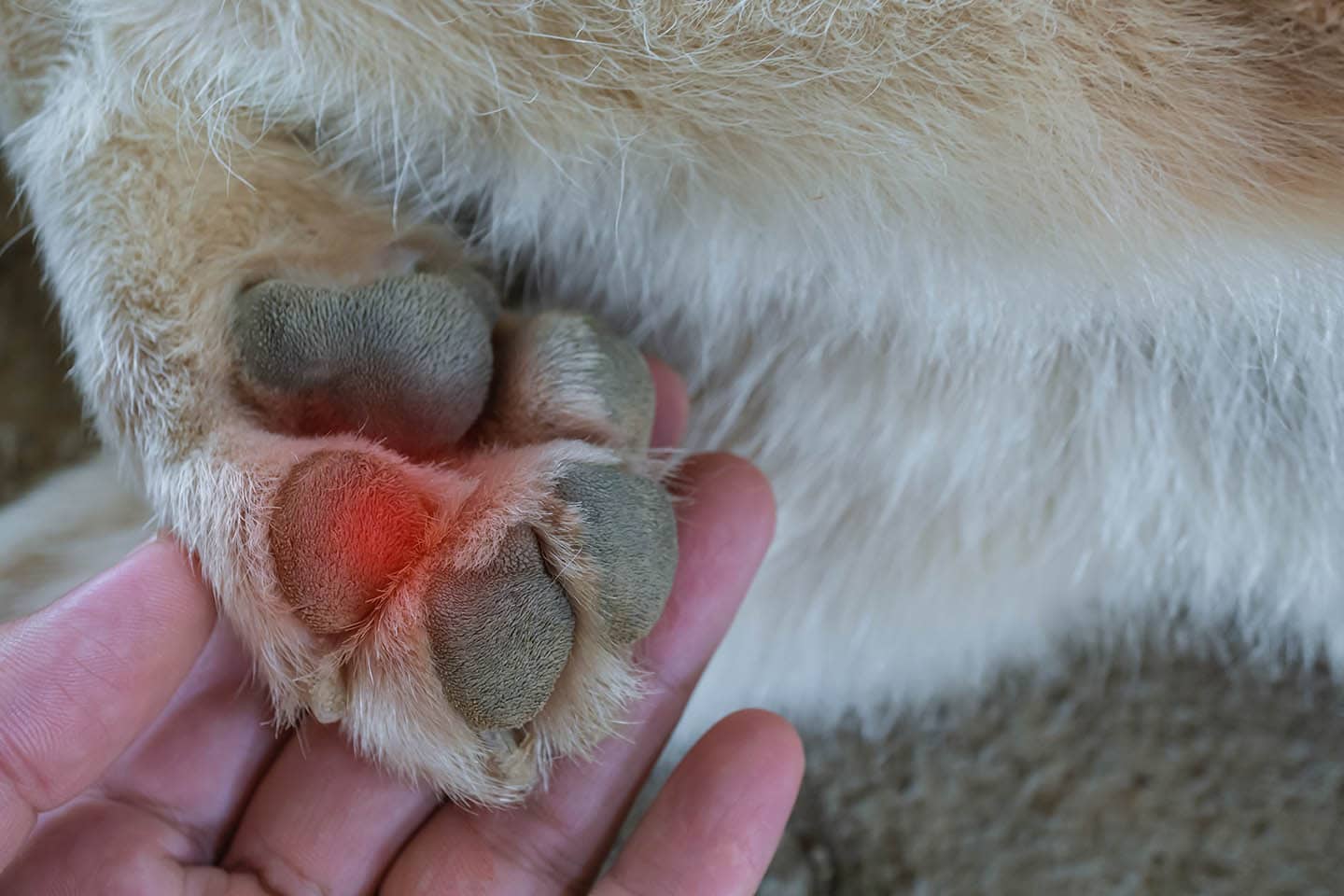
Dog paw pads are tough, but they can still suffer thermal burns when exposed to extremely hot pavement. Asphalt, concrete, and other hard surfaces absorb heat from the sun and can become significantly hotter than the surrounding air.
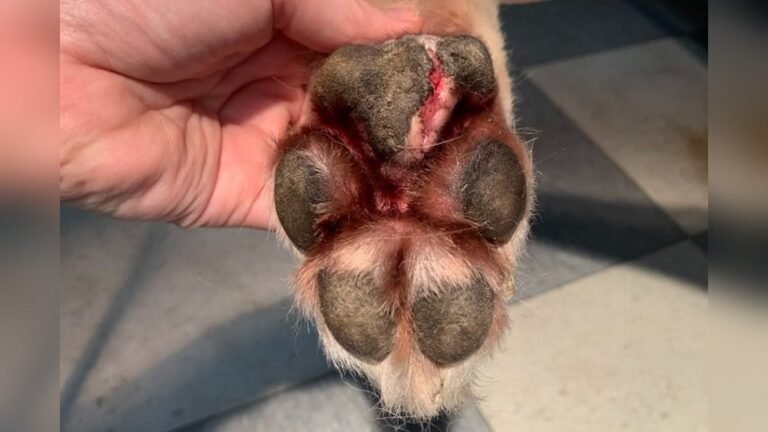
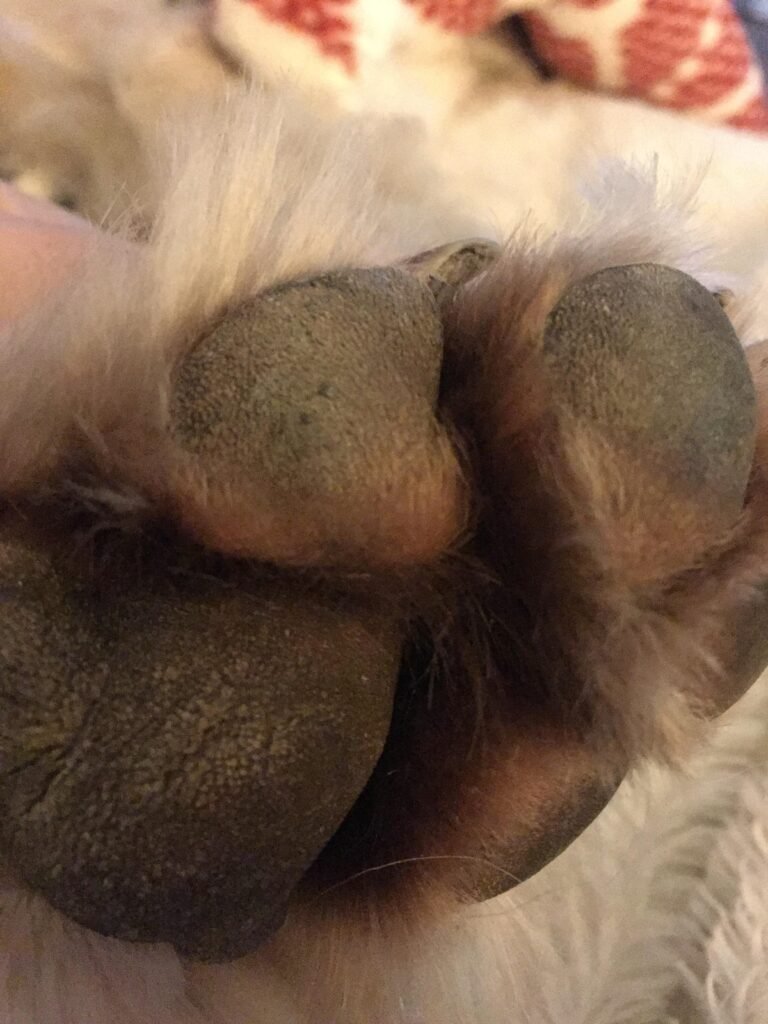
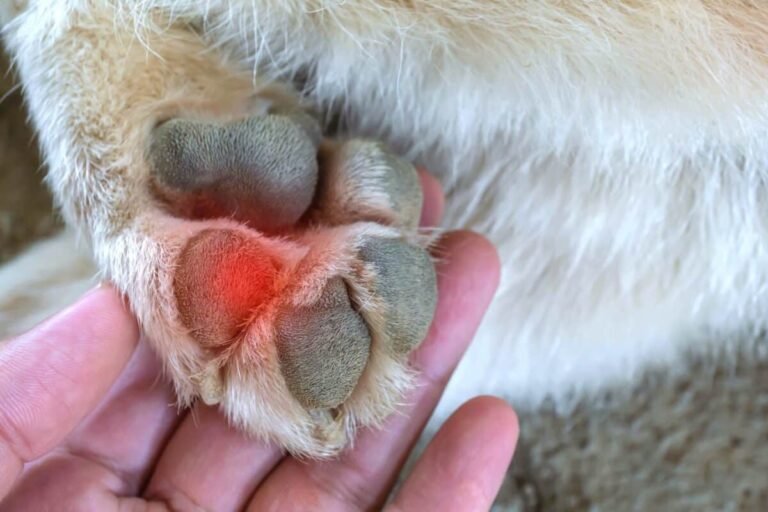
When a burn occurs, the outer layer of the paw pad may become irritated, reddened, or damaged. More serious burns can cause blistering, peeling skin, open wounds, and difficulty walking.
Source: wideopenspaces.com
Mild burns
Redness, sensitivity, and slight discomfort without open wounds.
Moderate burns
Blisters, peeling skin, swelling, and noticeable limping.
Severe burns
Deep tissue damage, bleeding, severe pain, and inability to bear weight.
Common Signs of Burned Paw Pads
Dogs with pavement burns may limp, lick their paws excessively, refuse to walk, or hold up an affected foot. Visible signs can include redness, blistering, cracked pads, swelling, or raw skin.
Behavior changes
Reluctance to walk, whining, or frequent paw licking.
Physical symptoms
Blisters, peeling pads, redness, swelling, or bleeding.
How to Treat Dog Paws Burn From Pavement Step by Step
Immediate first aid can reduce further injury and improve comfort. Follow a careful and calm approach while assessing the severity of the burn.
The goal is to cool the tissue, keep the area clean, and prevent additional damage until healing begins or veterinary care is obtained.
Source: dutch.com
Step 1
Move the dog to a cool, shaded location immediately.
Step 2
Rinse affected paws with cool running water for several minutes.
Step 3
Gently inspect the pads for blisters, cracks, or bleeding.
Step 4
Keep the paws clean and prevent licking if possible.
Avoid Common First Aid Mistakes
Do not place ice directly on burned paw pads. Extreme cold may worsen tissue injury. Avoid using alcohol, hydrogen peroxide, or harsh antiseptics unless specifically directed by a veterinarian.
Avoid ice
Direct ice contact can damage already injured tissue.
Avoid harsh chemicals
Some disinfectants may delay healing and increase irritation.
When to Contact a Veterinarian
Some paw burns can be managed with basic first aid, but moderate and severe injuries often require professional treatment. Veterinary care helps reduce infection risk and supports proper healing.
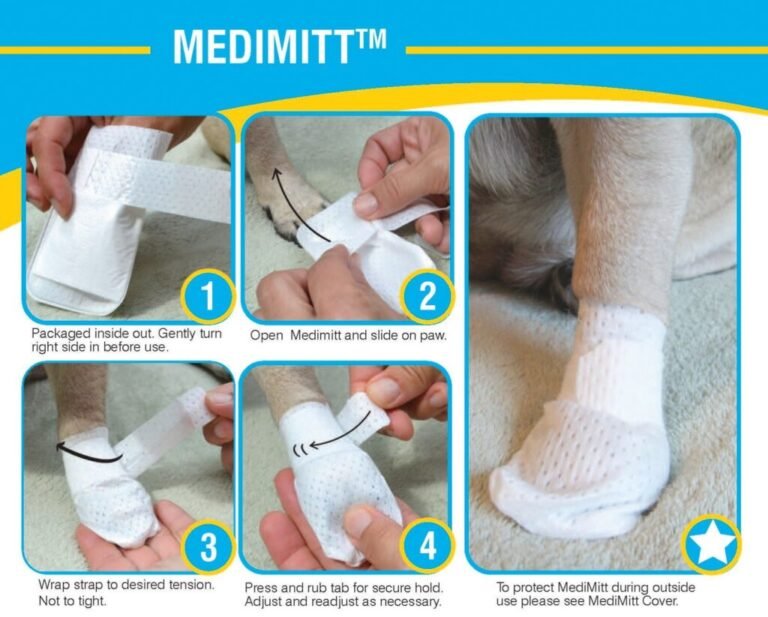
A veterinarian may recommend pain management, wound care, protective bandaging, or additional treatment depending on the extent of the injury.
Source: petsradar.com
Seek veterinary care
If blisters, open wounds, bleeding, or severe limping are present.
Watch for infection
Swelling, discharge, foul odor, or worsening pain require evaluation.
Emergency Warning Signs
Immediate veterinary attention is recommended if your dog cannot walk, has extensive skin loss, shows signs of severe pain, or develops symptoms of infection.
Severe tissue damage
Large areas of peeled skin or deep wounds.
Persistent symptoms
Pain or limping that does not improve after initial care.
How Long Does Recovery Take
Recovery time depends on the severity of the burn. Mild burns may improve within a few days, while deeper injuries can require several weeks of healing.
Protecting the paws during recovery is important. Excessive activity, rough surfaces, and contamination can slow healing and increase complications.
Source: animalia-life.club
Mild burns
Often improve within several days with proper care.
Moderate burns
May require one to three weeks of healing.
Severe burns
Can take several weeks or longer and often need veterinary supervision.
Signs Healing Is Progressing
Reduced redness, less limping, healthy new skin formation, and decreasing sensitivity are positive signs that the paw pads are recovering.
Less discomfort
The dog walks more normally and licks the paws less often.
Healthy tissue
New skin develops without swelling or discharge.
How to Prevent Pavement Burns in the Future
Prevention is the most effective way to avoid painful paw pad injuries. Surface temperatures can become dangerous even when air temperatures seem comfortable.
Testing the pavement before a walk and adjusting your schedule can dramatically reduce the risk of burns.
Source: animalia-life.club
Walk during cooler hours
Choose early morning or evening when surfaces are cooler.
Use grassy routes
Reduce exposure to hot asphalt and concrete.
Check pavement temperature
If the surface is too hot for your hand, it may be too hot for your dog’s paws.
Consider paw protection
Properly fitted dog boots can help shield paws from extreme heat.
Environmental Factors That Increase Risk
Dark asphalt, direct sunlight, low wind conditions, and prolonged exposure all increase the likelihood of pavement-related paw burns.
High heat
Hot summer days raise surface temperatures rapidly.
Long walks
Extended exposure increases the chance of injury.
Paw Burn Severity Guide
Understanding burn severity helps determine the appropriate response. Mild injuries may be monitored at home, while deeper burns should be evaluated by a veterinarian.
Use this information as a general guide rather than a diagnosis.
Source: storage.googleapis.com
First-degree type injury
Redness and discomfort without skin loss.
Second-degree type injury
Blisters, swelling, and damaged outer layers of skin.
Third-degree type injury
Deep tissue damage and extensive destruction of the paw pad.
Decision Guide
If there is any doubt about the severity of a burn, especially when blisters or open wounds are present, veterinary evaluation is the safest option.
Monitor
Minor redness without worsening symptoms.
Call a veterinarian
Any signs of blistering, infection, or severe pain.
Frequently Asked Questions
Q
Can hot pavement really burn a dog’s paws?
Yes. Pavement can become much hotter than the air temperature and may cause thermal burns, blistering, and tissue damage to paw pads.
Q
Should I use ice on burned dog paws?
No. Cool water is generally preferred. Direct ice application can potentially worsen tissue injury and increase discomfort.
Q
How can I tell if my dog’s paws are burned?
Common signs include limping, excessive licking, redness, blisters, swelling, peeling skin, and reluctance to walk.
Q
Can burned paw pads heal on their own?
Minor burns may heal with proper care and monitoring. More serious burns often require veterinary treatment to prevent complications.
Q
How do I prevent pavement burns during summer?
Walk during cooler times of day, test pavement temperatures before walks, choose shaded or grassy routes, and consider protective dog boots when appropriate.
✦ Wrapping Up
Conclusion
Knowing how to treat dog paws burn from pavement can help reduce pain, limit tissue damage, and support a safer recovery. Immediate cooling, gentle cleaning, and close monitoring are the most important first steps.
While mild injuries may improve with home care, blisters, open wounds, significant limping, and signs of infection should always be evaluated by a veterinarian. Prevention remains the best strategy for protecting your dog’s paws during hot weather.
💡 Key Takeaway
Move your dog off hot pavement immediately, cool the paws with clean water, monitor for worsening symptoms, and seek veterinary care whenever burns appear moderate or severe.
Learn how to use a clean sock as temporary protection for a dog’s paw, when it is appropriate, how to secure it safely, and when to see a veterinarian.
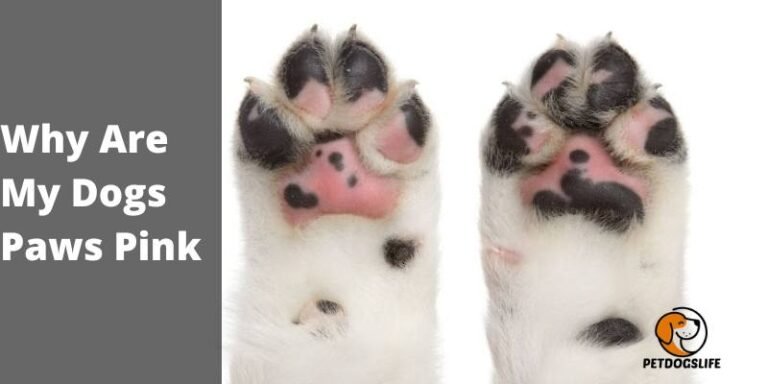
Learn why your dog’s paws may be pink, from normal puppy pigmentation and saliva staining to allergies, irritation, infection, and paw injuries. Find out when veterinary care is needed.
Learn how to measure dog paws for socks using width, length, and circumference measurements. Get accurate sizing, avoid common mistakes, and improve sock fit.
Learn why your dog’s paws may look yellow, from saliva staining and yeast overgrowth to dirt, irritation, and pad problems, plus when veterinary care is needed.