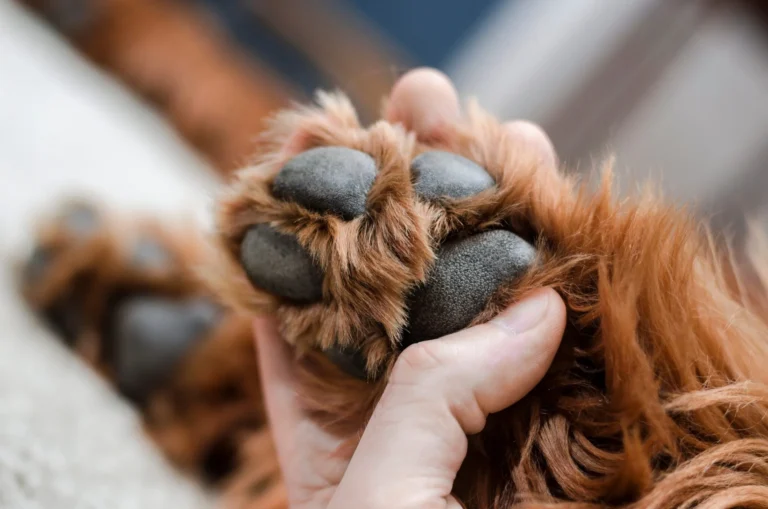
A clean, loose-fitting sock can provide temporary protection over a dog’s paw, but it should not replace a veterinary bandage for an open or serious injury. Place a clean protective dressing over an appropriate minor wound when advised, slide the sock over the paw, secure it gently above the wrist or ankle without restricting circulation, and keep it clean and dry.
For dog owners in the United States, a sock can be useful as a short-term barrier when a dog keeps licking a paw or when you need to protect a paw from dirt during a brief bathroom trip. Veterinary guidance emphasizes that socks and similar coverings can help prevent access to a wound, but they are not a substitute for proper wound assessment or a correctly applied veterinary bandage.
The biggest safety concern is excessive pressure. A sock that is too tight can contribute to swelling, discomfort, and circulation problems. If the paw is bleeding heavily, deeply cut, punctured, badly burned, significantly swollen, very painful, or contaminated with a foreign object, contact a veterinarian rather than relying on a sock. Minor wounds can also worsen when a dog repeatedly walks on them, so veterinary advice is appropriate when the injury is uncertain.
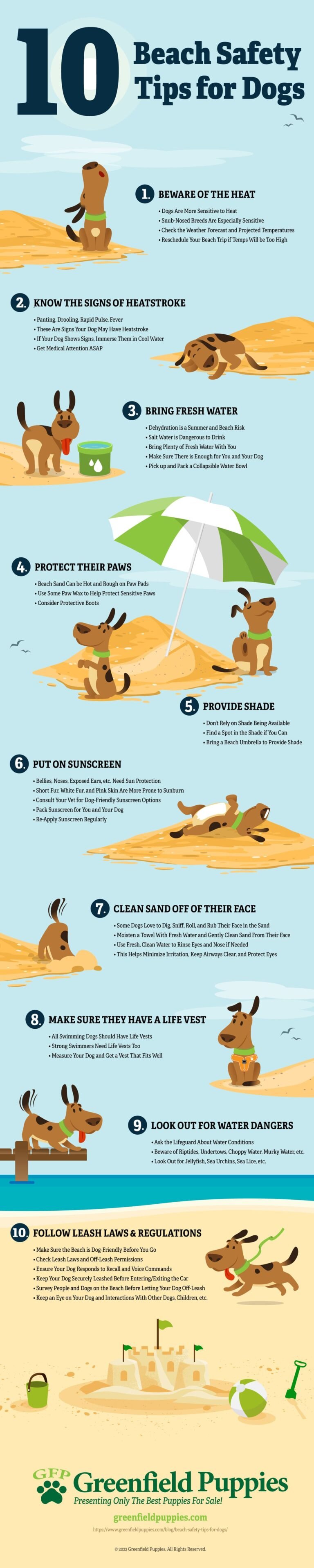
Source: i.ytimg.com
When Can a Sock Help Protect a Dog’s Paw?
A sock is most useful as a temporary protective layer when the main goal is to stop licking, reduce contact with dirt, or protect an existing dressing during a short, supervised period. Veterinary sources also describe socks and protective coverings as possible barriers for wounds on the feet.
A sock does not diagnose or treat the cause of paw pain. Limping, persistent licking, redness, swelling, discharge, or a wound that does not improve can indicate a problem that needs veterinary assessment.
Source: i.ytimg.com
Reasonable temporary use
Protecting a clean, minor paw injury or a veterinarian-approved dressing from licking and brief environmental contact.
Not a substitute for a bandage
A sock does not provide the controlled dressing, padding, or support that some paw injuries require.
Not appropriate for serious injuries
Deep wounds, uncontrolled bleeding, severe burns, suspected fractures, significant swelling, bites, or embedded foreign objects require veterinary attention.
Why Use a Sock Instead of Leaving the Paw Exposed?
Dogs naturally walk on their paws, exposing them to dirt, moisture, rough surfaces, and repeated pressure. A temporary covering can create a physical barrier that reduces contact and may make it harder for the dog to lick or chew the area. The covering still needs frequent inspection because moisture and excessive pressure can create new problems.
Barrier
Helps limit contact between the paw and contaminated outdoor surfaces.
Licking prevention
Can make direct access to a protected area more difficult, although determined dogs may still remove it.
What You Need Before Wrapping a Dog’s Paw With a Sock
Prepare everything before handling the paw so you do not have to leave the dog unattended while the covering is being applied. Choose a sock that is clean, dry, soft, and large enough to slide over the paw without stretching tightly around the leg.
If the dog has an open wound, use only the dressing or wound-care materials recommended by a veterinarian. A sock should generally serve as an outer protective layer rather than being placed directly against a dirty or actively bleeding wound.
Source: i.pinimg.com
Clean sock
Use a freshly washed, completely dry sock with enough room to fit over the paw without constriction.
Appropriate dressing
If a wound needs dressing, use a clean non-adherent dressing or the material recommended by your veterinarian.
Clean towel
Useful for drying the paw and wiping away surface moisture before protection is applied.
Supervision
Stay with the dog while fitting the sock and check the paw regularly afterward.
Choosing the Right Sock
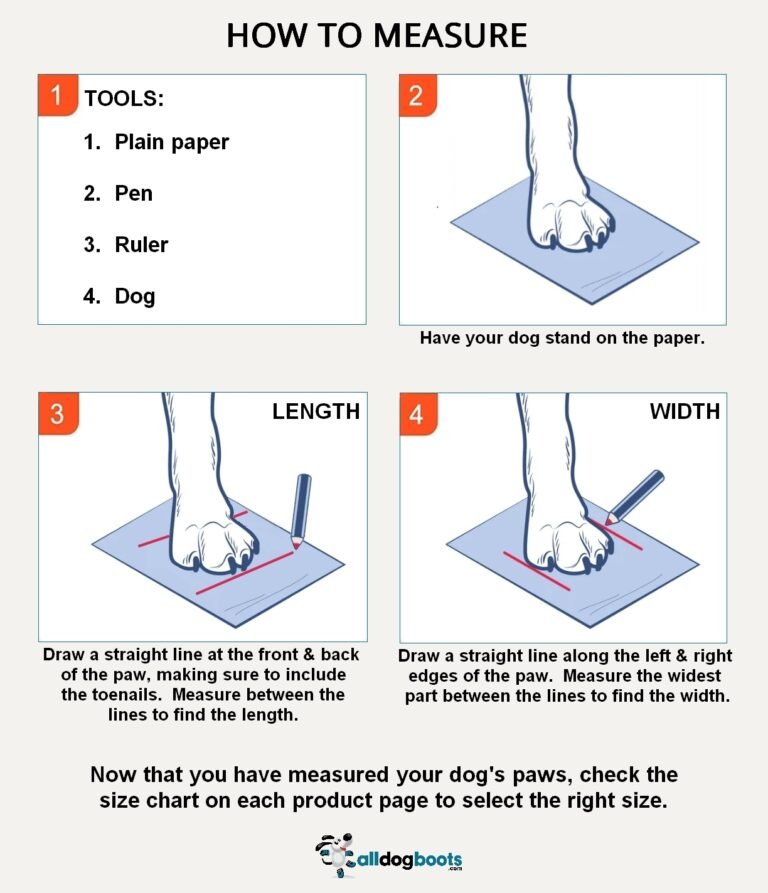
The sock should be long enough to cover the paw and extend slightly above the wrist on a front leg or the ankle on a rear leg, while remaining loose enough to avoid pressure. Avoid socks with rough seams, damaged fabric, tight elastic, or small decorative pieces that could irritate the skin or become a chewing hazard.
Too small
A small or tightly stretched sock can compress the limb and contribute to swelling.
Too loose
A loose sock may slip, bunch under the paw, become wet, or create a tripping hazard.
How to Wrap a Dog’s Paw With a Sock Step by Step
The safest approach is to treat the sock as a temporary protective cover. Do not use it to create a tight compression wrap. If your veterinarian has already bandaged the paw, do not remove or alter that bandage simply to put on a sock unless the veterinary team has instructed you to do so.
For a minor issue where temporary protection is appropriate, use the following sequence and stop immediately if the dog shows significant pain or the paw appears abnormal.
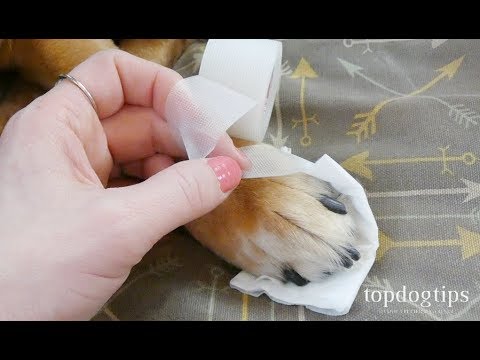
Source: articles.hepper.com
1. Check the paw first
Look for bleeding, swelling, cuts, punctures, burns, discharge, foreign material, or obvious severe pain. Serious findings should be evaluated by a veterinarian.
2. Clean and dry as appropriate
If the injury is minor and home care has been advised, gently clean away surface dirt and dry the surrounding paw. Do not dig into a deep wound to remove embedded material.
3. Apply the recommended dressing
If a veterinarian has recommended a dressing, place it according to their instructions before adding the sock.
4. Slide the sock over the paw
Gently guide the sock over the toes and paw without pulling forcefully or twisting the limb.
5. Position it smoothly
Make sure the fabric is not bunched between the toes or folded into a tight ring around the leg.
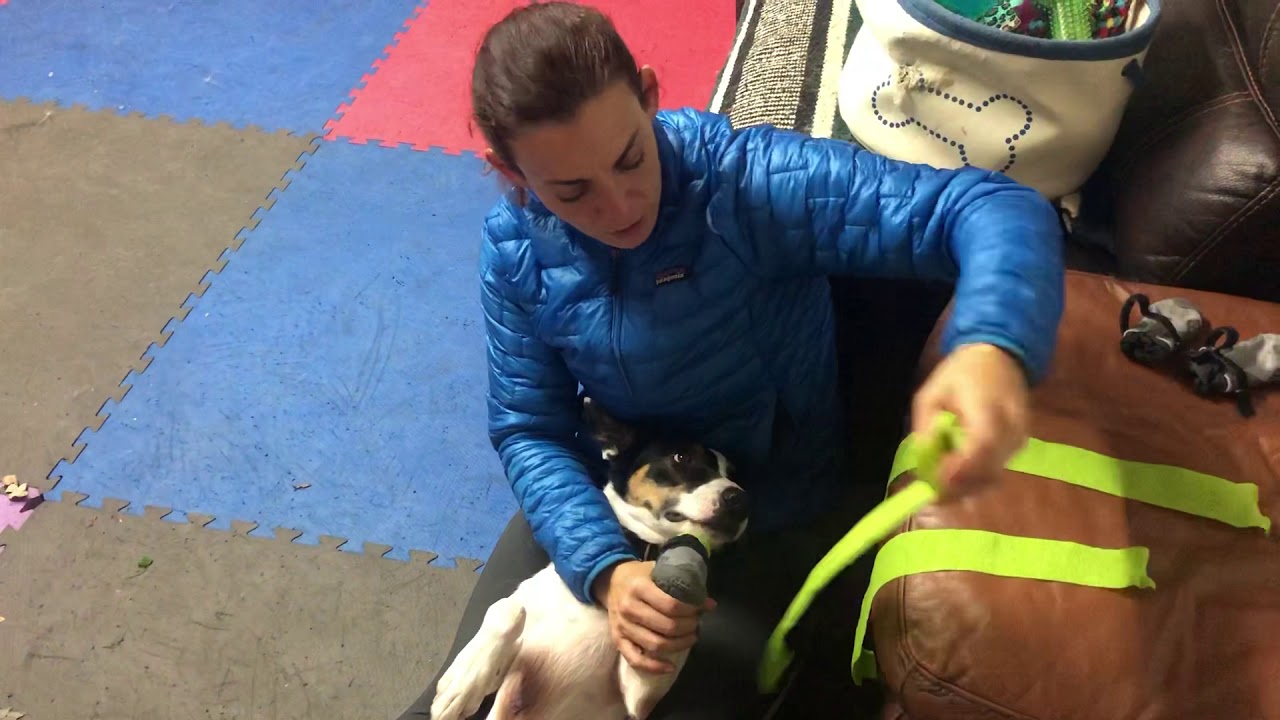
6. Secure it without compression
If the sock needs help staying in place, use only a method approved by your veterinarian and never tighten it around the limb. Do not use rubber bands, string, or anything that can act like a tourniquet.
7. Check the paw again
After fitting, watch your dog walk a few steps under supervision and check that the covering stays in position without causing limping or discomfort.
How Should the Sock Fit?
The sock should sit comfortably over the paw rather than squeeze it. A properly fitted protective covering should not cause new swelling, discoloration, coldness, increased licking, or reluctance to bear weight. If the dog becomes more uncomfortable after the sock is applied, remove it and contact a veterinarian for guidance.
Check the toes
If the toes are visible, look for new swelling, redness, unusual temperature, or discoloration.
Check above the covering
Look for swelling, redness, chafing, or an indentation caused by pressure.
Check behavior
Persistent chewing, licking, limping, or obvious discomfort means the covering needs reassessment.
How Long Can a Dog Wear a Sock?
There is no universal safe wear time for every dog or injury. The covering should be inspected frequently and removed or changed if it becomes wet, dirty, displaced, or uncomfortable. If a veterinarian has prescribed a bandage, follow the veterinary team’s schedule rather than using a general sock-wearing timetable.
Keep it dry
Moisture trapped against the skin can contribute to irritation and infection.
Supervise outdoor use
A protective covering can become wet or dirty quickly outdoors, especially on grass, mud, snow, or wet pavement.
How to Keep the Sock Dry and Secure
A sock used for paw protection should stay clean and dry. Wet fabric can hold moisture against the skin and may make the covering less effective. During short outdoor bathroom trips, veterinary guidance commonly recommends using an additional protective barrier over a veterinary bandage, followed by removal of that outer barrier when the dog returns indoors.
Do not leave a plastic covering or other waterproof barrier over the paw for extended periods. The objective is to prevent brief environmental exposure, not to seal the paw in a humid environment.
Source: i.ytimg.com
Inspect after outdoor trips
Check for wetness, mud, debris, slipping, bunching, or new irritation.
Replace wet fabric
A damp sock should be removed and replaced with a clean, dry one when continued protection is appropriate.
Limit activity
Running and jumping can reopen paw wounds and make protective coverings shift.
What If Your Dog Keeps Removing the Sock?
Repeatedly removing or chewing the covering means the sock is not providing reliable protection. Do not repeatedly tighten it to keep it in place. Ask a veterinarian about an appropriate protective boot, bandage, or recovery device for the specific injury.
Do not punish chewing
Chewing can indicate discomfort, irritation, or a problem developing underneath the covering.
Consider a recovery collar
A veterinarian may recommend an Elizabethan collar or another appropriate method to prevent licking or chewing.
Signs the Sock or Covering Is Too Tight
Remove the sock and seek veterinary advice if you notice signs that the paw or lower limb is becoming compromised. Veterinary guidance identifies swelling, discoloration, limping, excessive discomfort, and changes in the exposed toes as important warning signs when a limb is covered.
Do not wait for severe symptoms to develop. A covering that causes new or worsening discomfort should be reassessed promptly.
Source: i.pinimg.com
Swelling
New swelling of the toes or paw after the covering is applied can indicate excessive pressure or another developing problem.
An unusually cold paw compared with the opposite side can be concerning for circulation problems.
Limping
New or worsening lameness after application means the covering should not simply be tightened or left in place.
Persistent chewing
Sudden or intense chewing can signal discomfort, swelling, moisture, or another complication.
What to Do If the Paw Swells
If swelling develops after the sock is applied, remove the sock and examine the paw without manipulating a serious wound. If swelling is substantial, does not improve promptly after removing the covering, or occurs with pain, discoloration, coldness, discharge, or inability to bear weight, contact a veterinarian promptly.
Do not rewrap tightly
Adding more pressure can worsen circulation problems.
Compare with the opposite paw
A noticeable difference in size, color, or temperature can help identify a concerning change.
When a Sock Is Not Enough and Your Dog Needs a Veterinarian
A sock should not delay veterinary treatment. Paw injuries can be difficult to heal because the paw repeatedly contacts the ground, and some wounds require professional cleaning, medication, controlled bandaging, or activity restriction.
Contact a veterinarian when the injury is deep, bleeding does not stop with appropriate pressure, involves a bite or puncture, contains a deeply embedded object, causes significant pain or lameness, or shows signs of infection. Veterinary assessment is also appropriate when you are unsure whether the injury is minor.
Source: pawflex.com
Heavy or persistent bleeding
Bleeding that does not stop with sustained appropriate pressure requires veterinary attention.
Deep or gaping wound
A deep wound may need professional cleaning, closure, medication, or other treatment.
Puncture or bite
Puncture and bite wounds can hide deeper tissue damage and infection.
Burn or exposed tissue
Significant burns or wounds with exposed deeper tissue should be assessed by a veterinarian.
Infection signs
Increasing redness, heat, swelling, foul odor, pus, colored discharge, or worsening pain can indicate infection.
Why Tight DIY Bandaging Can Be Dangerous
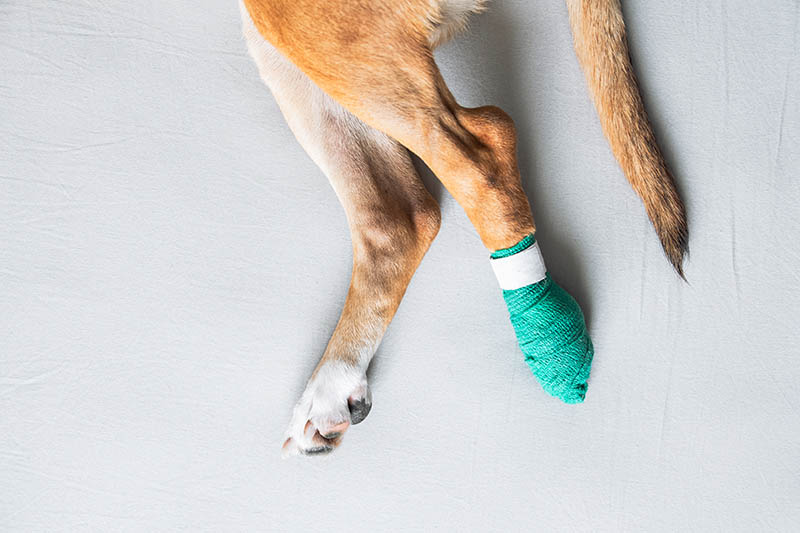
Bandaging a limb requires careful control of pressure and padding. Veterinary sources warn that an improperly applied bandage can become too tight, restrict circulation, trap infection, or create additional injury. A simple sock is safer when treated as a loose protective barrier rather than as a compression bandage.
Do not create compression
A sock should protect the paw without acting like a tightly wrapped elastic bandage.
Do not conceal worsening symptoms
Inspect the paw rather than assuming the covering is protecting it successfully.
Common Mistakes to Avoid
Most problems with DIY paw coverings come from using the sock for the wrong purpose, applying excessive pressure, or failing to monitor the paw. Avoiding these mistakes is more important than making the covering look secure.
Source: i.pinimg.com
Using a dirty sock
A dirty or damp sock can contaminate or irritate the paw.
Using a tight sock
A tight fit can contribute to swelling and circulation problems.
Using rubber bands or string
These can create concentrated pressure and should not be used to secure a paw covering.
Covering a serious wound without advice
A sock cannot replace assessment and treatment for a deep, infected, burned, punctured, or severely painful injury.
Leaving a wet covering on
Moisture should be addressed promptly by removing or changing the covering when appropriate.
Ignoring behavior changes
Sudden chewing, licking, limping, or distress can indicate that the covering or underlying injury needs attention.
What Does a Successful Temporary Wrap Look Like?
The sock should remain comfortably positioned without slipping into a tight ring, the paw should remain its normal color and temperature, and the dog should not develop new limping or obvious discomfort. The covering should also remain clean and dry during the period it is being used.
Comfortable
The dog does not show new pain or distress after the sock is applied.
Secure but loose
The sock stays over the paw without squeezing the limb.
Clean and dry
The material remains free from moisture, dirt, and wound discharge.
Frequently Asked Questions
Q
Can I put a sock directly over my dog’s wound?
A sock should generally be considered an outer protective layer rather than a substitute for a proper wound dressing. If the wound is open, bleeding, deep, contaminated, or infected, contact a veterinarian for instructions before covering it.
Q
How do I keep a sock from falling off my dog’s paw?
Choose an appropriately sized sock that extends high enough to stay in position without being tight. Do not use rubber bands, string, or other restrictive materials to force it to stay on. If your dog repeatedly removes it, ask a veterinarian about a more suitable protective option.
Q
Can my dog sleep with a sock on its paw?
That depends on why the paw is covered and whether a veterinarian has recommended continuous protection. Because swelling, moisture, slipping, and chewing can develop without being noticed, do not leave an improvised covering on for extended periods without monitoring or veterinary guidance.
Q
What should I do if my dog’s paw swells after putting on a sock?
Remove the sock and check the paw for abnormal swelling, color, temperature, or pain. If swelling is significant, persists, or occurs with discoloration, coldness, severe discomfort, or inability to bear weight, contact a veterinarian promptly.
Q
Can I use a sock to stop my dog from licking its paw?
A sock can act as a temporary barrier, but persistent licking usually has an underlying cause that should be addressed. If the paw is repeatedly licked, red, swollen, painful, or producing discharge, veterinary evaluation can help identify the problem. A veterinarian may also recommend an appropriate recovery collar or other protective method.
✦ Wrapping Up
Conclusion
A clean sock can provide temporary protection for a dog’s paw when used loosely, kept dry, and monitored closely. It is best viewed as a protective barrier rather than a replacement for a veterinary bandage or treatment. The fit should never restrict circulation, and the covering should be removed or reassessed if it causes discomfort, swelling, discoloration, or other concerning changes.
For minor paw problems, careful monitoring and appropriate protection may help prevent further irritation. For deep wounds, persistent bleeding, punctures, burns, infection signs, significant swelling, or substantial pain, veterinary care is the safer choice.
💡 Key Takeaway
Use a clean, loose-fitting sock only as temporary paw protection, check the paw frequently, keep the covering dry, and contact a veterinarian whenever the injury is serious or the paw becomes more swollen, painful, discolored, or difficult for the dog to use.
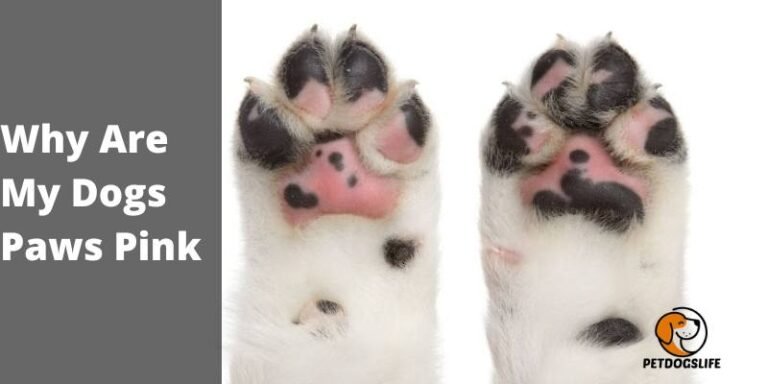
Learn why your dog’s paws may be pink, from normal puppy pigmentation and saliva staining to allergies, irritation, infection, and paw injuries. Find out when veterinary care is needed.
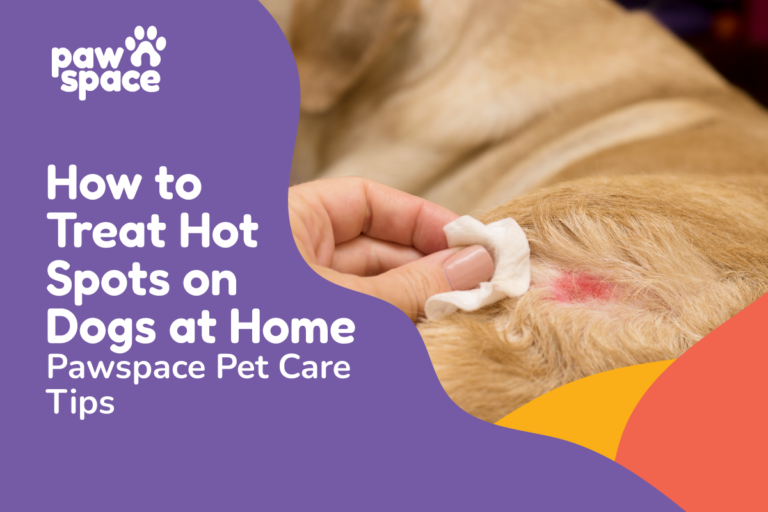
Learn how to treat a hot spot on a dog’s paw, including safe cleaning, preventing licking, possible causes, warning signs, and when veterinary care is needed.