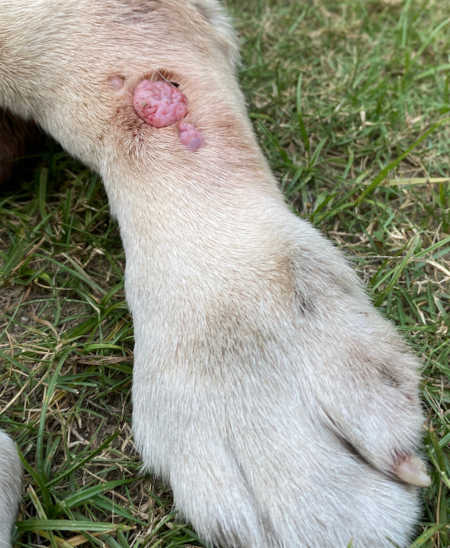
A bump on your dog’s paw can be caused by injury, infection, cysts, warts, allergies, or tumors.
Across the United States, dogs frequently visit veterinarians for paw problems ranging from minor irritation to more serious growths. If you are wondering why does my dog have a bump on her paw, the answer depends on the bump’s appearance, location, growth rate, and whether your dog is experiencing pain or limping.
Some paw bumps are harmless and resolve with treatment, while others require veterinary testing. Careful observation and early evaluation are important because many different conditions can look similar during the early stages.
Source: ar.inspiredpencil.com
Common Reasons Your Dog Has a Bump on Her Paw
The most common causes of paw bumps include infections, abscesses, interdigital cysts, foreign objects, allergic reactions, warts, and benign or malignant tumors.
Because many conditions look alike, visual inspection alone is rarely enough to determine the exact cause. Veterinary examination is often necessary for an accurate diagnosis.
Source: seniortailwaggers.com
Infection
Bacterial or fungal infections can create swollen, painful lumps.
Foreign Object
Grass seeds, splinters, or debris can become trapped and trigger swelling.
Growths
Benign and cancerous tumors can both appear as paw bumps.
Interdigital Cysts
Interdigital cysts develop between a dog’s toes and often appear as red, swollen bumps. They are commonly associated with inflammation, hair follicle damage, allergies, and chronic paw licking.
Typical Signs
Redness, swelling, licking, limping, and drainage between the toes.
How to Tell Whether the Bump Is Serious
Certain signs increase concern and justify prompt veterinary attention. These include rapid growth, bleeding, ulceration, severe pain, persistent limping, or changes in the bump’s appearance.
A bump that remains unchanged for a long period may still need evaluation, especially if your dog is older or the growth continues to return after treatment.
Source: seniortailwaggers.com
Rapid Growth
A quickly enlarging mass should be examined as soon as possible.
Persistent Pain
Pain, limping, or reluctance to walk may indicate a deeper problem.
Bleeding
Open sores or recurring bleeding require veterinary assessment.
Warning Signs That Need Immediate Care
Seek prompt veterinary attention if your dog cannot bear weight, develops severe swelling, shows signs of infection, or appears lethargic.
Emergency Symptoms
Severe pain, fever, extensive swelling, or uncontrolled bleeding.
How Veterinarians Diagnose Paw Bumps
Diagnosis begins with a physical examination and review of your dog’s medical history. The veterinarian will assess the size, texture, location, and duration of the bump.
Additional testing may include fine needle aspiration, biopsy, skin scraping, culture testing, or imaging studies. These procedures help identify whether the bump is inflammatory, infectious, or cancerous.
Source: storage.googleapis.com
Fine Needle Aspiration
Cells are collected and examined under a microscope.
Biopsy
A tissue sample provides a more definitive diagnosis.
Why Testing Matters
Different conditions can appear nearly identical. Testing helps ensure the correct treatment plan is selected.
Accurate Diagnosis
Proper testing reduces the risk of misdiagnosis.
Treatment Options for Dog Paw Bumps
Treatment depends entirely on the underlying cause. Infections may require antibiotics or antifungal medications, while foreign-body reactions may require removal of the trapped material.
Some growths can be monitored, while others require surgical removal. Cancerous masses often need additional treatment based on the tumor type and stage.
Source: www.reddit.com
Medication
Used for infections, allergies, and inflammation.
Surgery
May be recommended for tumors or recurring cysts.
Lifestyle Changes
Managing allergies may reduce recurring paw problems.
At-Home Care While Waiting for a Vet Visit
Prevent licking, keep the paw clean, and avoid applying human medications unless directed by a veterinarian.
Protect the Paw
Use an approved protective boot or bandage if recommended.
Can You Prevent Bumps on Your Dog’s Paws?
Not every paw bump is preventable, but routine paw inspections can help identify problems early. Checking your dog’s paws after walks may reveal cuts, splinters, or swelling before complications develop.
Regular grooming, allergy management, and maintaining a healthy weight may also reduce the risk of some paw conditions.
Source: storage.googleapis.com
Inspect Paws Frequently
Look for redness, swelling, and foreign material.
Manage Allergies
Reducing inflammation may lower the risk of recurrent paw lesions.
Routine Paw Care Checklist
Examine the paws weekly, trim excess hair, clean debris, and monitor any new growths.
Early Detection
Small problems are often easier to treat than advanced conditions.
Frequently Asked Questions
Q
Can a dog paw bump go away on its own?
Some minor inflammatory bumps may resolve, especially if caused by temporary irritation. However, persistent or growing bumps should be evaluated by a veterinarian.
Q
Are all paw bumps cancerous?
No. Many paw bumps are caused by infections, cysts, injuries, or benign growths. Testing is usually required to determine the exact cause.
Q
Why is my dog licking the bump on her paw?
Dogs often lick painful, itchy, or inflamed areas. Excessive licking can worsen irritation and delay healing.
Q
Should I squeeze a bump on my dog’s paw?
No. Squeezing a bump can cause pain, infection, and tissue damage. Allow a veterinarian to determine the safest treatment.
Q
When should I take my dog to the vet for a paw bump?
Schedule a veterinary visit if the bump grows, bleeds, causes limping, appears infected, or does not improve within a few days.
✦ Wrapping Up
Conclusion
If you are asking why does my dog have a bump on her paw, the cause could range from a minor injury to a more serious medical condition. The appearance of the bump alone rarely provides a complete answer.
Monitoring changes, preventing excessive licking, and seeking veterinary guidance when needed are the best ways to protect your dog’s health and comfort.
💡 Key Takeaway
Inspect the bump closely, watch for signs of pain or growth, and schedule a veterinary examination if the cause is unclear or symptoms worsen.
Learn how to treat scraped dog paws safely at home, when to see a veterinarian, how to prevent infection, and how to help your dog recover comfortably.
Learn why dogs tuck their paws when lying down, sitting, or resting. Discover normal behavioral reasons, possible health concerns, and signs that require veterinary attention.
Learn how to clean dog paws with vinegar safely. Discover the right vinegar mixture, step-by-step cleaning instructions, benefits, risks, and paw care tips for dogs.
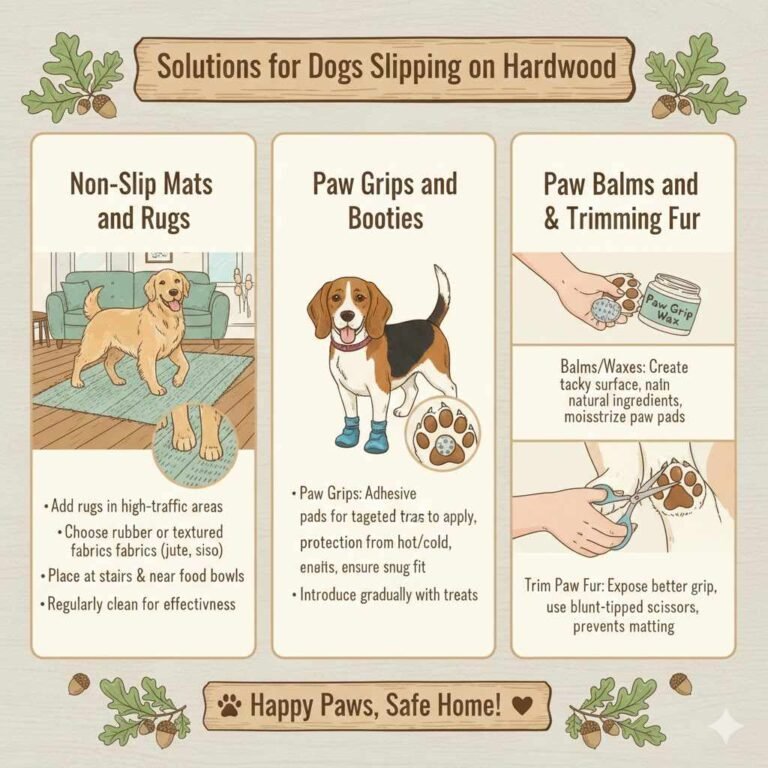
Learn how to stop dogs paws from slipping on hardwood, tile, and other smooth floors with proven traction tips, paw care, grip products, and home adjustments.
Learn how to treat red irritated dog paws safely. Discover common causes, step-by-step care, prevention tips, and signs that require veterinary attention.
Learn how to keep a bandage on a dog’s paw clean, dry, secure, and comfortable while watching for swelling, slipping, infection, and other warning signs.