Clean the paw, stop bleeding, protect the wound, and monitor for infection.
Across the United States, dogs commonly scrape their paw pads while running on pavement, hiking on rough trails, playing at parks, or walking on abrasive surfaces. Most minor scrapes can be treated at home with prompt cleaning and protection.
Understanding how to treat scraped dog paws helps reduce pain, lower the risk of infection, and support faster healing. Deep wounds, heavy bleeding, severe limping, or signs of infection require veterinary attention.
Source: jang.com.pk
What Is a Scraped Dog Paw?
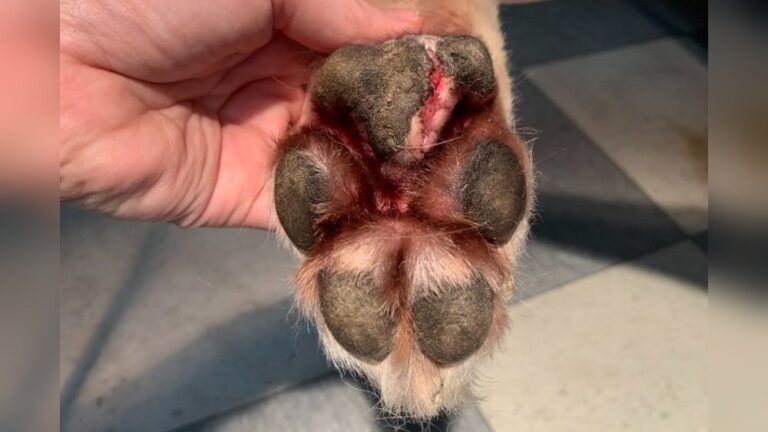
A scraped dog paw occurs when the outer layer of a paw pad is worn away by friction or rough surfaces. The injury may affect only the surface or extend deeper into sensitive tissue.
Dogs may limp, lick the paw repeatedly, leave small blood spots, or avoid putting weight on the affected foot.
Source: dhakapost.com
Common Causes
Hot pavement, rough concrete, gravel, rocky trails, and excessive running.
Typical Signs
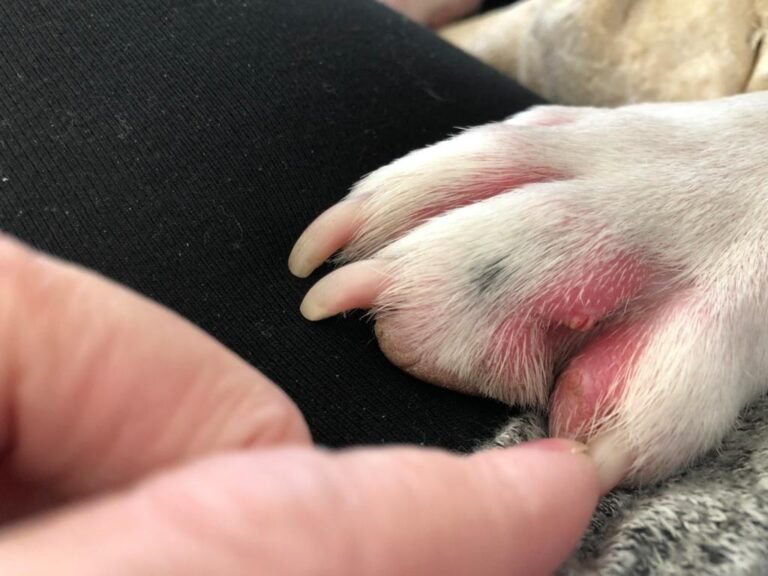
Redness, tenderness, limping, licking, and mild bleeding.
When a Scrape Is More Serious
A scrape may require professional treatment if tissue is deeply damaged, bleeding is difficult to control, or a foreign object is embedded in the paw.
Red Flag
Visible deep tissue or persistent bleeding.
How to Treat Scraped Dog Paws Step by Step
The first priority is cleaning the wound and preventing contamination. Calm your dog and examine the entire paw before beginning treatment.
Flush the area with clean water or sterile saline to remove dirt and debris. Gently pat the paw dry with a clean cloth.
Source: tbsnews.net
Step 1
Inspect the paw and remove visible debris.
Step 2
Rinse thoroughly with water or saline.
Step 3
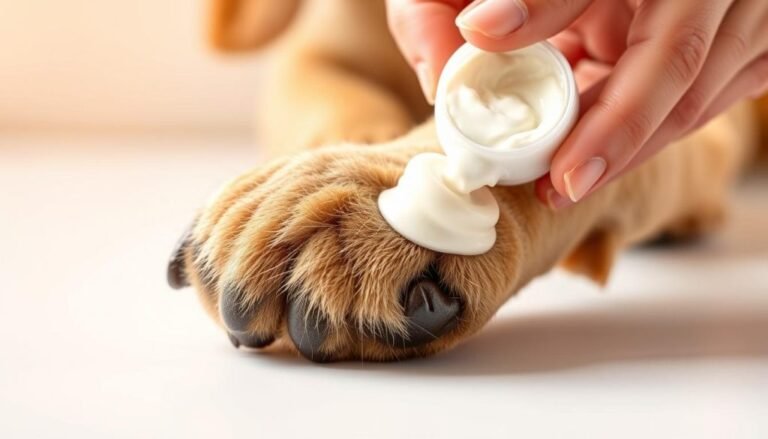
Apply a pet-safe antiseptic if recommended by your veterinarian.
Step 4
Cover with a clean non-stick dressing if needed.
Stopping Minor Bleeding
Apply gentle pressure with clean gauze for several minutes. Avoid repeatedly lifting the gauze to check the wound.
Pressure
Maintain steady pressure until bleeding slows.
Protecting the Paw During Healing
Protection helps prevent further damage and allows new tissue to develop. Limit running, rough play, and long walks while healing occurs.
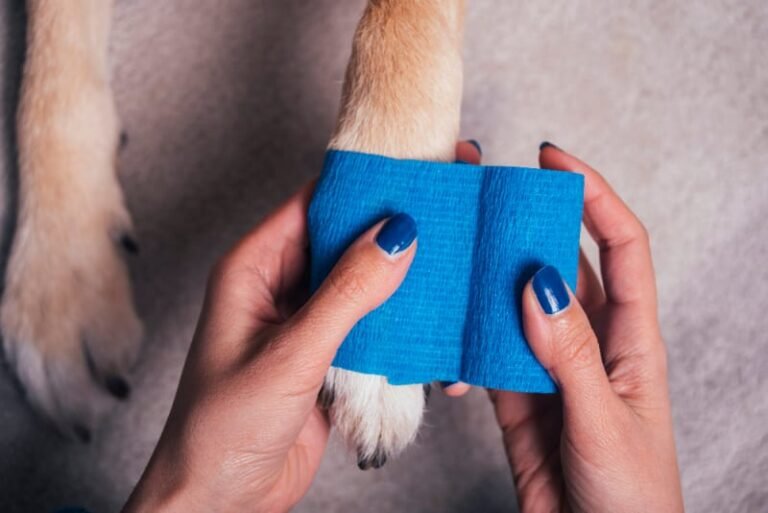
Use a clean bandage or veterinarian-approved paw boot when outdoor protection is necessary.
Source: bddigest.com
Keep It Clean
Replace dirty or wet bandages promptly.
Limit Activity
Reduce stress on the injured paw.
Prevent Excessive Licking
Many dogs lick wounds excessively, which can delay healing and introduce bacteria.
Use Protection
An e-collar may help prevent repeated licking.
Signs the Paw Is Healing or Getting Worse
A healing paw generally becomes less painful over time, and your dog gradually returns to normal activity.
Worsening symptoms may indicate infection or a deeper injury that requires veterinary evaluation.
Source: tbsnews.net
Healing Signs
Reduced redness, less limping, and healthy new tissue.
Warning Signs
Swelling, pus, odor, increased pain, or fever.
Expected Recovery Time
Minor scrapes often improve within several days, while deeper injuries may require weeks of recovery.
Recovery Factors
Depth of injury, activity level, and wound care quality.
When to Contact a Veterinarian
Veterinary care is important when a scrape is deep, contaminated, infected, or causing significant pain.
Prompt treatment can prevent complications and improve healing outcomes.
Source: jagonews24.com
Immediate Care Needed
Heavy bleeding, exposed tissue, or inability to bear weight.
Medical Evaluation
Persistent limping or signs of infection.
Common Veterinary Treatments
Veterinarians may clean the wound, prescribe medications, bandage the paw, or investigate underlying injuries.
Professional Support
Treatment depends on injury severity and contamination level.
Frequently Asked Questions
Q
Can a scraped dog paw heal on its own?
Many minor scrapes heal on their own when kept clean and protected. Monitoring for infection remains important.
Q
Should I bandage a scraped paw?
A light protective bandage can help in some cases, especially outdoors. It should be changed regularly and not wrapped tightly.
Q
How long does a scraped paw pad take to heal?
Minor scrapes may improve within days, while deeper injuries can take several weeks depending on severity and activity levels.
Q
Can I walk my dog with a scraped paw?
Short, controlled walks may be possible for mild injuries. Avoid rough terrain until healing progresses.
Q
What are signs of infection in a scraped dog paw?
Swelling, discharge, foul odor, increased redness, worsening pain, and persistent limping can indicate infection.
✦ Wrapping Up
Conclusion
Learning how to treat scraped dog paws can help you respond quickly when minor injuries occur. Cleaning, protecting, and monitoring the paw are the foundations of effective care.
Most superficial scrapes improve with proper home management, but deeper wounds and signs of infection require veterinary attention.
💡 Key Takeaway
Inspect the paw immediately, clean the wound thoroughly, reduce activity, and seek veterinary care if healing does not progress normally.
Learn how to treat pododermatitis dog paw problems with step-by-step care, treatment options, home management, prevention tips, and signs that require veterinary attention.
Learn how to treat a deep cut on dog paw with safe first aid steps, bandaging tips, infection warning signs, and guidance on when emergency veterinary care is needed.
Learn how to treat a torn paw pad on dog with step-by-step first aid, bandaging tips, healing timelines, infection signs, and guidance on when veterinary care is needed.
Learn why your dog’s paws may be red between the toes, including allergies, infections, irritation, injuries, and interdigital furuncles, plus when veterinary care is needed.