Redness between a dog’s toes is usually a sign of inflammation and can be caused by allergies, irritation, trauma, bacterial or yeast overgrowth, parasites, or an interdigital infection. If the redness is persistent, painful, swollen, draining, or accompanied by limping, a veterinarian should examine the paw.
For dog owners in the United States, red skin between the toes is a common reason to pay closer attention to a dog’s paws. Veterinarians generally describe inflammation of the paw as pododermatitis, but that term describes a clinical problem rather than one specific disease. The underlying cause can range from environmental irritation and allergies to infection, a foreign object, or deeper inflammation.
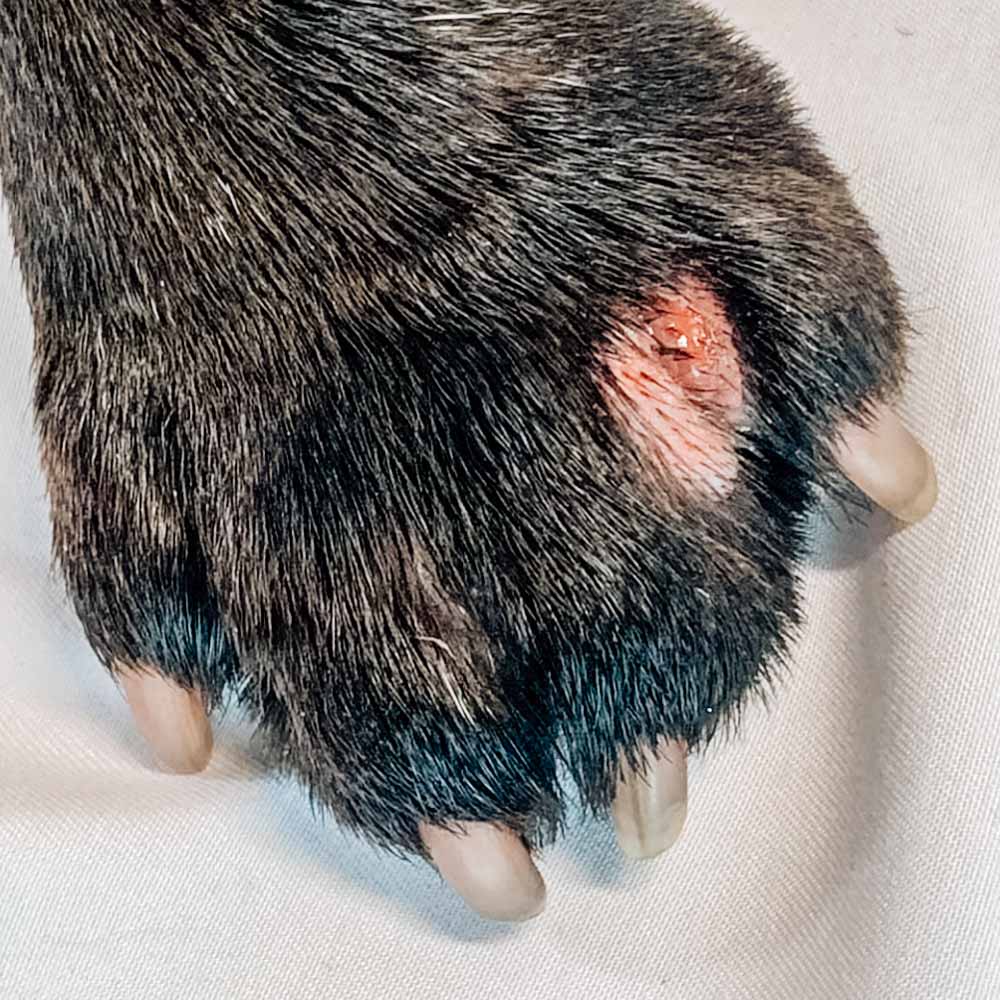
The appearance alone cannot reliably identify the cause. A dog with itchy red paws may have allergic skin disease, while a dog with a painful lump between the toes may have an interdigital furuncle or another localized problem. Veterinary evaluation is particularly important when the condition keeps returning or when there is swelling, discharge, odor, significant pain, or difficulty walking.
Source: bubblypet.com
What Does Redness Between a Dog’s Toes Mean?
Red skin between the toes means the tissue is inflamed. In veterinary medicine, inflammation affecting the paws is commonly called pododermatitis. The inflammation may involve the skin between the toes, the hair follicles, the nails, the paw pads, or deeper tissues.
The most useful clues are what accompanies the redness. Mild redness with itching may point toward allergic or irritant dermatitis, while swelling, nodules, pain, discharge, or a draining tract can indicate a deeper infection or interdigital furuncle. Because several conditions can look similar, the pattern and progression matter more than redness alone.
Source: dreamstime.com
Red and itchy
Allergic skin disease, environmental irritation, or secondary yeast or bacterial overgrowth may be involved.
Red and swollen
Inflammation, infection, trauma, or an embedded foreign object should be considered.
Red with a lump
A painful nodule between the toes can be consistent with an interdigital furuncle.
Red with discharge
Pus, blood, or other drainage can indicate a more significant inflammatory or infectious process.
Common Reasons Your Dog’s Paws Are Red Between the Toes
Several conditions can cause redness between a dog’s toes. Allergies and irritation are common possibilities, but bacterial or yeast infections, trauma, parasites, foreign material, and deeper interdigital inflammation can produce similar signs.
A veterinarian may need to examine the paw and perform tests such as skin cytology, skin scrapings, hair examination, culture, or other diagnostics when the cause is uncertain, recurrent, or severe.
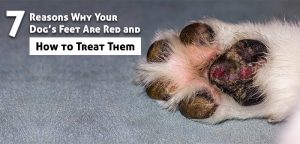
Source: animalia-life.club
Allergies
Environmental allergies, food-related hypersensitivity, and other allergic skin disorders can cause itchy, inflamed paws. Dogs may lick or chew their feet repeatedly, which can further injure the skin.
Bacterial infection
Bacteria can overgrow when the skin barrier is damaged by allergies, moisture, licking, trauma, or another underlying condition. Infection may produce redness, swelling, pustules, odor, pain, or discharge.
Yeast overgrowth
Yeast can contribute to inflamed, itchy paws, particularly when an underlying allergic or skin-barrier problem creates a favorable environment for overgrowth.
Irritation or contact dermatitis
Repeated exposure to irritating surfaces or substances can inflame the skin between the toes. Friction, rough ground, excessive exercise, or chemical exposure can also contribute.
Foreign material or injury
Grass awns, splinters, small pieces of debris, or other foreign material can become lodged in the paw and cause localized inflammation. A sudden problem affecting one paw is particularly worth checking for an injury or foreign object.
Interdigital furunculosis
Interdigital furuncles are deeper inflammatory lesions involving the skin between the toes. They may appear as painful red or reddish-purple nodules and can be associated with bacterial infection, follicular trauma, allergies, conformation, or foreign-body reactions.
Parasites or other skin disease
Certain mites and other dermatologic conditions can contribute to paw inflammation. Recurrent or widespread skin problems may require testing to identify the underlying disorder.
How to Check Your Dog’s Red Paw Safely
If your dog allows gentle handling and is not showing severe pain, you can inspect the paw in good light. The goal is to observe the problem, not to diagnose it or squeeze a lesion.
Compare the affected paw with the other paws. Look at the spaces between the toes, the paw pads, nails, and surrounding hair. Note whether the redness is present on one paw or several and whether there are bumps, cracks, swelling, odor, discharge, bleeding, or a visible foreign object.
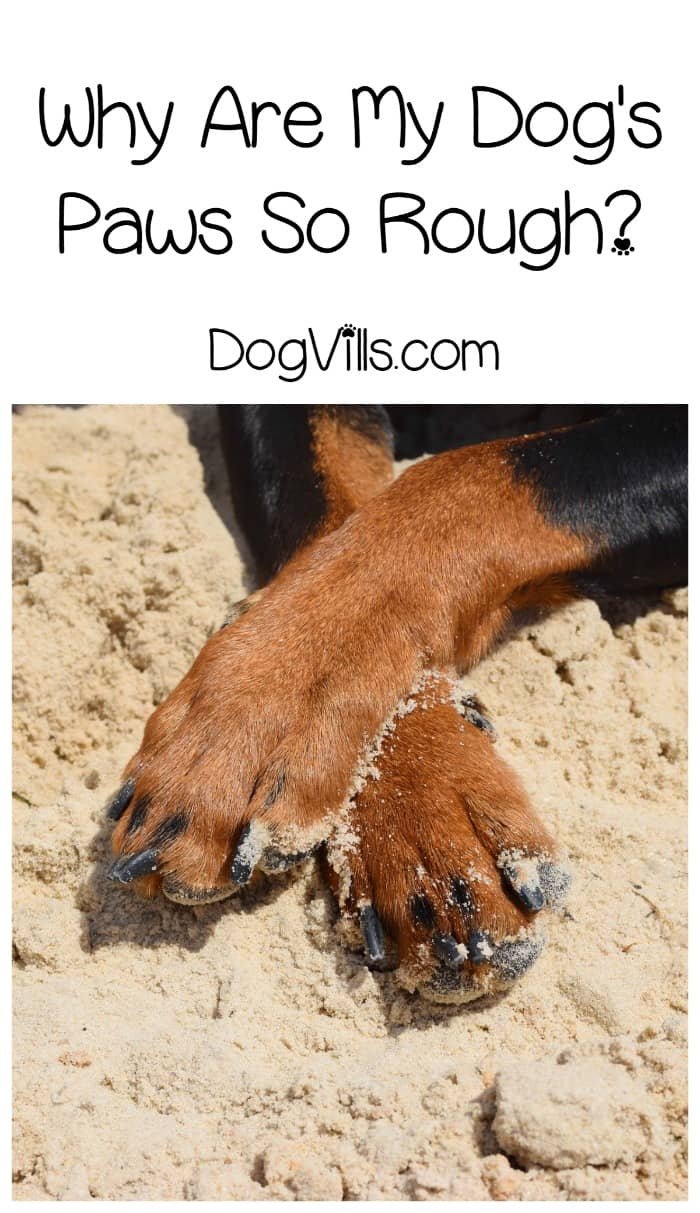
Source: weeweefrenchie.com
Check the distribution
Redness affecting several paws can fit a broader skin problem such as allergies, while a single suddenly affected paw may make trauma or a foreign object more likely.
Look for a lump
A distinct painful bump between the toes should not be treated as simple surface irritation without veterinary assessment.
Watch your dog’s behavior
Persistent licking, chewing, reluctance to walk, or limping provides useful information about discomfort and severity.
Do not squeeze or puncture
Trying to pop or drain a swollen lesion at home can worsen tissue injury and may complicate an infection.
What Information Should You Give Your Veterinarian?
Tell the veterinarian when the redness began, whether it is getting better or worse, whether your dog is licking the paw, and whether one or multiple feet are affected. Mention recent walks, changes in surfaces or cleaning products, grooming, diet changes, previous skin problems, and any treatments already used.
Useful observation
A photo taken when the redness first appeared can help document how the lesion has changed over time.
Recurring cases
Repeated episodes are especially important to report because recurrent paw inflammation can indicate an unresolved allergy, infection, parasite, anatomical factor, or another underlying condition.
When Red Paws Between the Toes Need Veterinary Care
A veterinarian should evaluate persistent or worsening redness, especially when the dog is painful or the skin is damaged. Prompt assessment is appropriate when there is a swollen lump, pus, bleeding, significant odor, an open wound, repeated recurrence, or difficulty bearing weight.
Deep interdigital lesions can require more than surface care. Veterinary diagnosis may involve cytology, bacterial culture and susceptibility testing, skin scrapings, hair examination, or other tests depending on the appearance and history. Treating only the visible redness without addressing an underlying allergy, parasite, foreign body, or other trigger can allow the problem to return.
Source: vetsupply.com.au
Contact a veterinarian promptly
Seek professional care for marked swelling, significant pain, limping, draining lesions, pus, bleeding, rapidly worsening inflammation, or a suspected embedded foreign object.
Arrange an appointment for persistent redness
Redness that does not resolve or repeatedly returns deserves an examination even if your dog remains active.
Do not self-prescribe medication
Antibiotics, antifungals, steroids, and other medications are not interchangeable. The correct treatment depends on the diagnosis and may require testing.
Why Recurrent Redness Deserves More Investigation
Recurrent interdigital inflammation is often a sign that something is continuing to trigger the skin problem. Allergic dermatitis, chronic licking, anatomical pressure, recurrent infection, parasites, or a foreign-body reaction may all need to be considered. In recurrent cases, identifying and managing the underlying cause is generally more useful than repeatedly treating the same visible symptom.
Repeated infections
Recurring bacterial or yeast problems may occur because an underlying skin condition remains active.
Persistent lesions
Unusual or nonhealing nodules may require additional diagnostic investigation rather than repeated home treatment.
How Veterinarians Diagnose and Treat Redness Between the Toes
Treatment depends on the cause. A veterinarian may first perform a physical and dermatologic examination, then select diagnostic tests based on the lesion’s appearance, location, duration, and recurrence. This approach matters because allergy, infection, trauma, parasites, and foreign bodies can produce overlapping signs.
For bacterial or yeast involvement, treatment may include veterinarian-directed topical therapy and, when appropriate, systemic medication. Deeper or recurrent lesions may require culture, susceptibility testing, or additional investigation. When allergies are the primary driver, controlling the underlying allergic disease becomes part of preventing repeated paw inflammation.
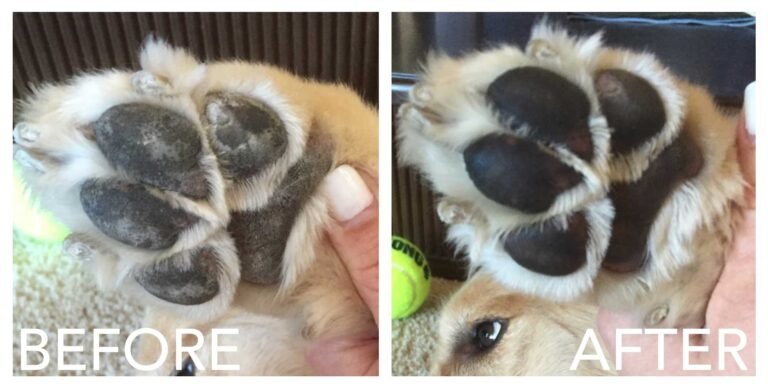
Source: animalia-life.club
Surface inflammation
Milder cases may be managed with appropriate veterinary-directed cleansing or topical treatment after the cause has been assessed.
Deep infection or furunculosis
Painful nodules and deeper lesions can require longer treatment and investigation of factors that caused the inflammation.
Allergy-related disease
Management focuses on reducing allergic inflammation and treating secondary infections when present.
Foreign body
A veterinarian may need to locate and remove an embedded object when one is responsible for persistent localized inflammation.
What You Can Do While Waiting for an Appointment
Keep the paw clean and dry and reduce exposure to surfaces or substances that appear to worsen the irritation. Preventing excessive licking may also help limit additional trauma. Avoid squeezing lumps, cutting into the skin, or applying human medications unless a veterinarian specifically tells you to use them.
Keep the paw clean
Gentle cleaning appropriate for dogs can remove surface debris, but aggressive scrubbing can further irritate inflamed skin.
Keep it dry
Moisture between the toes can contribute to an environment where microorganisms multiply more easily.
Limit further irritation
Temporarily avoid activities or surfaces that clearly make the paw more painful or inflamed.
Frequently Asked Questions
Q
Why are my dog’s paws red between the toes but not swollen?
Mild redness without swelling can occur with allergies, irritation, early inflammation, or repeated licking. However, the absence of swelling does not identify the cause. If the redness persists, spreads, becomes itchy, or is accompanied by licking or chewing, a veterinary examination can help determine the underlying problem.
Q
Can allergies cause red skin between a dog’s toes?
Yes. Allergic skin disease can cause itchy, inflamed paws, and repeated licking can further damage the skin. Environmental allergens and food-related hypersensitivity are among the possible triggers. Secondary bacterial or yeast overgrowth can develop when the skin barrier is disrupted.
Q
Is redness between my dog’s toes always an infection?
No. Infection is one possibility, but allergies, irritation, trauma, foreign material, parasites, and other skin disorders can also cause redness. Because these conditions can look alike, antibiotics or antifungal medication should not be assumed to be appropriate without determining the cause.
Q
Why does my dog keep licking the red skin between the toes?
Licking can be a response to itching, pain, or irritation. Allergies are one common reason for persistent paw licking, but infection, a foreign body, and deeper inflammation can also cause discomfort. Repeated licking can make the skin more inflamed and increase the risk of secondary infection.
Q
When should I worry about a red bump between my dog’s toes?
A painful, swollen, draining, or rapidly enlarging bump deserves veterinary attention. Interdigital furuncles can appear as painful nodules between the toes and may involve deeper inflammation or infection. Do not attempt to pop or puncture the bump at home.
✦ Wrapping Up
Conclusion
When a dog’s paws are red between the toes, the redness is best viewed as a sign of inflammation rather than a diagnosis. Allergies, irritation, infection, trauma, parasites, foreign material, and interdigital furuncles are among the important possibilities.
The next step depends on severity and persistence. A dog with mild, recent redness can be monitored closely while avoiding obvious irritants, but ongoing redness, recurrent episodes, painful swelling, discharge, or limping should be evaluated by a veterinarian. Proper diagnosis is especially important when the problem keeps returning because treating the underlying trigger can be necessary to prevent repeated paw inflammation.
💡 Key Takeaway
Inspect the affected paw gently, keep it clean and dry, prevent further licking or irritation, and contact your veterinarian if the redness persists, worsens, becomes painful, develops a lump or discharge, or affects your dog’s ability to walk.
Learn why your dog’s paws may be rough, dry, or cracked, from normal paw-pad wear to allergies, irritation, injury, and hyperkeratosis, plus safe care tips.
Learn how to keep dog’s paws from getting muddy with proven strategies, paw protection methods, grooming tips, and easy cleanup routines for cleaner homes and healthier paws.
Learn how to treat red irritated dog paws safely. Discover common causes, step-by-step care, prevention tips, and signs that require veterinary attention.
Learn how to stop dog from licking paws home remedy coconut methods safely. Discover causes, application steps, limitations, and when to contact a veterinarian.
Learn how to treat dog paws burn from pavement with safe first aid steps, recovery tips, warning signs, and prevention methods to protect your dog’s paw pads.