Clean the wound, control bleeding, bandage the paw, limit activity, and seek veterinary care for deep or severe tears.
In the United States, torn paw pads are a common reason dogs visit veterinary clinics after running on rough trails, hot pavement, broken glass, ice, or other abrasive surfaces. Paw pads protect the foot and help absorb shock, so even a small tear can be painful and affect mobility.
Understanding how to treat a torn paw pad on dog starts with immediate first aid. Prompt cleaning, bleeding control, proper bandaging, and careful monitoring can reduce complications. However, deep tears, heavy bleeding, or wounds involving large sections of the pad often require professional veterinary treatment.
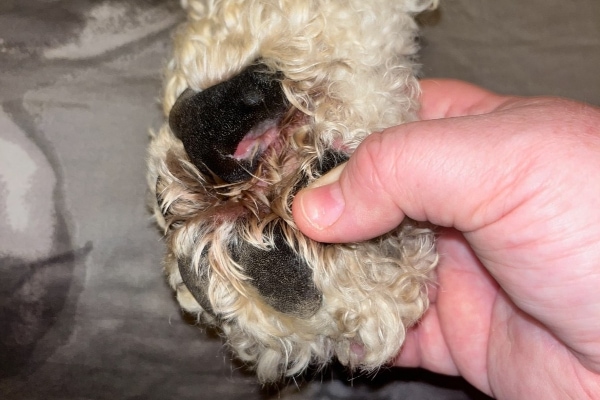
Source: screamcamp.co.uk
What Is a Torn Paw Pad and Why Is It Serious?
A torn paw pad occurs when part of the tough tissue on the bottom of a dog’s foot becomes cut, ripped, or partially detached. The injury may range from a minor surface abrasion to a deep flap of tissue hanging from the paw.
Unlike ordinary skin, paw pads support body weight every time a dog walks. Constant pressure and exposure to dirt can slow healing and increase the risk of infection if the injury is not managed properly.
Source: animalia-life.club
Minor tear
Small crack or superficial injury with limited bleeding.
Moderate tear
Deeper wound causing noticeable limping and discomfort.
Severe tear
Large flap, heavy bleeding, exposed tissue, or inability to bear weight.
Common Causes of Torn Paw Pads
Dogs commonly tear paw pads on sharp rocks, broken glass, rough concrete, hot pavement, icy surfaces, and during intense physical activity. Hunting, hiking, agility sports, and long-distance running can also contribute to pad injuries.
Environmental hazards
Glass, metal, rough terrain, and extreme temperatures.
Activity-related injuries
Running, jumping, hiking, and sporting events.
How to Treat a Torn Paw Pad on Dog Step by Step
The first goal is to protect your dog from additional injury while controlling bleeding and reducing contamination. Staying calm helps make the process safer and easier.
If your dog is frightened or in pain, use caution while handling the paw. Some dogs may react defensively when injured.
Source: animalia-life.club
Gather supplies
Clean water, sterile gauze, bandage material, and pet-safe antiseptic.
Limit movement
Prevent running and jumping until the injury is evaluated.
Step 1: Stop the Bleeding
Apply gentle pressure with sterile gauze or a clean cloth for several minutes. Avoid repeatedly lifting the material to check the wound because this can restart bleeding.
Apply steady pressure
Maintain pressure until bleeding slows significantly.
Step 2: Clean the Wound
Rinse the paw with clean water or sterile saline solution. Carefully remove dirt, debris, or small particles that may remain in the wound.
Avoid harsh chemicals
Do not use products that may damage healing tissue.
Step 3: Bandage the Paw
Place a non-stick dressing over the wound and wrap the paw with soft bandage material. The wrap should be snug enough to stay in place but not tight enough to restrict circulation.
Check circulation
Toes should remain warm and normally colored.
When a Torn Paw Pad Requires Veterinary Care
Not all paw pad injuries can be safely managed at home. Some wounds require professional cleaning, medication, pain management, or surgical repair.
A veterinarian can determine whether stitches, specialized bandaging, antibiotics, or additional diagnostics are necessary.
Source: storage.googleapis.com
Heavy bleeding
Bleeding that does not stop after sustained pressure.
Large tissue flap
Significant portions of the pad are detached or hanging.
Severe lameness
The dog refuses to bear weight on the affected foot.
Emergency Warning Signs
Seek immediate veterinary attention if the wound is deep, contaminated, severely painful, or associated with excessive swelling or persistent bleeding.
Visible deep tissue
Exposed structures may indicate a serious injury.
Healing Time and Recovery Expectations
Recovery time depends on the size and depth of the tear. Small injuries may improve within one to two weeks, while larger tears can take several weeks or longer to heal fully.
The paw pad constantly contacts the ground, so restricting activity is often one of the most important parts of recovery.
Source: share.havytab.com
Short walks only
Reduce pressure on the healing tissue.
Keep bandages dry
Moisture can slow healing and encourage infection.
Signs Healing Is Progressing Well
Healthy healing typically includes reduced swelling, less pain, improved walking, and gradual closure of the wound without discharge.
Improved mobility
The dog gradually places more weight on the paw.
Common Mistakes That Can Delay Healing
Many complications occur because owners underestimate the severity of the injury or allow the dog to resume normal activity too soon.
Avoiding common mistakes can significantly improve the chances of successful healing.
Source: animalia-life.club
Ignoring persistent bleeding
Continued bleeding often signals a more serious injury.
Allowing excessive licking
Licking can reopen wounds and introduce bacteria.
Using tight bandages
Excessive pressure may impair circulation.
Preventing Future Paw Pad Injuries
Inspect paws regularly, avoid hazardous surfaces, and consider protective footwear during hiking, winter conditions, or exposure to hot pavement.
Routine paw checks
Early detection helps prevent more serious injuries.
Decision Guide for Torn Paw Pad Severity
The appropriate response depends on how extensive the injury appears and whether your dog can comfortably use the affected paw.
When in doubt, veterinary evaluation is the safest choice because paw pad injuries can look minor while involving deeper tissue damage.
Deep tear, exposed tissue, heavy bleeding, or inability to walk.
What to Do if Home Care Fails
If swelling increases, pain worsens, discharge develops, or the wound fails to improve within several days, contact a veterinarian for further assessment.
Monitor daily
Changes in appearance can indicate complications.
Frequently Asked Questions
Q
Can a torn paw pad heal on its own?
Minor tears may heal with proper cleaning, protection, and rest. Deep or extensive tears often require veterinary treatment to heal correctly.
Q
How long does a torn dog paw pad take to heal?
Small injuries may improve within one to two weeks, while more severe tears can take several weeks depending on depth, location, and activity level.
Q
Should I let my dog lick a torn paw pad?
No. Excessive licking can introduce bacteria, reopen the wound, and delay healing. Protective collars may be necessary in some cases.
Q
Can I walk my dog with a torn paw pad?
Limit walks until the wound is healing well. Short leash walks for bathroom breaks are generally safer than unrestricted activity.
Q
What are signs of infection in a paw pad injury?
Common signs include swelling, redness, discharge, foul odor, increasing pain, and worsening limping. Veterinary evaluation is recommended if these signs appear.
✦ Wrapping Up
Conclusion
Learning how to treat a torn paw pad on dog can help reduce pain, limit complications, and support faster healing. Immediate first aid includes stopping bleeding, cleaning the wound, protecting the paw, and restricting activity.
While some minor tears can recover with careful home management, deep wounds, persistent bleeding, severe limping, or signs of infection require veterinary attention. Early treatment often leads to a smoother recovery and a lower risk of long-term problems.
💡 Key Takeaway
Clean and bandage the injured paw immediately, monitor healing daily, and contact a veterinarian if the tear is deep, heavily bleeding, or not improving.
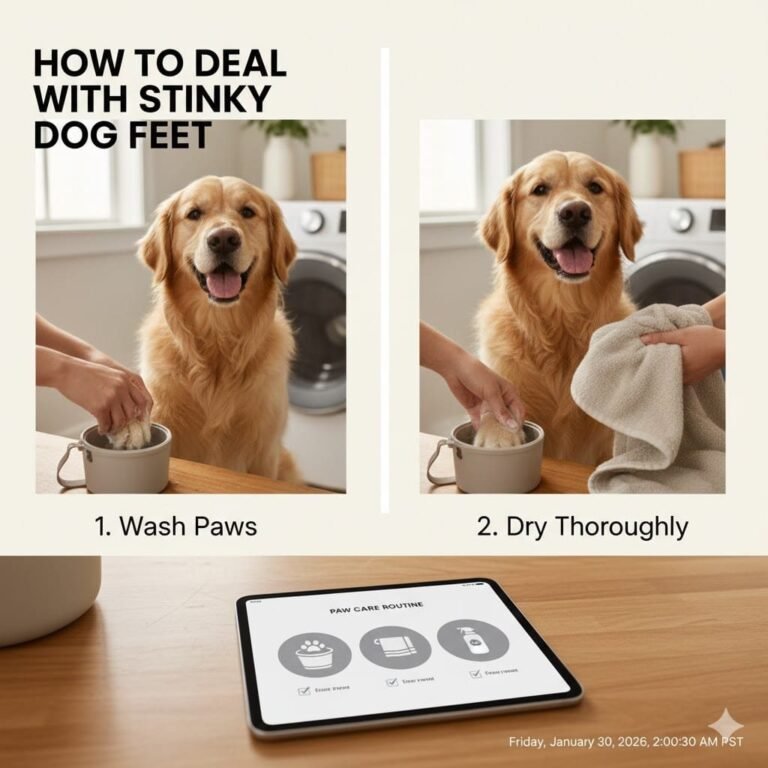
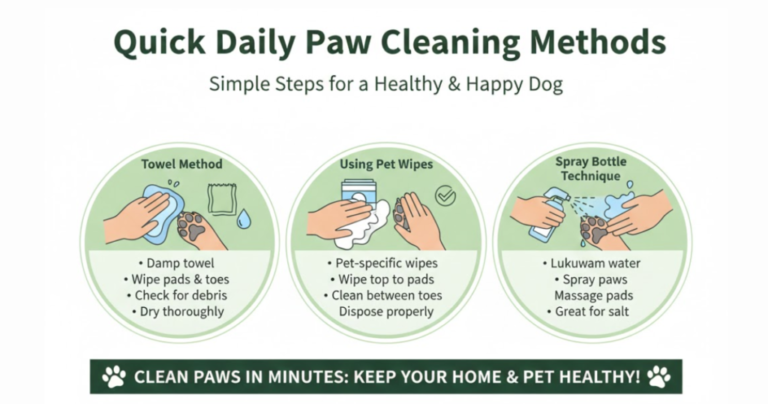
Learn how to treat smelly dog paws, including safe cleaning, drying, odor causes, yeast and bacterial infection signs, prevention, and when veterinary care is needed.
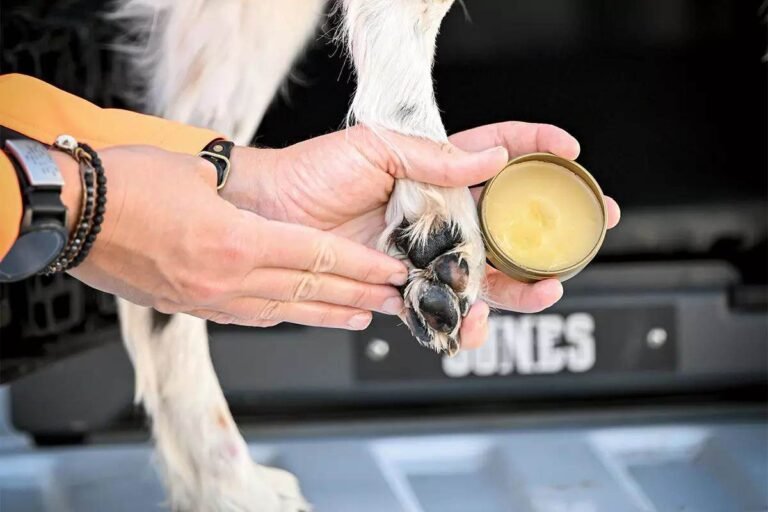
Learn how to protect dog paws without boots using paw balm, route planning, surface management, and seasonal care. Discover practical ways to keep your dog’s paws healthy year-round.
Learn how to measure dog paws for boots accurately using simple household supplies, how to choose the right size, and how to check the fit before walks.
Learn how to treat cracked dog paws safely at home. Discover common causes, step-by-step treatment, prevention tips, and signs that require veterinary care.
Learn how to remove a foxtail from a dog’s paw when it is loose or clearly visible, recognize embedded foxtails, and know when veterinary care is needed.