Stop bleeding, clean the wound, bandage the paw, and seek veterinary care for deep cuts.
In the United States, dogs commonly suffer paw injuries from broken glass, sharp rocks, metal debris, hot pavement, and outdoor hazards. Knowing how to treat a deep cut on dog paw can help reduce bleeding, lower infection risk, and protect the injured tissue until professional care is available.
A deep paw cut is more serious than a minor scrape. Cuts that gape open, bleed heavily, expose underlying tissue, or affect a paw pad often require veterinary treatment. Immediate first aid is important, but home care should never replace professional evaluation when the injury is severe.
Source: wagandcluck.com
How Serious Is a Deep Cut on a Dog Paw?
A deep cut on a dog’s paw can damage skin, paw pads, blood vessels, and underlying tissues. Because dogs place weight on their paws constantly, these injuries are difficult to keep clean and can reopen easily.
Paw pad injuries tend to bleed heavily because the area contains many blood vessels. Even when bleeding slows, bacteria and debris can enter the wound if it is not cleaned and protected properly.
Source: storage.googleapis.com
Minor Cut
Small, shallow, and stops bleeding quickly.
Moderate Cut
Deeper skin damage with persistent bleeding and discomfort.
Severe Cut
Large wound, exposed tissue, heavy bleeding, or inability to bear weight.
Signs That a Cut Is Deep
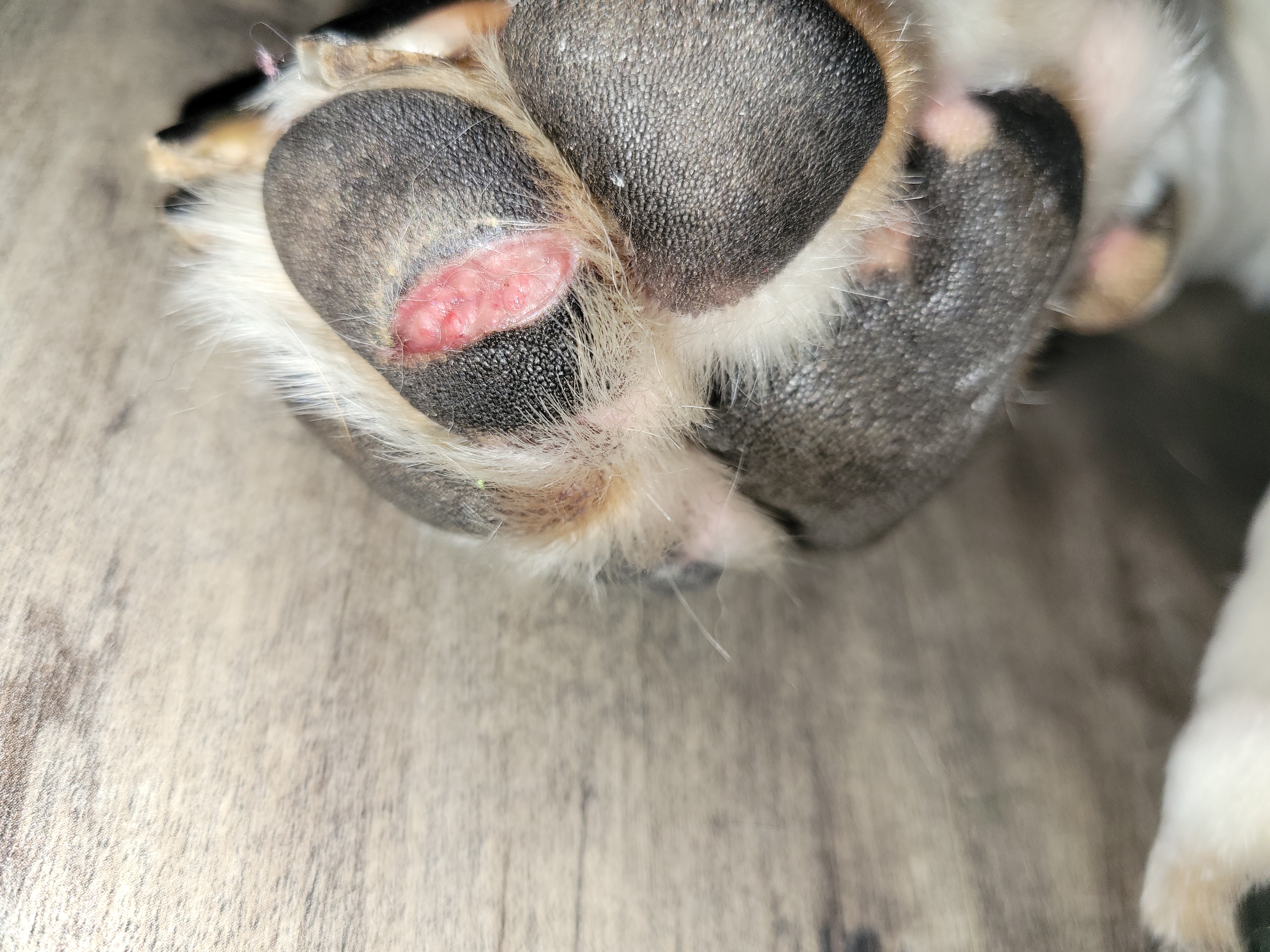
A wound may be considered deep if the edges separate, underlying tissue is visible, bleeding continues despite pressure, or the dog shows severe pain and limping.
Visible Tissue
Pink, red, or yellow tissue can indicate a deeper injury.
Heavy Bleeding
Bleeding that does not slow after several minutes requires urgent attention.
Step-by-Step: How to Treat a Deep Cut on Dog Paw
The goal of first aid is to stop bleeding, reduce contamination, and protect the injured area until the dog can heal or receive veterinary treatment.
Work calmly and safely. Some dogs may bite when in pain, so use caution and ask for help if needed.
Source: YouTube > Veterinary Secrets
Gather Supplies
Clean gauze, bandage material, saline solution, and medical tape.
Limit Movement
Keep the dog still to reduce bleeding and further damage.
First Aid Procedure
Apply firm pressure with clean gauze for several minutes. Once bleeding slows, rinse the wound with sterile saline or clean water. Remove visible dirt gently, then cover the wound with a sterile dressing and secure a bandage around the paw.
Apply Pressure
Maintain steady pressure without repeatedly checking the wound.
Clean Carefully
Flush debris away without scrubbing damaged tissue.
Bandage Properly
Keep the bandage snug but not tight enough to restrict circulation.
When Should You Take Your Dog to the Veterinarian?
Many deep paw cuts require professional treatment. A veterinarian can determine whether stitches, surgical cleaning, antibiotics, pain management, or protective dressings are needed.
Do not delay care if the wound is severe, heavily contaminated, or continues to bleed.
Source: chowpownow.com
Persistent Bleeding
Bleeding that continues after ten to fifteen minutes of direct pressure.
Large Open Wound
Wounds with separated edges or exposed tissue.
Foreign Object
Glass, metal, wood, or other objects embedded in the paw.
Emergency Warning Signs
Seek urgent veterinary attention if your dog becomes weak, pale, excessively lethargic, or cannot place weight on the injured paw.
Shock Risk
Severe blood loss can become a medical emergency.
How to Prevent Infection During Healing
Infection is one of the biggest concerns after a deep paw injury. Dogs walk on surfaces that contain bacteria, dirt, and moisture, making wound protection essential.
Check the bandage daily and replace it if it becomes wet, dirty, loose, or damaged.
Source: wagandcluck.com
Keep Dry
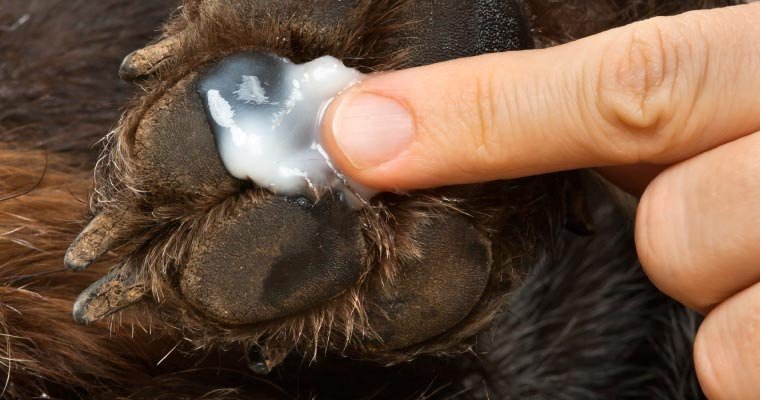
Use a protective cover outdoors and remove it indoors.
Prevent Licking
Use an Elizabethan collar if necessary.
Signs of Infection
Contact your veterinarian if you notice redness, swelling, heat, pus, foul odor, increasing pain, or delayed healing.
Discharge
Yellow, green, or foul-smelling drainage is abnormal.
Swelling
Increasing swelling may indicate infection or inflammation.
Common Mistakes to Avoid
Some well-intended actions can worsen a paw injury. Avoid using products or techniques that may delay healing or cause additional tissue damage.
Following proper wound-care practices improves the chance of uncomplicated recovery.
Source: pawflick.com
Using Harsh Chemicals
Avoid alcohol or hydrogen peroxide directly on deep wounds.
Bandaging Too Tightly
Restricted circulation can cause additional injury.
Ignoring Limping
Persistent pain may indicate deeper tissue damage.
What Success Looks Like
Healthy healing usually includes reduced swelling, minimal drainage, less pain, and gradual closure of the wound over time.
Improving Mobility
The dog gradually places more weight on the affected paw.
Frequently Asked Questions
Q
Can a deep cut on a dog paw heal on its own?
Some deep cuts may heal without stitches, but healing is slower and complications are more likely. Veterinary evaluation is recommended for significant wounds.
Q
How long does a deep paw cut take to heal?
Healing time varies based on depth, location, infection risk, and treatment. Many uncomplicated injuries improve within several weeks, while severe wounds may take longer.
Q
Should I use hydrogen peroxide on my dog’s paw cut?
Hydrogen peroxide can damage healthy tissue and may delay healing. Clean water or sterile saline is generally a safer option for wound flushing.
Q
How do I stop my dog from licking the injured paw?
An Elizabethan collar, recovery collar, or veterinary-approved protective device can help prevent licking and chewing.
Q
Can a dog walk after a deep paw cut?
Walking should be limited initially. Excessive activity can reopen the wound, increase bleeding, and delay recovery.
✦ Wrapping Up
Conclusion
Knowing how to treat a deep cut on dog paw starts with controlling bleeding, cleaning the wound, and protecting it with a proper bandage. Fast action can reduce complications and support healing.
Because deep paw injuries can involve significant tissue damage and infection risk, veterinary care is often the safest choice. Monitor healing closely and seek professional help whenever symptoms worsen.
💡 Key Takeaway
If your dog has a deep paw cut, provide immediate first aid, limit activity, and contact a veterinarian promptly for an accurate assessment and treatment plan.
Learn why your dog’s paws may look yellow, from saliva staining and yeast overgrowth to dirt, irritation, and pad problems, plus when veterinary care is needed.
Learn how to soak dogs paws safely with warm water or veterinarian-approved solutions, when paw soaks help, what to avoid, and when to call a veterinarian.
Learn how to treat sore dog paws between toes with safe home care, cleaning steps, paw protection tips, and guidance on when veterinary treatment is needed.
Learn how to treat burned dog paws safely, when to contact a veterinarian, how long recovery takes, and how to prevent paw pad burns from hot surfaces.
Learn how to clean dog paws with vinegar safely. Discover the right vinegar mixture, step-by-step cleaning instructions, benefits, risks, and paw care tips for dogs.