To soak a dog’s paws safely, use a clean shallow container and comfortably warm water, gently immerse the affected paw, inspect between the toes and pads, then rinse when appropriate and dry the paw thoroughly. If your veterinarian has prescribed a medicated soak, use the exact product, dilution, contact time, and frequency they recommend.
For dogs in the United States, a paw soak can be a simple way to remove dirt, road salt, grass residue, or other irritants from the feet. Warm water is generally appropriate for routine cleaning, while warm saline may be recommended for some minor wounds. A soak is supportive care, not a substitute for diagnosing persistent paw problems.
The safest approach depends on why the paw needs soaking. A dirty paw may only need clean water, while an irritated or infected paw may require veterinary-directed treatment. Dogs with persistent licking, swelling, limping, discharge, open wounds, burns, or recurring inflammation should be evaluated rather than repeatedly treated at home.
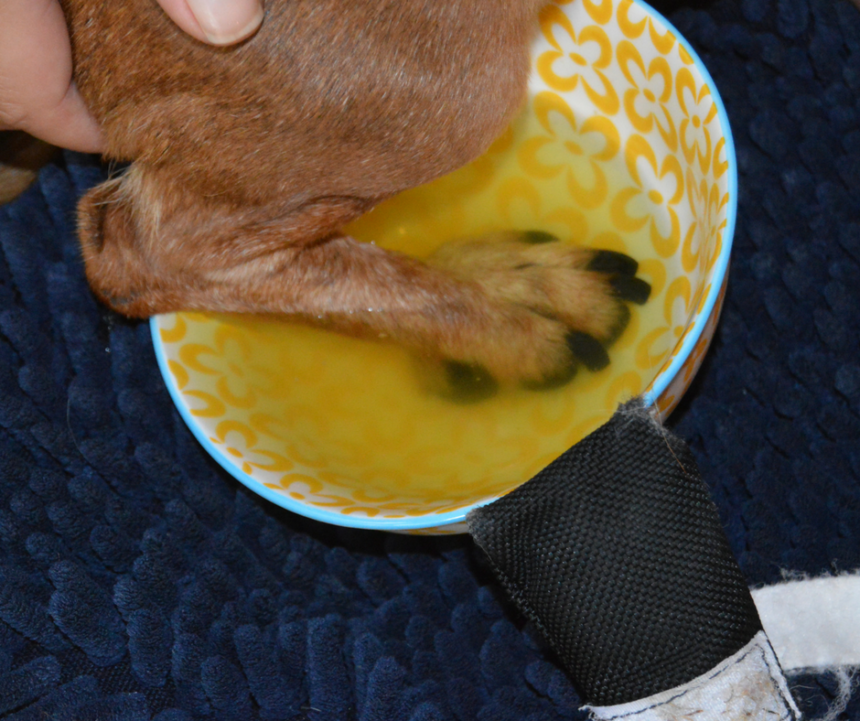
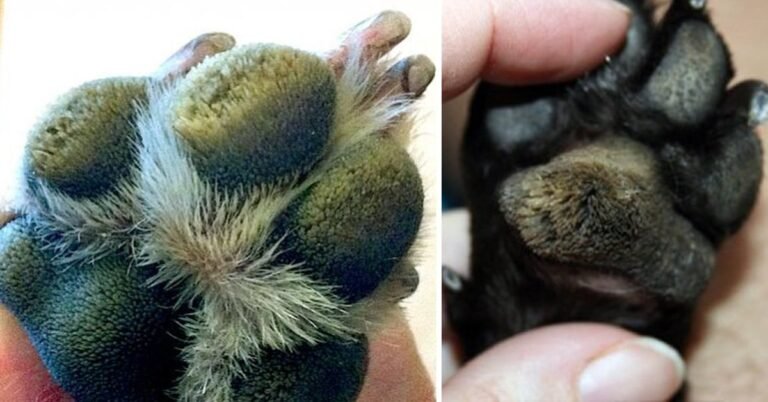
Source: www.pinterest.com
When Should You Soak a Dog’s Paws?
A paw soak is most useful when the goal is gentle cleaning or when a veterinarian has specifically recommended topical treatment. Dogs can pick up dirt, sand, road salt, plant material, and other irritants on their feet during walks. Thorough washing can remove these substances before they continue irritating the skin.
Soaking can also be useful as part of veterinary-directed care for certain paw conditions. Veterinary references describe antimicrobial bathing or paw soaks as part of treatment for some cases of interdigital inflammation and infection. However, the underlying cause still needs attention because allergies, foreign bodies, parasites, infections, and other disorders can produce similar paw symptoms.
If one paw suddenly becomes painful or your dog begins licking it intensely, inspect the foot rather than assuming a soak is the answer. A thorn, splinter, grass awn, glass fragment, torn nail, burn, or other injury may require professional treatment.
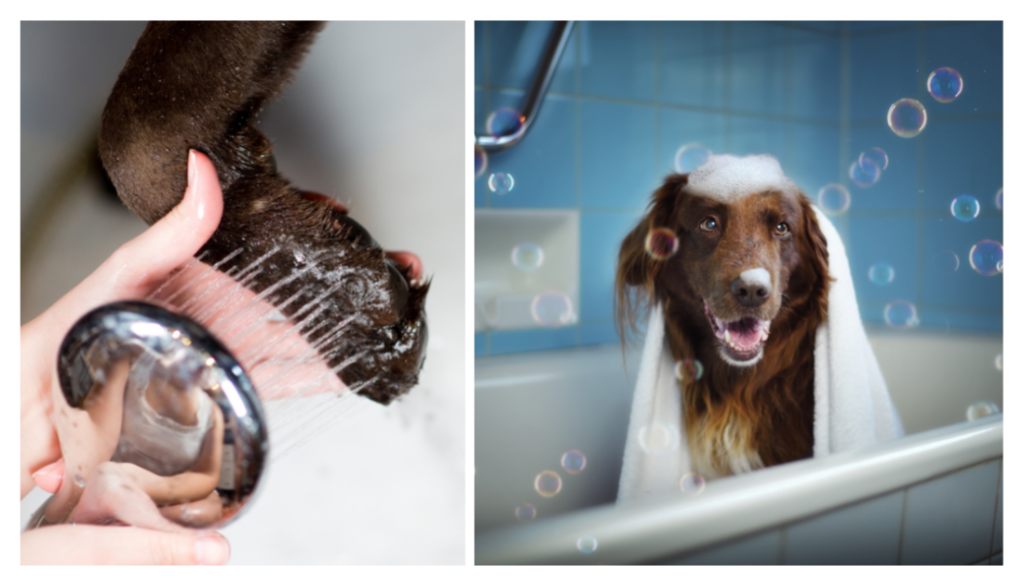
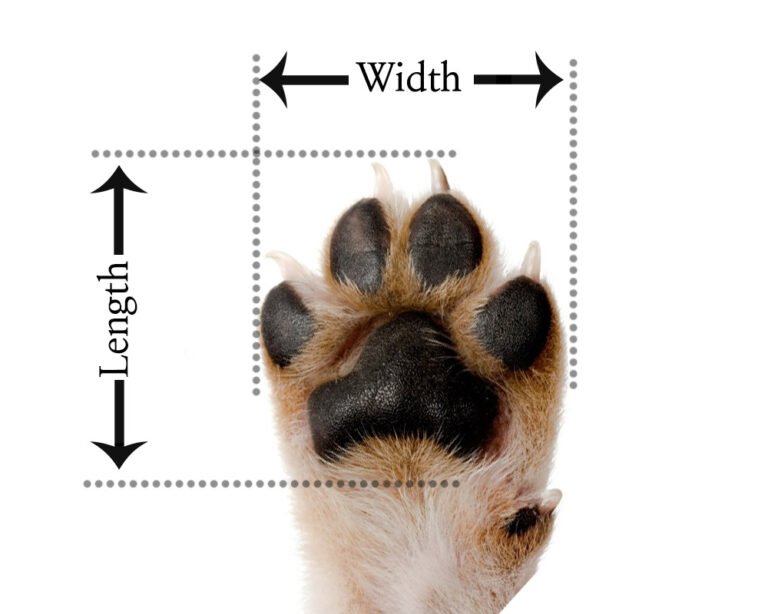
Source: artofit.org
Routine cleaning
Use a gentle warm-water soak or wash to remove mud, dirt, sand, or road salt from the paws.
Minor irritation
A veterinarian may recommend gentle cleansing when a paw has mild irritation or a superficial problem.
Veterinary treatment
Some infections and inflammatory paw conditions may benefit from medicated soaks, but the product and schedule should be selected according to the dog’s condition.
When a Paw Soak Is Not Enough
A soak cannot remove every cause of paw pain. Deep wounds, punctures, embedded foreign material, significant burns, abscesses, severe swelling, and infections may need veterinary examination. Persistent paw licking can also be caused by allergies or other underlying diseases rather than surface dirt alone.
Get veterinary help
Contact a veterinarian for significant pain, limping, bleeding that does not stop, deep or open wounds, marked swelling, pus, foul odor, burns, or worsening symptoms.
Do not delay for repeated soaks
If the same paw problem keeps returning, treating the surface without finding the underlying cause may allow the condition to continue.
What You Need Before Soaking Your Dog’s Paws
Prepare everything before bringing your dog to the soaking area. You need a clean shallow basin or container large enough for the paw, comfortably warm water, a clean towel, and a calm location where your dog can stand or sit securely.
If your veterinarian prescribed a cleansing or antimicrobial product, use that specific product exactly as directed. Veterinary topical products can have different concentrations, contact times, and precautions, so substituting another household product can be unsafe.
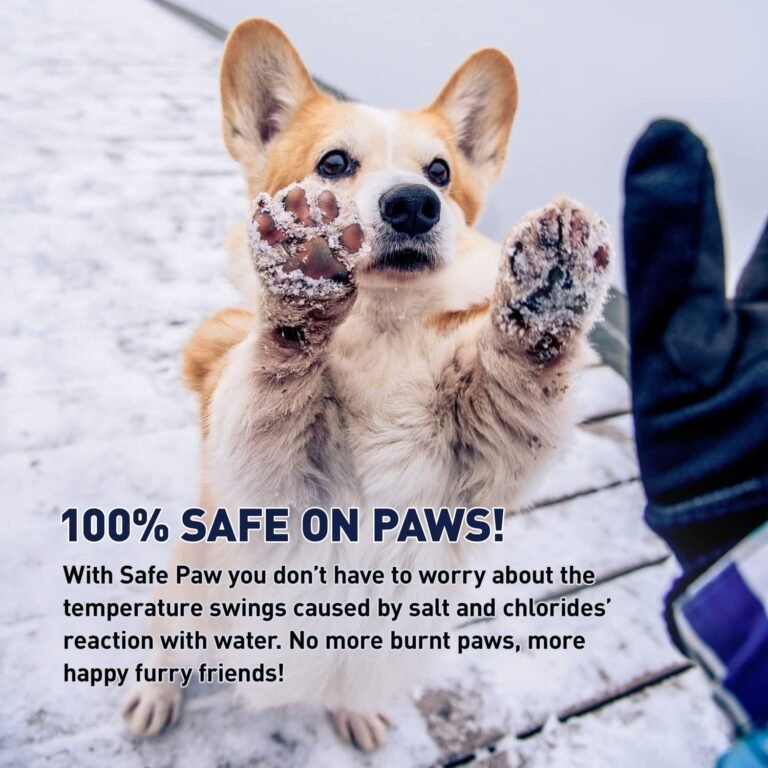
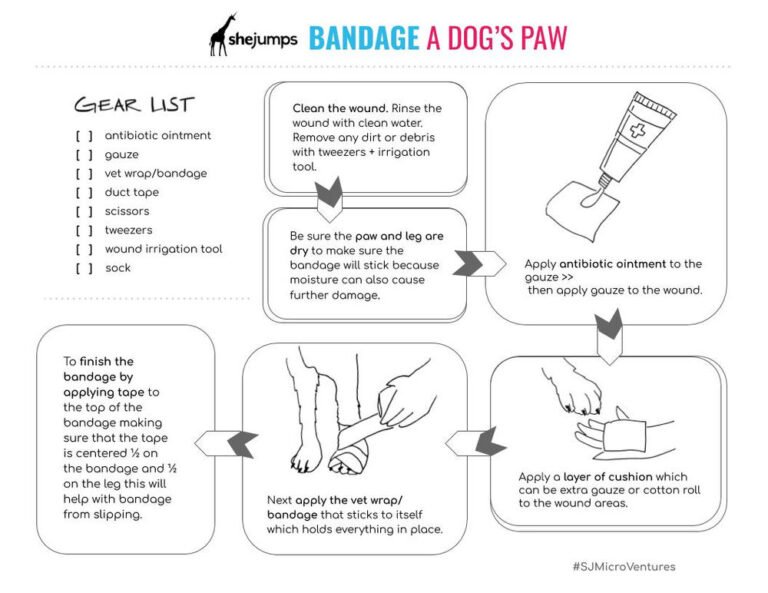
Source: animalia-life.club
Clean container
Use a freshly cleaned basin that is large enough for the paw without forcing the leg into an awkward position.
Comfortably warm water
The water should feel comfortably warm rather than hot. Avoid very hot water, especially when a paw is already irritated or injured.
Clean towel
Have a dry towel ready so you can remove moisture from the pads, between the toes, and around the nails afterward.
Veterinarian-directed solution
If treatment has been prescribed, use only the recommended solution and dilution rather than creating a stronger mixture yourself.
Should You Use Salt, Epsom Salt, or Another Ingredient?
For ordinary cleaning, plain clean water is usually the simplest choice. Veterinary wound-care guidance also describes warm saline as an option for cleaning some wounds and gives a preparation of approximately one level teaspoon of salt or Epsom salt in two cups of water. That guidance is for wound cleaning, however, and does not mean every itchy or inflamed paw should automatically be soaked in salt or Epsom salt.
Avoid adding essential oils, tea tree oil, alcohol, hydrogen peroxide, harsh soaps, or homemade herbal mixtures to a dog’s paw soak unless a veterinarian specifically recommends the substance and concentration. Some products can irritate tissue, delay healing, or cause problems if a dog licks them.
Best for simple cleaning
Plain warm water is usually sufficient for removing everyday dirt and environmental residue.
For wounds
Use the cleaning method recommended by your veterinarian, particularly when the skin is open, burned, or otherwise injured.
For infection
Do not self-prescribe a medicated soak. Chlorhexidine and other topical antimicrobials may be useful for certain conditions but should be selected and used according to veterinary guidance.
How to Soak Dogs Paws Step by Step
The basic process is simple: prepare a clean container, use comfortably warm water or the solution recommended by your veterinarian, gently immerse the paw, inspect the foot, and dry it thoroughly afterward. Keep the experience calm and stop if your dog shows significant pain or distress.
For a dog with a prescribed medicated soak, follow the veterinary instructions instead of using a generic soaking schedule. Some topical antimicrobial treatments require a specific contact time to work effectively, while other products should not be left on the skin.
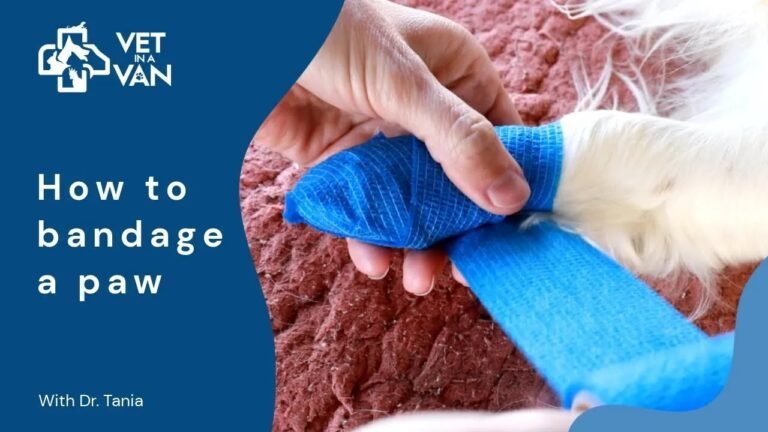
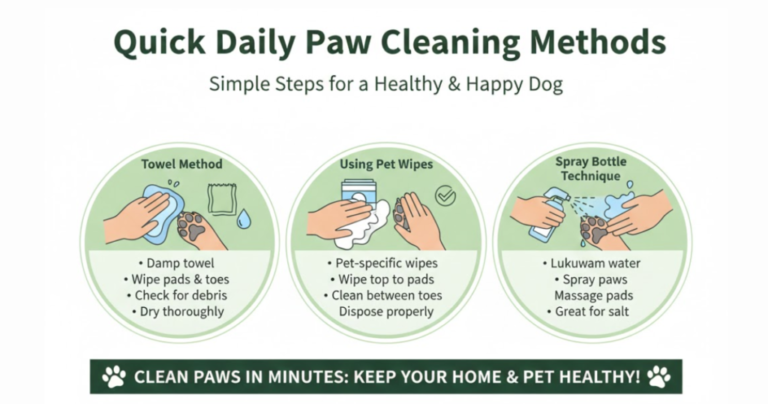
Source: wagandcluck.com
1. Prepare the soaking area
Place the clean basin on a stable surface and fill it with enough comfortably warm water to cover the paw and pads without requiring the dog to stand deeply in the container.
2. Help your dog stay calm
Bring the dog to the basin gently and allow time to investigate it. Avoid forcing a frightened dog into the water.
3. Place the paw in the water
Gently lower the affected paw into the water. Support the leg without twisting the joints or pressing on painful tissue.
4. Clean the paw gently
Allow water to loosen surface debris. If needed, gently separate the toes to inspect between the pads and around the nails. Do not aggressively scrub irritated skin.
5. Follow the prescribed contact time
If a veterinarian prescribed a medicated soak, follow the product-specific instructions for contact time and frequency. Do not assume that leaving a product on longer will improve its effect.
6. Rinse when instructed
Some products should be rinsed and others may be intended to remain on the skin. Follow the label or your veterinarian’s instructions rather than guessing.
7. Dry thoroughly
Pat the paw dry with a clean towel, paying particular attention to the spaces between the toes and around the pads. Avoid vigorous rubbing on painful or damaged tissue.
8. Recheck the paw
Look for redness, swelling, cuts, discharge, foreign material, abnormal odor, or changes in the paw pad. Contact your veterinarian if the condition looks worse or your dog remains painful.
How Long Should You Soak a Dog’s Paw?
There is no single soaking time that is appropriate for every paw problem. Routine cleaning can be brief, while medicated bathing has a product-specific contact time. Veterinary references describe some antimicrobial shampoos as requiring approximately 10 to 15 minutes of contact, but that timing should not be transferred automatically to every paw soak or product.
For an injured paw, use the cleaning and treatment schedule provided by your veterinarian. If the dog becomes increasingly uncomfortable during the process, stop and seek veterinary advice rather than extending the soak.
Plain-water cleaning
Keep the process focused on removing dirt and irritants rather than prolonged soaking.
Medicated treatment
Use the exact contact time supplied for the prescribed or veterinarian-recommended product.
What to Do After Soaking Your Dog’s Paws
Drying is part of the paw-care process. Moisture left between the toes can keep the skin damp, and dogs with recurrent skin problems may be particularly prone to irritation. Gently pat the entire paw dry and check the spaces between the toes before allowing your dog to walk around.
Use the drying step as a quick health check. Look for cracks, cuts, swelling, redness, discharge, foreign material, or changes in the skin. Cleaning the paw also provides a good opportunity to check the nails and the areas between the pads.
Source: storage.googleapis.com
Pat rather than scrub
Use gentle pressure with a clean towel, especially when the skin is irritated.
Dry between the toes
Pay attention to the interdigital spaces because they can retain moisture and debris.
Inspect the pads
Check for cracks, cuts, discoloration, swelling, or exposed tissue.
Monitor licking
Occasional grooming is normal, but persistent licking or chewing can indicate pain, irritation, allergies, infection, or another underlying problem.
How to Tell Whether the Soak Helped
For routine cleaning, success means visible dirt, salt, or other surface residue has been removed and the paw is comfortable afterward. For an irritated or medically treated paw, improvement should be judged by the clinical signs and treatment plan provided by your veterinarian rather than by appearance after one soak.
If redness, swelling, odor, discharge, licking, or pain persists or worsens, another soak may not solve the problem. Recurrent paw inflammation can have underlying causes that require diagnosis and targeted treatment.
Improving
The paw looks cleaner and the dog is comfortable, with no worsening redness, swelling, pain, or discharge.
Not improving
The same signs persist, become more severe, or repeatedly return despite appropriate cleaning.
Common Paw-Soaking Mistakes to Avoid
The biggest mistake is treating every paw problem as a simple cleaning issue. Paw licking and inflammation can result from allergies, infections, parasites, foreign bodies, injuries, burns, or other conditions. A soak may remove irritants without addressing the actual cause.
Another common mistake is using household ingredients because they are described online as natural or soothing. Dogs may lick their paws after treatment, and some substances can irritate damaged skin or create additional problems. Use only products that are appropriate for dogs and follow veterinary instructions when the skin is diseased or wounded.
Source: rockykanaka.com
Using very hot water
Hot water can worsen discomfort and may injure already irritated tissue. Use comfortably warm water instead.
Scrubbing aggressively
Rough handling can further irritate inflamed skin or disturb healing tissue.
Using hydrogen peroxide or alcohol
These products can damage tissue or delay healing and should not be used on open wounds unless specifically directed by a veterinarian.
Adding essential oils
Essential oils can be unsafe for dogs, particularly when applied where the animal can lick them.
Leaving paws damp
Failure to dry between the toes can leave a warm, moist environment that may contribute to skin problems.
Ignoring repeated symptoms
Recurring licking, swelling, redness, odor, or discharge should prompt veterinary evaluation rather than indefinite home soaking.
When to Call a Veterinarian
Contact a veterinarian when a paw is significantly painful, swollen, bleeding, discolored, producing pus or other discharge, has a foul odor, or causes persistent limping. Burns, deep wounds, punctures, bites, and embedded foreign objects also require professional assessment.
Veterinary evaluation is especially important when only one paw suddenly becomes painful because a foreign body or localized injury may be involved. Recurrent inflammation affecting several paws can also point toward allergies or other underlying conditions that need diagnosis.
Urgent concern
Seek prompt veterinary care for severe pain, significant burns, deep wounds, uncontrolled bleeding, marked swelling, or major difficulty using the limb.
Persistent concern
Arrange a veterinary examination when licking, redness, swelling, odor, discharge, or inflammation continues or repeatedly returns.
Can Paw Soaks Help With Itchy or Inflamed Paws?
A paw soak can remove environmental irritants and support topical treatment, but it does not identify why a dog’s paws are itchy. Allergies are a common cause of paw inflammation, but infections, parasites, foreign bodies, autoimmune disorders, hormonal conditions, and other problems can produce similar signs.
Veterinary treatment for certain superficial infections may include topical antimicrobial bathing or paw soaks. Chlorhexidine is one topical antimicrobial used in veterinary medicine, sometimes in combination with an antifungal ingredient. The appropriate concentration, product, frequency, and contact time depend on the condition and should be determined with veterinary guidance.
If your dog repeatedly licks or chews the paws, do not rely on increasingly frequent soaks without finding the cause. Chronic inflammation can damage the skin barrier and make secondary infections more likely.
Source: www.pinterest.com
Environmental irritation
A wash with clean water may help remove substances such as dirt, sand, or road salt from the feet.
Superficial infection
Veterinarians may incorporate antimicrobial bathing or soaking into treatment for certain infections.
Allergies
Cleaning can remove surface allergens, but recurrent allergic inflammation generally requires a broader management plan.
Foreign body
A soak may loosen superficial debris, but an embedded thorn, grass awn, splinter, or similar object may need veterinary removal.
Why Recurrent Paw Problems Need a Diagnosis
Pododermatitis, meaning inflammation of the skin of the paws, has many possible causes. Veterinary references describe allergies, infections, parasites, foreign bodies, immune-mediated disease, hormonal disorders, and other conditions among the possibilities. Treating only the surface may provide temporary relief while the underlying problem remains.
A veterinarian can determine whether the problem is primarily irritation, infection, allergy, injury, or another disorder and then select appropriate topical or systemic treatment.
One paw
A sudden problem affecting only one paw can increase suspicion of a localized injury or foreign object.
Multiple paws
Problems affecting several paws may be associated with broader inflammatory, allergic, infectious, or other conditions.
Frequently Asked Questions
Q
Can I soak my dog’s paws in plain warm water?
Yes. Plain comfortably warm water is a practical option for removing dirt, sand, road salt, and other surface irritants. Afterward, dry the paws thoroughly, especially between the toes.
Q
Can I use Epsom salt to soak my dog’s paws?
Epsom salt is sometimes included in veterinary wound-cleaning guidance, but that does not mean it is appropriate for every paw problem. If the paw is injured, inflamed, or infected, ask your veterinarian whether an Epsom-salt solution is appropriate and how it should be prepared and used.
Q
How often can I soak my dog’s paws?
The appropriate frequency depends on the reason for soaking. Routine cleaning can be done when needed after exposure to dirt or irritants, while medicated soaks should follow the veterinarian’s prescribed schedule. Excessive or prolonged moisture can aggravate some skin problems.
Q
Can I use hydrogen peroxide in a dog paw soak?
Do not routinely use hydrogen peroxide in a dog paw soak. Veterinary wound-care guidance recommends warm water or appropriate saline for many wounds and cautions against using products such as hydrogen peroxide unless a veterinarian specifically instructs you to do so.
Q
Should I rinse my dog’s paws after a medicated soak?
It depends on the product. Some topical treatments are rinsed away after their prescribed contact time, while others are intended to remain on the skin. Follow the product label or your veterinarian’s instructions rather than assuming all medicated soaks are handled the same way.
✦ Wrapping Up
Conclusion
The safest way to soak a dog’s paws is to start with the reason for the soak. For routine cleaning, comfortably warm clean water is usually sufficient. Gently immerse the paw, inspect between the toes and around the pads, remove surface debris without aggressive scrubbing, and dry the paw thoroughly afterward.
For wounds, infections, burns, persistent itching, or recurring inflammation, home soaking should be considered supportive care rather than a diagnosis or complete treatment. Veterinarian-directed products such as antimicrobial solutions may be appropriate for specific conditions, but the concentration and treatment schedule should match the dog’s condition.
If the paw is severely painful, swollen, bleeding, burned, producing discharge, or causing significant limping, seek veterinary care instead of repeatedly soaking it at home.
💡 Key Takeaway
For a clean but dirty paw, start with a brief warm-water wash, inspect the entire foot, and dry it completely. If the paw is injured, persistently inflamed, infected, or repeatedly affected, contact a veterinarian for a diagnosis and treatment plan.
Learn how to protect dog paws from salt during winter walks. Discover effective prevention methods, paw care tips, boot options, and safe post-walk cleaning routines.
Learn how to remove a bandage from a dog paw safely, including preparation, step-by-step removal, wound checks, stuck bandages, and signs that require veterinary care.
Learn why your dog’s paws may be peeling, from dry skin and allergies to burns, irritation, infection, and hyperkeratosis, plus safe care and vet warning signs.
Learn how to safely bandage a dog paw for a broken nail, control bleeding, protect the nail bed, avoid common bandaging mistakes, and know when to see a U.S. veterinarian.