Keep nails trimmed, paw pads healthy, and add traction aids to reduce slipping.
Across the United States, many dogs struggle with slippery hardwood, laminate, vinyl, and tile flooring found in modern homes. Puppies, large breeds, senior dogs, and dogs recovering from injuries often lose traction when turning, standing, or walking on smooth surfaces.
Understanding how to stop dogs paws from slipping starts with identifying the cause. Long nails, excess fur between paw pads, dry paw pads, weak muscles, or slick flooring can all contribute. The most effective approach combines proper paw maintenance, traction products, and home modifications that help dogs move with confidence.
Source: articles.hepper.com
Why Dogs Slip on Floors
Dogs rely on their paw pads and claws to create traction. When floors are extremely smooth, the natural grip mechanism becomes less effective. As a result, dogs may slide, hesitate, or struggle to stand.
Several factors increase slipping risk, including long nails, overgrown paw fur, aging joints, muscle weakness, obesity, neurological conditions, and polished flooring. Identifying the underlying cause helps determine the most effective solution.
Source: furryaging.com
Long Nails
Long nails reduce paw pad contact and can make footing unstable.
Smooth Flooring
Tile, hardwood, and laminate often provide less traction than carpet.
Health Conditions
Arthritis and mobility issues can reduce stability and confidence.
Signs Your Dog Needs More Traction
Common warning signs include frequent slipping, difficulty standing up, hesitation when walking across floors, spreading legs, and avoiding certain rooms. Some dogs may also become anxious when moving around the house.
Frequent Sliding
Your dog loses footing while walking or turning.
Difficulty Rising
Standing from a resting position becomes challenging.
How to Stop Dogs Paws From Slipping Through Proper Paw Care
Routine paw maintenance is often the simplest and most effective solution. Healthy paws provide better contact with the floor and improve balance.
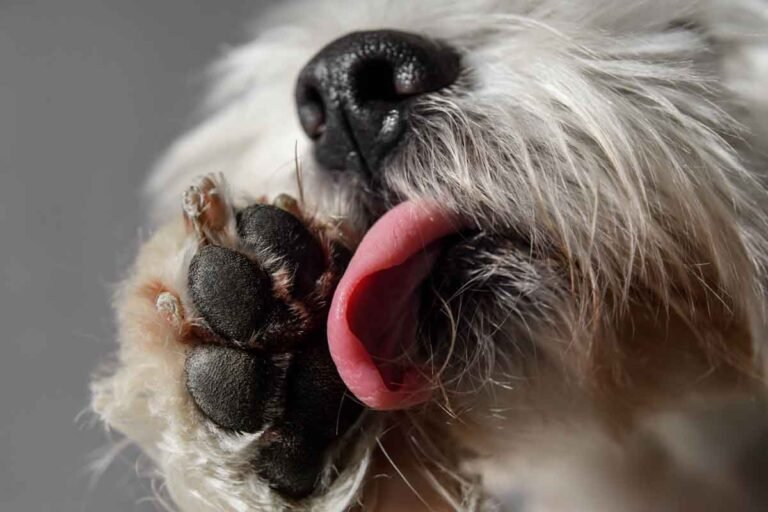
Trim nails regularly so they do not extend far beyond the paw pad. Excess nail length changes foot positioning and reduces stability. Also trim excess fur growing between paw pads because it can act like a slippery layer on hard surfaces.
Source: storage.googleapis.com
Trim Nails
Maintain appropriate nail length to maximize floor contact.
Remove Excess Paw Fur
Keep fur between pads neat to improve grip.
Moisturize Paw Pads
Healthy pads often grip better than dry or cracked pads.
When Paw Condition Becomes a Problem
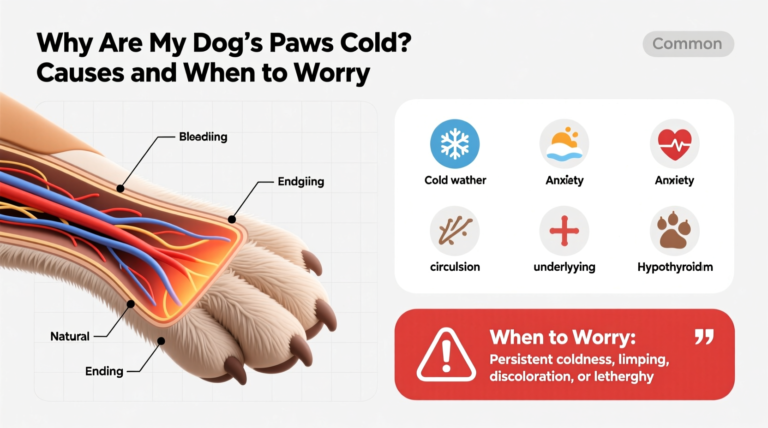
Cracked, irritated, or excessively smooth paw pads may contribute to traction problems. A veterinarian can help determine whether skin conditions or injuries are affecting mobility.
Inspect Weekly
Check for cuts, cracks, and signs of discomfort.
Best Traction Products for Slippery Dogs
Traction aids can significantly improve stability when paw care alone is not enough. Different products work better for different dogs and environments.
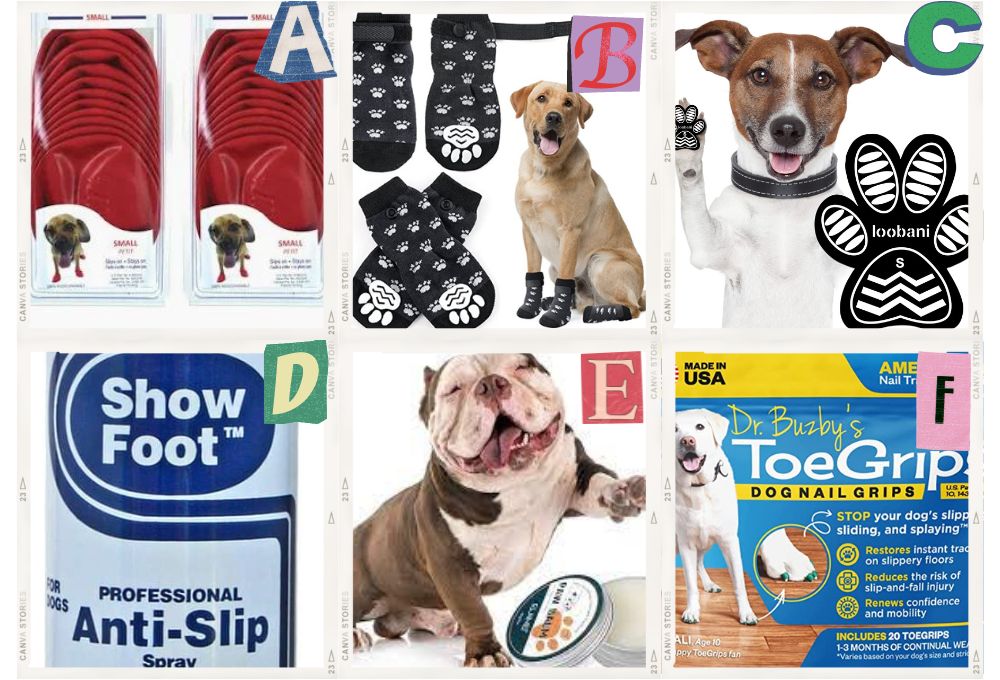
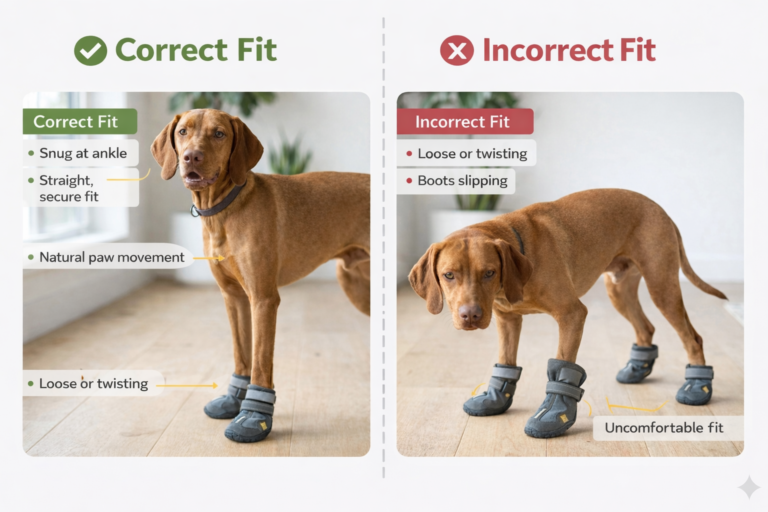
Grip socks, paw pad stickers, paw waxes, and specialized traction devices can provide extra friction on slick floors. The ideal choice depends on your dog’s tolerance, activity level, and health status.
Source: toegrips.com
Grip Socks
Useful for indoor traction on hardwood and tile floors.
Paw Grips
Attach to the paw area and increase contact with the floor.
Traction Wax
May improve grip while protecting paw pads.
Choosing the Right Product
Active dogs often benefit from lightweight traction aids, while senior dogs may need more supportive products designed specifically for mobility challenges.
Fit Matters
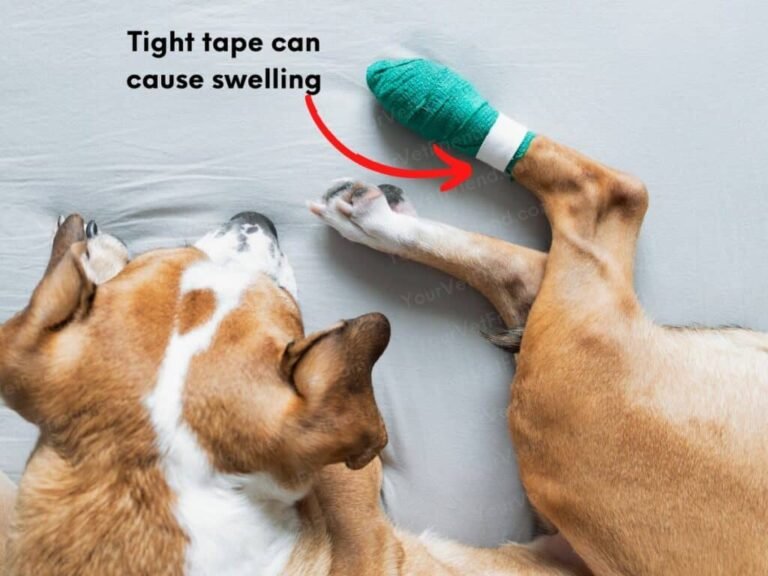
Improperly fitted products can cause discomfort or fall off.
Improve Floor Traction Throughout Your Home
Modifying the environment can dramatically reduce slipping. Many dogs gain confidence immediately when traction is added to commonly used pathways.
Place non-slip rugs, runners, and traction mats in hallways, near food bowls, at doorways, and around favorite resting areas. Secure rugs properly to prevent bunching or movement.
Source: storage.googleapis.com
Add Runners
Create safe walking routes through the home.
Use Non-Slip Backing
Prevent rugs from shifting under the dog’s weight.
Cover Problem Areas
Focus on stairs, corners, and turning points.
High-Risk Areas to Address First
Dogs often slip most frequently near stairs, entrances, feeding stations, and areas where they accelerate quickly. Improving traction in these locations can have an immediate impact.
Stair Landings
Reduce slipping where falls could be most dangerous.
Exercise and Weight Management for Better Stability
Strong muscles help dogs maintain balance and recover quickly when they encounter slippery surfaces. Controlled exercise can improve coordination and confidence.
Maintaining a healthy body weight also reduces strain on joints and improves mobility. Dogs carrying excess weight often experience more slipping because their joints and muscles work harder to stabilize movement.
Source: storage.googleapis.com
Strength Training
Gentle exercises can improve balance and coordination.
Weight Control
Healthy weight supports joint function and stability.
When to Seek Veterinary Help
Sudden slipping, weakness, limping, pain, or difficulty standing should be evaluated by a veterinarian. These symptoms may indicate an underlying medical condition that requires treatment.
Rapid Changes
Unexpected mobility issues warrant professional evaluation.
Troubleshooting When Your Dog Still Slips
If your dog continues slipping after making basic adjustments, reassess all contributing factors. Multiple issues often occur together, particularly in older dogs.
Evaluate nail length, paw condition, flooring type, body weight, strength, and potential medical causes. Combining several small improvements often produces better results than relying on a single solution.
Source: animalia-life.club
Review Paw Care
Confirm nails and fur remain properly maintained.
Layer Solutions
Use environmental and traction aids together.
Monitor Progress
Track changes in confidence and stability over time.
Signs of Success
A successful traction plan results in smoother walking, fewer slips, greater confidence, easier standing, and reduced hesitation on hard floors.
Improved Mobility
Your dog moves comfortably across previously difficult surfaces.
Frequently Asked Questions
Q
Why are my dog’s paws slipping on hardwood floors?
Common causes include long nails, excess paw fur, dry paw pads, weak muscles, aging joints, and smooth flooring surfaces that provide limited traction.
Q
Do dog socks help prevent slipping?
Yes. Properly fitted grip socks can improve traction on indoor surfaces and help some dogs move more confidently.
Q
Are slippery floors dangerous for senior dogs?
Yes. Repeated slipping can increase the risk of falls, injuries, joint strain, and reduced confidence in older dogs.
Q
Can trimming nails really reduce slipping?
Yes. Proper nail length allows paw pads to make better contact with the floor and often improves stability significantly.
Q
When should I contact a veterinarian about slipping?
Seek veterinary advice if slipping develops suddenly, worsens rapidly, is accompanied by pain, weakness, limping, or affects your dog’s quality of life.
✦ Wrapping Up
Conclusion
Learning how to stop dogs paws from slipping involves addressing both the dog’s physical condition and the environment. Regular nail trimming, healthy paw pads, traction products, and strategic flooring improvements can dramatically reduce slipping.
If mobility problems persist despite these changes, consult a veterinarian to rule out arthritis, neurological issues, or other medical conditions. Early intervention often improves comfort and long-term mobility.
💡 Key Takeaway
Start by trimming nails, checking paw pads, and adding non-slip pathways throughout your home, then evaluate whether additional traction aids are needed.
Learn how to tell if your dog sprained his paw, recognize common signs of a sprain, distinguish it from fractures and paw injuries, and know when veterinary care is needed.
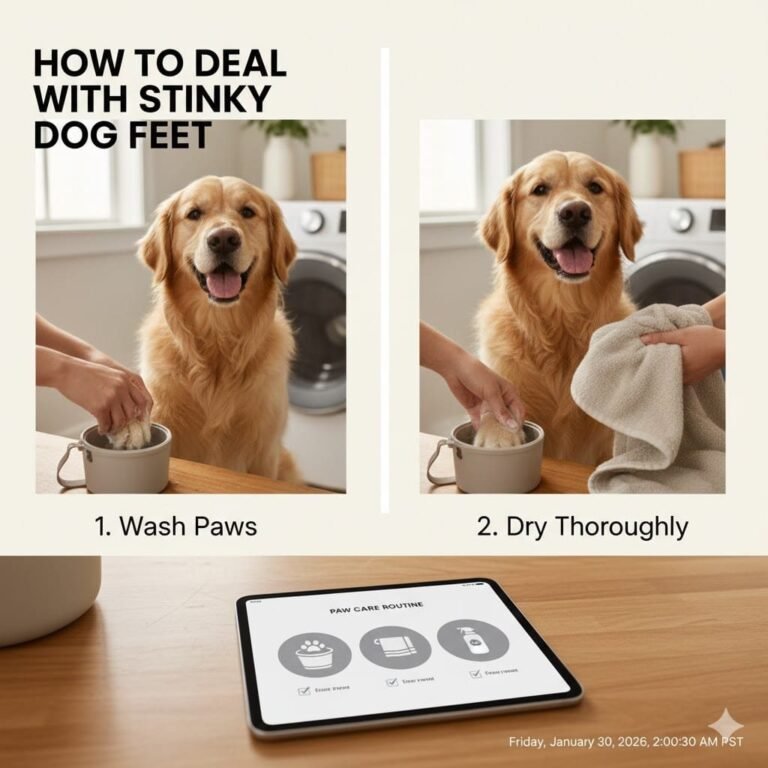
Learn how to treat smelly dog paws, including safe cleaning, drying, odor causes, yeast and bacterial infection signs, prevention, and when veterinary care is needed.
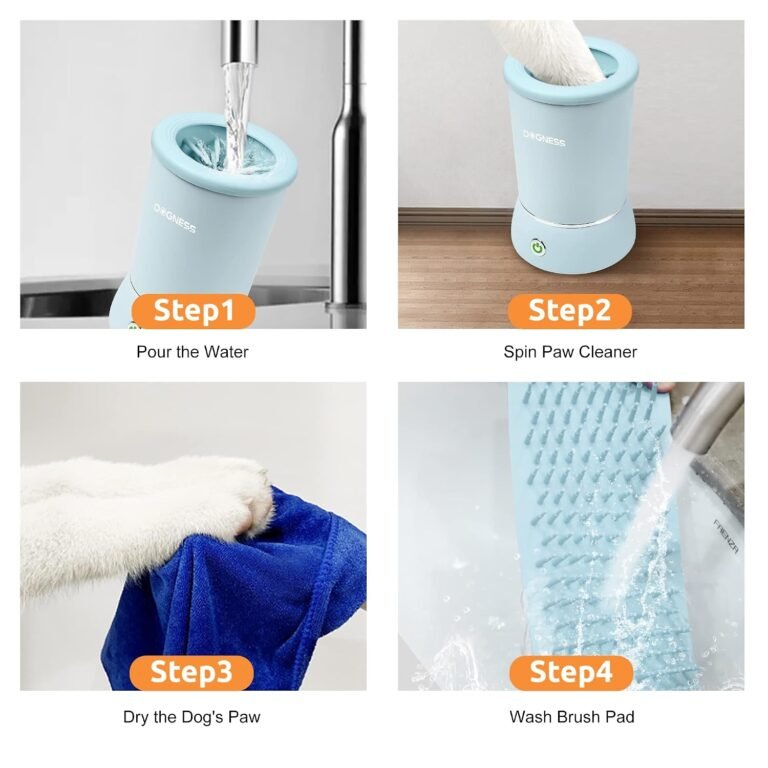
Learn how to use a dog paw cleaner safely and effectively. Follow simple steps for washing muddy paws, drying them, cleaning the device, and avoiding common mistakes.