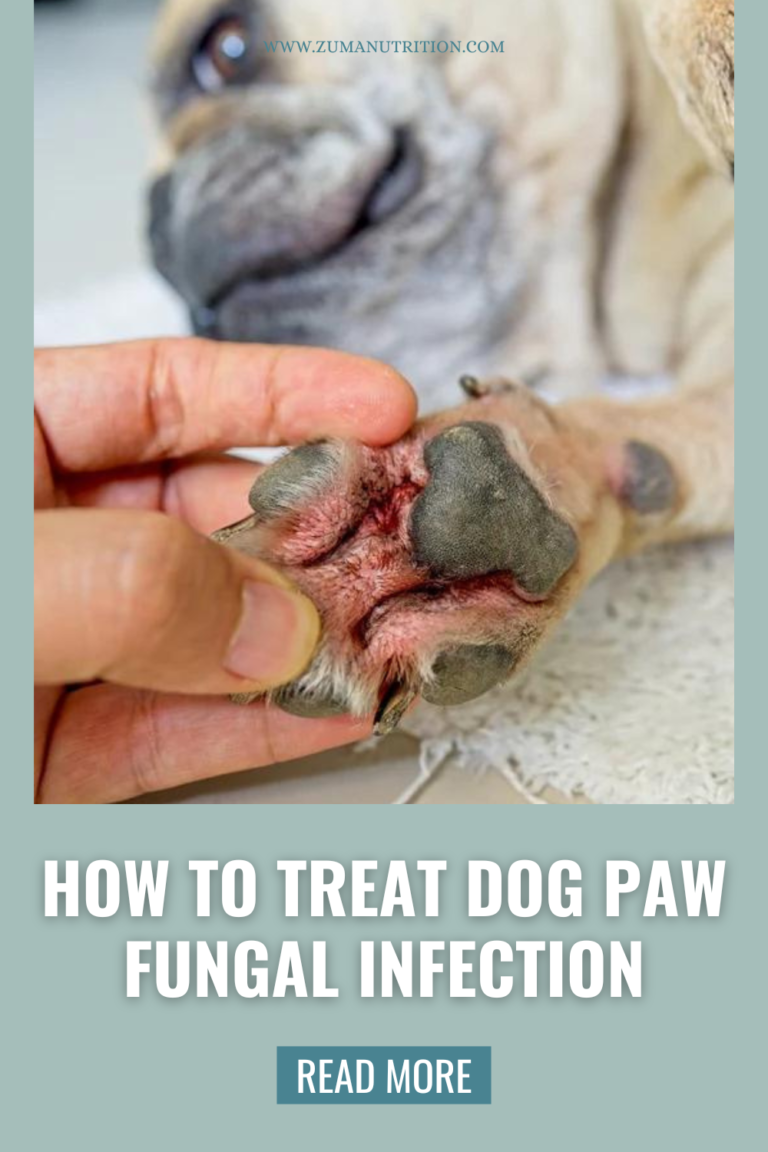
Dogs may lick and chew their paws because they are itchy, irritated, painful, or simply grooming themselves. Occasional licking can be normal, but frequent or intense licking usually deserves closer attention because allergies, parasites, injury, infection, foreign objects, or other medical problems can be involved.
For dog owners in the United States, paw licking can become especially noticeable after walks on grass, sidewalks, yards, or other outdoor surfaces. Seasonal environmental allergens, irritating substances, parasites, and minor injuries can all affect a dog’s feet. A dog may respond by licking or chewing the affected area, which can temporarily soothe discomfort but may also damage the skin when the behavior becomes persistent.
The most useful distinction is between occasional grooming and a new, repetitive behavior. Veterinary guidance identifies itchiness as a common reason for paw licking, with allergies and parasites among important causes. Infection can develop after the skin barrier is damaged, creating a cycle in which itching, licking, inflammation, and infection reinforce one another. Persistent paw chewing therefore should not automatically be treated as a behavioral habit.
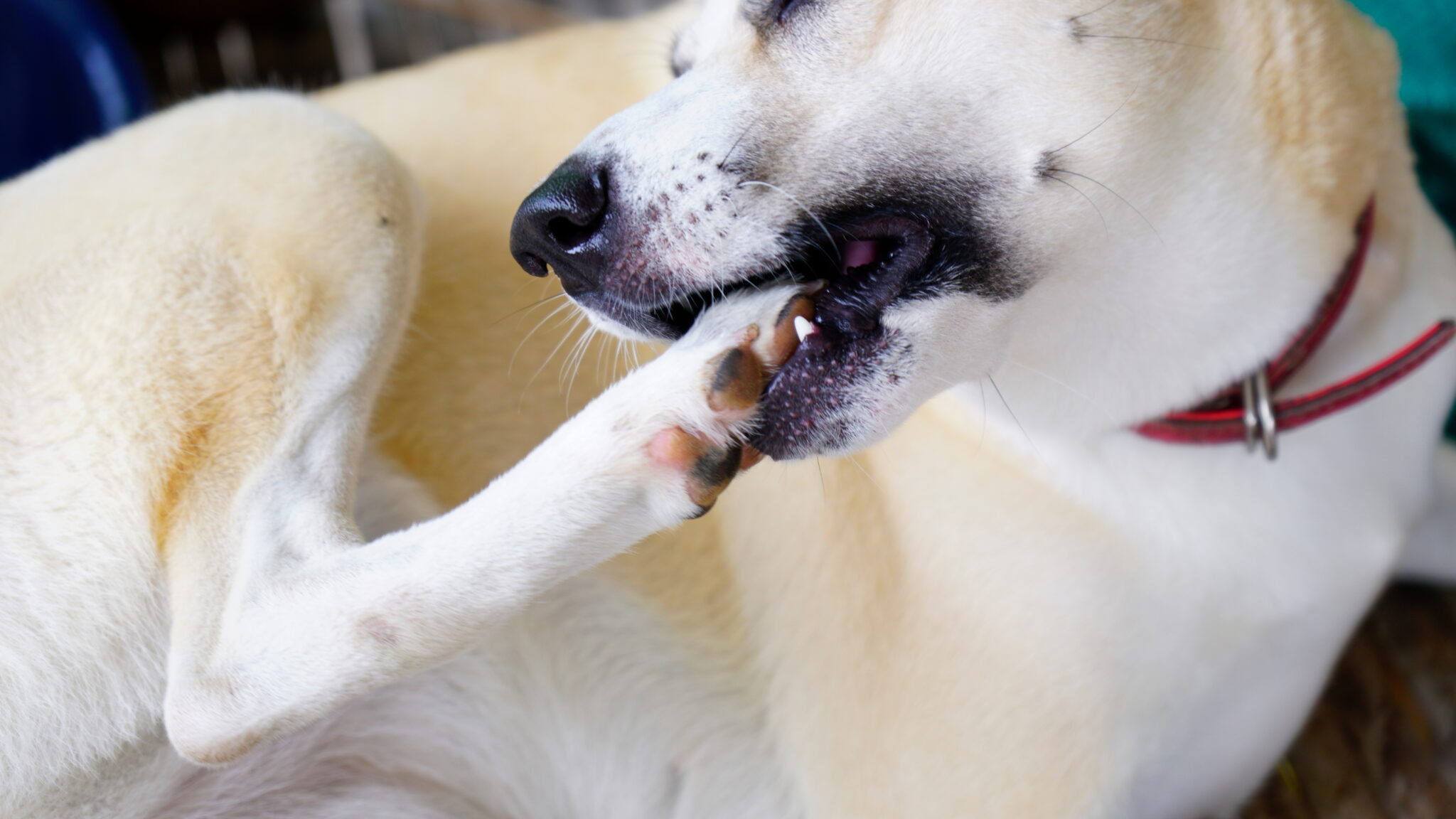
Source: animalia-life.club
Why Do Dogs Lick and Chew Their Paws?
Dogs lick and chew their paws for several different reasons, so the behavior itself is a symptom rather than a diagnosis. A dog may be responding to itchiness from allergies or parasites, irritation from something that contacted the feet, pain from an injury, or inflammation caused by a skin condition. Some dogs also lick excessively as a behavioral response, but medical causes should be considered first when the behavior is persistent.
Normal grooming is usually brief and does not cause visible changes to the paws. Repetitive licking or chewing that keeps returning, concentrates on one area, or produces redness and hair discoloration is different. Continued moisture and mechanical irritation can damage the skin and make secondary infection more likely.
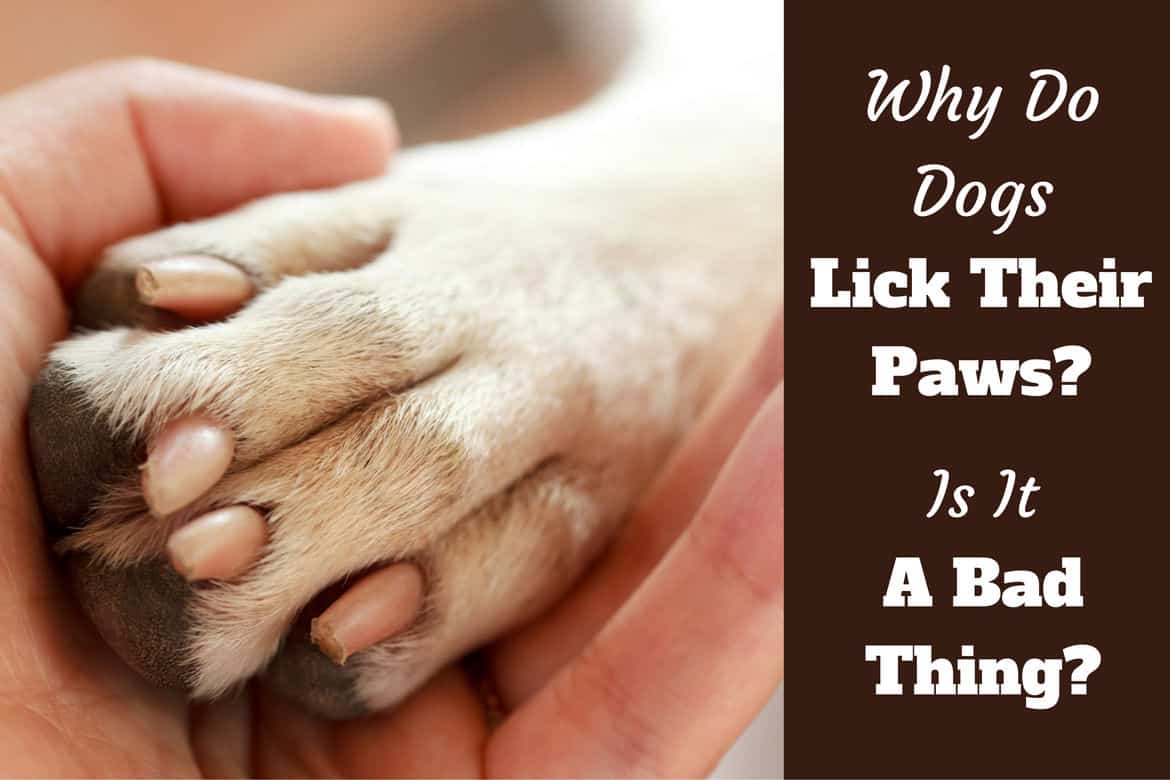
Source: nadovet.com
Itchiness
Allergies and parasites can make the paws intensely itchy. Dogs may lick or chew to respond to that sensation.
Pain or injury
Cuts, damaged nails, burns, insect stings, splinters, or other injuries can cause a dog to focus on one paw.
Skin inflammation
Dermatitis and pododermatitis can cause redness, swelling, irritation, and discomfort that encourages licking.
Infection
Bacterial or yeast overgrowth can occur in damaged or inflamed skin and may increase itching, odor, redness, or discomfort.
Behavioral factors
Anxiety, insufficient enrichment, or compulsive behavior can contribute to repetitive licking, although physical causes should be investigated first.
When Paw Licking Is Normal
Dogs commonly groom themselves, including their feet. Brief licking after coming inside or after normal activity does not necessarily indicate illness. The more concerning pattern is a noticeable change in frequency or intensity, especially when the dog repeatedly returns to the same paw or interrupts normal activities to lick or chew.
Usually less concerning
Brief, occasional grooming without redness, swelling, odor, sores, limping, or other changes.
More concerning
Persistent licking or chewing, visible skin changes, hair loss, swelling, odor, discharge, bleeding, or reluctance to walk.
Common Medical Causes of Paw Licking and Chewing
The most useful way to understand excessive paw licking is to look for the source of itch, irritation, pain, or inflammation. Several conditions can produce similar outward behavior, which is why persistent cases may require a veterinary examination rather than trial-and-error home treatment.
Allergies are an important cause of itchy feet. Environmental allergens can include pollens, molds, and dust mites, while food allergies can also produce itchy skin and paws. Flea allergy is another possibility, and a dog can have more than one type of allergy or another skin disorder at the same time.
Parasites can cause significant itching even when an owner does not see them. Fleas, ticks, and mites can all contribute to skin irritation. Veterinary evaluation can help determine whether parasites are involved and which treatment is appropriate.
Infections may develop when scratching, licking, or chewing damages the skin barrier. Bacteria and yeast can then contribute to additional inflammation and discomfort. Signs can include redness, bumps, odor, discharge, or worsening irritation.
Localized problems deserve particular attention. A thorn, splinter, grass awn, small wound, damaged nail, insect sting, or another foreign object can cause a dog to suddenly concentrate on one paw.
Source: greatpetcare.com
Allergies
Environmental or food-related allergies can produce itchy paws and may affect other areas such as the ears, face, armpits, or groin.
Parasites
Fleas and mites can trigger itching and inflammation. A veterinarian can help identify the specific parasite when suspected.
Bacterial or yeast infection
Infection can occur alongside an underlying allergy or other skin problem and can make itching and licking worse.
Foreign object or injury
A localized object or injury is particularly worth checking when licking starts suddenly and is focused on one paw.
Pain or inflammation
Dogs may lick a painful area, including problems involving the paw, leg, joints, or other nearby structures.
Allergies and Seasonal Paw Licking
Environmental allergies can make a dog’s feet itchy, and signs may become more noticeable during periods when particular allergens are prevalent. Food allergies can also cause itchy paws, although identifying a true food allergy generally requires a structured veterinary approach rather than simply switching foods at random.
If paw licking repeatedly appears during particular seasons or occurs alongside itchy ears, face rubbing, or irritation elsewhere on the body, an allergy may be part of the picture. A veterinarian can distinguish allergies from infections, parasites, and other conditions that can look similar.
Seasonal pattern
Recurring itching during certain times of year can be consistent with environmental allergy, although other seasonal causes are possible.
Year-round pattern
Persistent symptoms can occur with indoor allergens, food allergy, parasites, chronic skin disease, or recurring infection.
What the Pattern of Paw Licking Can Tell You
The location, timing, and appearance of the problem can provide useful clues, but they cannot establish a diagnosis by themselves. One-paw licking and multiple-paw licking can point toward different categories of problems, so observing the pattern can help you give your veterinarian more useful information.
A sudden problem affecting one paw raises concern for a localized issue such as a cut, damaged nail, foreign object, insect sting, or other injury. When several paws are itchy, allergies or a more generalized skin problem become important possibilities. However, there are exceptions, and a veterinarian may need to examine the dog to determine the actual cause.
Source: www.pinterest.com
Mostly one paw
Look carefully for an injury, damaged nail, foreign material, swelling, or another localized problem.
Several paws
Consider generalized itching or inflammation, including allergies, parasites, or skin disease.
After outdoor activity
Outdoor exposure can coincide with allergens, irritating substances, hot surfaces, or objects that become lodged in the feet.
Along with ear or body itching
A broader pattern of itchiness can make an underlying allergic or skin disorder more plausible.
With limping or reluctance to walk
Pain or a more significant paw or limb problem should be considered and assessed by a veterinarian.
Check the Paws Safely at Home
If your dog is comfortable with handling, gently inspect the top and underside of each paw, the nails, and the spaces between the toes. Look for obvious cuts, swelling, redness, foreign material, damaged nails, discharge, or unusual odor. Do not force the paw open or probe deeply into a painful area.
If your dog reacts strongly to handling, appears painful, or has a wound or object that cannot be safely removed without manipulation, stop the inspection and contact a veterinarian. Trying to dig out a deeply embedded object can cause additional injury.
Compare both sides
Comparing the affected paw with the other paws can make swelling, redness, or other changes easier to notice.
Record changes
A photo and notes about when the licking started, which paws are affected, and what activities preceded it can help during a veterinary visit.
How Licking and Chewing Can Make Paw Problems Worse
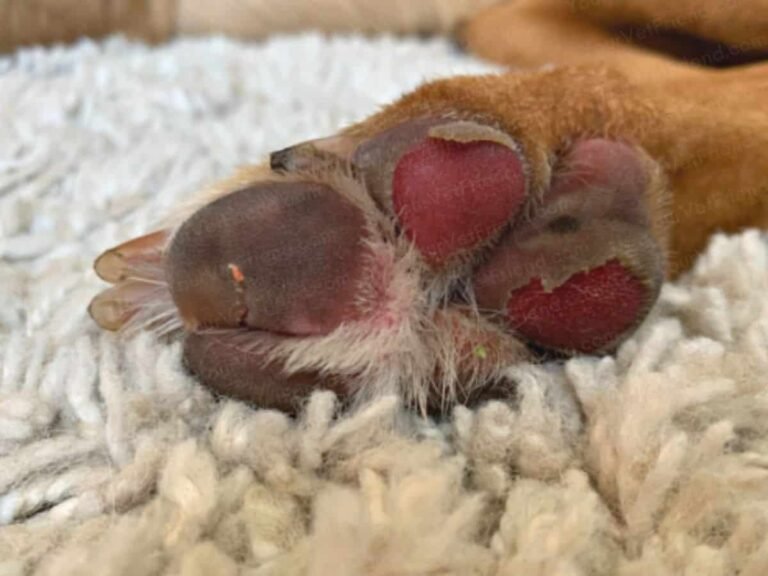
Licking does not necessarily remove the original cause of the problem. Repeated moisture, friction, and chewing can further irritate already inflamed skin. Once the skin barrier is damaged, secondary bacterial or yeast infection can develop, potentially increasing itchiness and creating a self-reinforcing cycle.
This is why simply trying to stop the behavior may not resolve the problem. If allergies are causing the itch, the allergy needs appropriate management. If a foreign object is responsible, it needs to be addressed safely. If infection is present, a veterinarian may recommend testing and targeted treatment.
Source: animalia-life.club
Itch
An allergy, parasite, or other skin problem triggers discomfort.
Licking and chewing
The dog repeatedly manipulates the irritated area in response to the discomfort.
Skin damage
Repeated licking and chewing can worsen inflammation and compromise the skin barrier.
Secondary infection
Damaged skin can become susceptible to bacterial or yeast overgrowth, adding another source of discomfort.
When the Behavior May Have a Behavioral Component
Behavioral factors can contribute to repetitive licking, particularly when medical causes have been investigated or treated. Anxiety, inadequate enrichment, and compulsive behavior are among the factors veterinarians may consider. However, behavioral explanations should not be used to dismiss a new or persistent paw problem before physical causes have been evaluated.
Do not assume boredom first
Persistent licking can be driven by itch, pain, infection, or inflammation even when the dog otherwise seems calm.
Address the underlying cause
Behavioral support is more useful when medical contributors have been appropriately assessed.
When Should You Call a Veterinarian?
Contact your veterinarian when paw licking or chewing is frequent, persistent, suddenly severe, or accompanied by visible changes or signs of pain. Early assessment can be particularly useful because chronic licking can contribute to inflammation and secondary infection.
Prompt veterinary attention is appropriate when a dog has significant swelling, bleeding, an open wound, discharge, severe pain, marked limping, or a rapidly worsening paw problem. A veterinarian can determine whether the problem is caused by an injury, allergy, parasite, infection, foreign object, or another condition and choose treatment based on the cause.
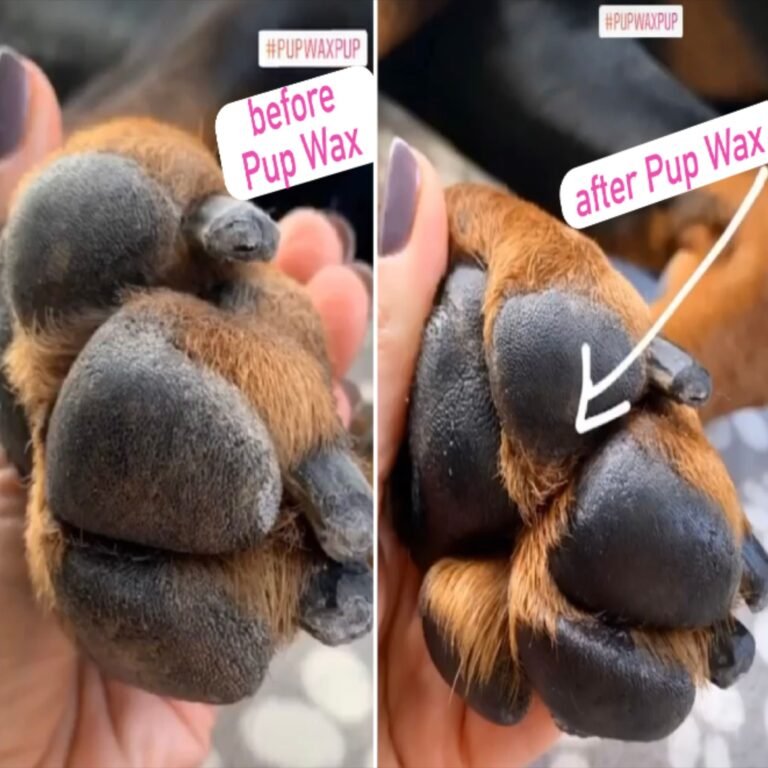
Source: animalia-life.club
Make a veterinary appointment
Persistent licking or chewing, recurrent paw problems, redness, swelling, odor, hair loss, or repeated flare-ups warrant professional assessment.
Seek prompt care
Severe pain, substantial swelling, bleeding, discharge, an open wound, or significant difficulty walking should not be managed solely at home.
Bring useful observations
Tell the veterinarian when the behavior started, whether one or several paws are affected, whether it is seasonal, and whether there are other skin or digestive symptoms.
What a Veterinary Visit May Involve
A veterinarian may examine the paws, skin, nails, ears, and other areas for clues to the underlying problem. Depending on the findings, diagnostic testing can include skin samples or other tests to look for parasites, bacteria, yeast, or additional causes. Treatment is then directed at the identified problem rather than simply suppressing the licking behavior.
Physical examination
The veterinarian assesses the paws and the rest of the body for patterns that may identify the source.
Targeted testing
Skin scrapings, cytology, or other tests may be used when infection, parasites, or another specific condition is suspected.
Cause-based treatment
The treatment plan depends on whether the underlying problem is allergic, infectious, parasitic, traumatic, painful, or behavioral.
Frequently Asked Questions
Q
Why is my dog constantly licking and chewing his paws?
Constant licking and chewing usually means the paws are uncomfortable rather than simply dirty. Allergies, parasites, infection, injury, foreign objects, and pain are among the possibilities. A veterinarian can help identify the cause, especially when the behavior is persistent or accompanied by redness, swelling, odor, sores, or limping.
Q
Why does my dog lick only one paw?
A problem confined to one paw can point toward a localized issue such as a cut, damaged nail, foreign object, insect sting, or other injury. Carefully inspect the paw if your dog allows it, but avoid probing painful or deeply embedded areas. Veterinary assessment is appropriate if the problem persists or your dog appears painful.
Q
Can allergies make a dog lick and chew its paws?
Yes. Allergies can cause itchy skin and feet, and environmental allergens, food allergies, and flea allergy are among the possibilities. Allergies can also occur alongside secondary infections, so persistent paw licking should not automatically be attributed to allergies without an appropriate evaluation.
Q
Can dogs get infections from licking their paws?
Repeated licking can damage irritated skin and contribute to a cycle of inflammation and secondary infection. Signs such as redness, swelling, unusual odor, bumps, discharge, sores, or worsening discomfort can indicate that veterinary evaluation is needed.
Q
Should I stop my dog from licking its paws?
If licking is excessive, the goal should be to identify and address the reason for it rather than simply treating the behavior as a bad habit. Preventing further self-trauma may be part of a veterinarian’s treatment plan, but the appropriate approach depends on the underlying cause.
✦ Wrapping Up
Conclusion
Dogs lick and chew their paws for many reasons, but frequent or intense paw-focused behavior is often a sign of itchiness, irritation, pain, or inflammation. Allergies are common possibilities, yet parasites, injuries, foreign objects, infections, and behavioral factors can produce similar symptoms.
For a dog with new or persistent paw licking, start by observing whether one or several paws are affected and look for visible changes such as redness, swelling, wounds, odor, discharge, or limping. If the behavior continues or any concerning signs appear, a veterinarian can determine the underlying cause and recommend appropriate treatment.
💡 Key Takeaway
Treat persistent paw licking or chewing as a symptom to investigate, not simply a habit to suppress. Check the paws gently for obvious problems, document the pattern, and contact a veterinarian when the behavior is persistent, worsening, painful, or accompanied by visible skin changes.
Learn how to treat split dog paw pads safely at home, when to see a veterinarian, how to prevent infection, and how to help your dog’s paw heal properly.
Learn how to prevent foxtails in dogs’ paws with U.S.-focused tips for avoiding risky areas, grooming paws, checking between toes, and knowing when to call a veterinarian.
Learn how to treat dogs paw pads peeling, including common causes, safe home care, warning signs, veterinary treatment, and ways to prevent recurring paw pad damage.
Learn how to treat dog paw fungus, recognize yeast and fungal infection signs, understand veterinary treatment, and prevent recurring paw problems safely.