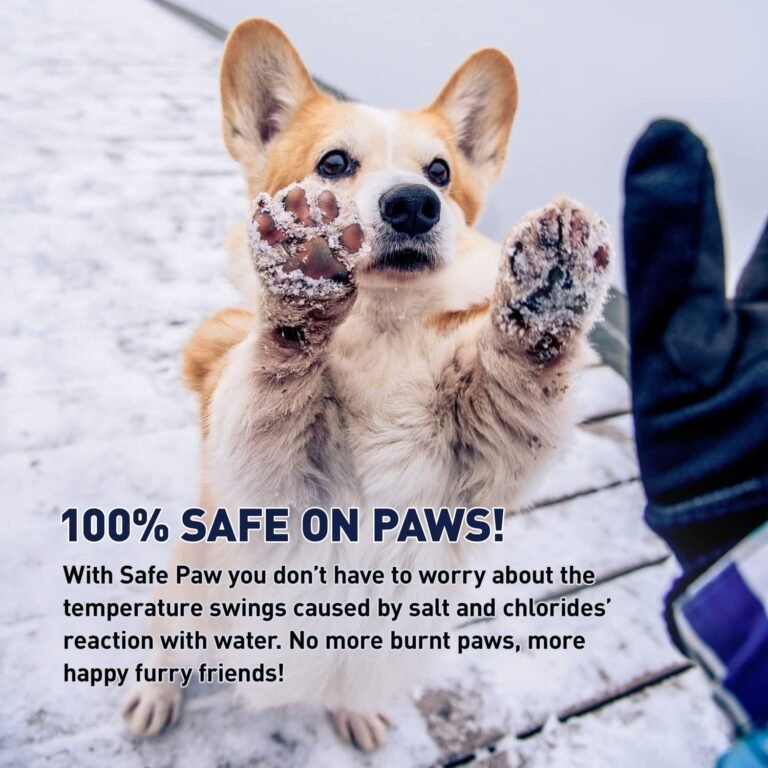
If your dog chews his paws mainly at night, the behavior may be caused by itching from allergies, fleas, skin infection, irritation, pain, or a paw problem that becomes more noticeable when the household is quiet. Occasional grooming can be normal, but persistent chewing that causes redness, hair loss, wounds, odor, swelling, or discomfort deserves veterinary attention.
For dog owners in the United States, nighttime paw chewing is usually a symptom rather than a diagnosis. Dogs may naturally lick their feet while grooming, but repeated chewing can signal an underlying problem affecting the skin, nails, paw pads, or tissues between the toes. Veterinary references identify parasites, infections, allergies, and other sources of itching among the major causes of excessive licking and chewing.
The fact that the chewing happens at night does not necessarily mean that nighttime itself is the cause. A dog may simply have fewer distractions after the family settles down, making an existing itch or discomfort easier to notice. Environmental exposure, such as contact with grass or another irritant during the day, can also contribute to symptoms that become obvious later.
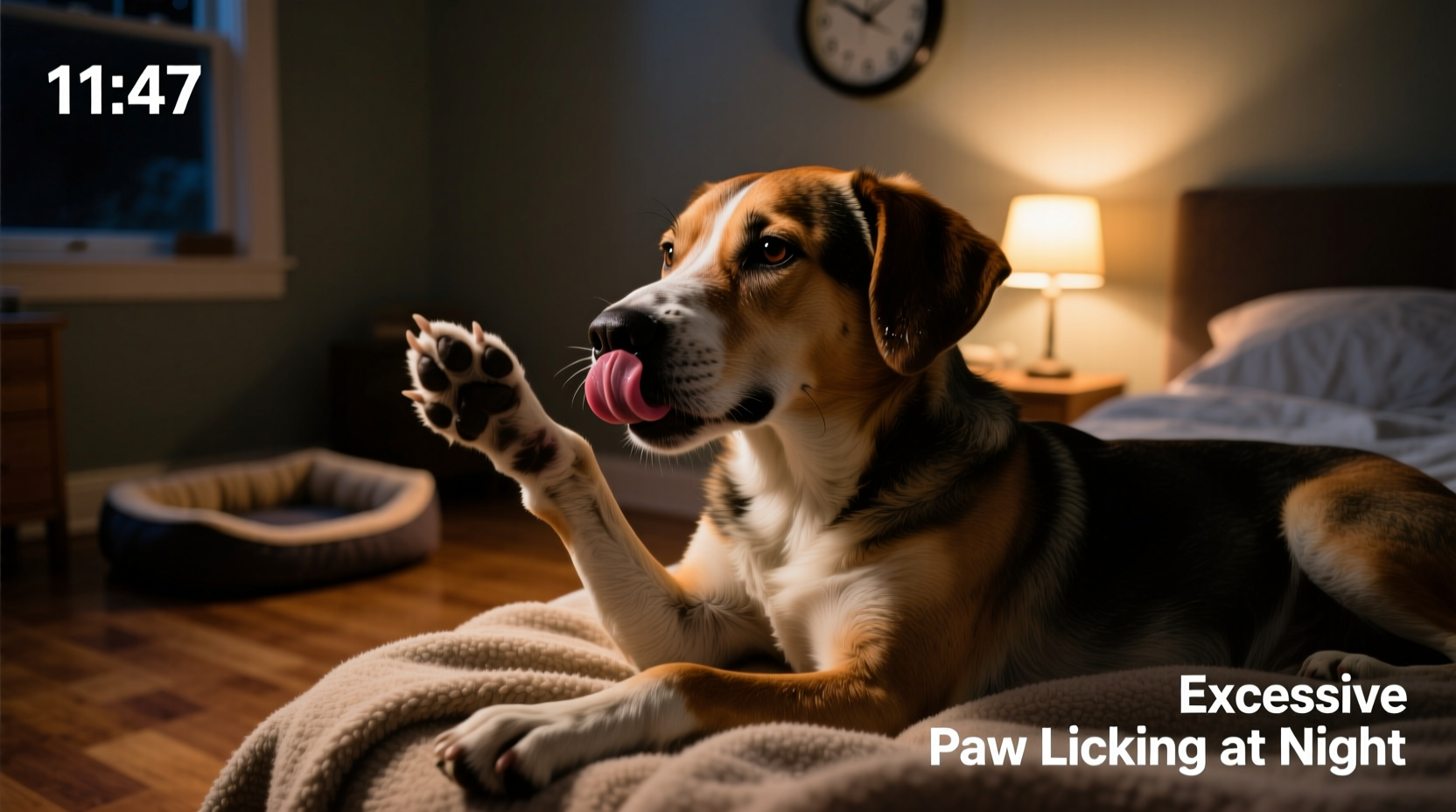
Source: articles.hepper.com
Why Does My Dog Chew His Paws at Night?
The most likely explanation is that your dog has an itch, irritation, pain, or another source of discomfort in the paws. The nighttime pattern can make the behavior more noticeable because there are fewer activities competing for your dog’s attention. It does not by itself identify the underlying cause.
Veterinary guidance groups excessive paw licking and chewing among signs that can occur with pruritus, or itching. Common causes of canine itching include parasites, infections, and allergies. Localized problems such as an injury, irritated paw pad, broken nail, or foreign material can also cause a dog to focus intensely on one paw.
Source: dogpackr.com
Allergies
Environmental allergens, food-related reactions, and flea allergy can cause itching that commonly involves the feet. Dogs may lick or chew their paws repeatedly when the skin becomes itchy or inflamed.
Skin infection
Bacterial or yeast infections can develop in irritated skin and may produce redness, odor, discharge, scaling, or increased licking and chewing.
Parasites
Fleas and certain mites can cause significant itching. Flea allergy can produce particularly intense chewing, licking, and scratching.
Pain or injury
A cut, damaged nail, sting, cracked pad, foreign material, or another painful problem can cause a dog to repeatedly chew one specific paw.
Irritation
Contact with irritating substances or surfaces can inflame the paws. Exposure may occur during outdoor walks or around the home.
Stress or habit
After medical causes are addressed or excluded, repetitive licking and chewing can sometimes have a behavioral component such as stress, boredom, or compulsive behavior.
Why Does It Seem Worse at Night?
Nighttime may simply make an existing problem easier to notice. During the day, exercise, play, food, people, and other environmental activity can interrupt grooming. Once the house becomes quiet, a dog may focus more closely on an itchy or uncomfortable paw.
The timing can also provide a useful clue. If chewing consistently follows outdoor activity, consider whether the paws are being exposed to grass, pollen, rough surfaces, or other irritants. However, timing alone cannot distinguish an allergy from an infection, injury, parasite problem, or behavioral cause.
Look for a pattern
Record when chewing starts, which paw is affected, what happened earlier that day, and whether other symptoms appear.
Check for changes
Compare the affected paw with the other paws and look for redness, swelling, hair loss, odor, discharge, wounds, or nail abnormalities.
Common Medical Causes of Nighttime Paw Chewing
Medical causes should be considered before assuming that nighttime paw chewing is simply a habit. Dogs with itchy skin may scratch, lick, bite, or chew affected areas, and the feet are commonly involved in allergic skin disease.
The number of paws affected can provide useful context. A dog repeatedly chewing one paw may have a localized injury, foreign material, nail problem, or other focal issue. Chewing several paws can occur with generalized skin disease such as allergies or parasites, although there is substantial overlap between conditions.
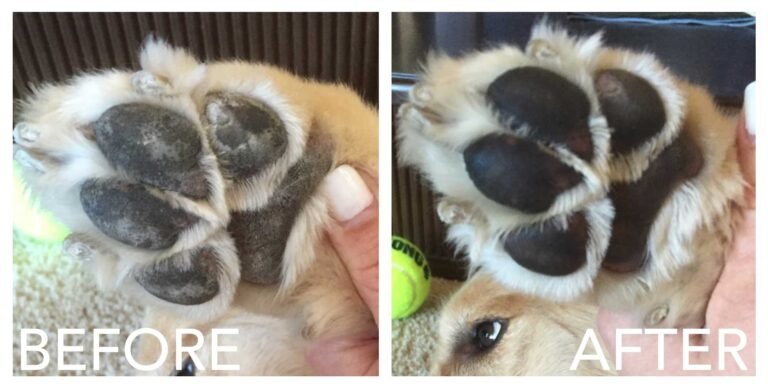
Source: i.pinimg.com
Environmental allergies
Pollen, molds, dust mites, and other environmental allergens can trigger itchy skin. Feet are among the areas commonly affected in canine atopic dermatitis.
Food allergy
Food-related allergic skin disease can cause itching involving the feet and may occur with recurrent ear or skin problems. A veterinary-directed elimination diet may be needed to investigate suspected food allergy.
Flea allergy
Some dogs develop an intense allergic response to flea saliva. Flea-related itching can lead to persistent licking, chewing, scratching, hair loss, and secondary skin infection.
Bacterial or yeast infection
Infections can cause itching and inflammation. Odor, redness, scaling, hair loss, moisture, discharge, or worsening discomfort can increase suspicion of infection.
Paw injury
Cuts, burns, cracked pads, stings, broken nails, and other injuries can cause localized chewing. Pain may be accompanied by limping or reluctance to use the foot.
One Paw vs. Several Paws
If your dog suddenly focuses on one paw, inspect that paw carefully for an obvious localized problem. A foreign object, damaged nail, sting, or injury can produce a strong urge to lick or chew.
When several paws are repeatedly affected, allergies, parasites, infection, or another broader skin condition become more relevant possibilities. This distinction is not diagnostic, so a veterinarian may need to examine the skin and perform additional tests.
One paw
A localized injury, foreign material, nail problem, or focal infection may be more likely.
Multiple paws
Allergic skin disease, parasites, environmental irritation, or other generalized conditions may need consideration.
How to Check Your Dog’s Paws Safely
A brief visual inspection can help you identify obvious changes, but it should not replace a veterinary examination when chewing is persistent or severe. Inspect the top and underside of each paw, the spaces between the toes, the nails, and the paw pads.
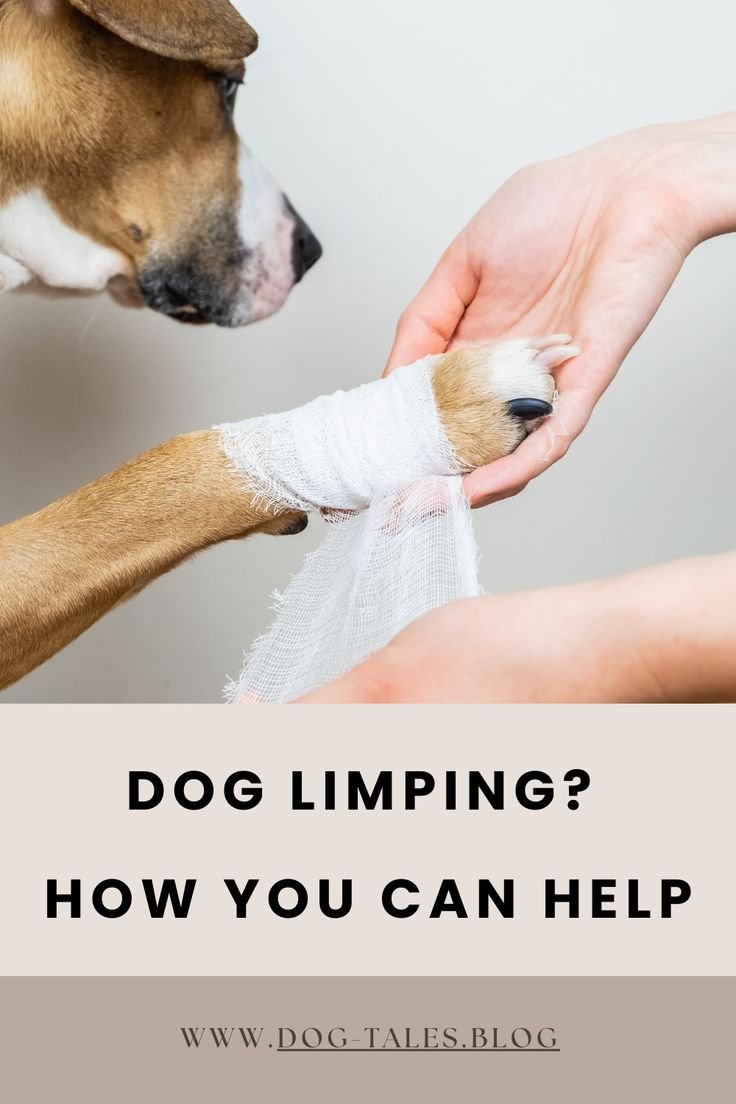
Handle the paw gently. If your dog appears painful, tries to bite, pulls away repeatedly, or cannot tolerate examination, stop rather than forcing the inspection.
Source: emergencyvetsusa.com
Check the skin
Look for redness, swelling, hair loss, bumps, scabs, moist areas, cracks, or thickened skin.
Check between the toes
Look for trapped debris, irritation, swelling, unusual odor, or draining areas.
Check the nails
Look for broken, split, unusually loose, or visibly damaged nails.
Check the paw pads
Look for cuts, cracks, abrasions, burns, swelling, or other visible damage.
Compare both sides
Comparing the affected paw with the corresponding unaffected paw can make subtle swelling or redness easier to notice.
What Not to Do
Do not assume that every case is an allergy and start using medications without veterinary guidance. Different causes can look similar, and treatment depends on the underlying problem.
Avoid repeatedly irritating an already inflamed paw with harsh household chemicals or unapproved topical products. If the skin is damaged, bleeding, draining, or very painful, veterinary assessment is more appropriate than prolonged home treatment.
Do not ignore worsening symptoms
Increasing redness, swelling, pain, discharge, or limping can indicate a problem that needs professional evaluation.
Do not rely on distraction alone
Stopping the chewing temporarily does not treat an allergy, infection, parasite, injury, or other underlying cause.
When Nighttime Paw Chewing Needs a Veterinarian
Arrange a veterinary examination when paw chewing is persistent, repeatedly interrupts sleep, damages the skin, or keeps returning. Excessive licking and chewing can create additional trauma and contribute to secondary infection, making the original problem harder to resolve.
Prompt veterinary attention is especially appropriate when the dog has visible wounds, bleeding, swelling, pus or other discharge, significant odor, limping, or clear pain when the paw is touched. Sudden severe pain or a rapidly worsening paw problem should not be managed solely at home.
Source: academyanimal.com
Persistent chewing
Repeated chewing over several days or recurrent episodes warrant investigation, particularly when the behavior is difficult to interrupt.
Skin damage
Redness, hair loss, sores, scabs, thickened skin, or open wounds indicate that self-trauma is becoming a problem.
Signs of infection
Discharge, unpleasant odor, increasing swelling, or worsening inflammation can occur with bacterial or yeast infections.
Pain or lameness
Limping, reluctance to walk, whimpering, or pulling away when the paw is touched can indicate a painful condition.
Recurring episodes
Repeated paw chewing that improves and then returns may require investigation of an underlying allergy, parasite exposure, infection, or other recurring trigger.
How a Veterinarian May Investigate the Cause
A veterinarian will typically start with the dog’s history and a physical examination. The history may include when the chewing started, whether it is seasonal, which paws are affected, exposure to outdoor environments, parasite prevention, diet, and any previous skin or ear problems.
Depending on the findings, the veterinarian may evaluate the skin for parasites or infection and investigate allergies or other underlying conditions. The goal is to identify and treat the cause rather than simply suppress the chewing.
History
The timing, frequency, affected paws, seasonal pattern, diet, environment, and previous episodes can help narrow the possibilities.
Physical examination
The paws, skin, nails, ears, and other areas may be examined for signs of allergy, infection, parasites, injury, or inflammation.
Targeted testing
Additional testing may be recommended when the examination suggests infection, parasites, allergies, or another specific condition.
What Can You Do Tonight While You Arrange Care?
If your dog is otherwise comfortable and there is no obvious emergency, start by documenting the behavior and checking the paws gently. Keeping the environment calm and preventing additional irritation can help while you arrange professional advice.
If the paws are visibly dirty after an outdoor activity, gentle cleaning appropriate for dogs may remove surface debris, but cleaning will not resolve underlying allergies, infections, parasites, or injuries. Avoid repeatedly washing irritated skin because excessive moisture or irritation can complicate some paw problems.
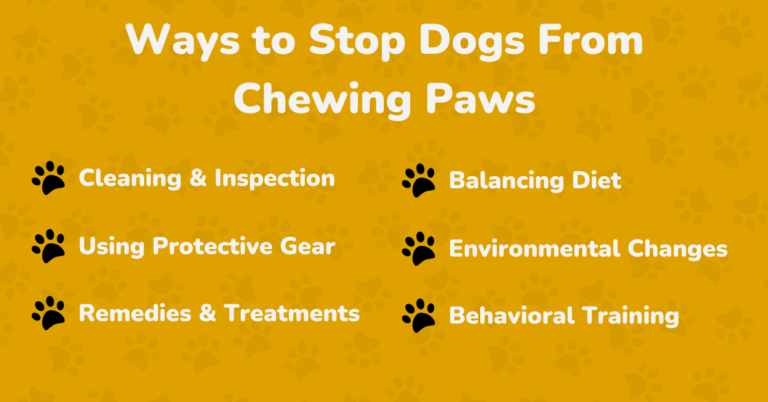
Source: i.pinimg.com
Observe
Note the time chewing begins, its duration, which paw is involved, and whether your dog also scratches, licks the body, shakes the ears, or limps.
Inspect
Look for visible cuts, swelling, redness, damaged nails, foreign material, discharge, or unusual odor.
Reduce known irritation
If you know that a particular environmental exposure irritates your dog’s paws, discuss practical avoidance measures with your veterinarian.
Contact your veterinarian
Seek professional guidance if the chewing persists, recurs, causes skin damage, or is accompanied by pain or other concerning signs.
Why Simply Stopping the Chewing May Not Solve the Problem
Paw chewing is a behavior that often responds to an underlying sensation. If itching, infection, pain, or another medical trigger remains, preventing the behavior without addressing the cause may provide only temporary relief.
Repeated chewing can also create a cycle in which self-trauma damages the skin, inflammation increases, and secondary infection develops. Treating the underlying trigger is therefore more useful than focusing only on stopping the visible behavior.
Treat the cause
The appropriate solution depends on whether the underlying issue is allergic, infectious, parasitic, traumatic, irritant, painful, or behavioral.
Monitor the skin
Changes in redness, swelling, odor, discharge, wounds, or hair loss can indicate that the problem is progressing.
Could Anxiety or Boredom Cause a Dog to Chew His Paws at Night?
Yes, behavioral factors can contribute to repetitive licking or chewing, but medical causes should be considered first when a dog suddenly develops excessive paw chewing. Stress, boredom, anxiety, and compulsive behaviors can sometimes contribute to repetitive grooming.
Nighttime can provide fewer distractions and more opportunity for repetitive behavior, so a behavioral component may become more visible after the household settles down. However, a dog that appears anxious may also be uncomfortable because of an untreated medical condition, so behavior should not automatically be blamed.
Source: s.alicdn.com
Consider the timing
Note whether chewing occurs only when the dog is alone, during quiet periods, after stressful events, or throughout the day.
Look for medical signs
Redness, swelling, wounds, odor, hair loss, discharge, or limping make a physical cause more important to investigate.
Use veterinary guidance
If medical causes have been evaluated and the behavior continues, a qualified veterinary behavior professional may help identify triggers and develop a management plan.
When Is Paw Chewing More Likely to Be Behavioral?
A behavioral explanation becomes more plausible when a veterinarian has ruled out relevant medical causes and the chewing consistently occurs in identifiable situations without corresponding physical abnormalities. Even then, the behavior may have started after an earlier medical problem and continued as a learned or self-soothing habit.
Medical causes first
Persistent or newly developed paw chewing should not be labeled anxiety without considering physical causes.
Pattern matters
A consistent relationship between chewing and particular situations can provide useful information for behavioral assessment.
Frequently Asked Questions
Q
Why does my dog chew his paws only at night?
Nighttime chewing may become more noticeable because there are fewer distractions, but the underlying cause can still be an allergy, parasite, infection, injury, irritation, pain, or behavioral issue. The nighttime pattern alone does not identify the cause.
Q
Should I worry if my dog occasionally licks his paws?
Occasional paw licking can be part of normal grooming. Concern increases when licking or chewing becomes frequent, intense, difficult to interrupt, or causes redness, hair loss, wounds, odor, swelling, pain, or other changes.
Q
Can allergies make a dog chew his paws?
Yes. Environmental and food-related allergies can cause itchy skin involving the feet. Flea allergy can also produce intense itching and chewing. A veterinarian can help distinguish allergies from infection, parasites, injury, and other causes.
Q
How can I tell whether my dog’s paw chewing is caused by an injury?
A dog with a localized injury may focus strongly on one paw and may limp, avoid putting weight on it, or react painfully when the paw is handled. Look for cuts, damaged nails, swelling, pad injuries, or foreign material, but avoid forcing an examination if the dog is painful.
Q
When should I take my dog to the vet for paw chewing?
Contact your veterinarian when chewing persists or recurs, damages the skin, or interferes with sleep or normal activity. Seek prompt veterinary attention for bleeding, significant swelling, discharge, severe pain, limping, or rapidly worsening symptoms.
✦ Wrapping Up
Conclusion
If your dog chews his paws at night, the behavior is best viewed as a clue rather than a diagnosis. Allergies, fleas and other parasites, infections, injuries, irritation, pain, and behavioral factors can all contribute. The nighttime timing may simply make the discomfort more noticeable when your dog has fewer distractions.
Start by observing the pattern and gently checking the paws for visible abnormalities. If the chewing is persistent, recurrent, painful, or causing skin damage, a veterinarian can determine the underlying cause and recommend appropriate treatment.
💡 Key Takeaway
Check all four paws for redness, swelling, wounds, damaged nails, discharge, odor, or foreign material, record when the chewing occurs, and contact your veterinarian if the behavior persists or any concerning signs appear.
Learn how to moisturize dog paws safely with paw balms, natural moisturizers, and daily care tips. Discover how to prevent dry, cracked paw pads and keep your dog’s feet healthy.
Learn how to prevent foxtails in dogs’ paws with U.S.-focused tips for avoiding risky areas, grooming paws, checking between toes, and knowing when to call a veterinarian.
Learn how to treat dog paws burn from pavement with safe first aid steps, recovery tips, warning signs, and prevention methods to protect your dog’s paw pads.
Learn how to stop my dog from chewing his paws with practical steps, common causes, home care tips, and guidance on when veterinary treatment is needed.
Learn how to protect dog paws from salt during winter walks. Discover effective prevention methods, paw care tips, boot options, and safe post-walk cleaning routines.