Most dog paw bandages stay on for a few days to two weeks, depending on the injury and veterinary guidance.
Across the United States, dog owners commonly use paw bandages to protect cuts, burns, torn pads, and surgical sites while healing occurs. The correct bandage duration depends on the type of injury, how quickly the wound heals, and whether a veterinarian recommends continued protection.
Understanding how long to keep bandage on dog paw injuries is important because leaving a wrap on too long can trap moisture, reduce circulation, or increase infection risk. Regular bandage checks and scheduled changes help support healthy healing and prevent complications.
Source: i.pinimg.com
How Long Should a Dog Paw Bandage Stay On?
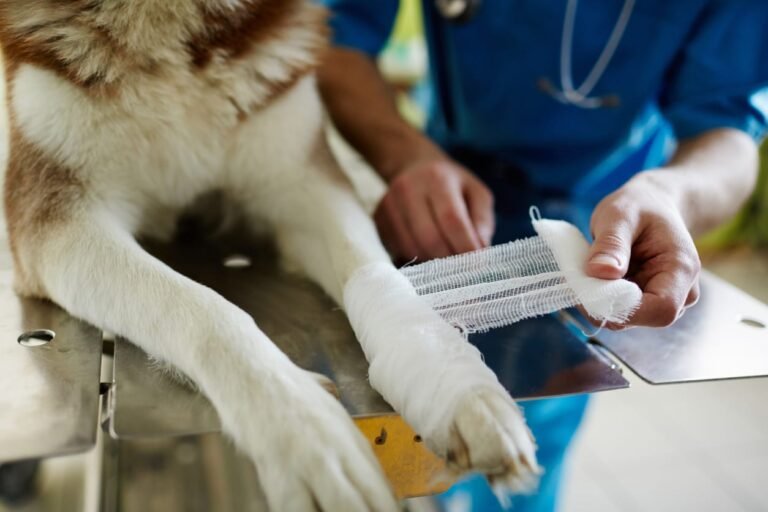
The answer depends on the injury. Minor scrapes and superficial cuts may need protection for three to seven days. Moderate wounds often require one to two weeks of bandaging, while severe injuries or surgical sites may need longer treatment under veterinary supervision.
A paw bandage is not usually applied once and forgotten. Most dogs need regular bandage changes to keep the wound clean and dry. Even when a bandage remains necessary, the wrapping material itself is typically replaced every one to three days.
Source: i.ytimg.com
Minor scrape
Often requires protection for three to seven days.
Moderate cut or pad injury
May need one to two weeks of bandaging.
Surgical site
Follow the veterinarian’s specific timeline.
Factors That Affect Bandage Duration
Healing speed varies based on wound depth, location, infection risk, activity level, age, and overall health. Dogs that frequently run outdoors or lick their paws may require longer protection than dogs that rest and heal without complications.
Wound depth
Deeper wounds generally heal more slowly.
Infection status
Infected wounds often need extended treatment.
How Often Should You Change a Dog Paw Bandage?
Most veterinarians recommend changing a dog paw bandage every one to three days. Frequent changes allow you to inspect the wound, remove moisture, and identify problems before they become serious.
Bandages exposed to rain, mud, snow, or excessive licking may require more frequent replacement. Keeping the wrap clean and dry is often just as important as the bandage itself.
Source: c8.alamy.com
Daily inspection
Check for moisture, odor, swelling, or slipping.
Immediate replacement
Change any wet or dirty bandage as soon as possible.
Signs a Bandage Needs Immediate Attention
Do not wait for the next scheduled change if the wrap becomes wet, develops an odor, slips out of position, or causes discomfort. These issues can interfere with healing and increase the risk of complications.
Bad odor
May indicate infection or trapped moisture.
Visible swelling
Can suggest a wrap that is too tight.
When Is It Safe to Remove the Bandage Completely?
A bandage can often be removed when the wound has closed, drainage has stopped, and the dog can walk comfortably without reopening the injury. The skin should appear healthy and free of significant redness or swelling.
Removing a bandage too early can expose delicate new tissue to dirt, friction, and further injury. When in doubt, ask a veterinarian to evaluate the healing progress before discontinuing protection.
Source: pawflex.com
Closed wound
No visible open areas remain.
Comfortable walking
The dog bears weight normally without pain.
Healing Milestones to Watch For
Healthy healing typically involves reduced swelling, less redness, decreasing tenderness, and gradual skin repair. Monitoring these changes helps determine whether continued bandaging is necessary.
Less redness
Indicates inflammation is decreasing.
No drainage
Suggests the wound is progressing normally.
Common Bandaging Mistakes That Delay Healing
Many complications occur because the bandage remains on too long without inspection. Moisture buildup, excessive pressure, and dirty wrapping materials can slow recovery and create additional medical issues.
Another common mistake is wrapping too tightly. A proper bandage should stay secure while still allowing healthy circulation to the toes and paw.
Source: yourvetfriend.com
Leaving wet bandages on
Creates an environment where infection may develop.
Wrapping too tightly
Can restrict blood flow and cause swelling.
Skipping inspections
Allows problems to go unnoticed.
Warning Signs of a Problem
Contact a veterinarian if you notice severe swelling, cold toes, foul odor, discharge, bleeding, increasing pain, or signs that your dog is becoming lethargic or unwilling to bear weight.
Toe swelling
May indicate restricted circulation.
Persistent limping
Could signal ongoing injury or infection.
Bandage Duration by Type of Paw Injury
Different injuries heal at different rates. Understanding the likely timeline helps dog owners know what to expect and when professional follow-up may be needed.
These timeframes are general estimates. Every dog heals differently, and veterinary recommendations should always take priority.
Source: i.pinimg.com
Minor abrasions
Typically require a few days of protection.
Pad lacerations
Often need one to three weeks depending on severity.
Burn injuries
May require extended wound management.
Estimated Healing and Bandaging Table
Minor cuts usually heal faster than deep pad injuries because paw pads experience constant pressure during walking. More severe wounds generally require longer protection and monitoring.
Simple scrape
Approximately three to seven days.
Deep pad injury
Often one to three weeks or longer.
Frequently Asked Questions
Q
Can I leave a dog paw bandage on overnight?
Yes. Many paw bandages remain in place overnight. However, the bandage should be checked regularly and replaced if it becomes wet, dirty, loose, or damaged.
Q
How do I know if a paw bandage is too tight?
Look for swollen toes, cold paw pads, discoloration, excessive licking, pain, or worsening limping. These signs may indicate restricted circulation and require immediate attention.
Q
Should I remove the bandage if the wound looks healed?
A wound may appear healed on the surface before deeper tissues fully recover. If there is uncertainty, consult a veterinarian before permanently removing the bandage.
Q
What happens if a bandage gets wet?
A wet bandage should generally be changed as soon as possible. Moisture can soften the skin, promote infection, and reduce the effectiveness of the dressing.
Q
When should I take my dog to the veterinarian?
Seek veterinary care for deep cuts, heavy bleeding, severe swelling, signs of infection, worsening pain, inability to bear weight, or wounds that fail to improve within a few days.
✦ Wrapping Up
Conclusion
The answer to how long to keep bandage on dog paw injuries depends on the wound type, healing progress, and veterinary recommendations. While many minor injuries need only a few days of protection, deeper wounds can require one to three weeks or more of careful management.
Regular bandage changes, daily inspections, and attention to signs of infection or circulation problems are essential for successful healing. A clean, dry, properly fitted bandage gives your dog the best chance of a safe recovery.
💡 Key Takeaway
Inspect the paw daily, change bandages every one to three days unless instructed otherwise, and contact a veterinarian if healing stalls or complications develop.
Learn how to treat a dog paw pad injury safely, including cleaning, bleeding control, bandaging, burn care, healing signs, and when veterinary treatment is needed.
Learn why your dog’s paws may be red between the toes, including allergies, infections, irritation, injuries, and interdigital furuncles, plus when veterinary care is needed.
Learn how to clean yeast from dogs paws safely. Discover symptoms, cleaning steps, treatment options, prevention tips, and when to contact your veterinarian.
Learn how to tell if your dog’s paws are burned, recognize redness, limping, blistering, and pad damage, provide safe first aid, and know when veterinary care is needed.
Learn how to protect dog paws from salt during winter walks. Discover effective prevention methods, paw care tips, boot options, and safe post-walk cleaning routines.